Drill-and-detonate plan: researchers propose nuking approaching asteroids to avert catastrophe
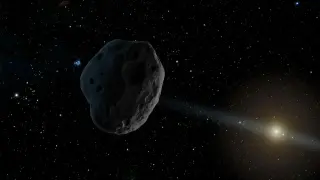
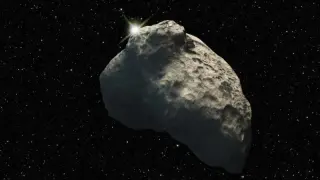
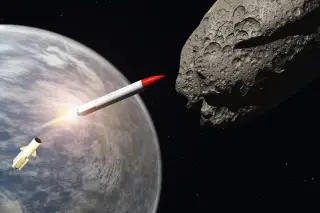
Chinese scientists from the China Academy of Launch Vehicle Technology propose a defense against large near-Earth asteroids by drilling into an incoming rock and detonating a nuclear device about 100 meters deep. Computer simulations suggest a 300-kiloton explosion could destroy a small asteroid (~164 feet), while a 3-megaton blast could destroy a much larger body (~1,000 meters), with effectiveness depending on size, speed, and depth of detonation. Real-world viability would require early threat detection and a mission capable of delivering drilling and nuclear hardware into space, adding to ongoing discussions of nuclear options alongside other defenses like NASA’s DART.