Tag

Ancient Technology

All articles tagged with #ancient technology

Desert Kites: 6,000 Ancient Traps Revealed from the Sky
archaeology1 month ago

Desert Kites: 6,000 Ancient Traps Revealed from the Sky

RAF pilots in the 1920s first noted vast desert kite formations—low, dry-stone walls arranged into kite shapes that are visible from the air but almost invisible on foot. Today more than 6,000 have been identified across the Middle East and beyond, some stretching for kilometers. The structures trap animals by steering them toward enclosed gaps and pits at the far end, which can be hidden by low walls. The oldest kites date to the early Holocene, making them among the region’s most complex ancient constructions. Excavations are few, and scholars debate whether they were used for livestock management or hunting wild game.

history-and-archaeology2 months ago

Jerusalem's Hidden 50-Meter Tunnel Stirs Archaeological Debate

Archaeologists near Kibbutz Ramat Rachel in Jerusalem uncovered a roughly 50-meter, multi-layer underground tunnel whose original purpose remains unclear. Initial water-system theories were rejected; the leading possibilities point to quarrying or an unfinished construction project. The tunnel is well-preserved but sections have collapsed, and dating evidence is lacking. The discovery is shaping plans to preserve the site within a future archaeological park as urban development proceeds nearby.

Ancient Baghdad Jar Sparks Battery Debate: Could It Power a 1.4V Cell?
archaeology7 months ago

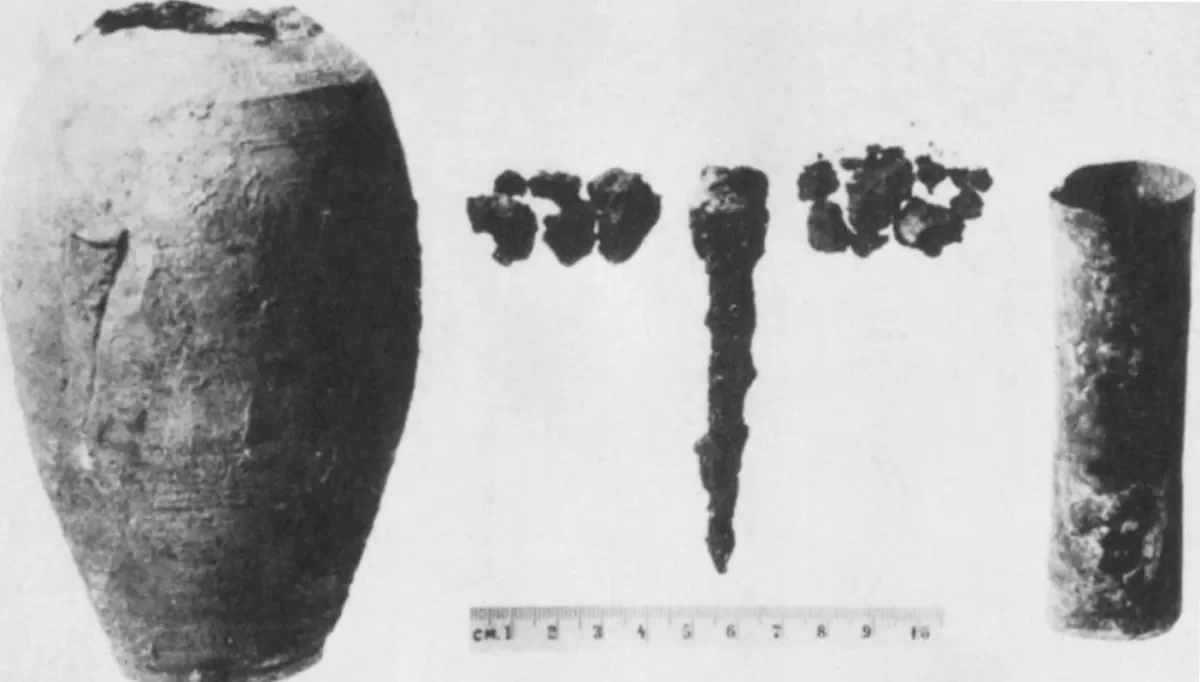
Ancient Baghdad Jar Sparks Battery Debate: Could It Power a 1.4V Cell?

A revived debate over the Baghdad battery: a 2,000-year-old artifact might have functioned as a galvanic cell producing about 1.4 volts, according to a new reconstruction, but many archaeologists remain skeptical, suggesting the jar was likely a sacred object for storing prayers with iron nails used in ritual, and the original artifact is lost, leaving room for interpretation.

Ancient Greek Gear Puzzle: New Simulations Reframe the Antikythera Mechanism
science7 months ago

Ancient Greek Gear Puzzle: New Simulations Reframe the Antikythera Mechanism

New computer simulations and CT imaging suggest the Antikythera Mechanism may have jammed within months due to spacing errors and corrosion, implying reliability limits—not just precision—limited its long‑term ability to track lunar/solar cycles, with gear spacing mattering most and gear tooth shape playing a smaller role.

Ancient Neanderthal Glue Factory Unearthed in Gibraltar
archaeology1 year ago

Ancient Neanderthal Glue Factory Unearthed in Gibraltar

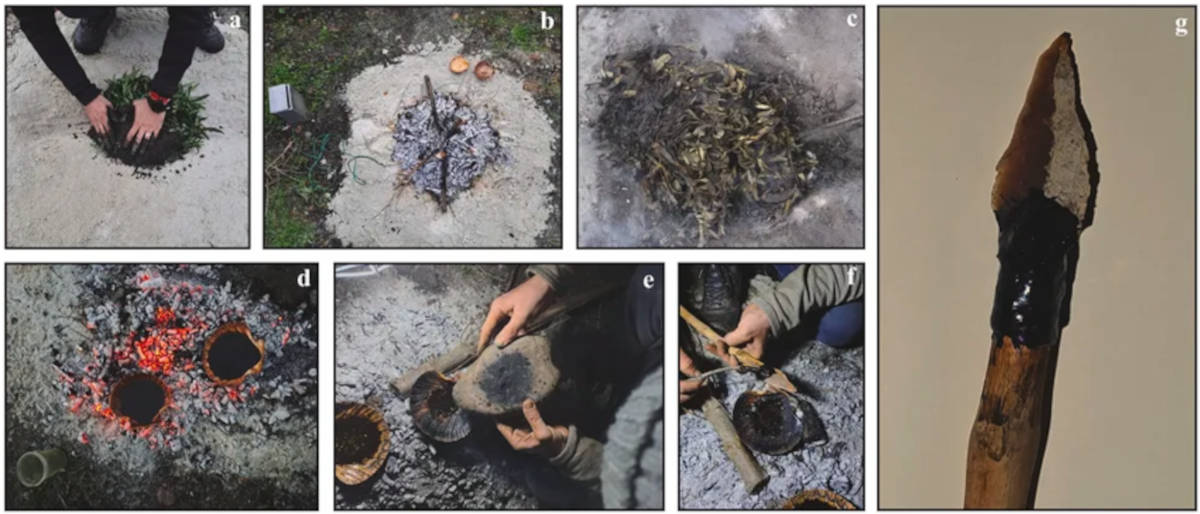
A 65,000-year-old Neanderthal tar distillation oven has been discovered in Gibraltar's Vanguard Cave, showcasing advanced manufacturing techniques. This find, led by the University of Murcia, reveals that Neanderthals used a specialized hearth to produce tar from resin-rich plants, predating similar human techniques by over 100,000 years. The study highlights Neanderthals' cognitive complexity and technological prowess, challenging outdated stereotypes of them as primitive. Experimental archaeology confirmed the hearth's purpose by successfully replicating tar production using ancient methods.

Alien Metal Discovered in Ancient Treasure Hoard
science-and-technology1 year ago

Alien Metal Discovered in Ancient Treasure Hoard

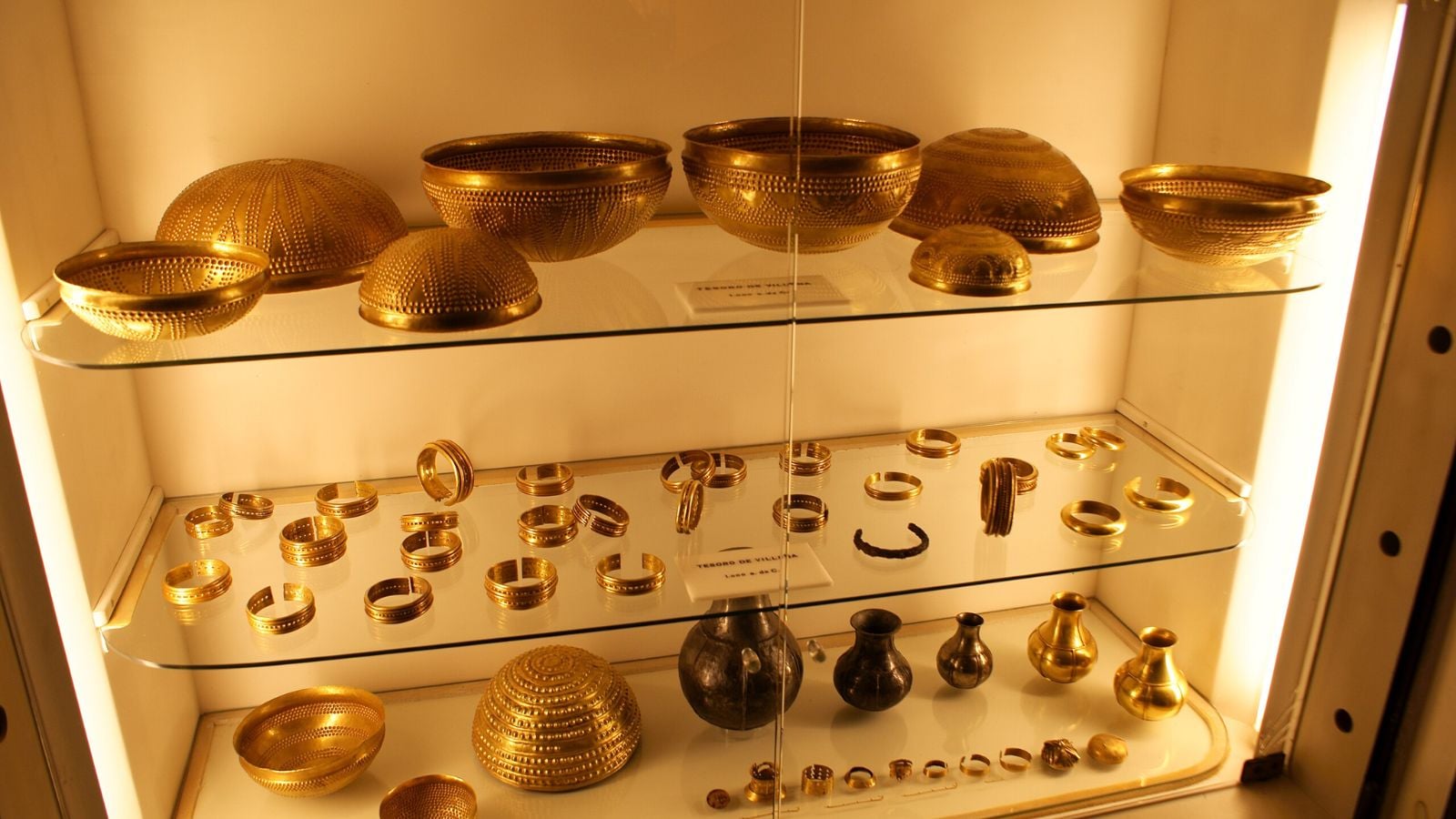
Researchers have discovered that two corroded artifacts from the Treasure of Villena, a Bronze Age cache in Spain, are made from meteoritic iron, suggesting advanced metalworking techniques in Iberia over 3,000 years ago. The iron bracelet and hollow hemisphere, initially puzzling due to their ferrous appearance, were tested and found to contain high nickel content, indicative of meteoritic origin. This aligns them with the rest of the collection, dating back to 1400-1200 BCE, and marks them as the first known meteoritic iron artifacts in the Iberian Peninsula.

"Discovery of 11th-Century Shared 'Smartphone' Unveils Ancient Communication Technology"
history-archaeology2 years ago

"Discovery of 11th-Century Shared 'Smartphone' Unveils Ancient Communication Technology"

A 1,000-year-old astrolabe, resembling a large pocket watch, was discovered in Verona, Italy, shedding light on the scientific exchange between Muslims, Jews, and Christians over nearly a millennium. The relic, believed to have originated in 11th century Andalusia, shows evidence of modifications and adaptations as it changed hands, including translations of Arabic zodiac signs into Hebrew. The astrolabe's inscriptions indicate its use in Spain, North Africa, and eventually within the Jewish diaspora in Italy, highlighting its role as a record of cultural and scientific collaboration.

"Neanderthals' Advanced Tool-Making Skills Unveiled Through 40,000-Year-Old Multi-Compound Glue"
archaeology2 years ago

"Neanderthals' Advanced Tool-Making Skills Unveiled Through 40,000-Year-Old Multi-Compound Glue"

A 40,000-year-old multi-compound adhesive found on Neanderthal-made stone tools suggests that Neanderthals were more intelligent than previously thought. The adhesive, made of bitumen and ocher, resembles those used by early Homo sapiens in Africa, indicating a similar level of cognition. Chemical analyses of the tools from the Le Moustier site in France revealed traces of both ocher and bitumen, suggesting forward-planning and imagination in the Neanderthals' cognitive processes. The adhesive likely served as a grip for stone tools, showcasing a technical solution similar to early modern humans in Africa but with a Neanderthal "spin."

"Extraterrestrial Iron: Uncovering the 3000-Year-Old Treasure of Villena"
archaeology2 years ago

"Extraterrestrial Iron: Uncovering the 3000-Year-Old Treasure of Villena"

The Treasure of Villena, a significant hoard of gold from the European Bronze Age, has been found to contain metal from a meteorite that crashed onto Earth one million years ago, according to a new study. The analysis focused on two iron pieces dating back to 1,400-1,200 BC, revealing traces of iron-nickel alloy comparable to those found in meteoric iron. This discovery suggests that ancient people had to innovate and develop new technology to work with meteoric iron, marking the first and oldest meteor iron objects found in the Iberian Peninsula.

"Maximizing Ancient Technology Points in Palworld: Unlockable Items and Level Unlocks"
gaming2 years ago

"Maximizing Ancient Technology Points in Palworld: Unlockable Items and Level Unlocks"

Palworld's Technology tree contains a wide range of unlockable items to aid players in their adventure, with some parts of the tree hidden until specific conditions are met. As players level up, new items become available, and Technology Points can be spent to unlock crafting recipes. The Ancient Technology tree offers rarer items that require Ancient Technology Points and materials like Ancient Civilization Parts to unlock and craft, adding an extra layer of complexity to the game.

"Exploring Palworld: Unveiling the Full Map, Islands, and Size"
gaming2 years ago

"Exploring Palworld: Unveiling the Full Map, Islands, and Size"

The map of Palworld consists of a vast archipelago with different biomes, each hosting various Pals to catch, Great Eagle Statues for fast travel, and Seals with mini-bosses. The biomes include Forest, Volcano, Snow, and Desert, each requiring specific gear and Pals to navigate and capture. There are five Towers representing major boss fights and mini-boss encounters across all regions, rewarding players with Ancient Technology Points and Ancient Civilization Parts essential for crafting key items.

Ancient Computer Stumps Scientists for Over a Century, While Water-Powered Analog Computer's Creator Remains a Mystery
science-and-technology3 years ago

Ancient Computer Stumps Scientists for Over a Century, While Water-Powered Analog Computer's Creator Remains a Mystery

Scientists from University College London have reconstructed the front panel of the Antikythera Mechanism, an ancient hand-powered instrument discovered in 1901 on a Roman-era shipwreck in Greece. The device was a remarkable time-keeping device, using a wing-up system to track the sun and planets meticulously, and also functioned as a calendar, accurately monitoring the phases of the moon and eclipses. The Antikythera computer was far ahead of its time, and its technical sophistication surpassed any other tool or invention for the subsequent millennium.

"2,000-Year-Old Computer Continues to Baffle Scientists"
science-and-technology3 years ago

"2,000-Year-Old Computer Continues to Baffle Scientists"

The Antikythera mechanism, a 2,000-year-old astronomical calendar discovered in a Greek shipwreck, has left scientists baffled due to its technical sophistication. The hand-powered time-keeping instrument tracks the sun, moon, and planets' celestial time, as well as the moon's phases and timing of eclipses. Despite being technically behind, the device was a "creation of genius" and capable of tracking far more than expected. The device is currently in 82 separate fragments, but experts at University College London used 3D modeling to solve the mystery of how it worked.