Tag

Corrosion

All articles tagged with #corrosion

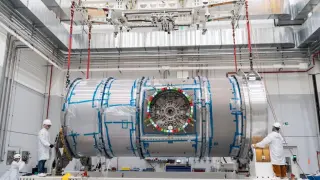
Corrosion hits Gateway and commercial space-station hardware, prompting repairs
space28 days ago

Corrosion hits Gateway and commercial space-station hardware, prompting repairs

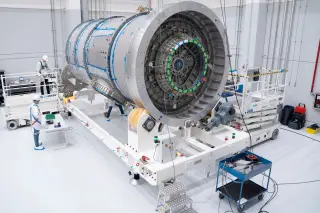
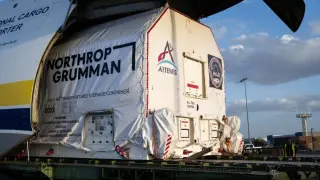
A corrosion issue at Thales Alenia Space has affected the HALO habitat for NASA's Gateway and ESA's I-Hab module, with Axiom Space's first commercial station module also impacted. Northrop Grumman and ESA say repairs are underway and expected to wrap by the end of Q3 2026, with root causes tied to forging, surface treatment, and material properties. The episode has influenced discussions about Gateway's future and potential reuse of components for a lunar base, while Axiom's Module 1 remains on track for 2028.

Thales confirms corrosion on HALO module, pledges fixes by Q3 2026
technology29 days ago

Thales confirms corrosion on HALO module, pledges fixes by Q3 2026

NASA’s briefing exposed corrosion on Lunar Gateway’s HALO and I-HAB habitats. Northrop Grumman acknowledged a manufacturing irregularity, ESA confirmed corrosion on I-HAB, and Thales Alenia Space issued a statement noting a surface metallurgical issue on HALO and promising repairs by the end of Q3 2026, with similar actions for I-HAB in coordination with ESA. Axiom Space reported related issues on Module 1. The disclosures raise questions about repair feasibility and could affect Gateway timelines beyond 2030, while underscoring competition in space-habitat pressure vessels.

ESA Responds to NASA on Gateway Module Corrosion
space1 month ago

ESA Responds to NASA on Gateway Module Corrosion

ESA has clarified the status of the HALO and I-HAB modules delivered for NASA's Gateway, confirming HALO arrived at Northrop Grumman with corrosion signs and that I-HAB has a similar issue but has not yet shipped. An ESA spokesperson said the corrosion likely stems from forging, surface treatment, and material properties and is technically manageable, not a showstopper. ESA also noted other Gateway components, such as the life-support system and thermal control pump, are experiencing delays, and while NASA is exploring repurposing Gateway elements for a future surface base, the schedule impact remains unresolved.

Corrosion in Lunar Gateway Modules Triggers Repairs and Reassessment
space1 month ago

Corrosion in Lunar Gateway Modules Triggers Repairs and Reassessment

Ars Technica reports that the Lunar Gateway’s two habitable modules, HALO and I-HAB, show corrosion likely from a manufacturing irregularity involving forging, surface treatment, and materials. Northrop Grumman says HALO repairs should wrap by the end of Q3 and that the module can still be repurposed for lunar use, while ESA calls the issue technically manageable; I-HAB remains under construction as Gateway was paused to focus on the Moon.

Underground Fukushima Microbes Survive in Biofilm Shields, Challenging Decommissioning
science3 months ago

Underground Fukushima Microbes Survive in Biofilm Shields, Challenging Decommissioning

Researchers studying water beneath Fukushima’s reactors found bacteria thriving in radioactive conditions not thanks to classic radiation resistance but likely because protective biofilms form on metal surfaces; some microbes can cause metal corrosion, complicating cleanup efforts, and scientists speculate marine bacteria may have ridden in with the 2011 tsunami, revealing unexpected life in extreme environments.

Ancient Greek Gear Puzzle: New Simulations Reframe the Antikythera Mechanism
science4 months ago

Ancient Greek Gear Puzzle: New Simulations Reframe the Antikythera Mechanism

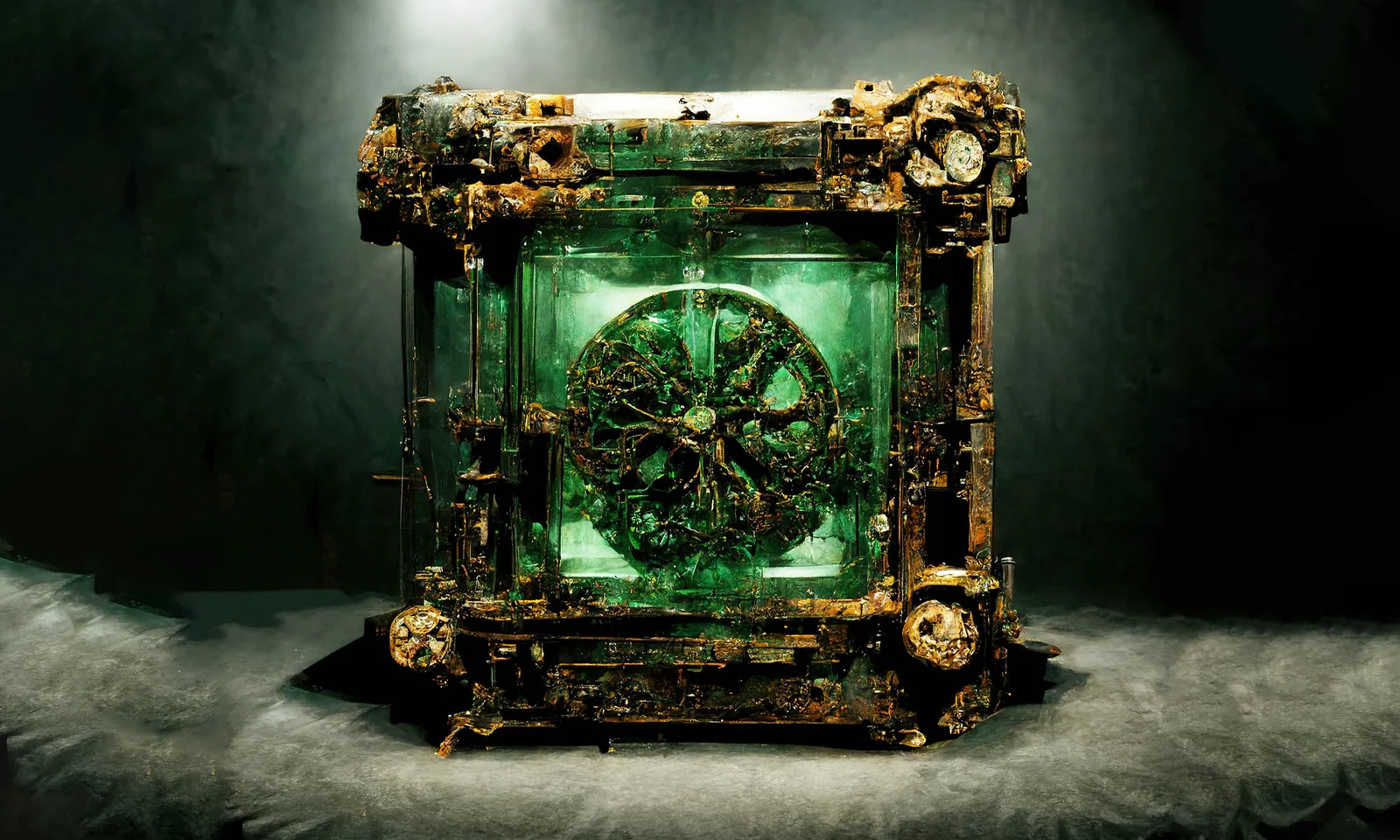
New computer simulations and CT imaging suggest the Antikythera Mechanism may have jammed within months due to spacing errors and corrosion, implying reliability limits—not just precision—limited its long‑term ability to track lunar/solar cycles, with gear spacing mattering most and gear tooth shape playing a smaller role.

"Identifying the Causes of Pitting Corrosion in 3D-Printed Stainless Steel"
materials-science2 years ago

"Identifying the Causes of Pitting Corrosion in 3D-Printed Stainless Steel"

Researchers at Lawrence Livermore National Laboratory have identified tiny particles called "slags" as the culprits behind pitting corrosion in 3D-printed stainless steel 316L in seawater. These slags, produced during the 3D printing process, remain at the metal's surface and initiate pitting corrosion, allowing chloride-rich water to penetrate the steel and cause damage. By understanding the mechanisms behind this corrosion, the study paves the way for developing improved materials and manufacturing techniques to create stainless steel components that are highly resistant to the corrosive forces of seawater, with implications extending beyond marine applications.

"Concerns Arise as Tesla Cybertrucks Show Signs of Rusting in the Rain"
automotive2 years ago

"Concerns Arise as Tesla Cybertrucks Show Signs of Rusting in the Rain"

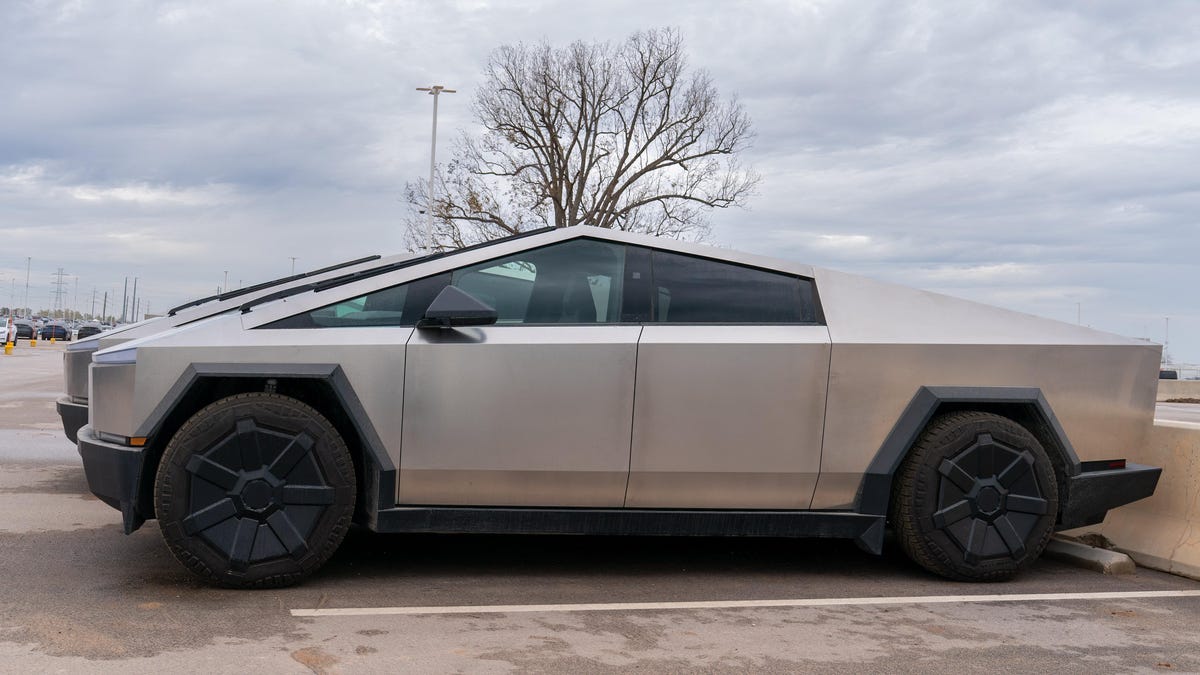
Some Tesla Cybertruck owners are reporting early signs of rust and corrosion on the stainless steel panels of their EVs, with orange stains appearing after minimal exposure to rain. Debate rages on forums about the cause of the discoloration, with some attributing it to carbon dust or contaminants. The stainless steel construction has proven to be a headache for both Elon Musk and early adopters, as the Cybertruck manual confirms its susceptibility to corrosive substances. Tesla's cleaning recommendations suggest immediate cleaning after exposure to oil and acidic soiling, but some owners are frustrated by the additional cost of protecting the steel panels.

automotive2 years ago

"Rust Concerns: Tesla Cybertrucks' Stainless Steel Issues"

Despite being made of stainless steel, Tesla Cybertrucks are showing early signs of rust and corrosion, with owners reporting orange stains on the exterior panels after minimal exposure to rain. Debate rages on the cause, with some attributing it to contaminants while others point to the steel's susceptibility to staining. The Cybertruck's stainless steel construction has proven to be a headache for both Tesla and early adopters, with the manual confirming its susceptibility to corrosive substances. Cleaning recommendations suggest immediate cleaning after exposure to certain elements, leading to frustration among owners who feel additional protection options are costly.

Unveiling the Secrets of Atomic-Level Corrosion
science-and-technology2 years ago

Unveiling the Secrets of Atomic-Level Corrosion

Researchers are using environmental transmission electron microscopy (TEM) to study the atomic-level reactions between water vapor and metal surfaces, specifically focusing on the formation of passivation layers that protect against corrosion. By introducing water vapor to clean aluminum samples, they observed the development of an amorphous layer underneath the aluminum hydroxide layer, indicating a transport mechanism that diffuses oxygen into the substrate. Understanding these atomic reactions could lead to better corrosion management techniques and clean-energy solutions, as well as significant economic benefits.

MBTA Station Safety Concerns Raised After Woman Struck by Falling Equipment
transportation3 years ago

MBTA Station Safety Concerns Raised After Woman Struck by Falling Equipment

A corroded utility box that was part of a now-defunct biological agent detection system fell and hit a woman at the Harvard Square Red Line station in Cambridge, Massachusetts. The box's supporting brace, which weighed about 200 pounds, struck the woman, causing minor injuries. The MBTA has ordered inspections of support straps at all Red Line stations and the removal of 13 remaining utility boxes at Harvard, Porter, and Davis stations. The T called the incident an "isolated case" and vowed to have all inspections completed by the end of Tuesday.

Woman injured by falling equipment at Harvard MBTA station due to corrosion.
transportation3 years ago

Woman injured by falling equipment at Harvard MBTA station due to corrosion.

A woman was injured when a utility box fell on her at Harvard MBTA Station due to corrosion on the support straps. General Manager Phil Eng ordered immediate inspections of all stations to check the condition of the support straps. The MBTA believes the boxes are only on the Red Line and inspections are ongoing. Red Line service was not impacted by the incident. Two months ago, a falling ceiling tile nearly hit a woman at the same station, and the T later removed other tiles in that section of the station.

Honda recalls over half a million CR-Vs for rust and corrosion concerns.
automotive3 years ago

Honda recalls over half a million CR-Vs for rust and corrosion concerns.

Honda is recalling 563,700 older CR-Vs due to excessive corrosion that can cause the rear trailing arm to detach, posing a major safety risk. The recall is limited to certain states where road salt is used as a de-icer. Honda will offer to buy back affected vehicles if the rear frame is too corroded. Owners will be notified by mail to take their CR-V into a Honda dealership for inspection and repair. Honda has received 61 customer complaints related to the issue but is aware of no crashes or injuries.

Honda recalls over 560,000 CR-Vs in cold-weather states due to rust risk.
automotive3 years ago

Honda recalls over 560,000 CR-Vs in cold-weather states due to rust risk.

Honda is recalling 563,711 older-model CR-Vs in 22 cold-weather states and Washington, D.C., due to potential corrosion of the rear trailing arm caused by road salt, which could lead to detachment and loss of control of the vehicle. Honda will inspect and install a support brace or repair the rear frame, as necessary, for free, and may offer to repurchase the vehicle outright. The affected model year 2007-2011 CR-V vehicles were sold or registered in 22 states and D.C. Honda has received 61 complaints of road salt accumulating and causing frame corrosion.

Honda recalls over 560K CR-V SUVs in cold-weather states for rust risk.
business3 years ago

Honda recalls over 560K CR-V SUVs in cold-weather states for rust risk.

Honda is recalling 563,000 CR-V SUVs sold or registered in cold weather states due to the risk of corrosion caused by road salt, which may cause the frame to detach the rear trailing arm. The recall covers 2007 through 2011 model year CR-V vehicles in 22 states and the District of Columbia. Honda may offer to repurchase recalled vehicles depending on the extent of any damage. No fatalities or injuries have been reported related to the recall.