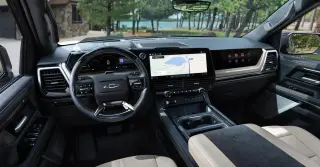
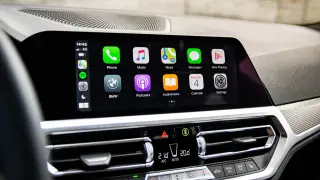
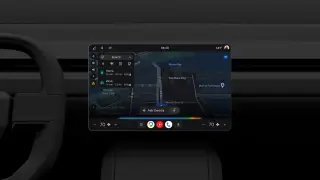
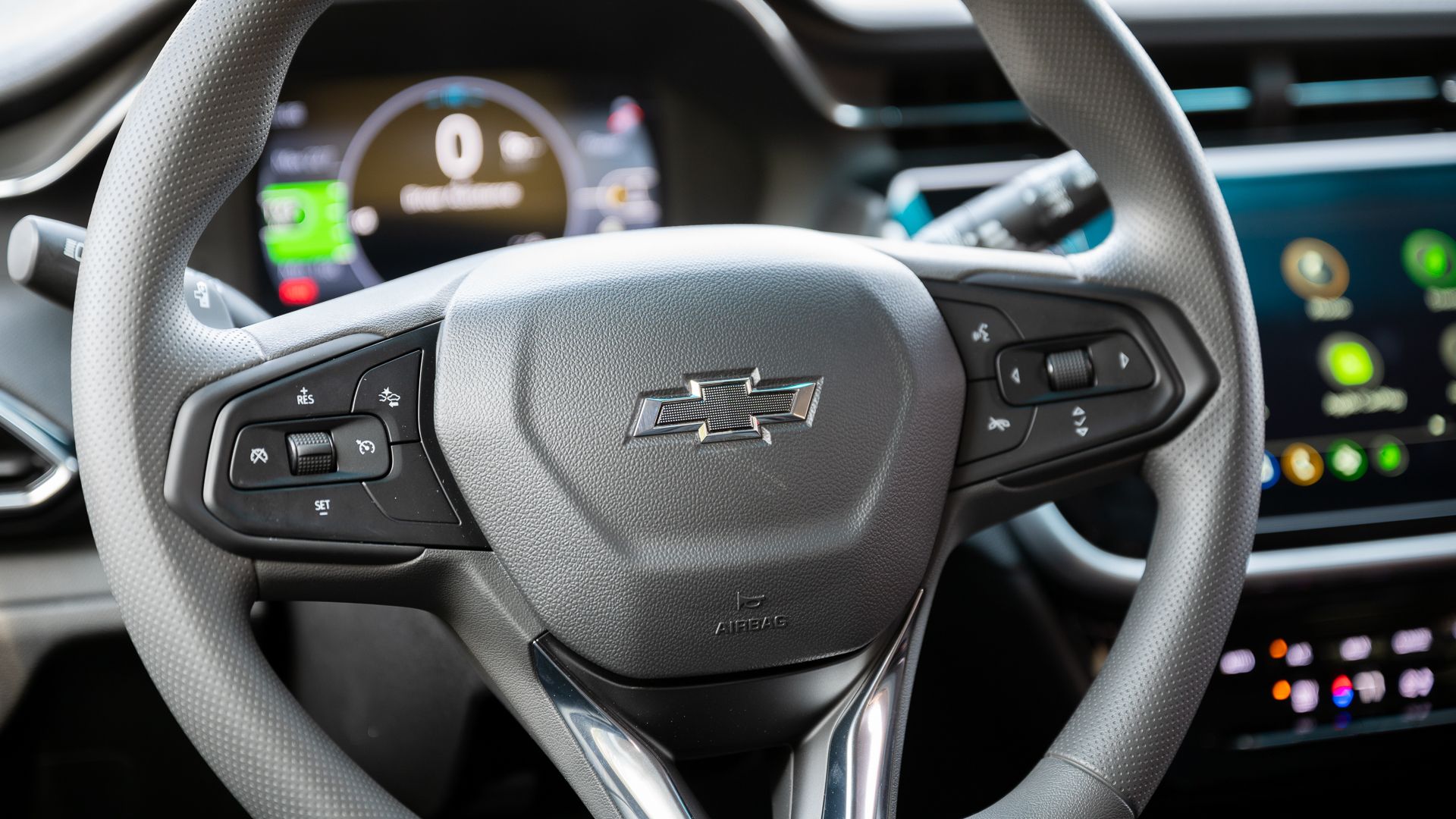
GM is launching a redesigned infotainment system for the 2027 Chevy Silverado and GMC Sierra that integrates Apple CarPlay and Android Auto via a split-screen layout, reversing its previous stance against phone mirroring in favor of a coexistence model.
General Motors is retaining Apple CarPlay and Android Auto support in the 2027 Cadillac Lyriq, reversing its previous policy of removing these features from electric vehicles. This move follows customer feedback indicating that the absence of phone mirroring was a deal-breaker for luxury EV buyers. While GM continues to phase out CarPlay in other models like the Chevrolet Blazer EV in favor of its own Android Automotive-based system, the Lyriq exception highlights the tension between manufacturer control and consumer demand for consistent interfaces. Apple’s CarPlay Ultra offers a deeper integration alternative, but adoption remains limited to Aston Martin, with Hyundai and Kia only hinting at future support. The shift underscores that while automakers seek data control and native integration, driver preference for familiar smartphone ecosystems remains a critical sales factor.
Google is replacing the in-car Assistant in Google-built cars with Gemini through an over-the-air update, enabling natural voice conversations, contextual navigation via Maps, and the ability to access Gmail, Calendar, and Google Home data from the driver’s seat; the upgrade starts in English for the US market and rolls out to current vehicles once you’re signed into your Google account, with Gemini Live offering more fluid on-the-go dialogue and EV battery status integration depending on the car.
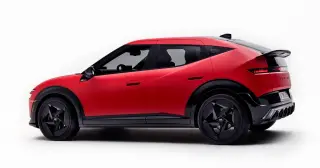
Hyundai unveiled the Ioniq 3, a compact urban EV designed as an Aero Hatch with a 0.263 drag coefficient, offering 214 miles (Standard Range) or 308 miles (Long Range) WLTP on its 400-volt E-GMP platform. It uses a 107.8 kW motor (about 147 PS), reaches 106 mph, and can charge from 10–80% in about 29 minutes on DC fast charging (AC up to 22 kW). Inside, Pleos Connect based on Android Automotive drives a 12.9–14.6-inch infotainment setup, with ample cabin space, Megabox storage, V2L, and standard driver-assist features. Europe sales start in September at around £25,000; production is in Turkey, with no confirmed US launch yet. It competes with VW ID.3, Kia EV2/EV3, Volvo EX30, and BYD Dolphin, amid BYD Blade 2.0 charging advances that could influence charging times and networks.
Google plans a more capable Android Automotive OS (AAOS) for software-defined vehicles, letting embedded Google software interact with non-safety car systems and deliver features faster via OTA updates. The move aims to reduce software fragmentation across brands, with AAOS SDV open-sourced later this year and initial participation from Renault and Qualcomm, while automakers like Volvo, BMW, VW, and Rivian already use AAOS in some form; safety-critical systems remain managed separately.
Google Maps on Android Automotive is introducing a new live lane guidance feature for the Polestar 4, utilizing AI and the vehicle's front-facing camera to analyze road signs and lane markings in real-time, providing drivers with audio and visual cues to improve navigation and safety. This feature aims to reduce missed exits and last-minute lane changes, initially available in the US and Sweden, with plans to expand to more vehicles and road types.
Snapp Automotive introduces "SnappOS," a customized take on Android Automotive with a "Dynamic Theming" engine built with JetPack Compose, allowing for in-depth and impressive themes to be created and changed on the fly. The theming can be adjusted from a user's phone without disrupting the in-car UI, and can also adapt based on the car's activity. SnappOS aims to accelerate the adoption of Android Automotive for carmakers and third-party hardware producers, while still integrating with Google's services.
Ford has unveiled its new "Ford and Lincoln Digital Experience" powered by Android Automotive, which will be available in 2024 vehicles starting this month. The system allows users to download apps and games from the Google Play Store, access Google apps, Maps, and Assistant, as well as use Amazon's Alexa and Prime Video. Ford emphasizes the ability to update apps independently of the whole operating system, and some premium models will feature a 48-inch widescreen display. The new experience will debut in the 2024 Lincoln Nautilus and expand to more vehicles throughout the year.
Ford has unveiled its new in-car operating system built on the Android Automotive OS, featuring a massive 48-inch curved display with 4K graphics and personalization options. The system, set to debut in the 2024 Lincoln Nautilus, offers modularity and 5G connectivity, aiming to compete with tech-forward rivals like Tesla. Despite concerns about driver distraction, Ford emphasizes safety and customization, while also incorporating video streaming, gaming, and web browsing features for parked vehicles. The company's approach to digital interfaces seeks to balance user-friendly design with the transition to screen-based controls in modern cars.
Google announces updates for Android Auto and Android Automotive at CES 2024, including deeper integration for electric vehicles with real-time battery information in Google Maps, a new Chrome app for Android Automotive, and the ability to send trips planned on a phone to the car's Google Maps app. The updates also include new apps like PBS Kids and Crunchyroll, and the expansion of Cars with Google built-in to include Nissan, Ford, Lincoln, and potentially Porsche. Additionally, Android's digital car key support is rolling out to select Volvo cars and will expand to more phone and car brands in the future.
Microsoft Teams is set to join Android Auto in February, allowing users to join meetings and make calls from their infotainment head unit. While initial features focus on audio calls, there's no news on messaging support yet. This expansion of Android Auto beyond media and navigation apps follows the addition of other services like Zoom and Webex. With car manufacturers increasingly integrating Android Auto, the platform continues to grow in popularity.
Google is rolling out new updates for Android-equipped cars, including integrations with Zoom and Cisco's WebEx for virtual meetings, as well as adding Prime Video, Vivaldi browser, and The Weather Network to the app repository. The company is also releasing digital car key support for select Hyundai, Genesis, and Kia models, allowing users to unlock, lock, and start their cars with their phones. More apps and integrations are expected in the future.
Polestar has released its 15th over-the-air software update, P2.9, which includes YouTube for the first time, allowing Polestar 2 owners to watch streaming video while charging their vehicles. The update also includes an updated version of Apple CarPlay, which can project Apple Maps onto the instrument cluster, offering a preview of what Apple's next-generation version of CarPlay may look like. Polestar is one of a handful of automakers that use Android Automotive, Google's native operating system for vehicles. The update also includes an updated Range Assistant app to allow drivers to more accurately monitor their energy usage.
General Motors will phase out Apple CarPlay and Android Auto in its future electric vehicles (EVs) and shift to built-in infotainment systems that use Google's Android Automotive platform. The move will allow GM to capture more data from consumers on how they drive and charge EVs, and optimize the routing and charging experience for EV customers. The 2024 Chevrolet Blazer EV will be the first to feature the new system, which will offer new content, features, and services such as EV routing based on real-time vehicle sensor data and locating charging stations. GM's internal combustion engine vehicles will retain Apple CarPlay and Android Auto technologies.
General Motors plans to ditch CarPlay and Android Auto on its upcoming electric vehicles, starting with the Chevy Blazer EV. Instead, GM will use Google's newer "Android Automotive OS" developed specifically for electric vehicles. This move is similar to what we're seeing from Tesla and Rivian. Reports suggest those who buy a new GM EV will get Google Maps, Google Assistant, voice assistant commands, and more, free for eight years.