Tag

Language Evolution

All articles tagged with #language evolution

Campfire flicker may have sparked the evolution of human language
science1 month ago

Campfire flicker may have sparked the evolution of human language

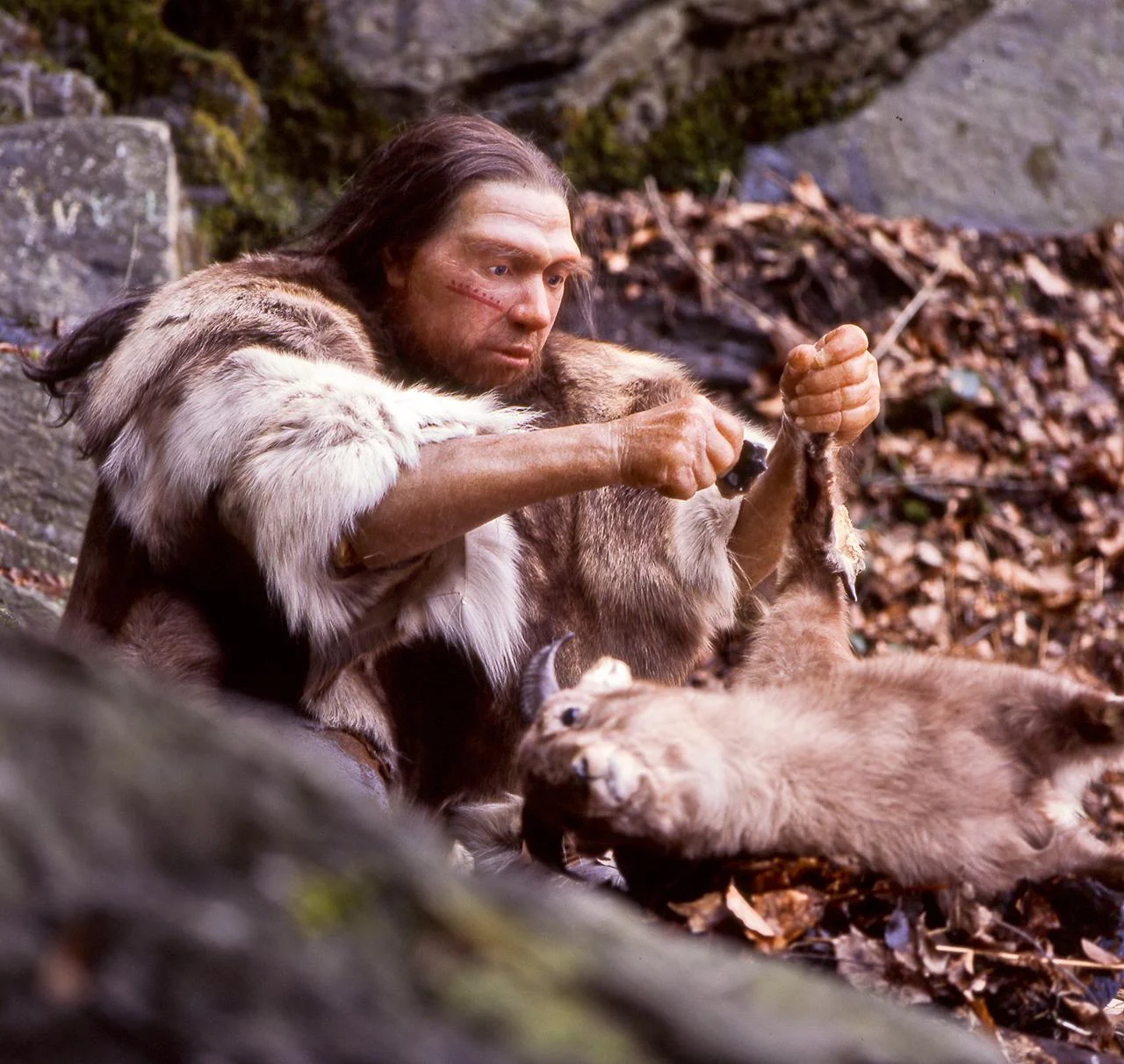
New research suggests that campfire light, by its flicker and blue spectrum, helped shift human communication from gestures to spoken language. The unpredictable flame makes gestures hard to follow, encouraging speech, while the blue light can extend social time without severely disrupting sleep. The observed fire flicker rate (~1.4–2.7 Hz) may align with brain rhythms linked to attention and memory, potentially synchronizing listeners and storytellers. The authors propose experiments to test whether firelight rhythms influence storytelling cadence and neural alignment; the work was published in Proceedings of the Royal Society B.

Sperm Whale Codas Reveal Human-Like Phonology
science5 months ago

Sperm Whale Codas Reveal Human-Like Phonology

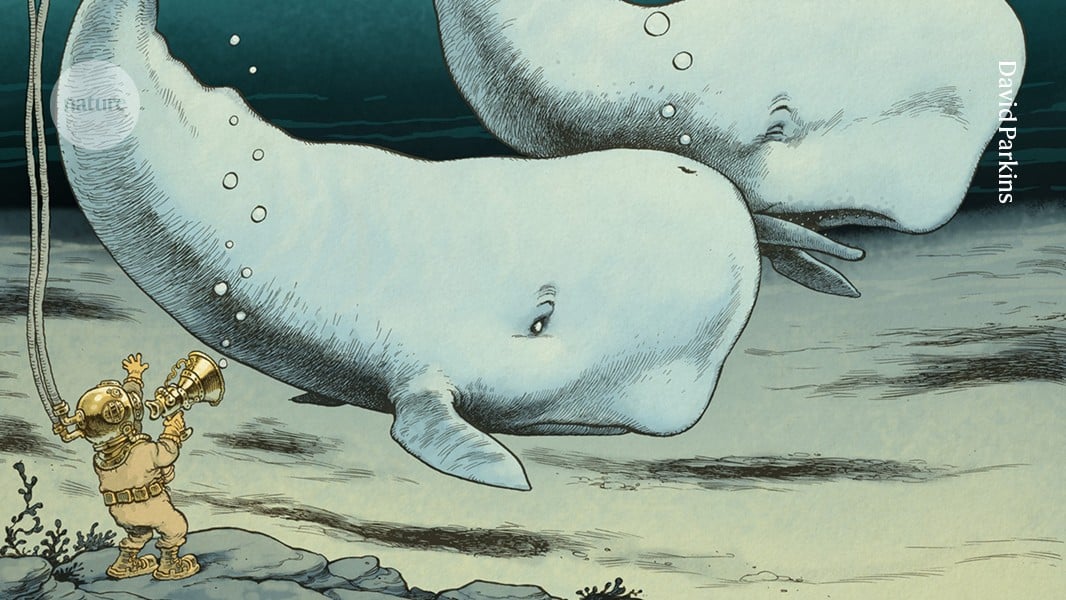
New analysis of 3,948 sperm whale codas from 15 individuals finds two formant-based coda types (a-codas and i-codas) with timing and contextual rules resembling human phonology, indicating a highly structured communication system that stops short of being language. Project CETI frames this as a major step toward decoding whale speech and understanding language evolution.

Gender-Neutral Pronoun Could Enable Typing New Chinese Characters
culture9 months ago

Gender-Neutral Pronoun Could Enable Typing New Chinese Characters

A new gender-neutral Chinese pronoun, represented by the character X也, has been added to Unicode, potentially allowing easier typing and broader recognition for non-binary individuals in Chinese-speaking communities, marking a significant step in linguistic and cultural acknowledgment amidst ongoing LGBTQ+ rights challenges in regions like Hong Kong and China.

Lead Exposure Impacted Brain and Language Development in Early Humans and Neanderthals
science11 months ago

Lead Exposure Impacted Brain and Language Development in Early Humans and Neanderthals

A study suggests that natural lead exposure over two million years ago may have influenced brain and language development in early humans and Neanderthals, with modern humans potentially evolving genetic adaptations that protected against lead's toxic effects, thereby enhancing communication and survival.

Is Using 'Like' Acceptable Now?
culture1 year ago

Is Using 'Like' Acceptable Now?

The article discusses the evolving use of the word 'like,' once heavily stigmatized, now becoming more accepted as millennials and younger generations dominate the workforce. It highlights how 'like' functions as a versatile tool in communication, helping to express feelings, soften statements, and facilitate storytelling, despite lingering social stigmas rooted in stereotypes and gendered language policing.

Unveiling the Surprising History of Speech in 'The Origin of Language' Review
science1 year ago

Unveiling the Surprising History of Speech in 'The Origin of Language' Review

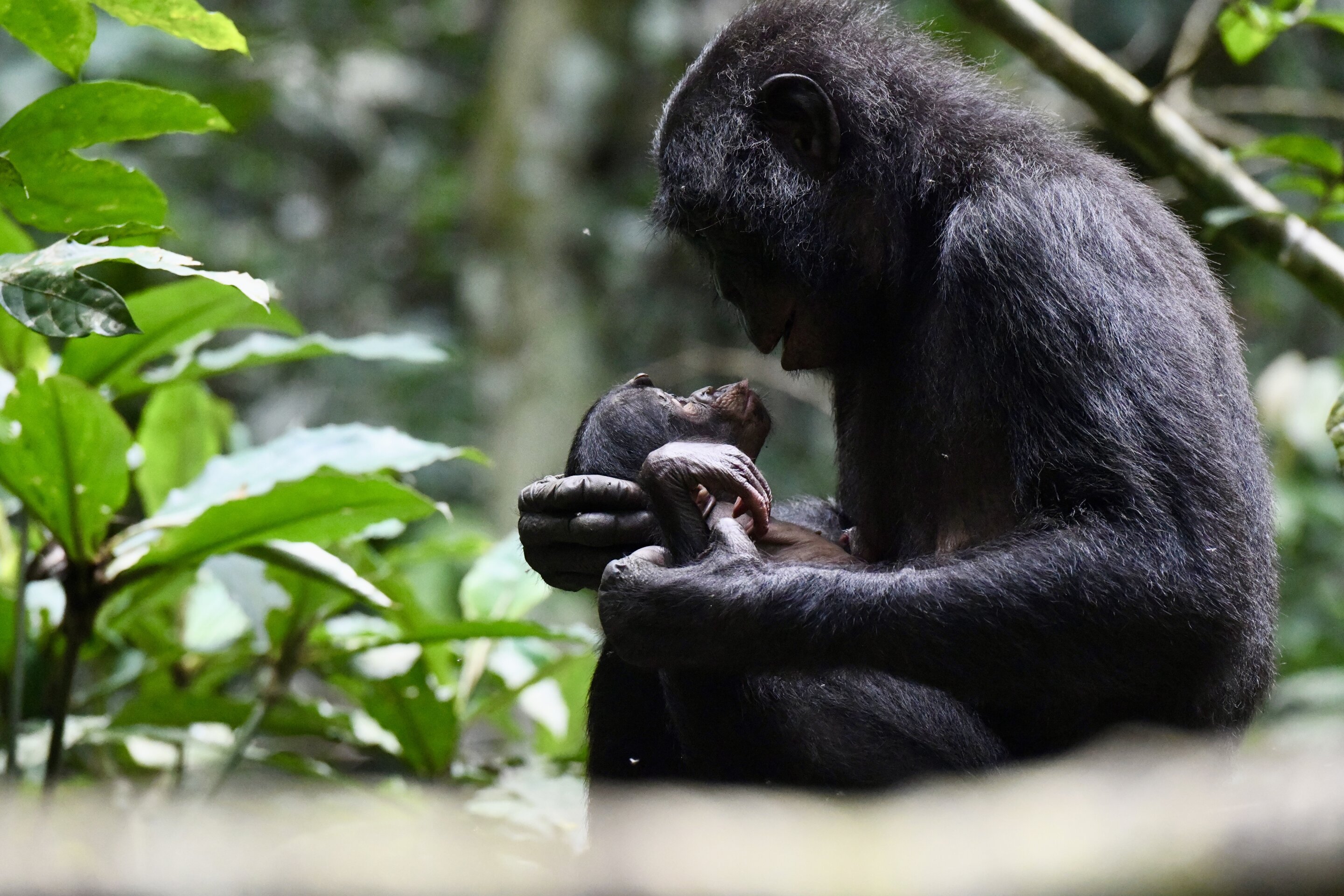
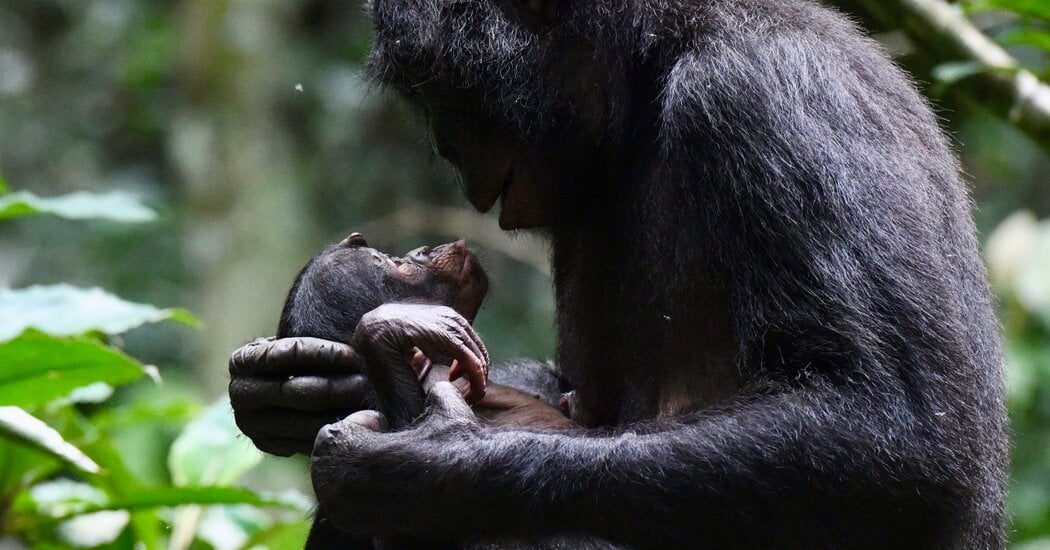
Madeleine Beekman proposes that language evolved alongside cooperative childcare in early humans, driven by the need for social coordination in caring for helpless infants, with evidence from anatomical changes and social behaviors, challenging previous male-centric theories and emphasizing the role of alloparents and social groups.

Study Reveals Global Sound-Shape Associations: R is Jagged, L is Smooth
science1 year ago

Study Reveals Global Sound-Shape Associations: R is Jagged, L is Smooth

A study from the University of Birmingham reveals a strong cross-cultural association between the trilled R sound and rough textures or jagged shapes, and the L sound with smooth textures or straight lines. This pattern was observed in 94% of participants for the R sound and 84% for the L sound across 28 languages, surpassing the bouba/kiki effect in consistency. The findings suggest these sound-symbolic associations may have influenced language evolution, making trilled R sounds common despite their articulation difficulty.

"79-Year Study Tracks Evolution of Mental Health Terminology"
mental-health2 years ago

"79-Year Study Tracks Evolution of Mental Health Terminology"

A study analyzing 340,000 texts from 1940-2019 reveals a shift in mental health terminology from "disease" and "disturbance" to "mental health" and "psychiatric," with "mental illness" now the most-used term, reflecting growing recognition of mental health issues. Further research is needed to understand the impact of these terms on those experiencing mental ill health.

"Antarctic Scientists Develop Unique Accent After Six Months of Isolation"
science-and-research2 years ago

"Antarctic Scientists Develop Unique Accent After Six Months of Isolation"

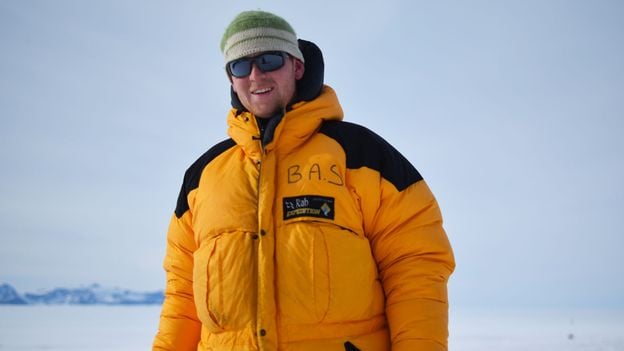
Scientists and support staff isolated in Antarctica for six months began to develop their own accent, as revealed by an experiment tracking their voices over time. The researchers, representing a diverse mix of nationalities, found subtle changes in their pronunciation, shedding light on how accents and dialects diverge when groups of people become isolated. This phenomenon mirrors the development of new dialects and accents in multicultural cities, and provides insights into the evolution of language.