Tag

Antarctic Circumpolar Current

All articles tagged with #antarctic circumpolar current

Winds and continental drift unlocked the Antarctic Circumpolar Current
science1 day ago

Winds and continental drift unlocked the Antarctic Circumpolar Current

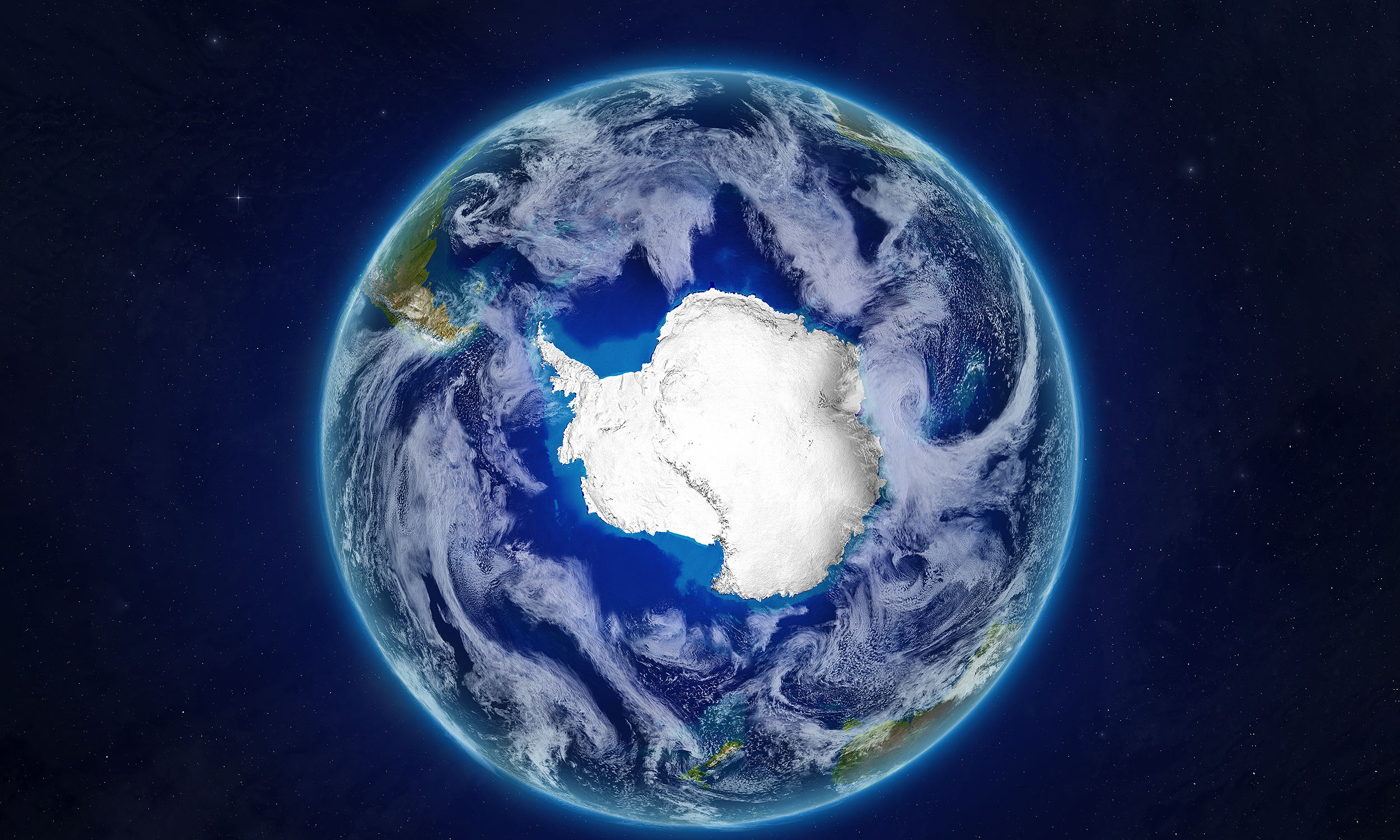
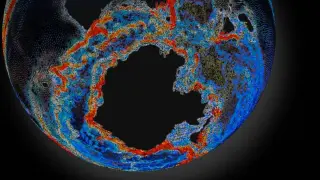
New simulations show the Antarctic Circumpolar Current formed around 34 million years ago only after Australia moved north and strong westerlies blew through the Tasman Gateway, aided by a CO2 drop from ~1,000 to ~600 ppm and Antarctic isolation. Once fully developed, the ACC helped stabilize global climate by linking ocean basins and keeping warmer waters away from the ice sheets. Today, climate warming may push the current southward and slow it by about 20% by 2050, risking biodiversity and ice-sheet stability.
"Rapidly Strengthening Antarctic 'Super Vortex' Threatens Global Climate Stability"
science2 years ago

"Rapidly Strengthening Antarctic 'Super Vortex' Threatens Global Climate Stability"

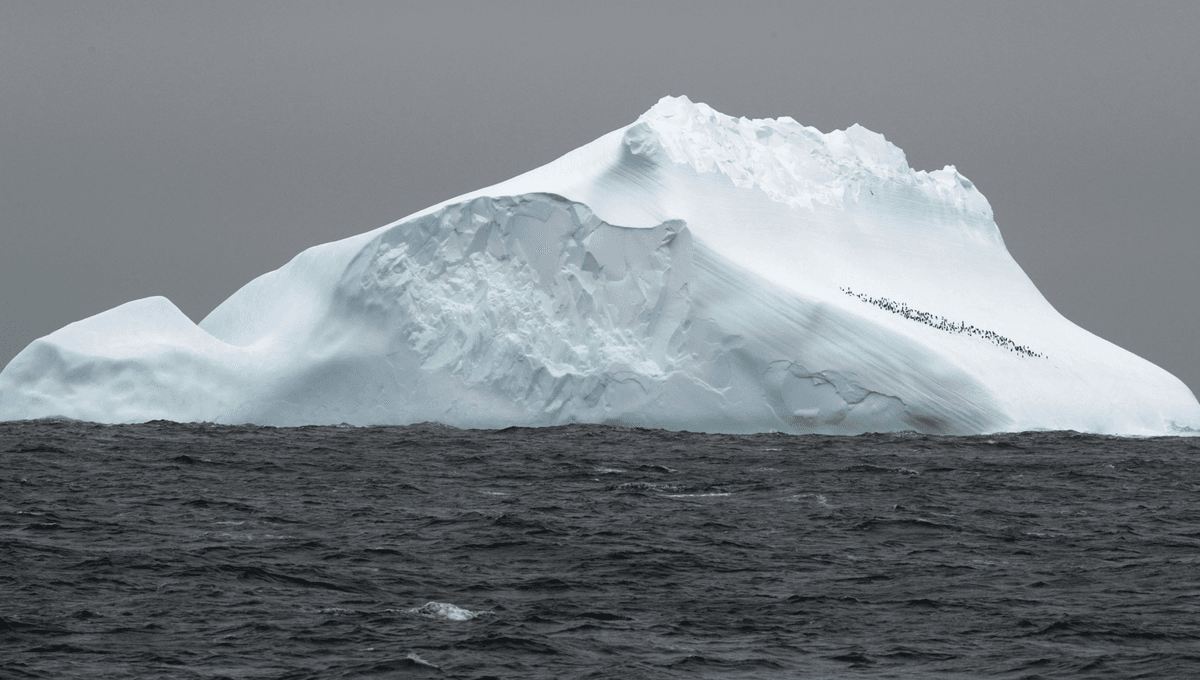
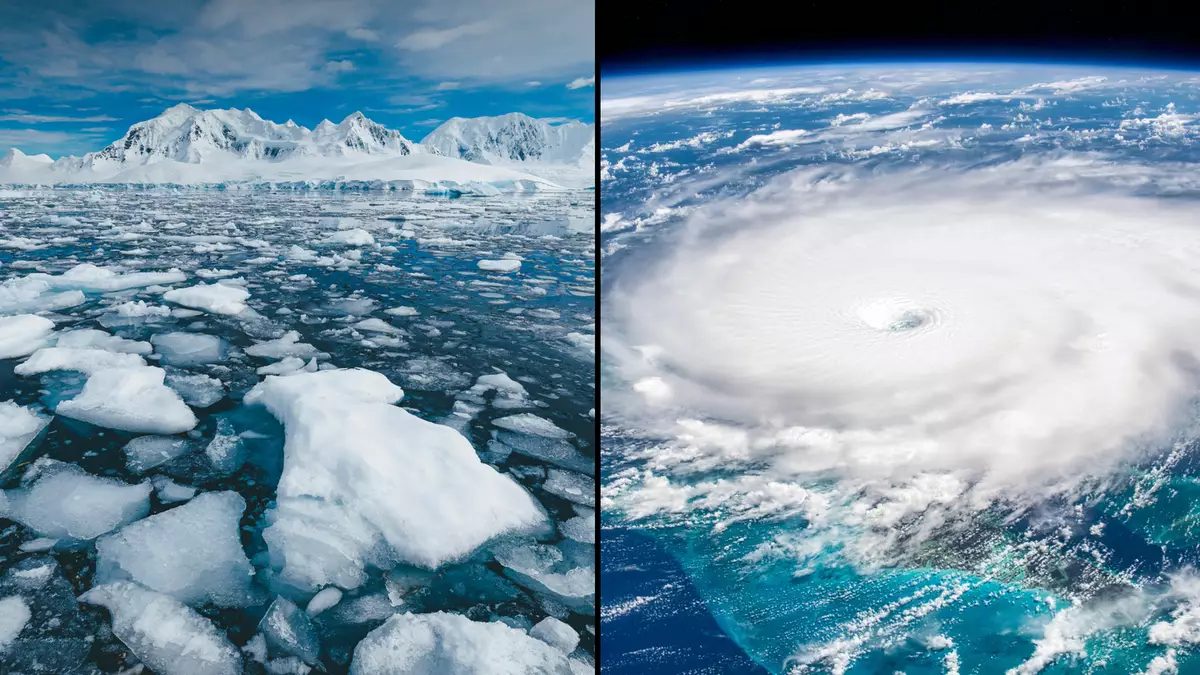
New scientific research warns of a rapidly accelerating Antarctic Circumpolar Current (ACC) due to global warming, potentially contributing to rising sea levels as Antarctica's ice melts. The ACC, a massive vortex of ocean water, has been linked to the Earth's climate system and its speed is believed to be affecting the West Antarctic Ice Sheet. Sediment samples from the ocean floor indicate that the ACC's fast-flow periods align with times of glacier ice shrinkage, highlighting the impact of climate change on Antarctica's fate.

"Escalating Impact: The Accelerating Strength of the Antarctic Circumpolar Current"
environment2 years ago

"Escalating Impact: The Accelerating Strength of the Antarctic Circumpolar Current"

The Antarctic Circumpolar Current (ACC), the strongest ocean current on Earth, is speeding up due to human-caused warming, potentially leading to further destabilization of the West Antarctic Ice Sheet and significant sea-level rise. The ACC plays a crucial role in regulating the global climate, carbon sequestration, nutrient distribution, biodiversity support, and global ocean circulation. Its acceleration has direct implications for melting Antarctica's ice shelves and the Earth's carbon cycle, highlighting the urgent need to address climate change and its impact on ocean currents.

"Unveiling the Warning Signs: Antarctic Circumpolar Current's History and Climate Change"
science2 years ago

"Unveiling the Warning Signs: Antarctic Circumpolar Current's History and Climate Change"

Scientists have uncovered a 5.3 million-year history of the Antarctic Circumpolar Current (ACC) using sediment cores, revealing its relationship to natural climate swings. The current's speed has been found to correlate with Earth's temperature, slowing down during cold periods and gaining speed in warm ones, potentially hastening the wasting of Antarctica's ice and increasing sea levels. The study suggests that the current's recent speedup is linked to human-induced warming and could have negative consequences, such as affecting the ocean's ability to absorb carbon from the atmosphere.

Unveiling the Secrets of the Antarctic Ocean Floor: Ancient Volcanoes and Strong Currents Mapped
science-and-environment2 years ago

Unveiling the Secrets of the Antarctic Ocean Floor: Ancient Volcanoes and Strong Currents Mapped

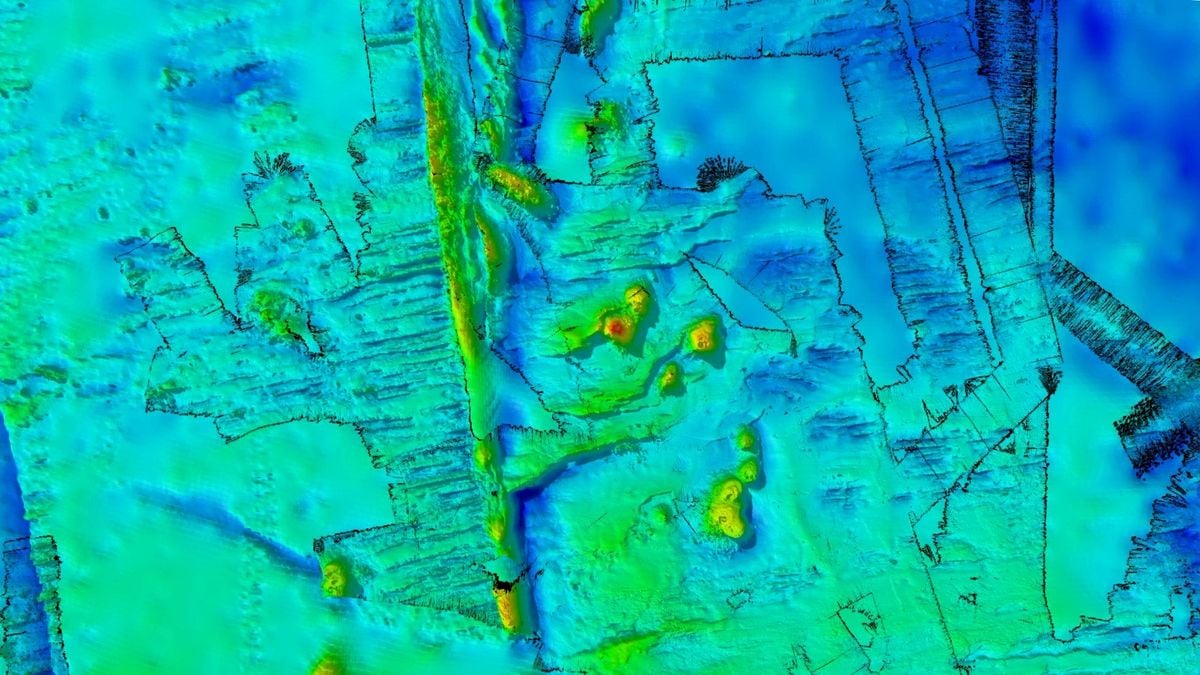
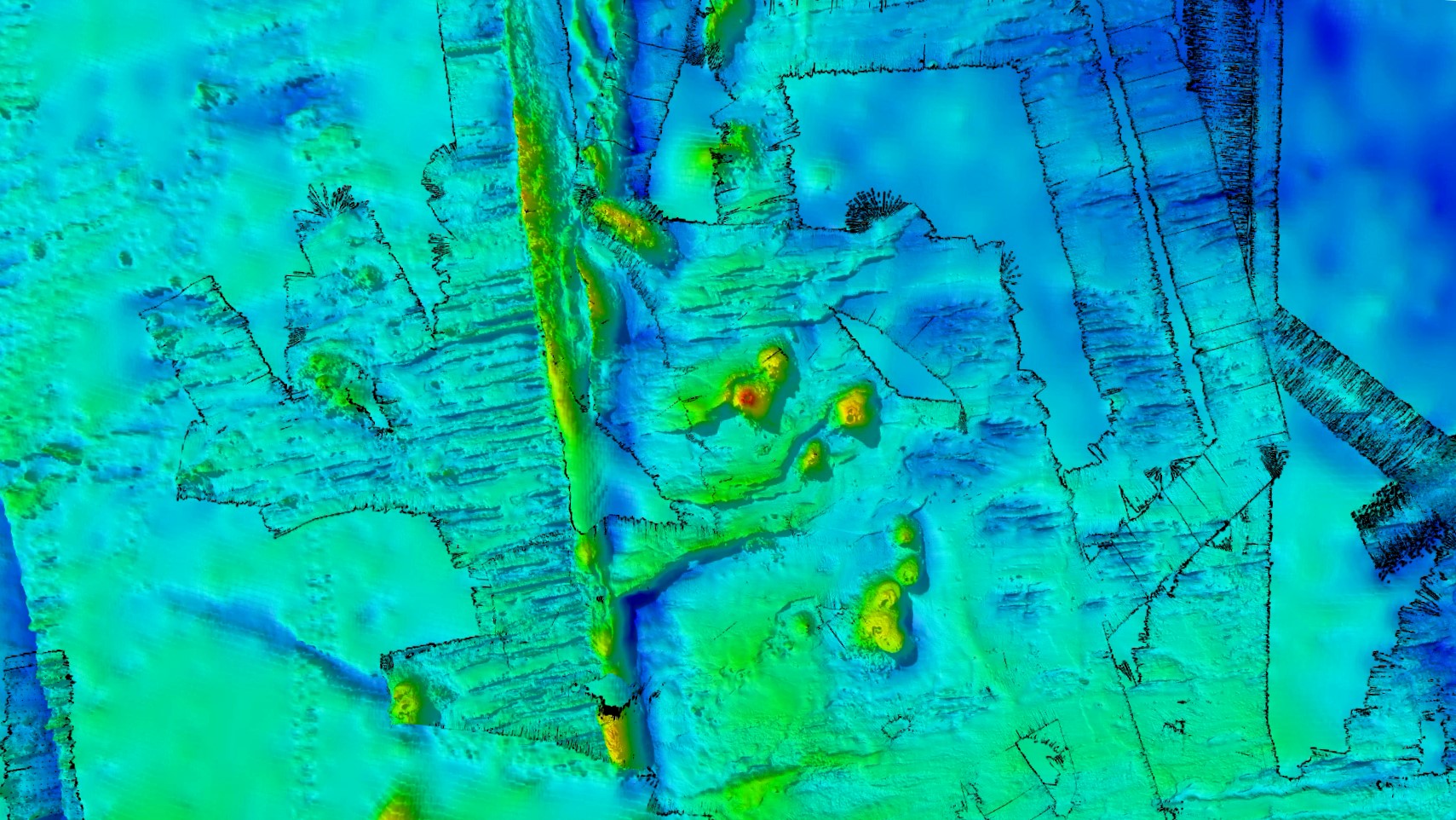
High-resolution maps of the seafloor in the Southern Ocean have revealed a chain of underwater volcanoes that may be influencing ocean currents and contributing to ice melt and sea level rise in Antarctica. The volcanoes, located 13,000 feet below the waves, are in the path of the Antarctic Circumpolar Current, which acts as a barrier to keep Antarctica frozen. The new maps could help predict how the leak in the barrier will evolve as oceans warm due to climate change. Mapping the Southern Ocean will provide insights into ice melt and sea level rise in Antarctica.

Unveiling Earth's Hidden Mountain Range in the Strongest Ocean Current
science2 years ago

Unveiling Earth's Hidden Mountain Range in the Strongest Ocean Current

An ancient mountain range, including eight dormant underwater volcanoes, has been discovered in the Southern Ocean above the world's strongest ocean current. The discovery was made by researchers studying the Antarctic circumpolar current to understand its impact on rising sea levels. The underwater mountain range, located between Tasmania and Antarctica, lies 13,100 feet below the surface and likely formed 20 million years ago. The findings are crucial for understanding ocean dynamics and the role of seafloor features in influencing the current's flow and heat transfer. The discovery was made possible by high-resolution satellite imaging of the seafloor.