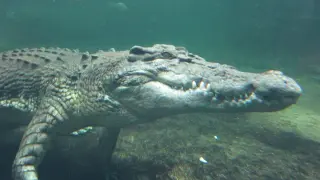
New fossil analysis suggests crocodilian ancestors were warm-blooded until 66 million years ago, later reverting to cold-blooded metabolism to survive as aquatic ambush predators.
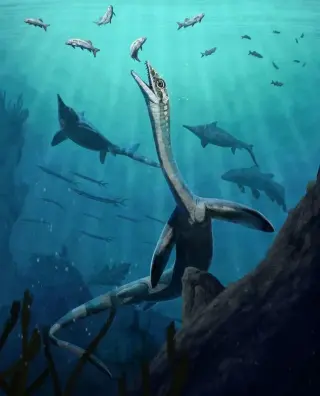
A 245-million-year-old fossil of a small marine reptile named Austronaga minuta, discovered in China, preserves its stomach, liver, and intestines, offering the oldest known evidence of a reptile's internal organs.
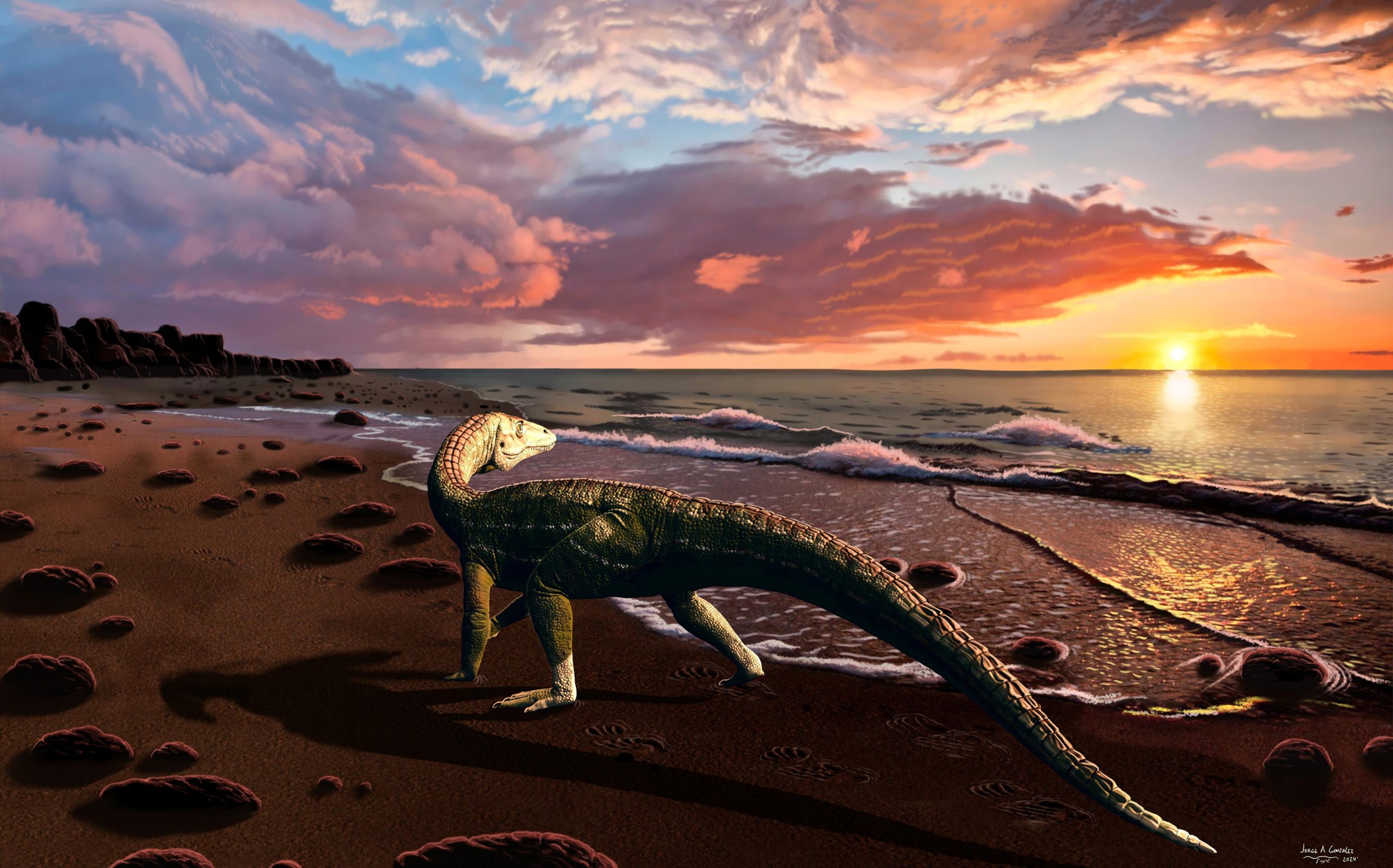
A new species of extinct crocodile relative, Benggwigwishingasuchus eremicarminis, has been discovered in Nevada, revealing that pseudosuchian archosaurs inhabited global coastal areas during the Middle Triassic. This finding enriches our understanding of Mesozoic marine ecosystems and suggests that these ancient reptiles achieved significant diversity quickly after the End-Permian mass extinction.
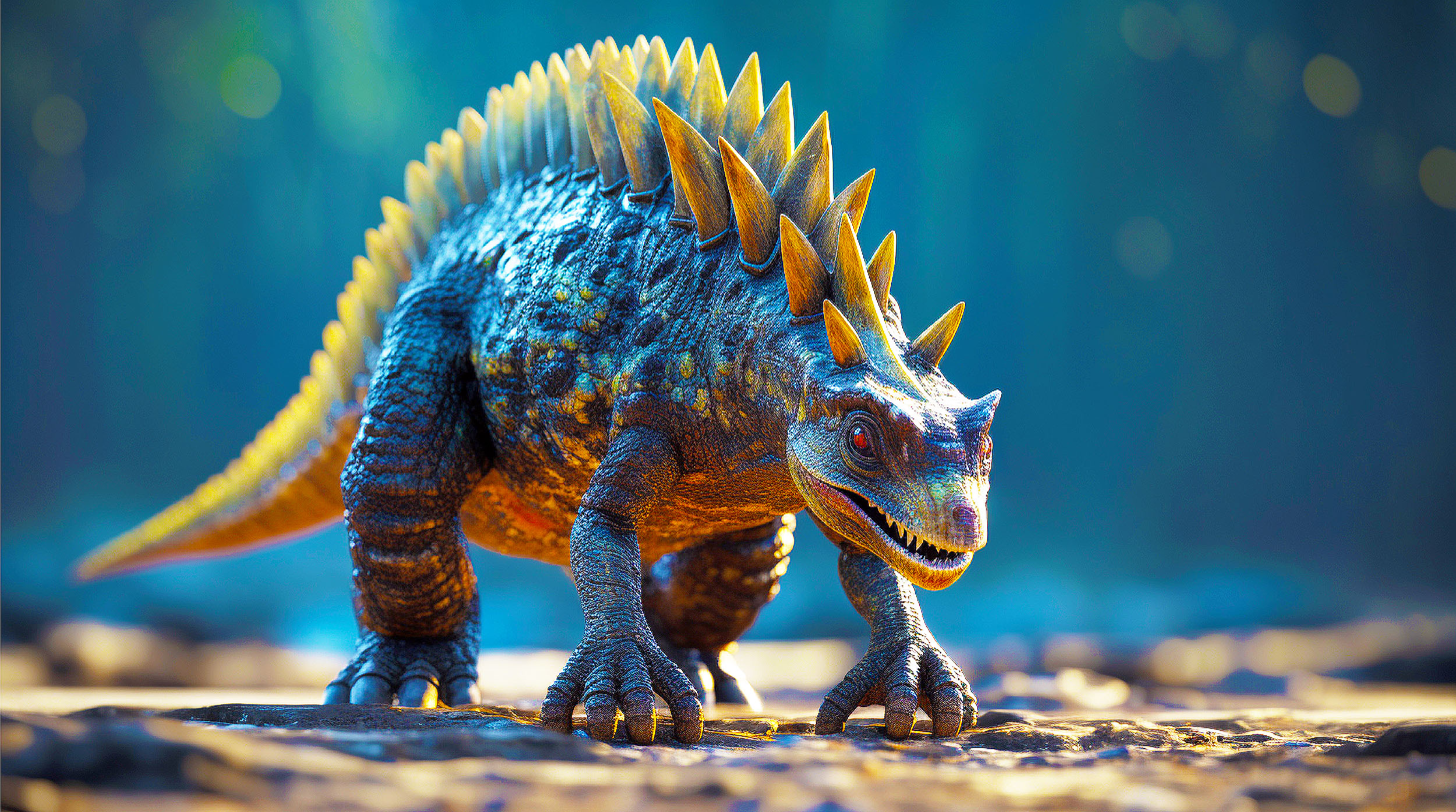
Researchers have discovered a new species of archosaur, Mambachiton fiandohana, which had bony plates along its backbone, indicating that armor was an evolutionary trait that appeared and disappeared multiple times in the lineage of dinosaurs and pterosaurs. The fossil, approximately 235 million years old, was found in Madagascar and is the earliest known member of the bird-line archosaur evolution. This finding sheds light on the evolution of armor in dinosaurs and pterosaurs, showing that it was lost and re-evolved independently in different lineages.