SpudCell: Minnesota researchers unveil a near-life synthetic cell built from nonliving components
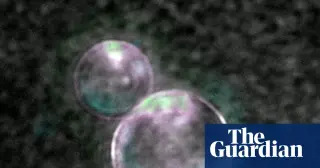
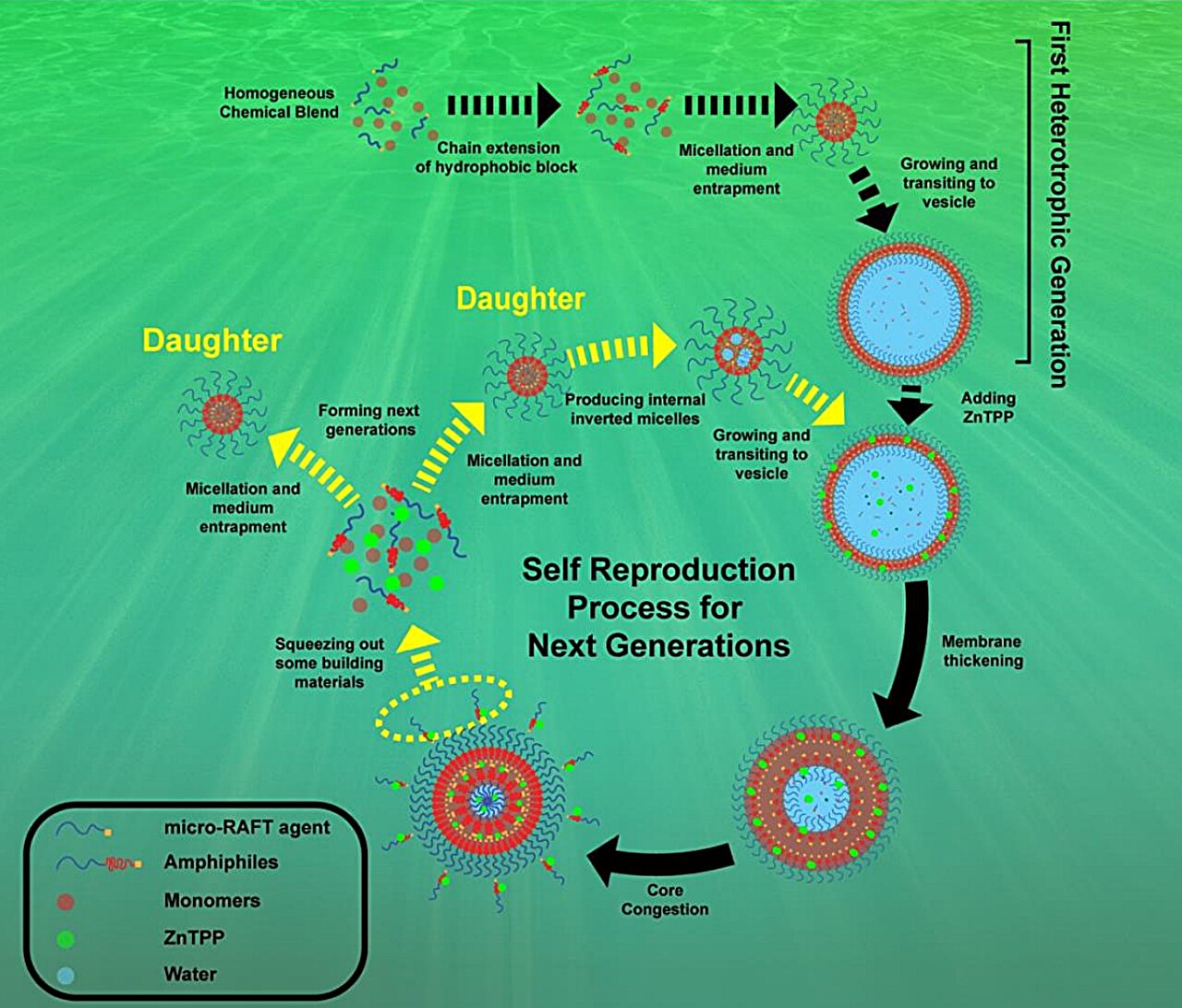
University of Minnesota researchers report the creation of SpudCell, a life-like synthetic cell assembled from nonliving components that can grow, replicate its DNA and divide under lab conditions, featuring a 90,000-base-pair genome. After five generations, only about 30% of daughter cells inherited the complete synthetic genome, underscoring current limits. Published as a bioRxiv preprint (not peer-reviewed), the work marks a milestone toward artificial life but the cells require external nutrients and strict lab conditions and are far from self-sustaining, prompting ongoing biosafety and biosecurity discussions.