Tag

Asteroid Belt

All articles tagged with #asteroid belt

44 Nysa’s Unusual Three-Lobed Shape Challenges Asteroid Formation Models
science3 months ago

44 Nysa’s Unusual Three-Lobed Shape Challenges Asteroid Formation Models

Astronomers have determined that asteroid (44) Nysa, located in the main belt between Mars and Jupiter, possesses a unique three-lobed structure connected by two narrow necks. This shape, observed using the Very Large Telescope and Large Binocular Telescope, differs from previously known bilobed asteroids and suggests either a single object deformed by collisions or a merger of three smaller bodies. The discovery provides new insights into how planetary building blocks formed and evolved in the early solar system.

Dinosaurs, Martians, and a belt-bending blast open Star Trek: Strange New Worlds S4
entertainment4 months ago

Dinosaurs, Martians, and a belt-bending blast open Star Trek: Strange New Worlds S4

Star Trek: Strange New Worlds season 4 kicks off with a pulpy, time-warping mission: the Enterprise travels 65 million years into a Martian past where humans encounter dinosaurs and a Dol’Drm war on a fifth planet that sits where the asteroid belt should be. Cassell steals antimatter to wipe out the Dol’Drm, but the explosion reshapes Mars’ orbit and seeds the belt—an origin-story twist Spock ties to Olbers’ belt theory—raising existential questions about interfering with history. Pike ultimately chooses to let the Martians' assault proceed, suggesting humanity’s existence may hinge on this offbeat voyage. Dinosaurs, Martians and an origin-story twist make it a gleefully bold opener.

Prospector’s Rock Turns Out to Be a 17‑kg Meteorite From the Solar System’s Dawn
science-and-technology4 months ago

Prospector’s Rock Turns Out to Be a 17‑kg Meteorite From the Solar System’s Dawn

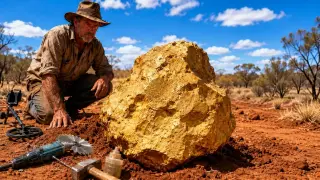
A metal-detecting prospector found a dense reddish rock in Maryborough Regional Park in 2015 that resisted cutting with a saw, acid, drill, and even a sledgehammer. Identified in 2018 by geologists at the Melbourne Museum as a 17‑kilogram ordinary H5 chondrite meteorite dating to about 4.6 billion years ago, it formed at the dawn of the Solar System and likely came from the asteroid belt. Diamond cutting revealed tiny chondrules inside, confirming its extraterrestrial origin and making it rarer than gold.

NASA’s Psyche Spacecraft Resumes Full Propulsion
science1 year ago

NASA’s Psyche Spacecraft Resumes Full Propulsion

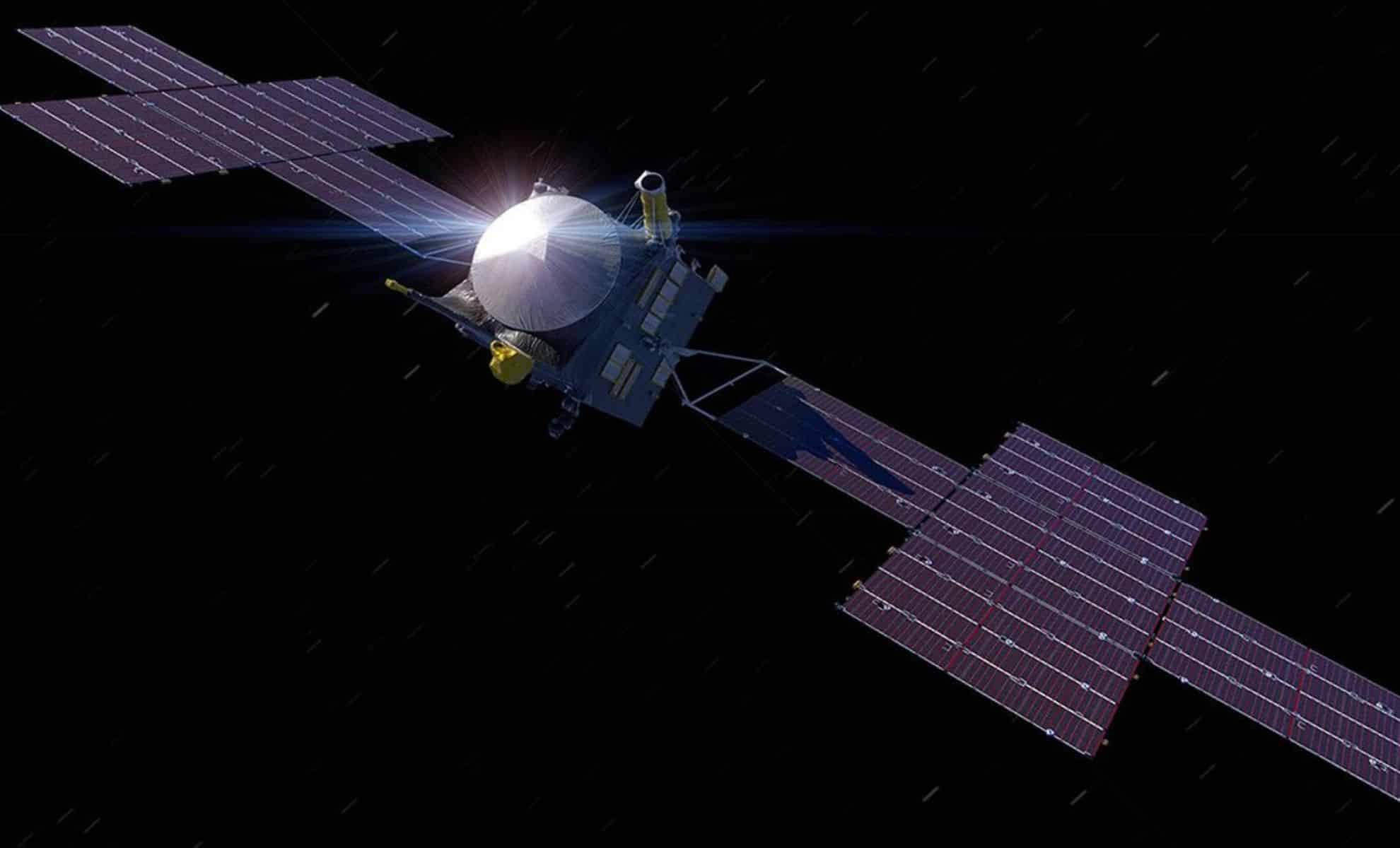
NASA's Psyche spacecraft has resumed full propulsion after a temporary halt caused by a valve issue in its xenon propulsion system, which was successfully rerouted to a backup line. This recovery ensures the mission remains on track for its 2029 arrival at a metal-rich asteroid, with the spacecraft now operating reliably for its planned trajectory and scientific objectives.

Hidden Comet Discovered in Asteroid Belt: Are There More?
science1 year ago

Hidden Comet Discovered in Asteroid Belt: Are There More?

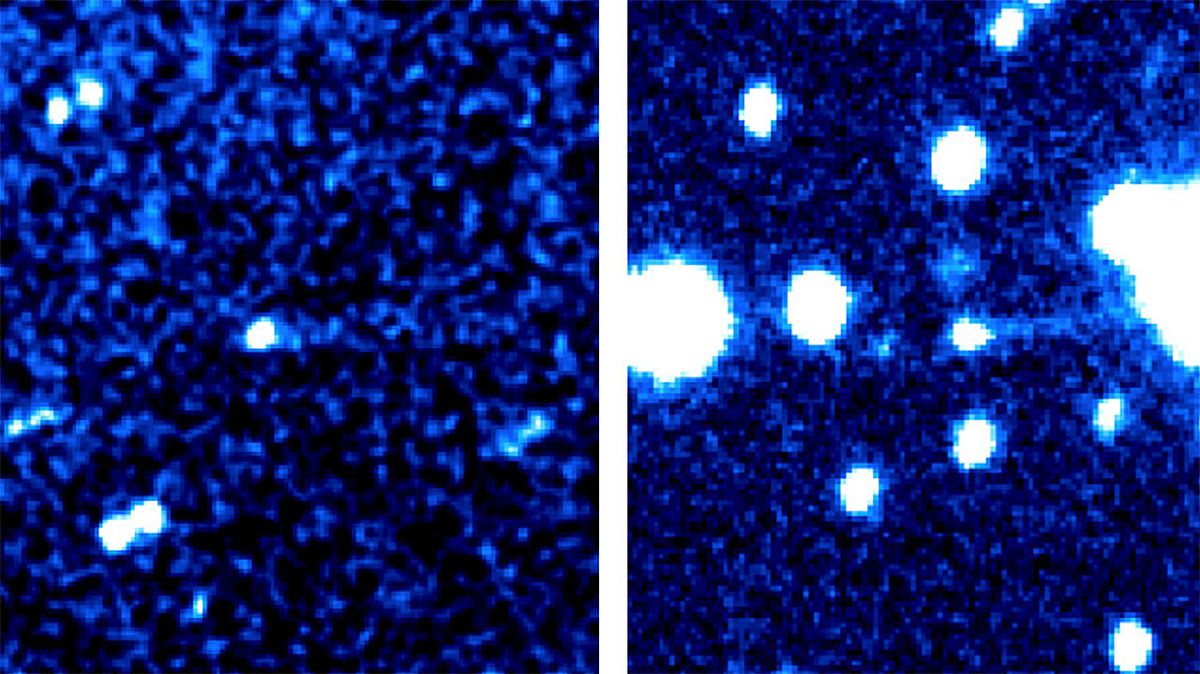
Scientists have discovered a new main-belt comet, 456P/PANSTARRS, in the asteroid belt between Mars and Jupiter, increasing the known count of such objects to 14. Main-belt comets, like 456P, exhibit comet-like activity such as outgassing and forming tails, despite having asteroid-like orbits. This discovery suggests that these comets could provide insights into the early solar system, challenging previous notions about the "snow line" where ice could exist during the solar system's formation.

Organic Material Found on Water-Rich Dwarf Planet Ceres
science2 years ago

Organic Material Found on Water-Rich Dwarf Planet Ceres

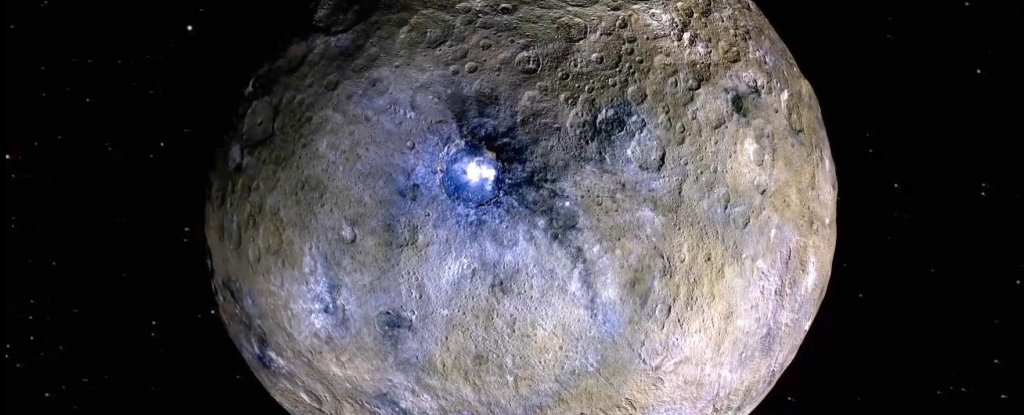
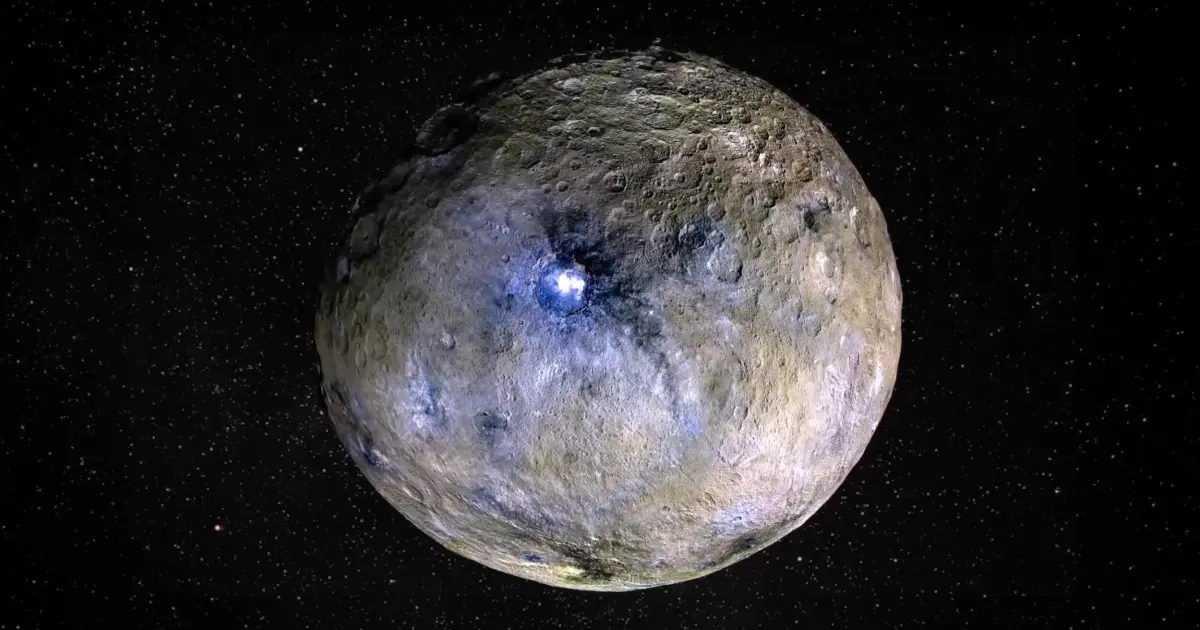
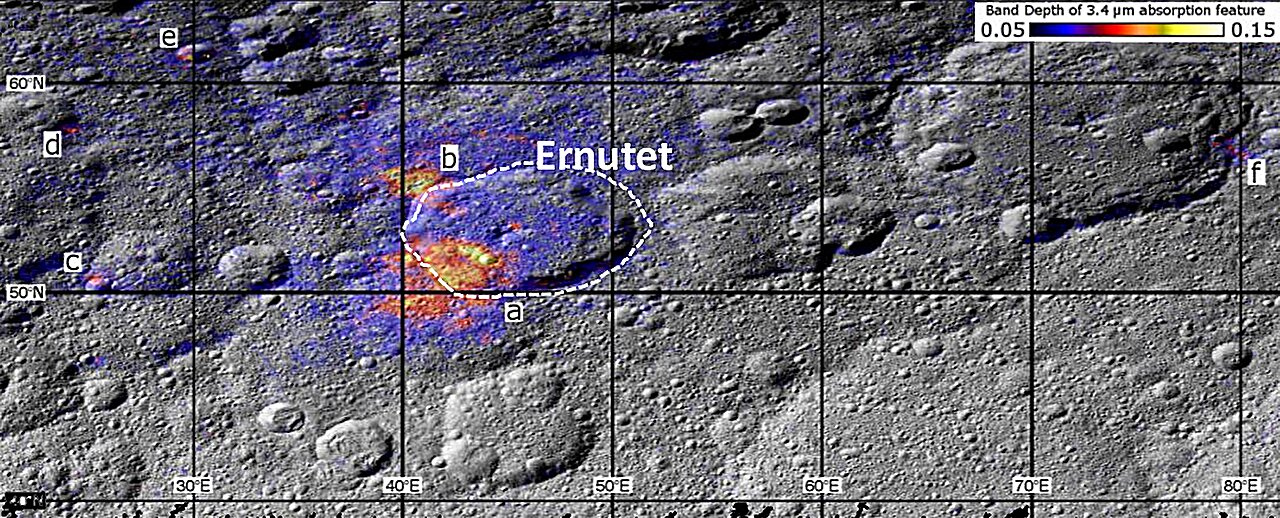
A new study using data from NASA's Dawn spacecraft has identified 11 regions on Ceres, a dwarf planet in the asteroid belt, suggesting the presence of an internal reservoir of organic materials. This discovery challenges previous theories that these materials were delivered by external impacts and instead supports the idea that they may have formed within Ceres. The findings, published in The Planetary Science Journal, highlight Ceres' potential astrobiological significance and its role in future space exploration.