Tag

Asteroid Deflection

All articles tagged with #asteroid deflection

DART Nudge: First Deliberate Change to an Asteroid’s Path
science22 days ago

DART Nudge: First Deliberate Change to an Asteroid’s Path

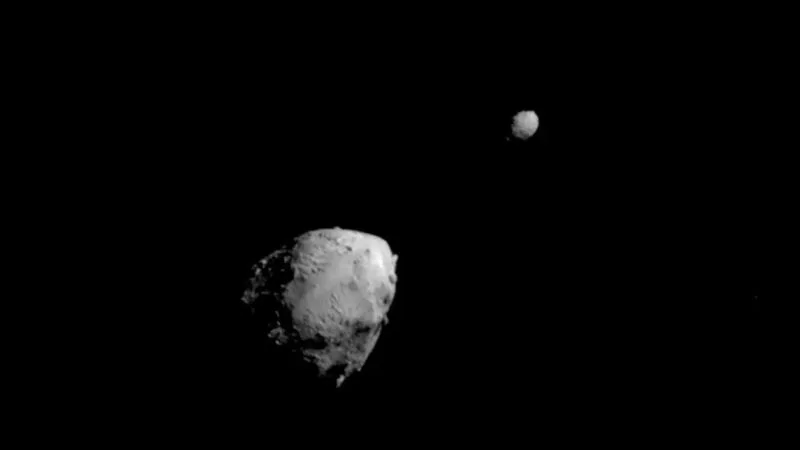
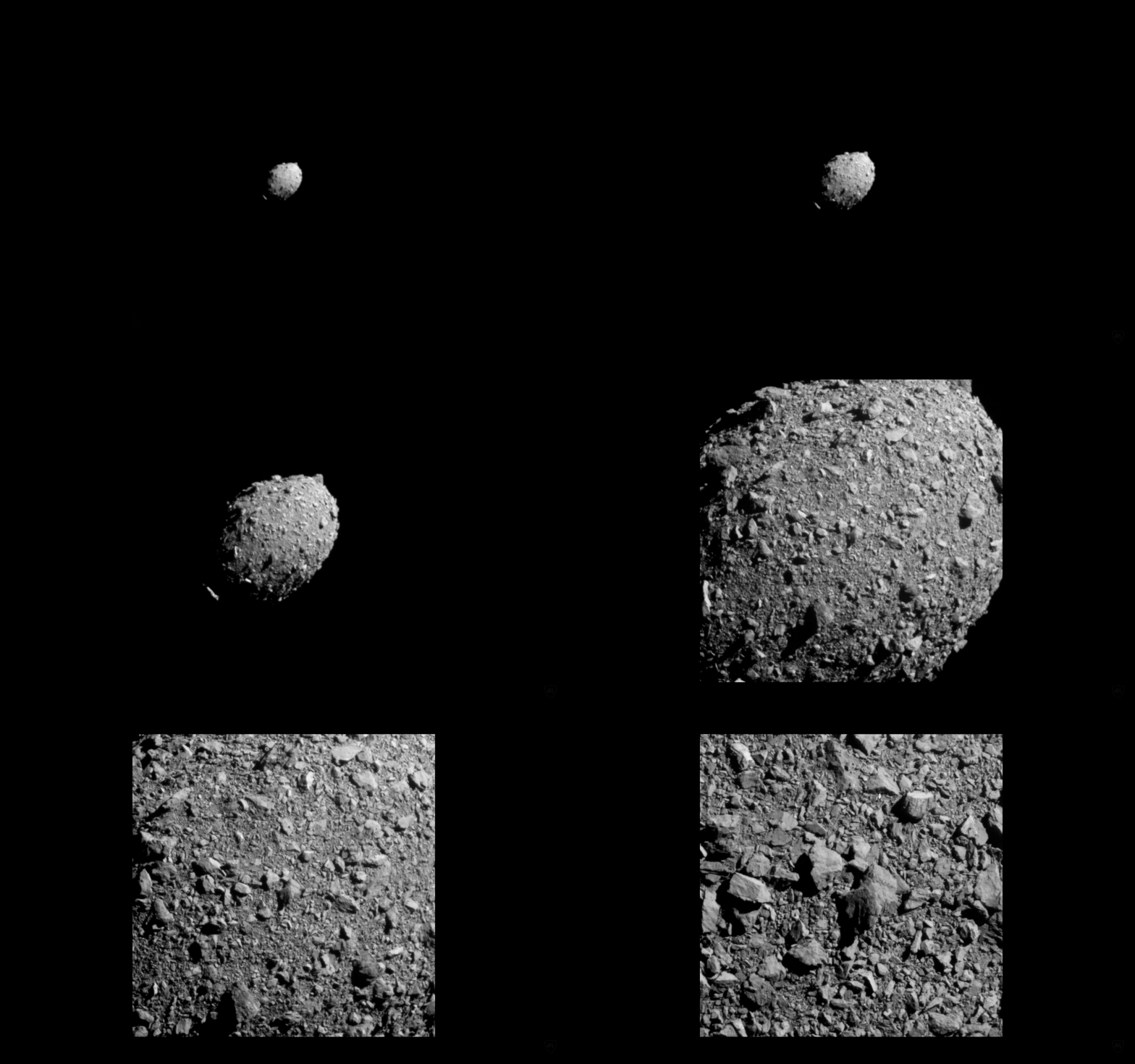
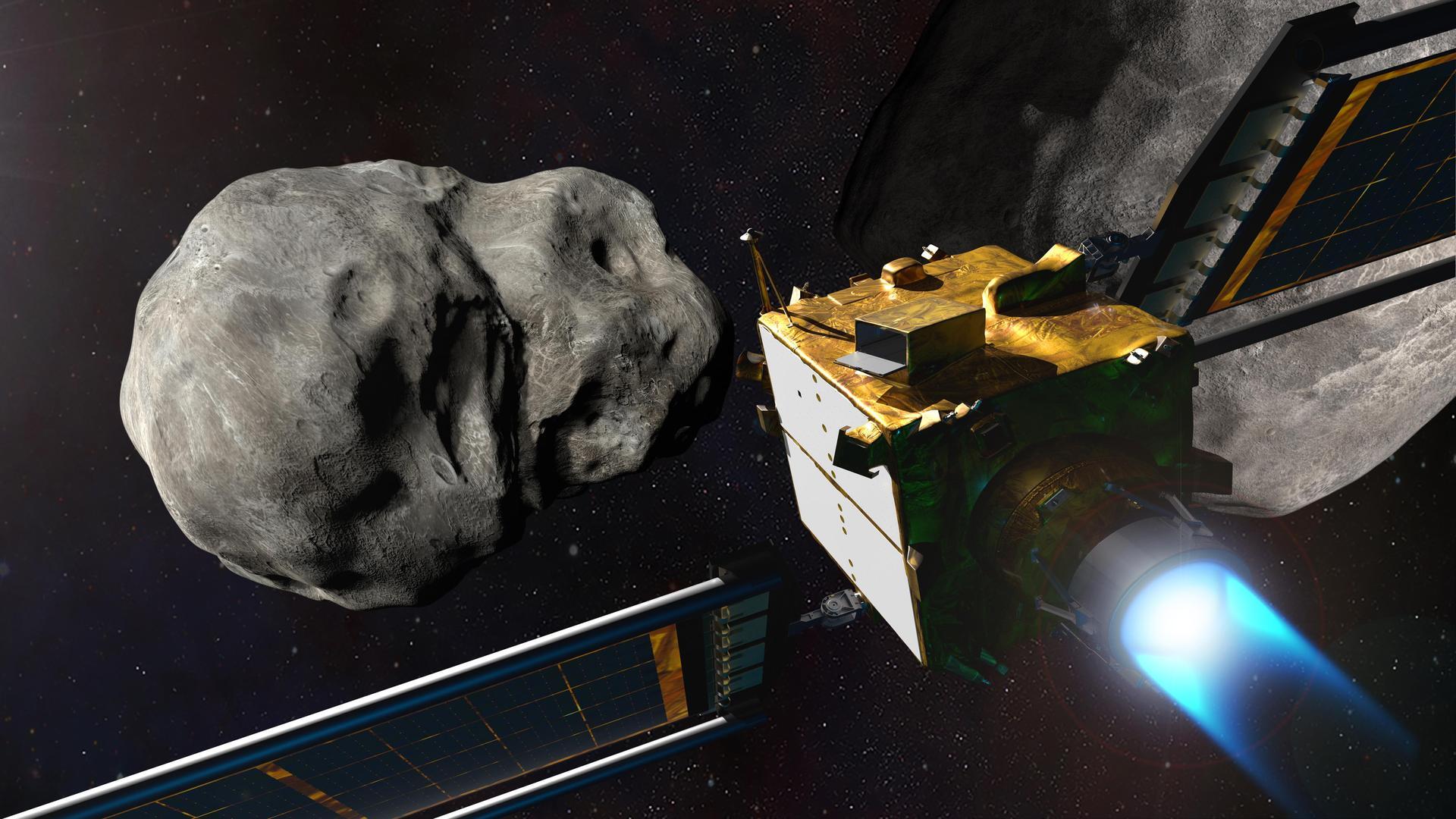
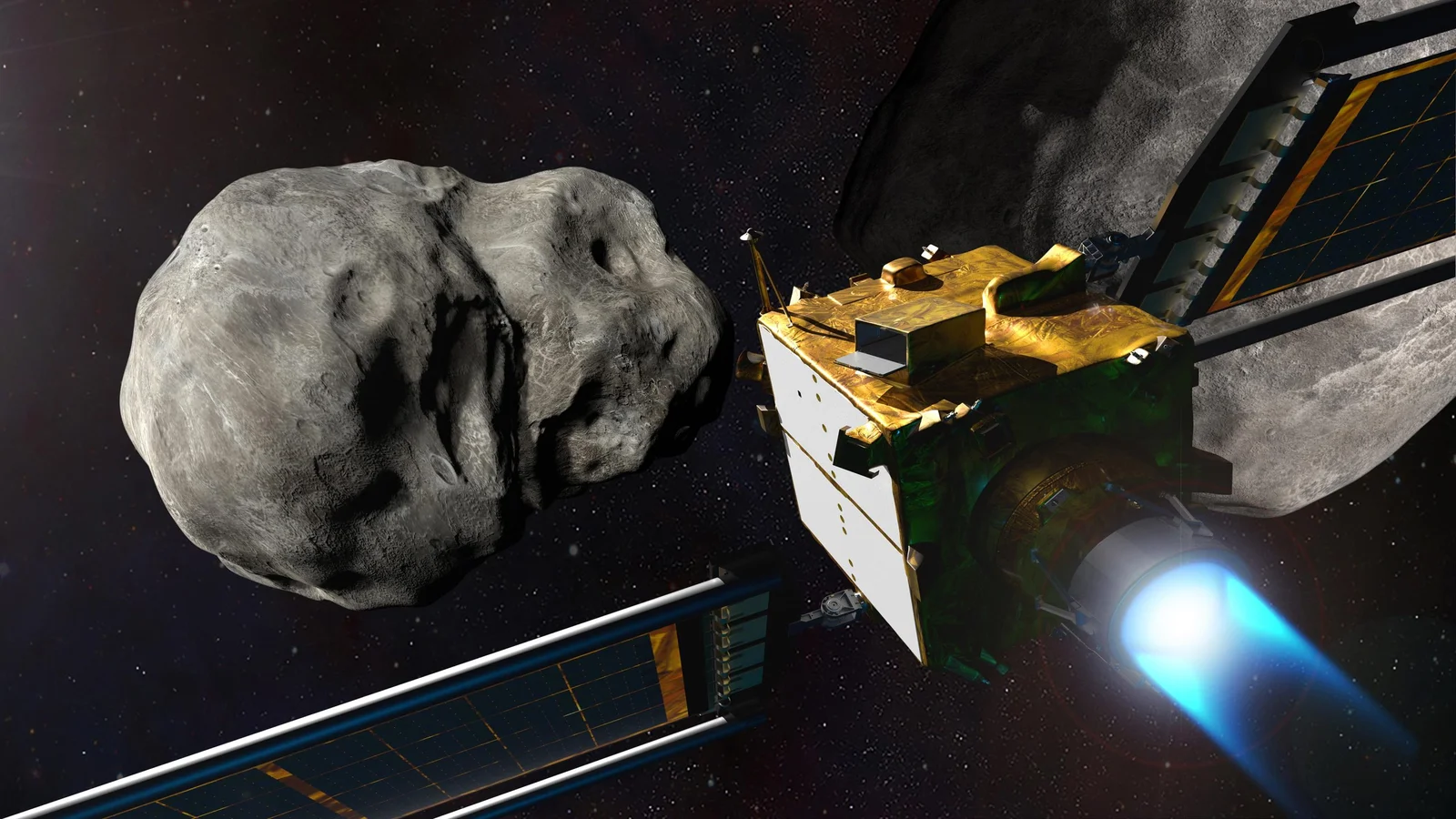
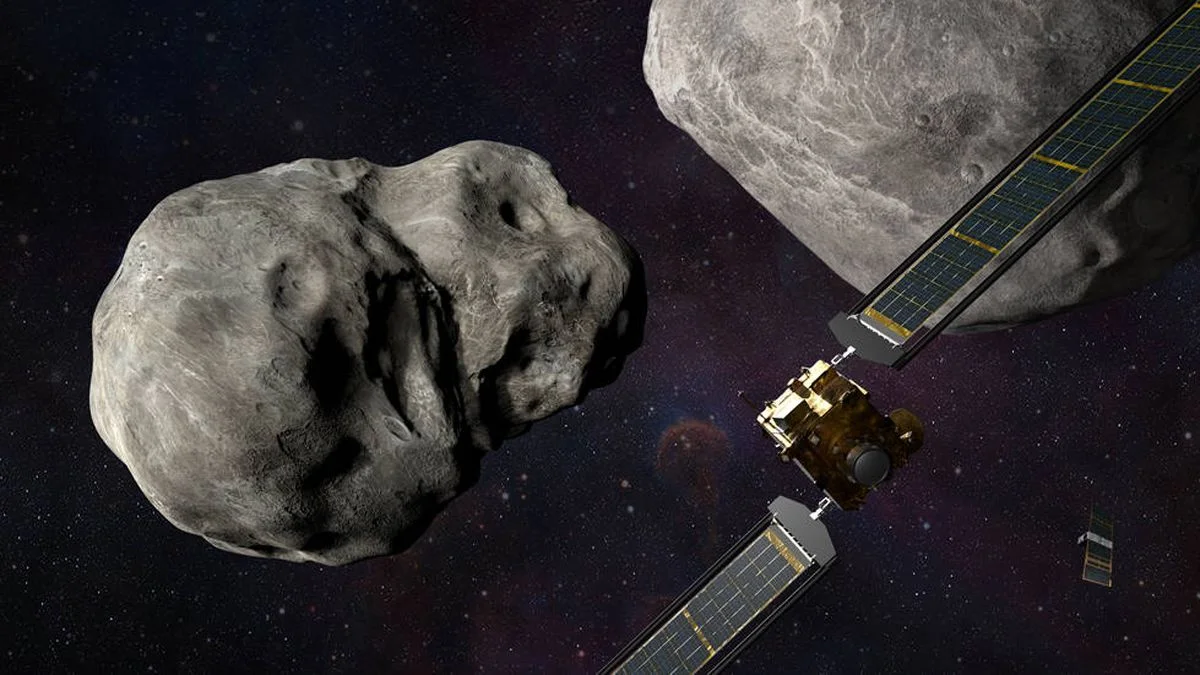
NASA’s 2022 DART impact on Dimorphos changed its orbit around Didymos by about 33 minutes, aided by ejecta’s recoil that added to the spacecraft’s push; Hera will later weigh Dimorphos and image the crater to refine the physics; the result shows a kinetic-impactor deflection is feasible with enough warning, but depends on accurately measuring the target’s mass and accounting for debris—lessons vital as new near-Earth threats, like 2024 YR4, remain on the radar.
China Plans Mach 26 Asteroid-Deflection Test to Protect Earth
space1 month ago

China Plans Mach 26 Asteroid-Deflection Test to Protect Earth

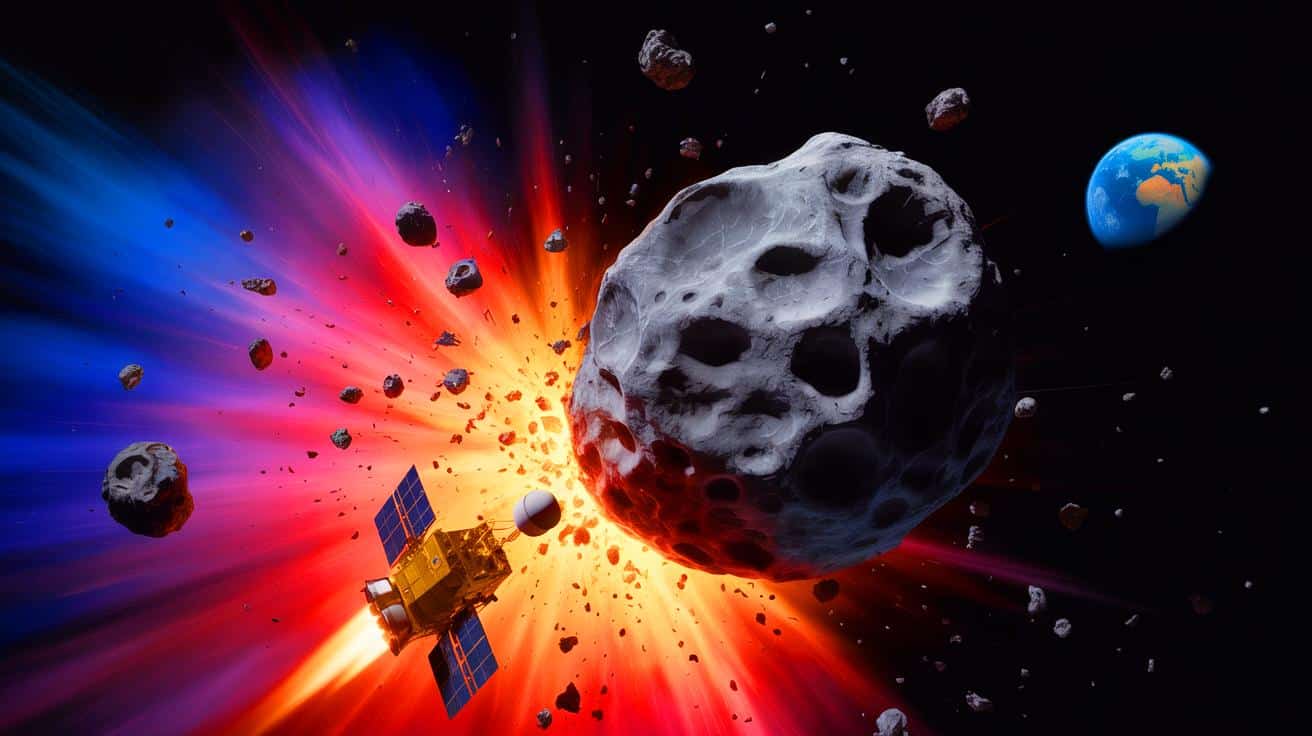
China's CNSA outlines a two-spacecraft, Mach-26 asteroid-deflection test scheduled for a 2029–2030 Earth-close approach, targeting near-Earth asteroid 2015 XF261 (~30 meters) and altering its trajectory relative to Earth. One craft would strike the asteroid while a second observes its orbit, shape, and surface both before and after impact. The mission would launch the two spacecraft together and aims to provide a more realistic planetary-defense scenario than NASA's DART, which changed Dimorphos’ orbit by about 33 minutes and used follow-on observations from LICIACube and Hera.

DART impact nudges binary asteroid off its solar path
space5 months ago

DART impact nudges binary asteroid off its solar path

NASA's 2022 DART impact on Dimorphos not only shortened its orbit around Didymos (from 11h55m to 11h23m) but also nudged the entire Didymos–Dimorphos system onto a subtly different solar orbit, thanks to momentum from the ejecta which doubled the thrust. The system's solar-trajectory change is about 11.7 microns per second (roughly 1.7 inches per hour) and the orbit around the Sun shifted by about 0.15 seconds; the findings, published in Science Advances, confirm asteroid deflection is feasible and underscore the value of NEO Surveyor and amateur occultation observers who helped quantify the change. Dimorphos density ~1,540 kg/m3; Didymos ~2,600 kg/m3.

DART’s hit nudged the Didymos–Dimorphos pair into a slightly faster solar orbit
space5 months ago

DART’s hit nudged the Didymos–Dimorphos pair into a slightly faster solar orbit

NASA’s DART spacecraft’s impact on Dimorphos altered the binary asteroid system’s motion around the Sun: their orbital period around the Sun shortened by about 0.15 seconds (from ~770 days) due to momentum transfer and debris ejection (~16 million kg). The measured change in orbital speed was ~11.7 microns per second, marking the first time a human-made object subtly altered a celestial body’s solar orbit; follow-up Hera observations will study the aftermath.

Stand-off Nuclear Detonation Emerges as a Viable Path to Deflect Asteroids, Says New Study
science6 months ago

Stand-off Nuclear Detonation Emerges as a Viable Path to Deflect Asteroids, Says New Study

A Nature Communications study suggests that some asteroids may actually strengthen when stressed and that a stand-off nuclear detonation could alter an asteroid's trajectory without fragmentation, offering a new approach to planetary defense; however, real-world validation is difficult and relies on precise data and simulations rather than tests on actual asteroids.

NASA's DART Mission Successfully Redirects Asteroid Dimorphos
science8 months ago

NASA's DART Mission Successfully Redirects Asteroid Dimorphos

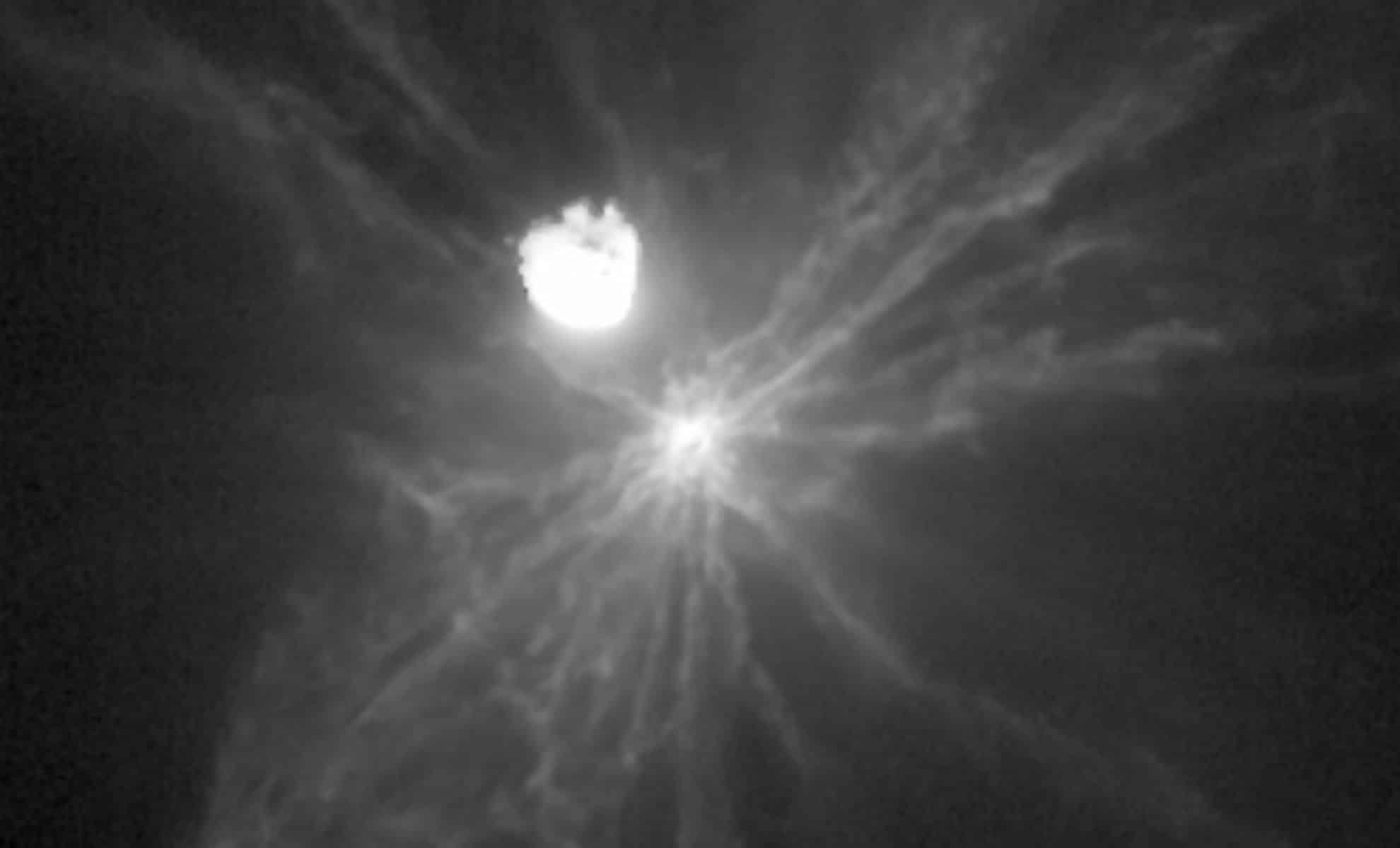
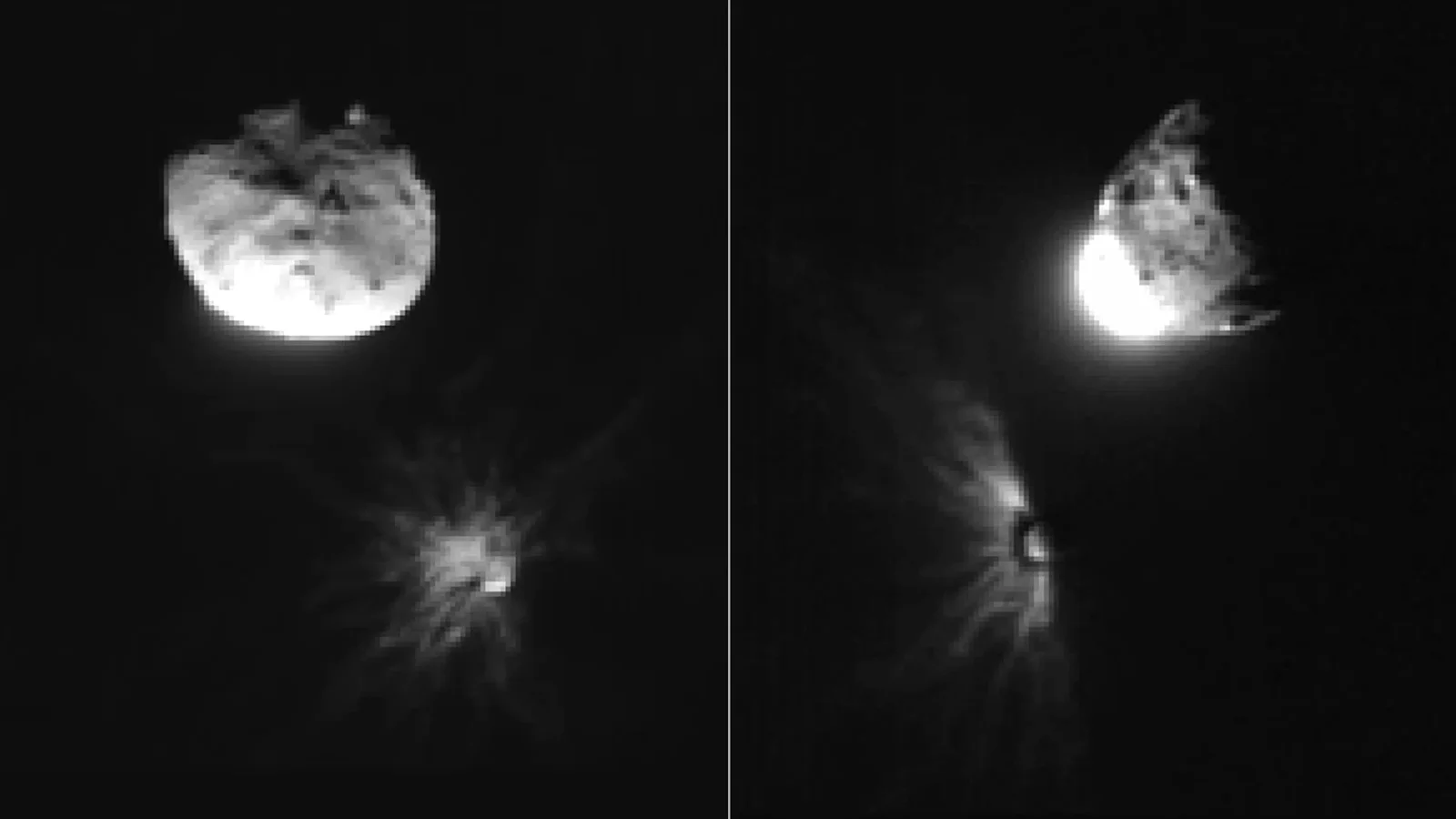
NASA's DART mission successfully shifted the orbit of asteroid Dimorphos by crashing a spacecraft into it, but unexpected debris ejected from the asteroid, including large boulders, carried additional momentum and altered the asteroid's motion in unforeseen ways, highlighting the complex physics involved in planetary defense efforts. The upcoming Hera mission will further study these effects.

NASA's DART Mission Reveals Unexpected Risks in Asteroid Deflection
science1 year ago

NASA's DART Mission Reveals Unexpected Risks in Asteroid Deflection

NASA's DART mission successfully deflected an asteroid but also released a swarm of space boulders carrying three times more momentum than the spacecraft, complicating future planetary defense strategies. The debris, tracked by LICIACube, showed unexpected patterns and directions, highlighting the need to consider such variables in future impact mitigation missions.