Tag

Dart Mission

All articles tagged with #dart mission

Tiny nudge, big consequence: DART subtly shifts binary asteroid's solar orbit
space-exploration1 month ago

Tiny nudge, big consequence: DART subtly shifts binary asteroid's solar orbit

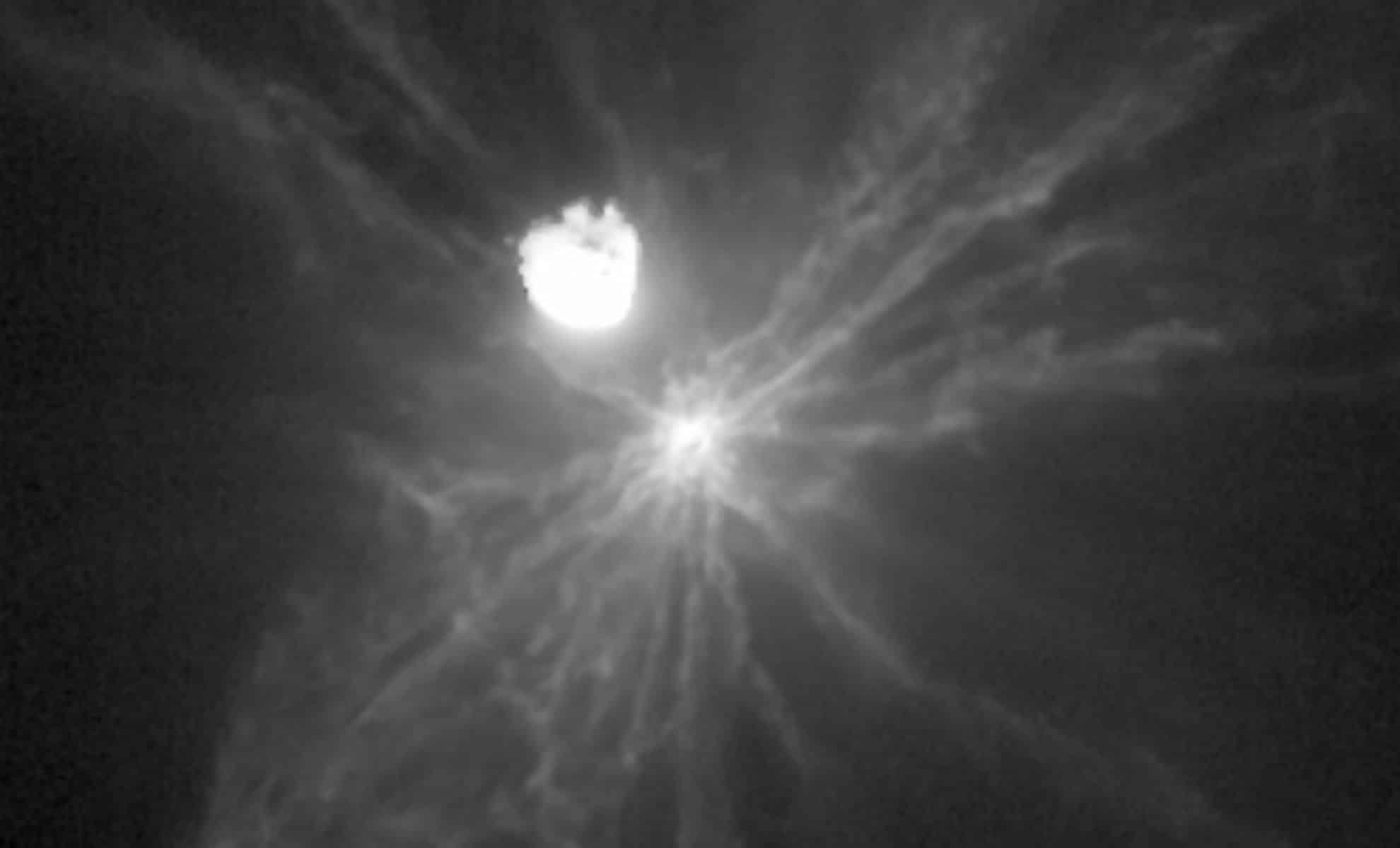
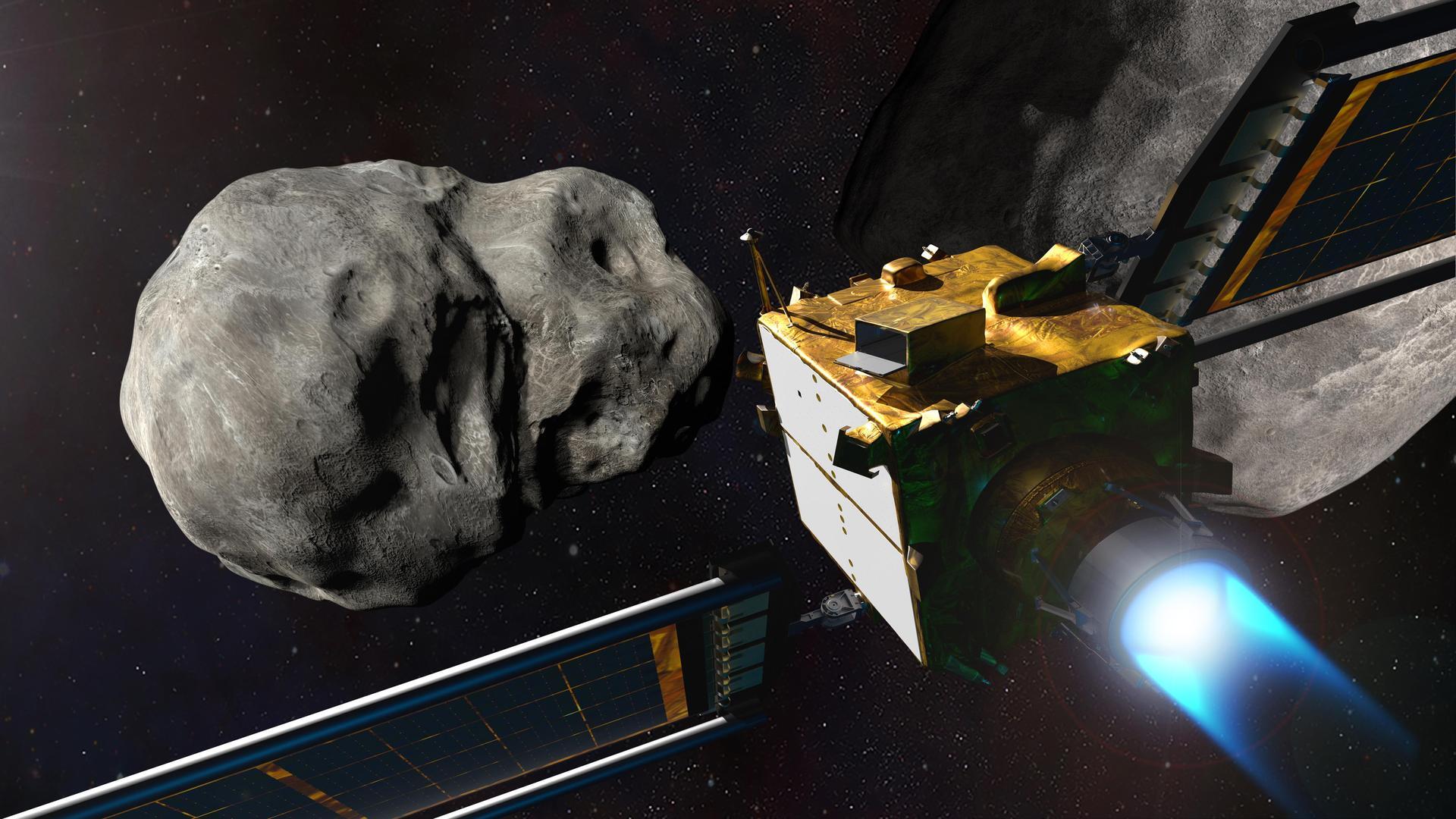
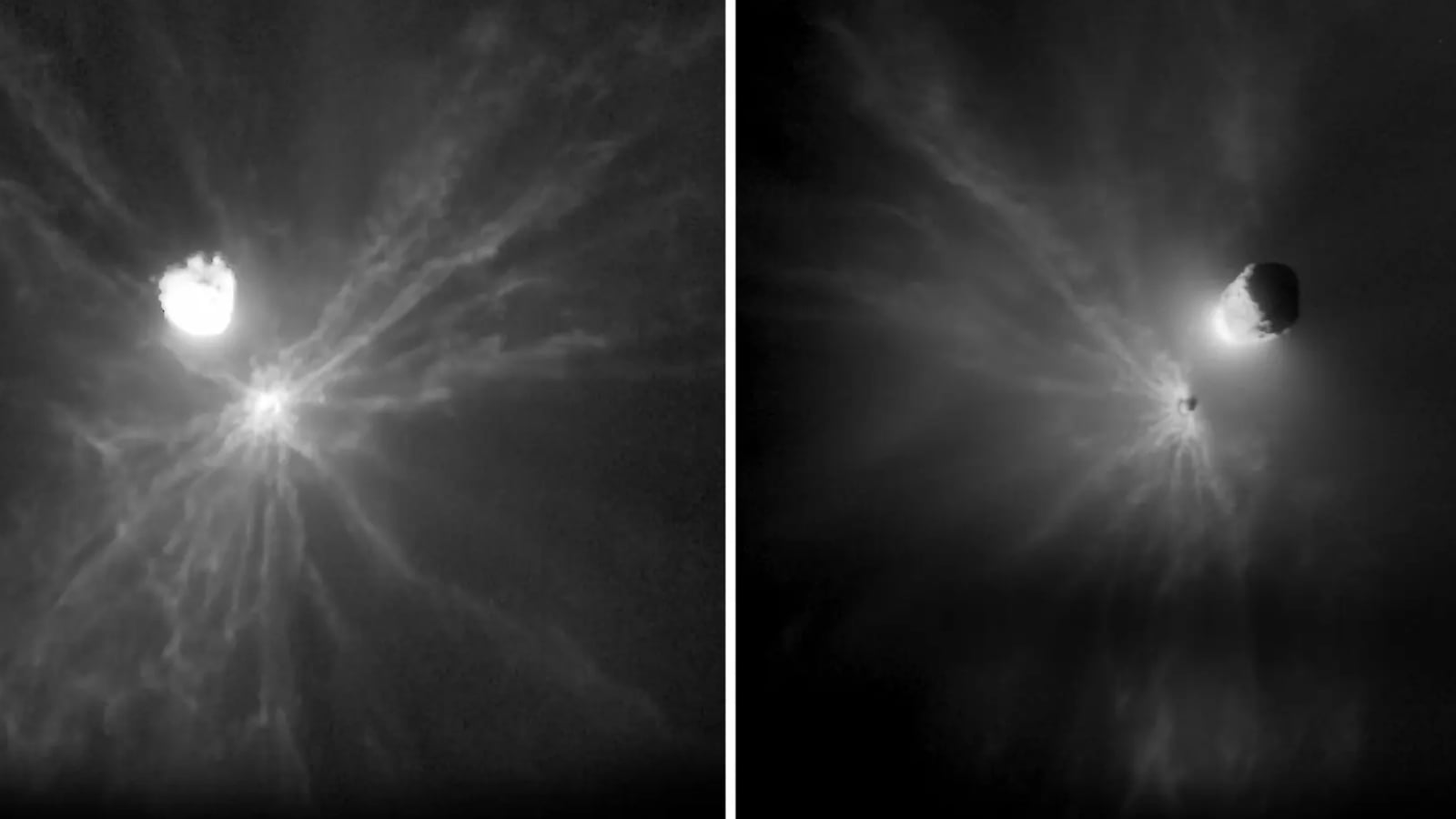
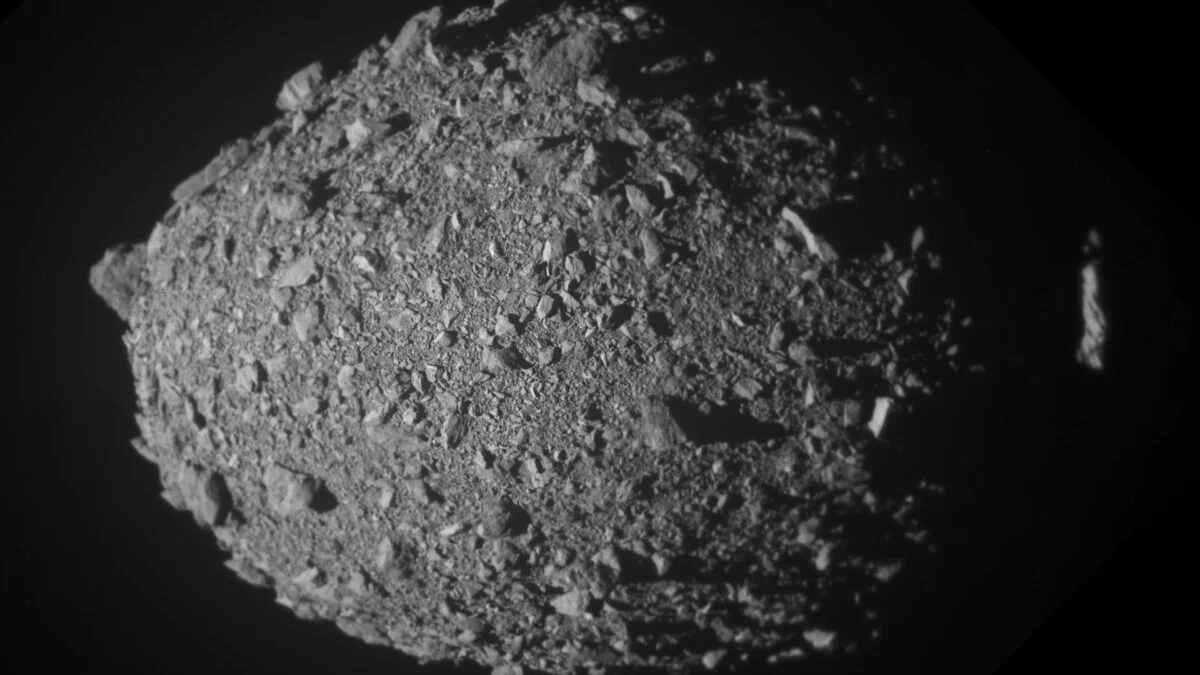
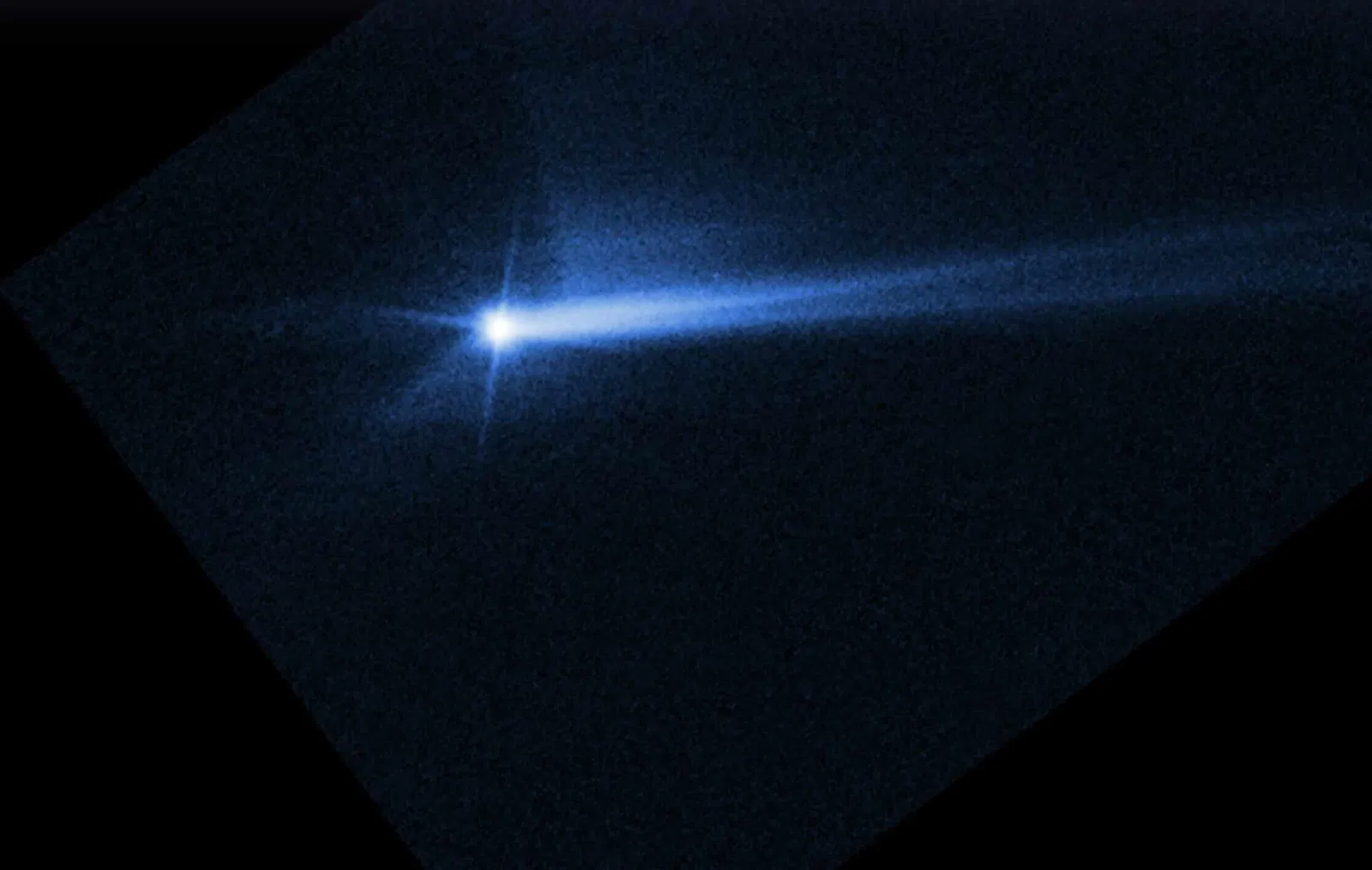
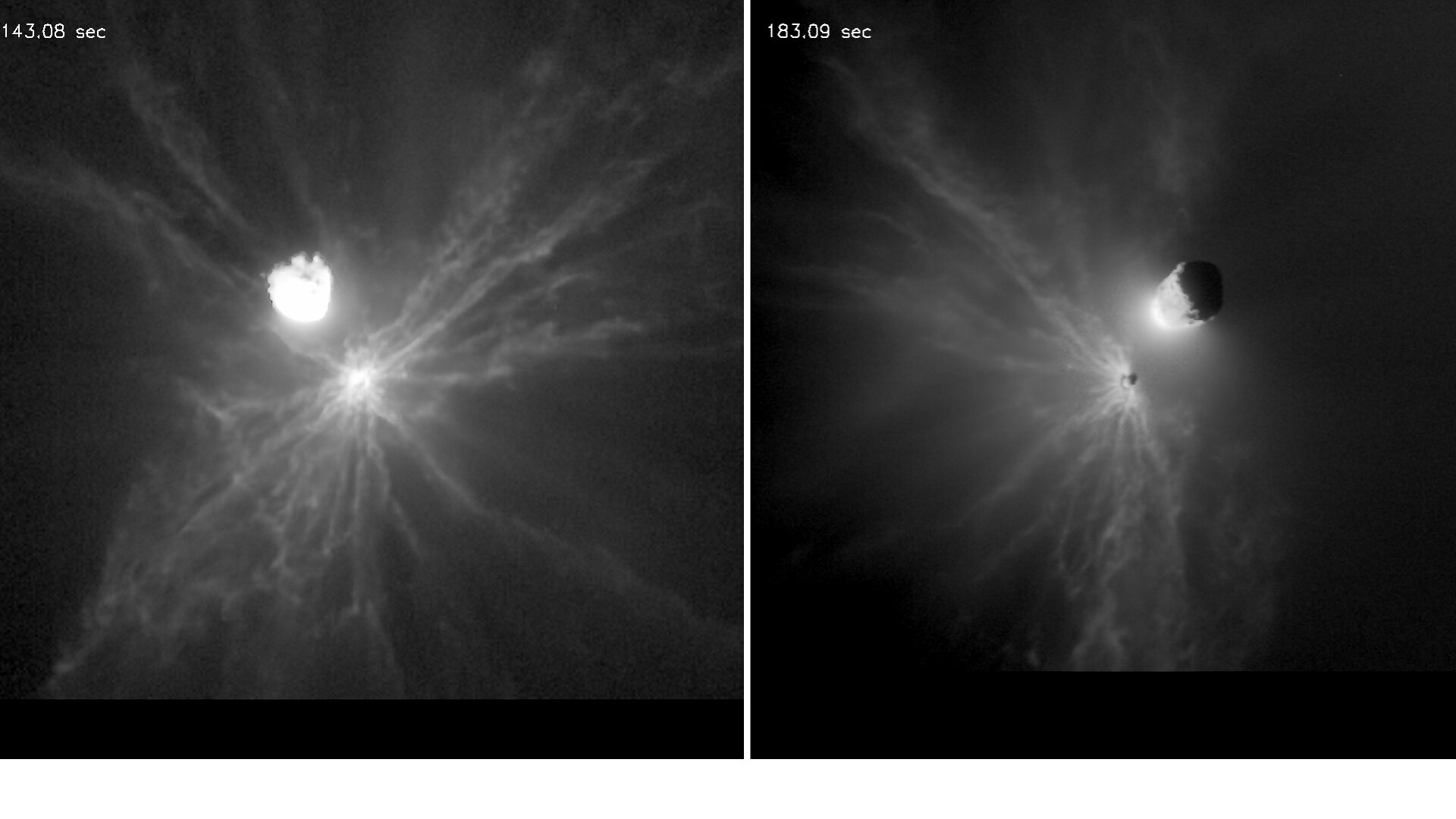
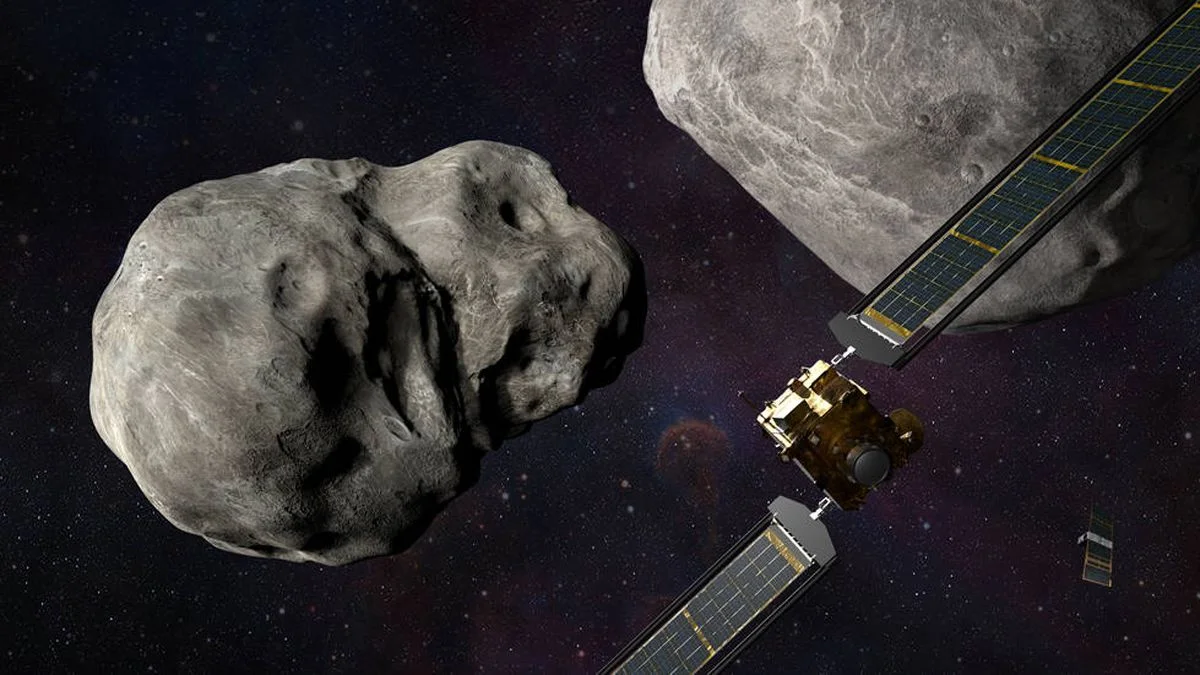
NASA’s Double Asteroid Redirection Test (DART) slammed into the small moon Dimorphos in 2022, shortening its orbit around the larger asteroid Didymos from 11 hours 55 minutes to 11 hours 23 minutes. A new analysis shows ejecta from the cratering boosted the thrust by a momentum-enhancement factor of about two, meaning the ejecta carried away momentum that amplified Dimorphos’ deflection. Because Dimorphos is bound to Didymos, the extra push nudged the whole binary’s orbit around the Sun, changing their heliocentric orbital period by about 0.15 seconds. The result, based on ground-based observations including 22 amateur stellar occultations, supports the feasibility of asteroid deflection and informs future efforts, including NASA’s planned Near-Earth Object Surveyor to find more near-Earth objects after 2027.
DART Impact Nudges Dimorphos Orbit, Extending Its Reach to the Sun
space-and-spaceflight1 month ago

DART Impact Nudges Dimorphos Orbit, Extending Its Reach to the Sun

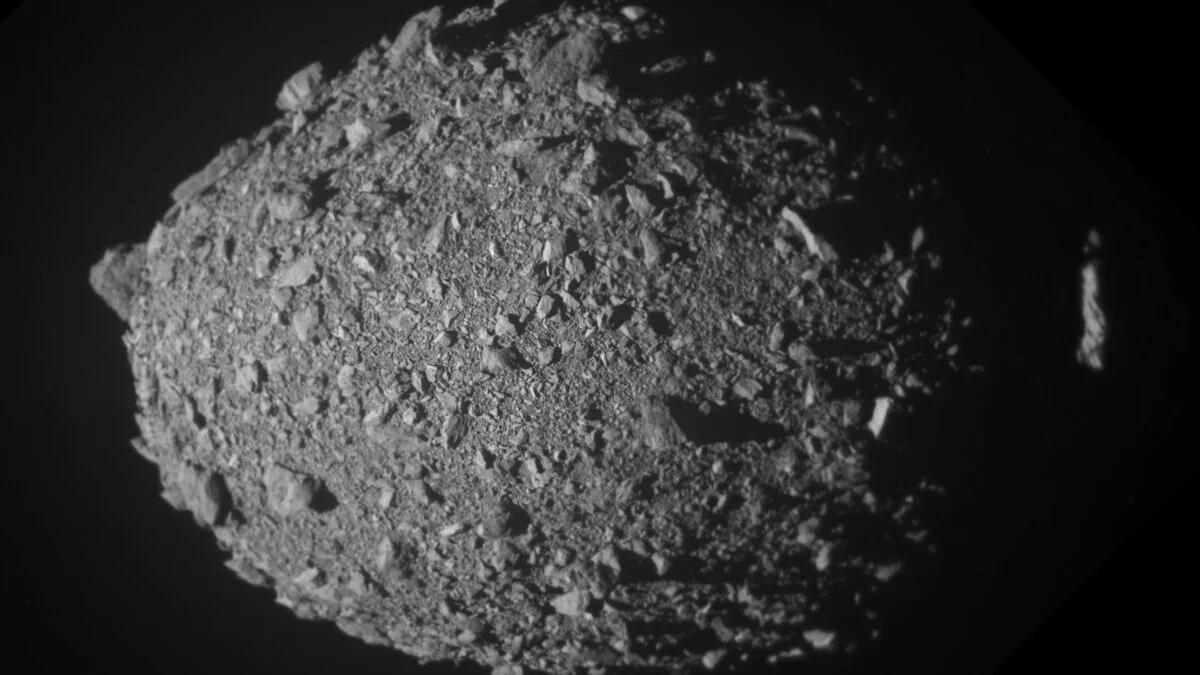
New analysis of NASA’s DART results shows the kinetic impact not only altered Dimorphos’s orbit around Didymos but also shifted the binary system’s path around the Sun, slowing Dimorphos by about 11.7 micrometers per second and shortening the solar orbit by roughly 360 meters (about 0.15 seconds per year). The tiny change, inferred from radar and stellar occultations, provides the strongest evidence yet that kinetic impact can alter an asteroid’s solar trajectory, with ESA’s Hera mission expected to map the bodies to tighten measurements and improve planning for planetary defense.

60-Meter Asteroid Could Slam the Moon in 2032, Opening a Rare Lunar Science Window
space2 months ago

60-Meter Asteroid Could Slam the Moon in 2032, Opening a Rare Lunar Science Window

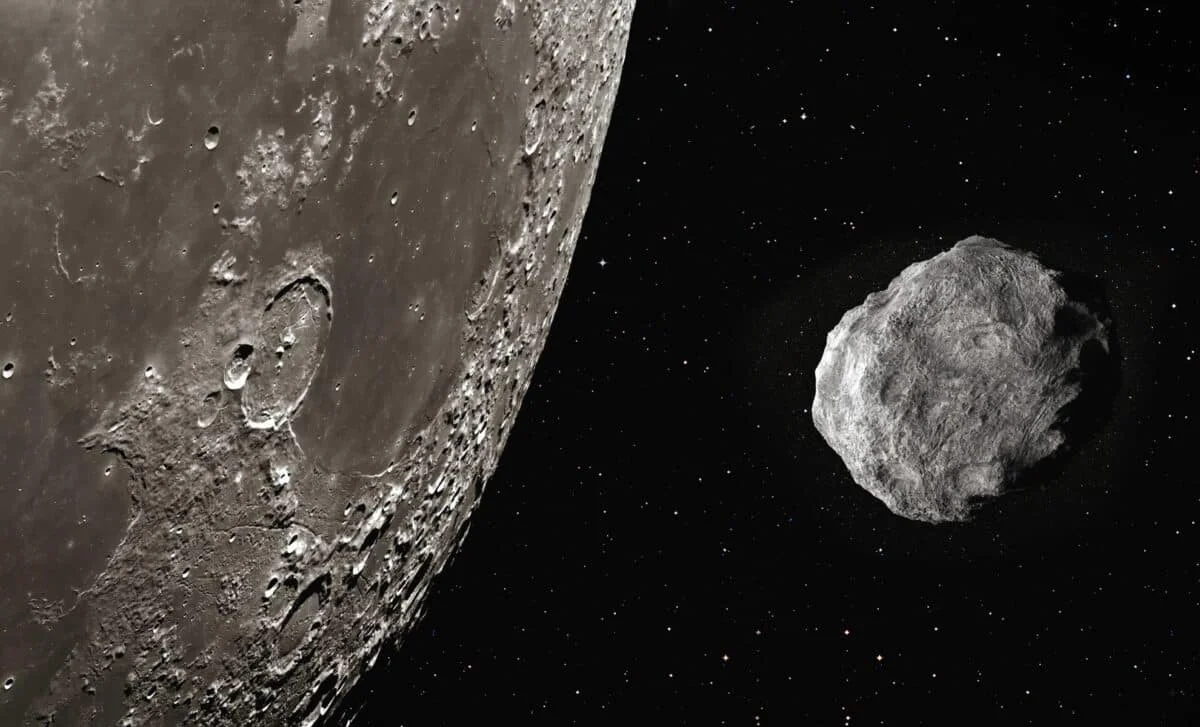
Asteroid 2024 YR4, about 60 meters wide, could strike the Moon in December 2032 with roughly a 4.3% probability, releasing energy comparable to 6.5 million tons of TNT and creating a ~1-km crater visible from Earth. The impact could trigger Moonquakes and reveal subsurface details, while lunar debris might reach Earth’s orbit and threaten satellites, prompting a debate between potential deflection (as demonstrated by NASA’s DART mission) and pursuing scientific observations of the event.

NASA's DART Mission Successfully Redirects Asteroid Dimorphos
science3 months ago

NASA's DART Mission Successfully Redirects Asteroid Dimorphos

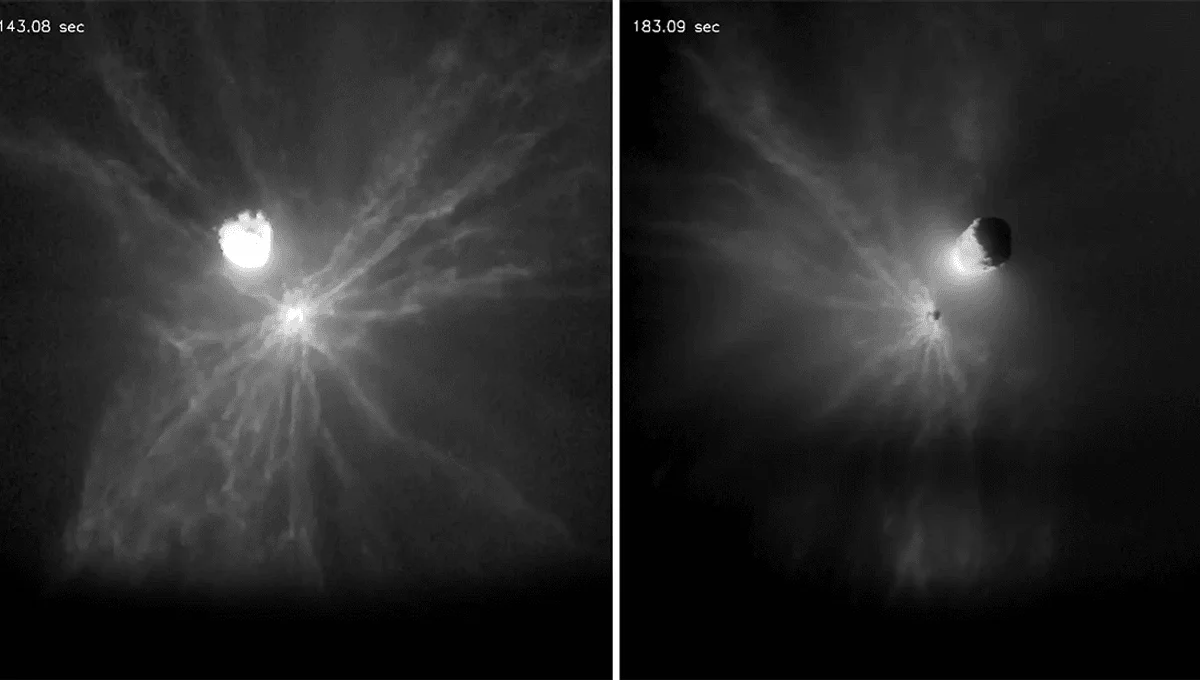
NASA's DART mission successfully shifted the orbit of asteroid Dimorphos by crashing a spacecraft into it, but unexpected debris ejected from the asteroid, including large boulders, carried additional momentum and altered the asteroid's motion in unforeseen ways, highlighting the complex physics involved in planetary defense efforts. The upcoming Hera mission will further study these effects.

James Webb Telescope Reveals New Insights into Rocky Exoplanets and Mysterious Worlds
science-and-technology8 months ago

James Webb Telescope Reveals New Insights into Rocky Exoplanets and Mysterious Worlds

The article highlights recent achievements in space exploration, including Webb's first direct imaging of an exoplanet, the discovery of a Saturn-like planet TWA 7b, and insights into planetary defense through NASA's DART mission's asteroid impact. It also discusses educational tools like Micro Adventure for learning coding and Morse Code Defender for Morse code training, emphasizing the innovative ways technology is advancing both space science and education.

NASA's DART Mission Faces Challenges After Unexpected Asteroid Debris Ejection
science9 months ago

NASA's DART Mission Faces Challenges After Unexpected Asteroid Debris Ejection

NASA's DART mission successfully altered the course of asteroid Dimorphos by impacting it, but unexpected debris ejection patterns, including large boulders moving in unusual directions, suggest that future asteroid deflection efforts need to account for complex debris dynamics, as these can significantly influence the asteroid's movement.

Massive Asteroids Set to Pass Close to Earth This Week
science1 year ago

Massive Asteroids Set to Pass Close to Earth This Week

NASA has confirmed that a 1,300-foot asteroid, named 447755 (2007 JX2), will pass by Earth on December 3, 2024, at a safe distance of 5.5 million kilometers, posing no threat. The asteroid is traveling at 44,000 km/h, and while its size and speed are notable, it will be more than 14 times the distance from Earth to the Moon. NASA continues to monitor such objects using the Asteroid Watch Dashboard and is developing planetary defense strategies, such as the successful DART mission, to protect Earth from potential future threats.