Tag

Dart

All articles tagged with #dart

Highland Park exits DART, reshaping North Texas transit
transportation23 days ago

Highland Park exits DART, reshaping North Texas transit

Highland Park voters chose to exit the Dallas Area Rapid Transit (DART) system, the first suburb to do so since 1989; Addison and University Park voted to stay in DART, leaving 12 member cities. DART says Highland Park’s withdrawal will take effect May 14 and will cost about $270 million in sales-tax revenue over 20 years, with the closure of 15 bus stops and the loss of paratransit service in Highland Park amid ongoing disputes over taxes and service.

DART Achieves First Solar-Orbit Change After Asteroid Impact
science-space1 month ago

DART Achieves First Solar-Orbit Change After Asteroid Impact

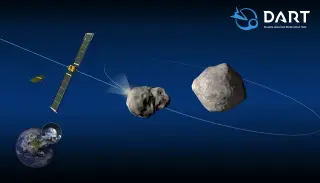
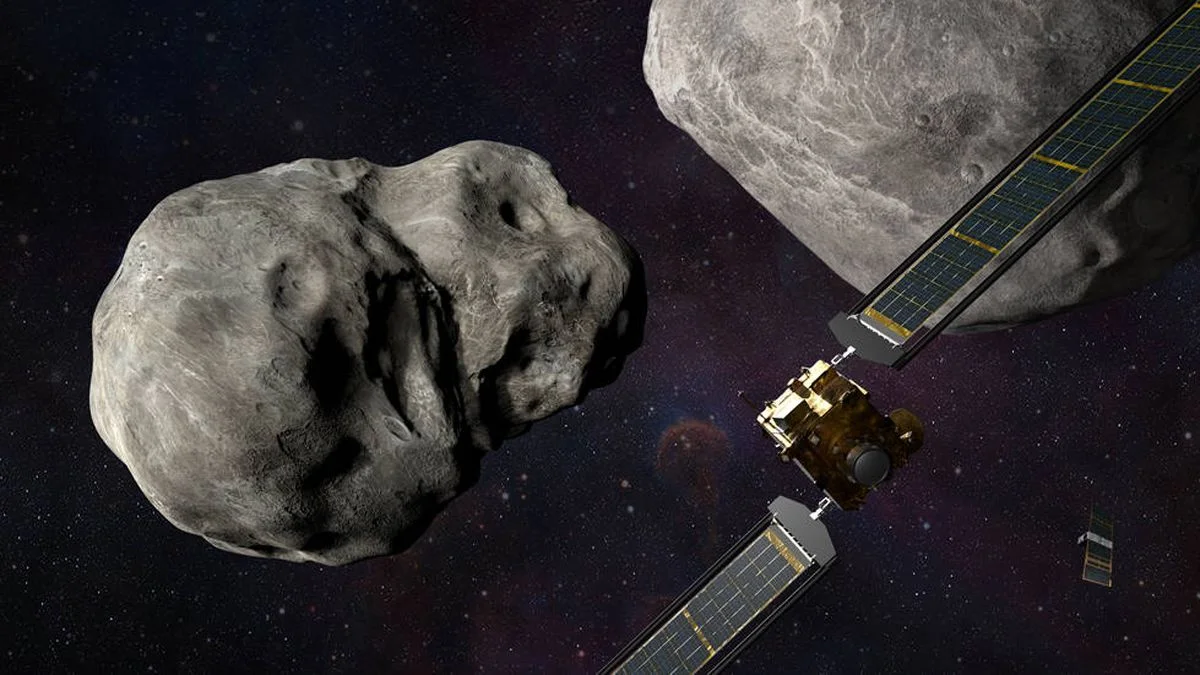
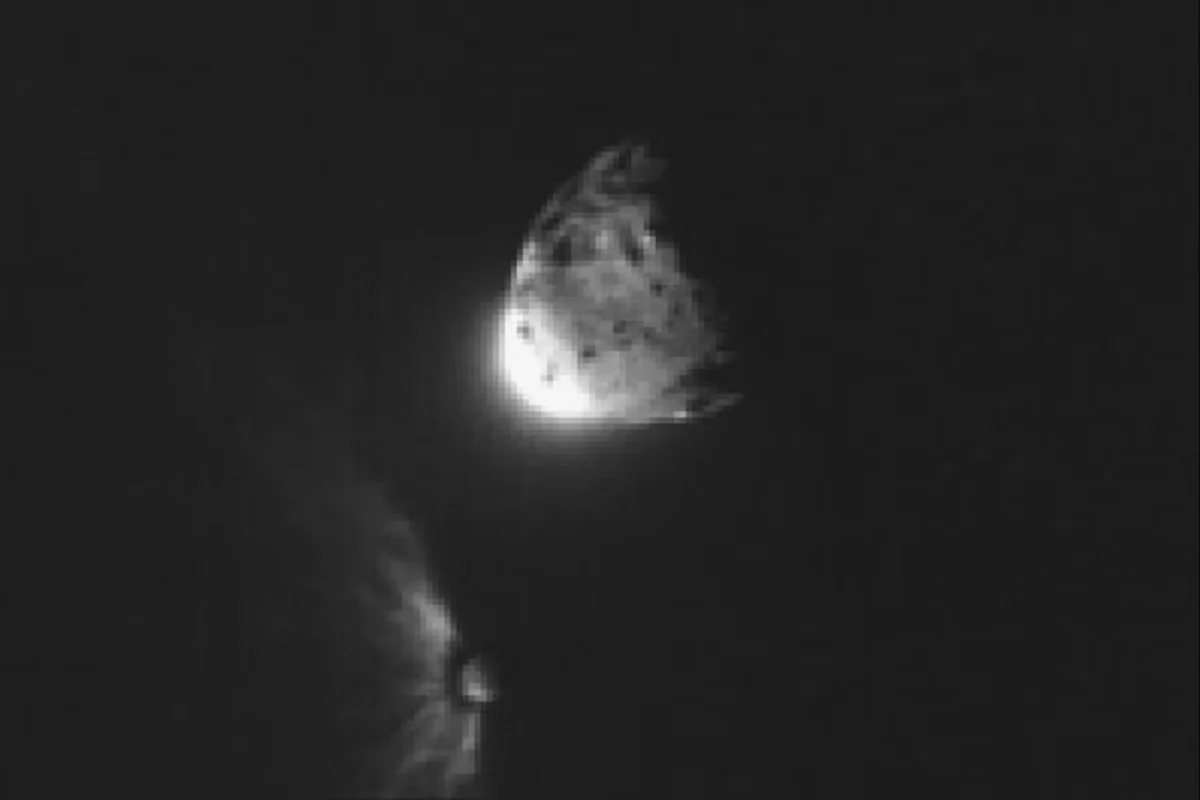
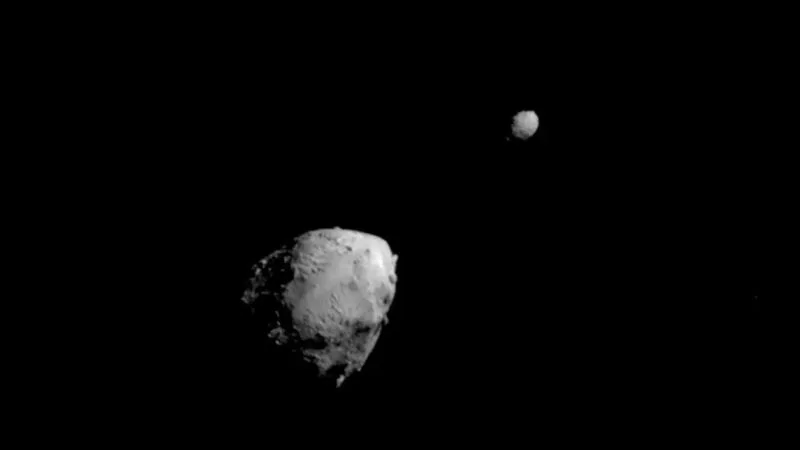
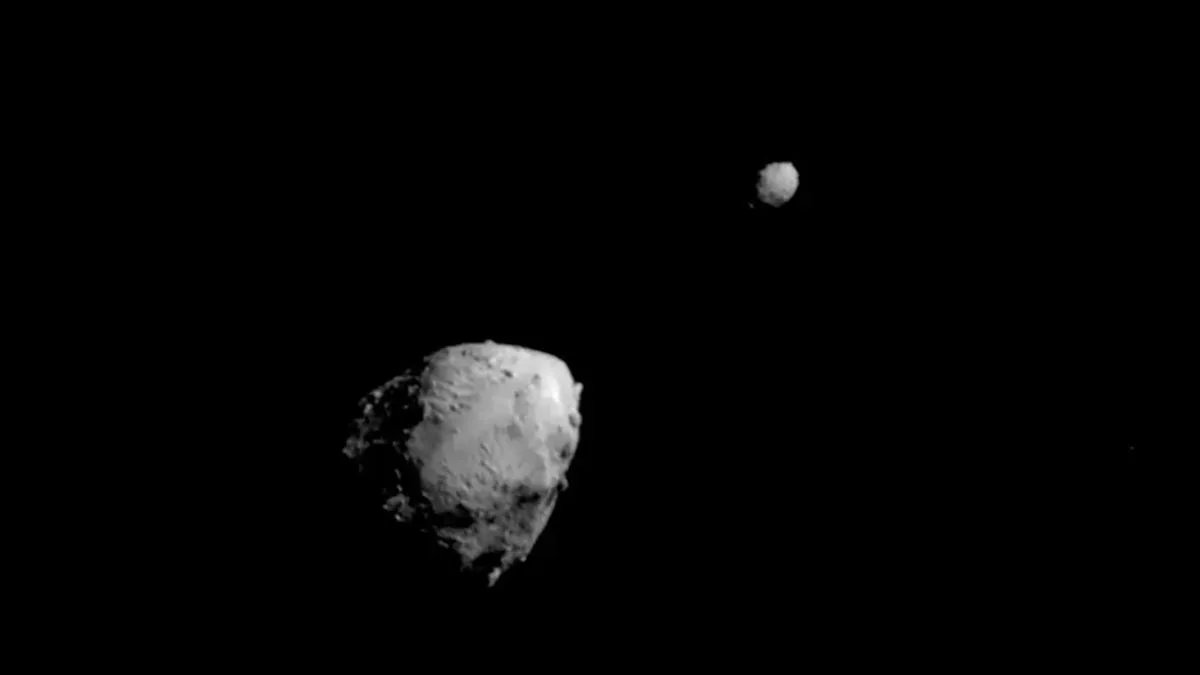
NASA’s DART mission confirmed that crashing into the small asteroid Dimorphos shortened its orbit around the larger Didymos by about 32 minutes, and new analysis shows the impact also nudged the binary system’s solar trajectory by roughly 1.7 inches (4.3 cm) per hour—the first measured change in an object’s path around the Sun—demonstrating humanity’s ability to steer asteroids if needed.

NASA's DART Nudge Shifts Dimorphos' Orbit, Demonstrating Planetary Defense Feasibility
science2 months ago

NASA's DART Nudge Shifts Dimorphos' Orbit, Demonstrating Planetary Defense Feasibility

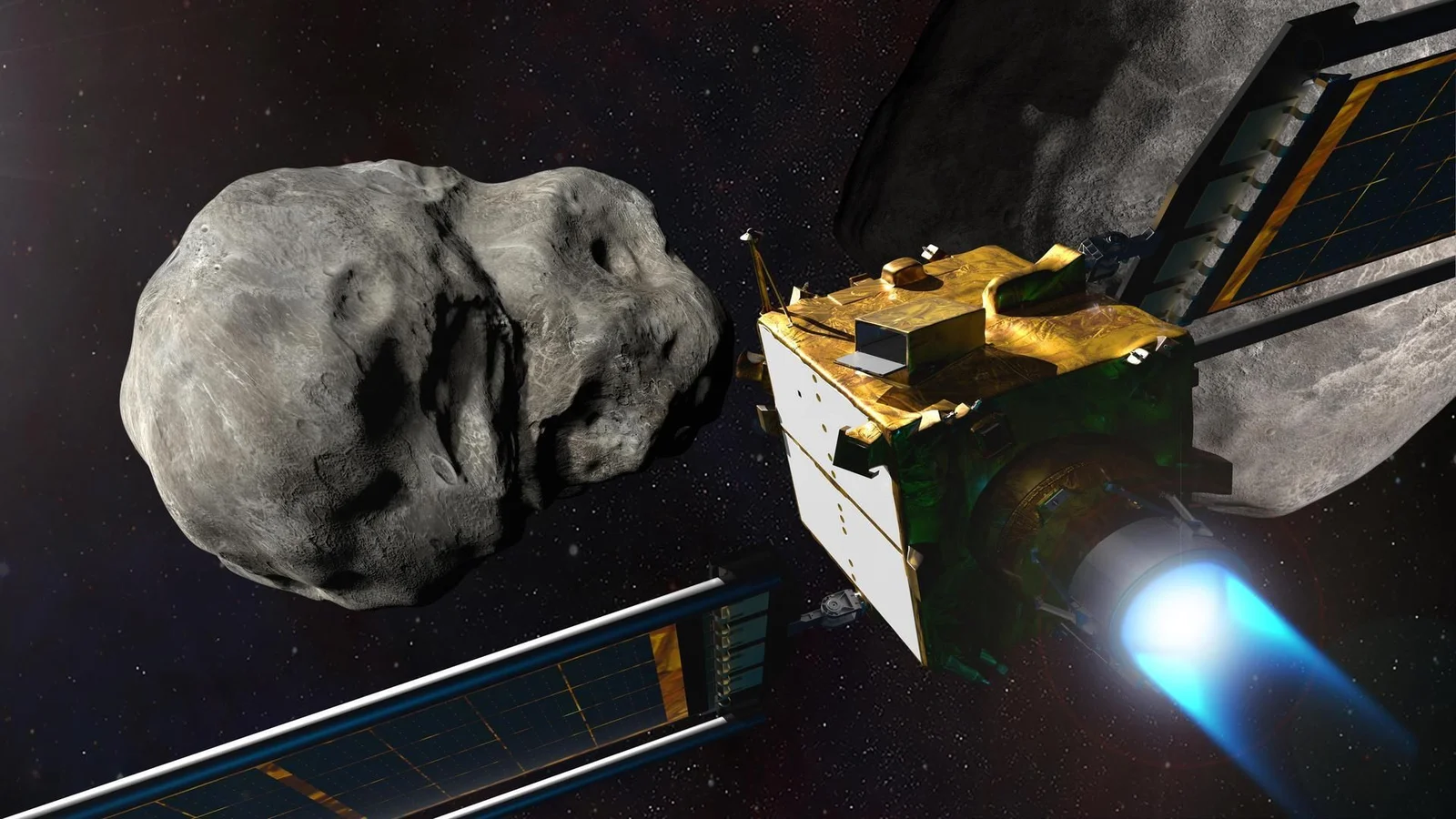
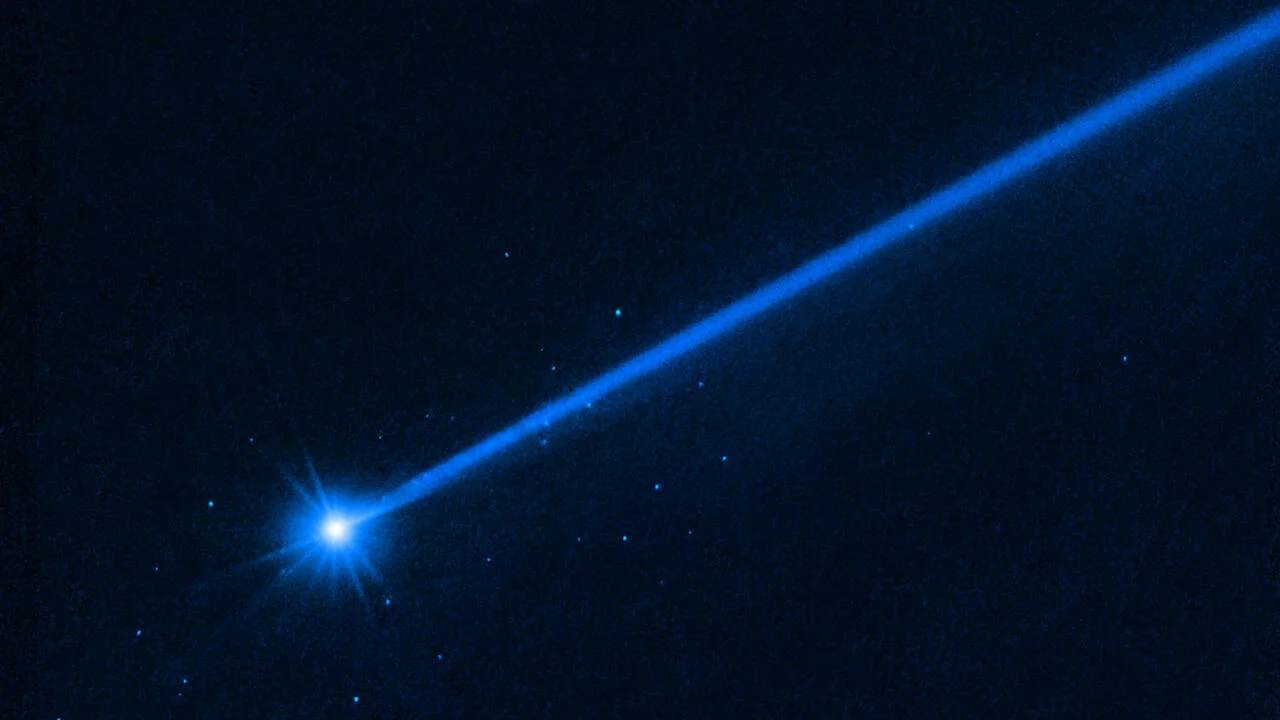
NASA's DART spacecraft slammed into the Didymos system’s moon Dimorphos in 2022, creating ejecta that boosted momentum and slowed the system’s orbit by about two inches per hour, shortening its solar orbit by roughly 0.15 seconds over 770 days. The result shows we can alter an asteroid’s path, but a much larger or multiple impacts would likely be needed to deflect a real threat; the event provides essential data for improving planetary defense as near-Earth objects remain a vulnerability.

DART finds binary asteroids exchange debris via slow 'cosmic snowballs'
space-exploration2 months ago

DART finds binary asteroids exchange debris via slow 'cosmic snowballs'

NASA's DART mission captured the first direct evidence that debris can move between the binary asteroid pair Dimorphos and Didymos, with 2022-era imagery showing fan-shaped streaks likely produced by material shed from Didymos and landing on Dimorphos. The ejecta traveled about 30.7 centimeters per second (12.1 inches per second), slow enough to deposit material rather than creating craters, indicating active surface evolution in a binary asteroid system. The findings, published in The Planetary Science Journal, complement other results showing DART altered Dimorphos’ orbit and slightly shifted the binary system’s orbit around the sun; the ESA Hera mission is set to survey the system later this year to further study the aftermath and improve planetary-defense models.

DART impact nudges binary asteroid off its solar path
space2 months ago

DART impact nudges binary asteroid off its solar path

NASA's 2022 DART impact on Dimorphos not only shortened its orbit around Didymos (from 11h55m to 11h23m) but also nudged the entire Didymos–Dimorphos system onto a subtly different solar orbit, thanks to momentum from the ejecta which doubled the thrust. The system's solar-trajectory change is about 11.7 microns per second (roughly 1.7 inches per hour) and the orbit around the Sun shifted by about 0.15 seconds; the findings, published in Science Advances, confirm asteroid deflection is feasible and underscore the value of NEO Surveyor and amateur occultation observers who helped quantify the change. Dimorphos density ~1,540 kg/m3; Didymos ~2,600 kg/m3.

DART’s hit nudged the Didymos–Dimorphos pair into a slightly faster solar orbit
space2 months ago

DART’s hit nudged the Didymos–Dimorphos pair into a slightly faster solar orbit

NASA’s DART spacecraft’s impact on Dimorphos altered the binary asteroid system’s motion around the Sun: their orbital period around the Sun shortened by about 0.15 seconds (from ~770 days) due to momentum transfer and debris ejection (~16 million kg). The measured change in orbital speed was ~11.7 microns per second, marking the first time a human-made object subtly altered a celestial body’s solar orbit; follow-up Hera observations will study the aftermath.

DART makes history by nudging an asteroid's path around the Sun
space2 months ago

DART makes history by nudging an asteroid's path around the Sun

NASA's DART spacecraft’s 2022 impact on Dimorphos not only shortened the moonlet's orbit around Didymos but also measurably altered the Didymos–Dimorphos system's orbit around the Sun, changing the pair's solar trajectory by about 11.7 microns per second (roughly 1.7 inches per hour). This first-of-its-kind result supports planetary-defense research by showing how small nudges can accumulate to influence long-term hazard assessments.

Tiny orbital nudge proves NASA's asteroid defense works
science2 months ago

Tiny orbital nudge proves NASA's asteroid defense works

NASA's 2022 DART mission deliberately hit the asteroid Dimorphos, nudging its orbit by a tiny 0.15-second change in its solar orbit. The new analysis confirms that a kinetic-impact deflection can measurably alter a celestial body's path and provides crucial data for planning future planetary-defense efforts, though the test was not in response to any actual threat.

DART Collision Nudges Didymos-Dimorphos’ Solar Path
space2 months ago

DART Collision Nudges Didymos-Dimorphos’ Solar Path

A Science Advances study shows NASA’s DART impact on Dimorphos changed not only Dimorphos’ orbit around Didymos, but also the pair’s orbit around the Sun by about 0.15 seconds — the first measurable change to a celestial body’s solar orbit caused by a human-made object. The team used radar, ground-based observations, and 22 stellar occultations to measure Didymos’ motion; debris momentum (momentum enhancement ~2) amplified DART’s effect. This validates kinetic impact as a planetary-defense technique and informs future missions like NASA’s NEO Surveyor.

DART Crash Nudges Didymos-Dimorphos’ Solar Orbit, Proving Kinetic Defense
science2 months ago

DART Crash Nudges Didymos-Dimorphos’ Solar Orbit, Proving Kinetic Defense

NASA’s DART intentionally collided with Dimorphos in Sept. 2022; the impact not only altered Dimorphos’s orbit around Didymos but also shifted the binary’s orbit around the Sun by about 0.15 seconds, a first for a human-made object. With a momentum enhancement near 2, the debris plume amplified the punch of the collision, demonstrating that kinetic impact can deflect a risky object if detected early. The result, confirmed via radar, 22 stellar occultations (2022–2025), and space telescopes, informs asteroid densities and supports a rubble-pile model for Dimorphos, reinforcing planetary-defense planning and NASA’s future NEO Surveyor mission.

DART impact nudges asteroid’s solar orbit, study finds
science2 months ago

DART impact nudges asteroid’s solar orbit, study finds

NASA's DART mission collided with the asteroid Dimorphos in 2022 to test planetary defense; a new study finds the impact not only altered the asteroid’s orbit around its binary partner but also subtly shifted the Didymos-Dimorphos system's orbit around the Sun, demonstrating a potential method for steering a threatening asteroid away from Earth.

DART’s hit nudged a binary asteroid’s path around the Sun
science2 months ago

DART’s hit nudged a binary asteroid’s path around the Sun

Scientists show that while DART slowed Dimorphos by 33 minutes in its orbit around Didymos, the impact also slightly shifted the Didymos system in its solar orbit—about 11.7 micrometers per second along-track—thanks to ejecta momentum (beta ~ 2). Analyses using stellar occultations and radar data reveal Didymos has a density ~2.6 t/m^3 and Dimorphos ~1.51 t/m^3, suggesting Dimorphos is a rubble-pile; Hera’s 2026 measurements will provide confirmation.

technology3 months ago

Toyota's Fluorite: A Console-Grade Open-Source Engine Built on Flutter and Dart

Toyota Connected North America unveiled Fluorite, a console-grade open-source game engine built around Flutter and Dart, using Filament and SDL with plans to integrate Jolt Physics, aimed at in-vehicle digital cockpits and addressing licensing/resource concerns that led them to bypass Unity/Unreal and Godot; no public source repository yet and details are forthcoming after a FOSDEM 2026 reveal.