Swiss researchers model asteroid mining routes and in-space refueling to supply metals and fuel for future Mars habitats, showing that carefully chosen asteroids could reduce Earth-supplied cargo and enable sustainable space settlements, though significant technical hurdles remain.
A Swiss EPFL study models logistics for mining metallic asteroids to supply a Mars colony, including manufacturing rocket propellant in space from carbon-rich asteroids to avoid return-fuel, and identifies viable targets and the importance of careful target selection; the results suggest a space-based supply chain from asteroids to Mars is solvable, though operational mining is still far off.
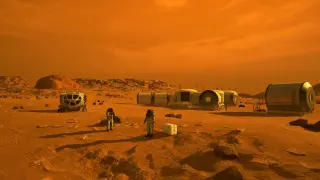
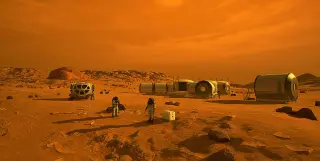
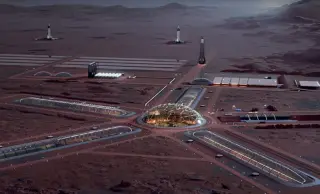
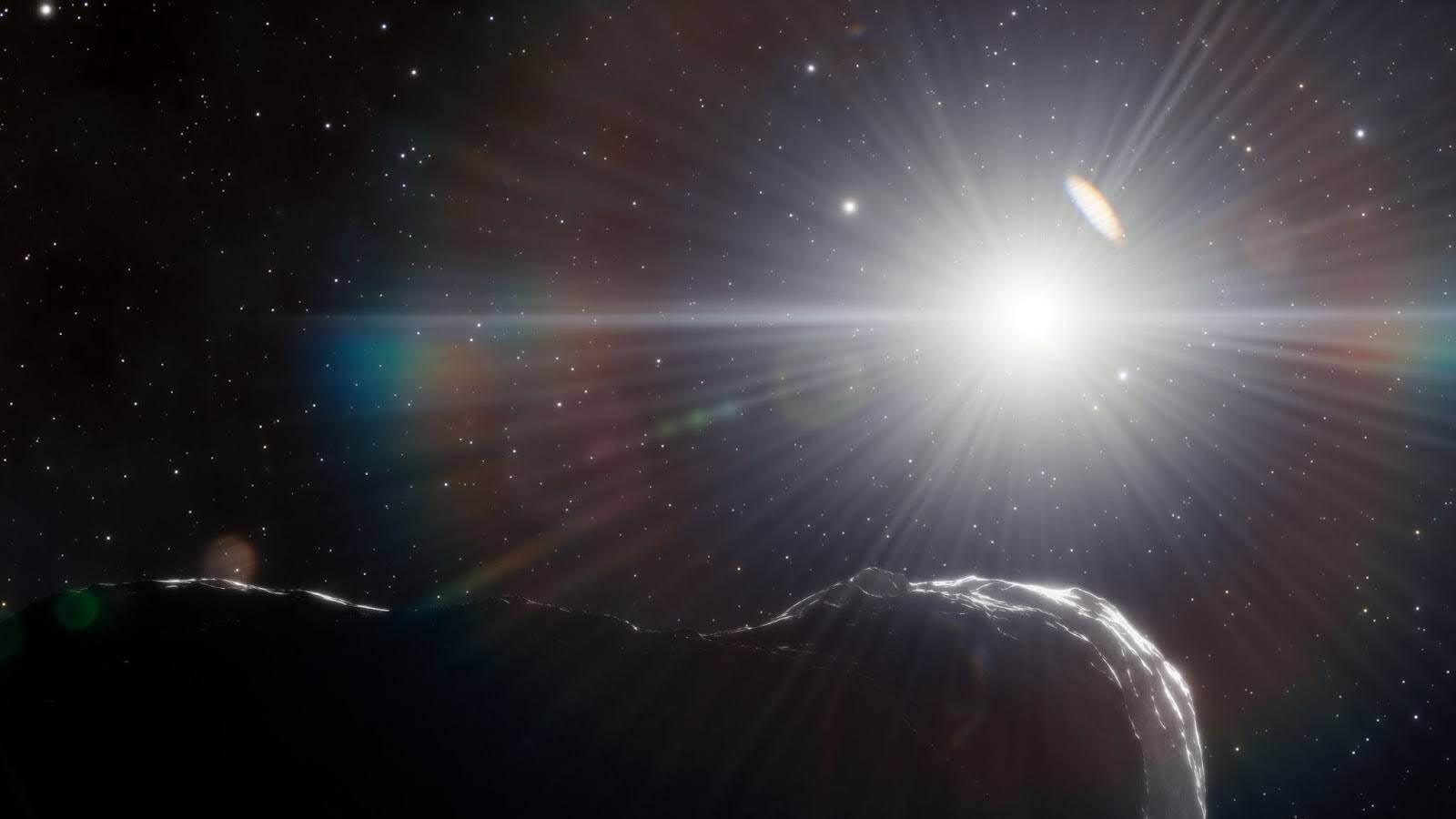
A new arXiv preprint argues a permanent Martian city could be built not from Earth-supplied materials or local Martian ore, but by mining metallic asteroids in the Main Belt and refueling en route to Mars via a two-stop route. A Starship-like craft would first visit an M-type asteroid for metals, then a nearby C-type asteroid for water and propellants (ISPP), before returning to Mars within a 6.4 km/s delta-v capacity, with about 22 asteroid pairs available in a 2040 launch window. The plan could deliver roughly 200 tons of metal over 20 years, but each trip would take about a decade due to orbital timing, and ISPP would fill the 1,100-ton propellant tank at only ~2 kg/day—requiring more than 1,500 years—unless propulsion tech advances. While non-chemical propulsion could change the math, the study concludes asteroid mining is physically feasible yet faces major practical hurdles, ultimately suggesting Mars could host its own space-based industrial backbone rather than a perpetual Earth supply chain.
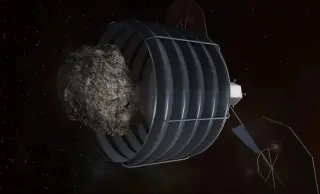
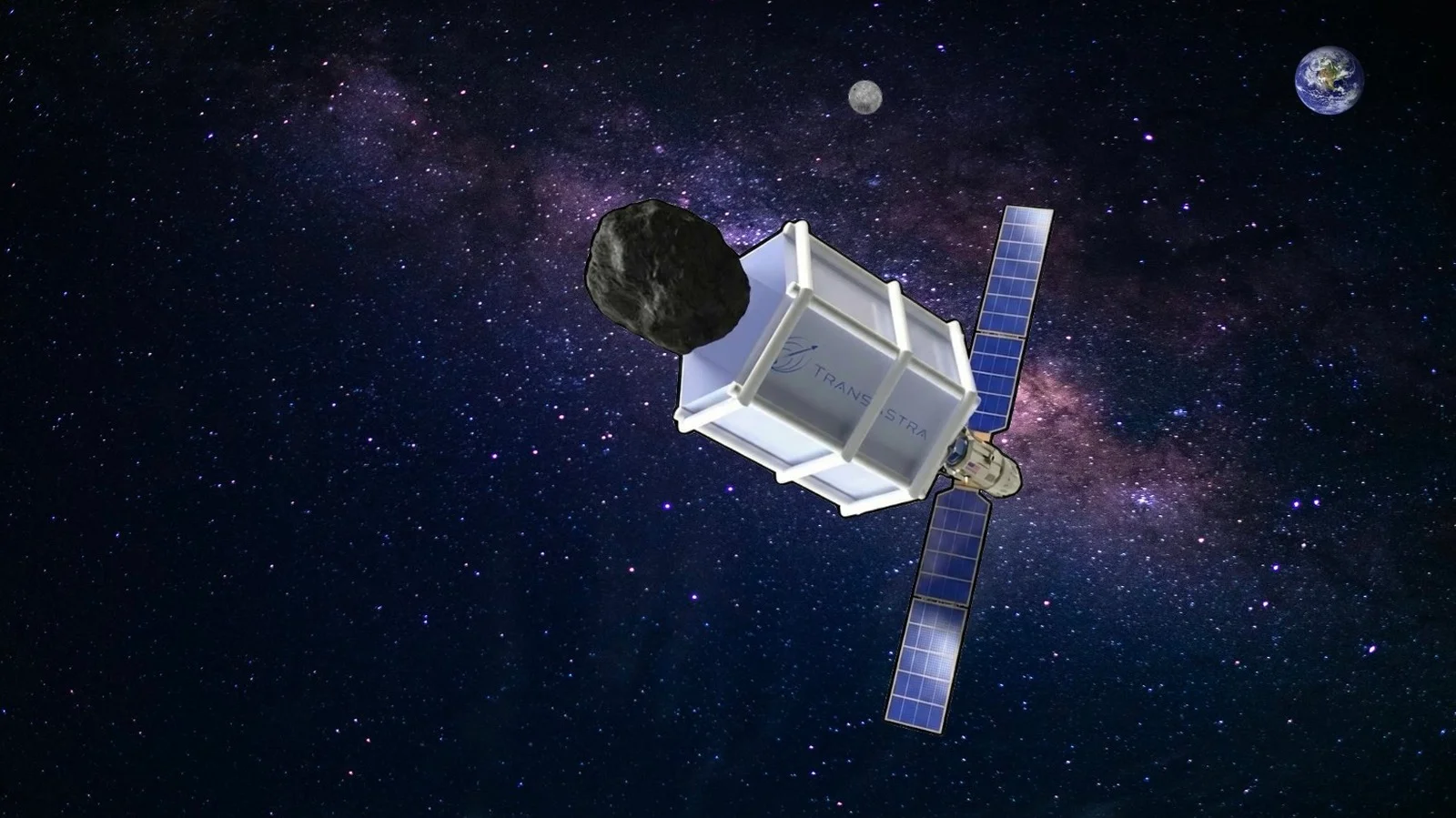
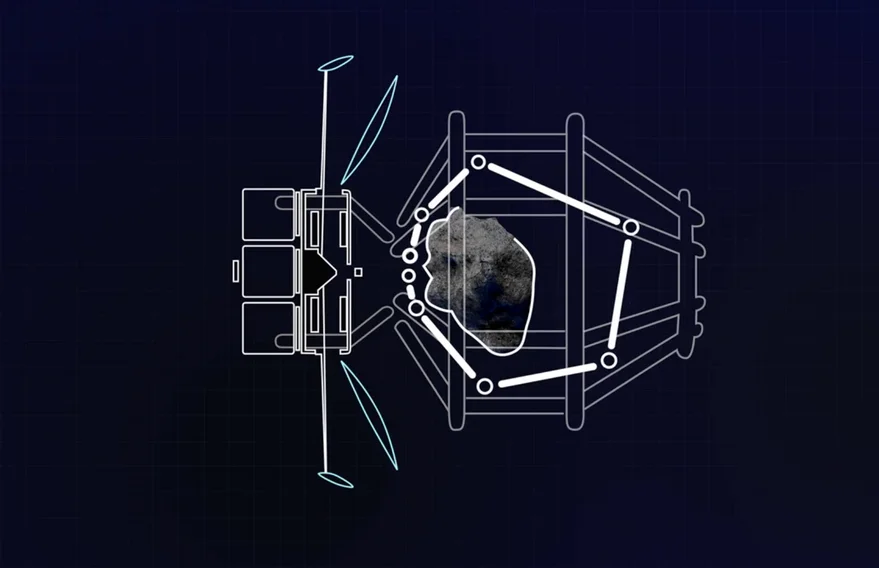
TransAstra plans to fund a study for a mission to capture a 100-ton, house-sized asteroid and relocate it near Earth for processing and propellant production, potentially as early as 2028 under the 'New Moon' project; the plan relies on a large capture bag whose scale-up has NASA backing, with ambitions to use off-Earth resources to sustain a future space-based mining and manufacturing facility, while the bag may also help clear orbital debris.
TransAstra is studying the feasibility of moving a 100-ton asteroid into a stable near-Earth orbit to create a robotic outpost for materials processing and manufacturing in space, in a project called New Moon. The effort, with partners including UCF, Purdue, Caltech, and NASA JPL, would identify suitable asteroids, chart trajectories, and deploy spacecraft for rendezvous expected in 2028–2029, followed by hundreds of robotic missions through the 2030s to aggregate up to a million tons of asteroid material for space industrialization. The company has NASA funding for inflatable Capture Bags demonstrated in space and aims to enable in-space resources like metals and water to reduce Earth-launched requirements, advancing a broader asteroid-mining technology base.
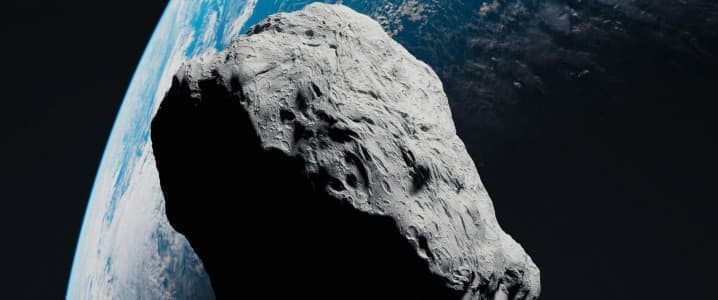
A study in MNRAS reveals that most asteroids, especially carbon-rich ones, contain low precious metals, making mining for gold unviable. Instead, water-rich asteroids are identified as more practical resources for future space exploration, providing water for fuel and life support, while also aiding planetary defense efforts. Technological challenges remain significant for actual mining operations, emphasizing the need for further research and development.
A recent study suggests that while mining undifferentiated asteroids may not be feasible, certain water-rich and mineral-rich asteroids could be valuable sources of raw materials, supporting future space resource exploitation and exploration efforts. The research emphasizes the need for further missions and technological development to realize asteroid mining's potential, which could benefit humanity by providing resources and reducing Earth's environmental impact.
Researchers identify carbon-rich asteroids containing minerals like olivine and spinel as promising targets for future space mining, highlighting the potential for extracting valuable metals and rare earth elements, despite current technological and economic challenges.
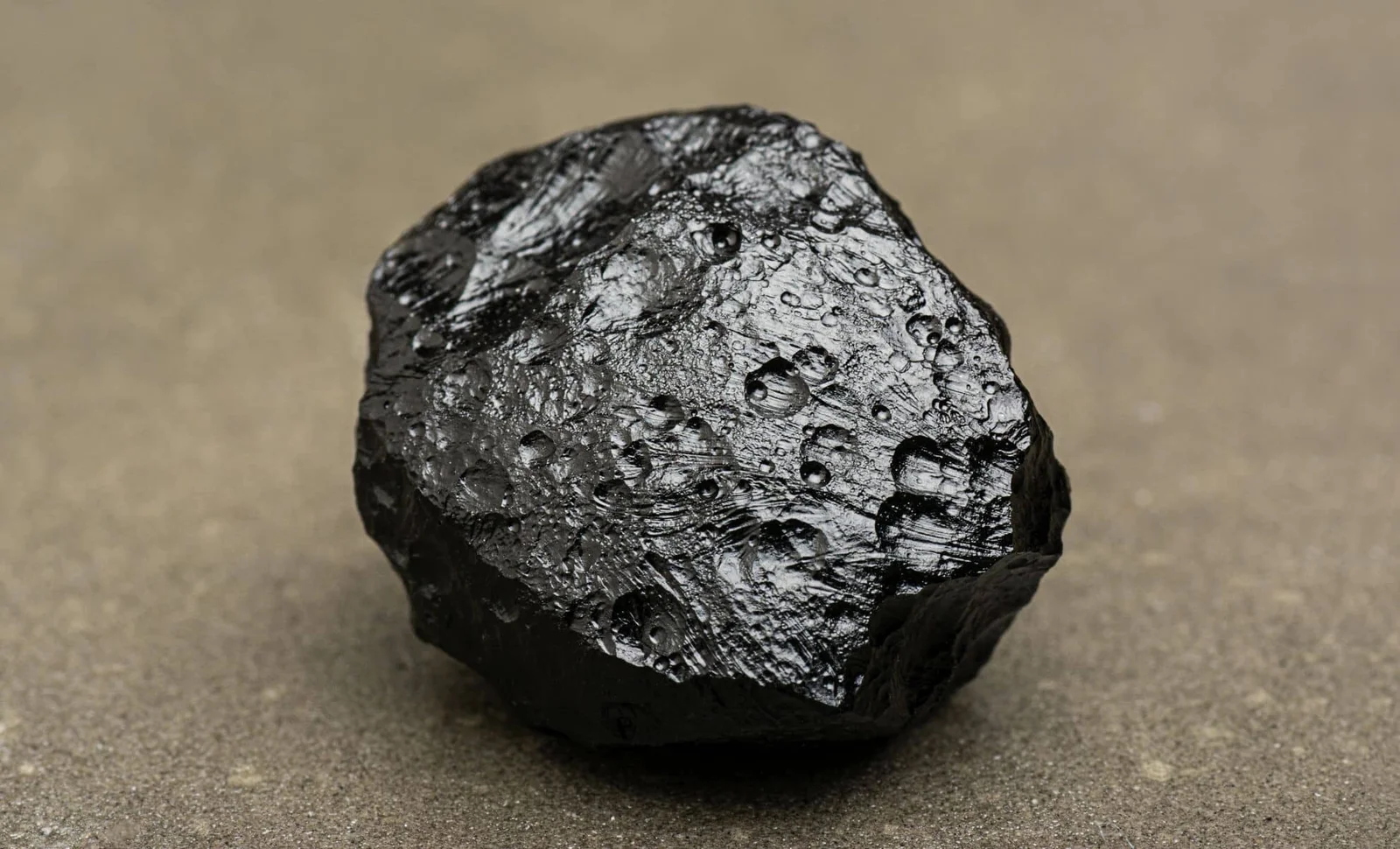
Researchers analyzing rare meteorites called carbonaceous chondrites from Antarctica have revealed their potential as sources of valuable materials like transition metals and water for future space mining, although concentrations are lower than Earth's deposits. These primitive asteroids could support in-space infrastructure development, but mining them remains complex and experimental, with specific asteroid types showing more promise for resource extraction.
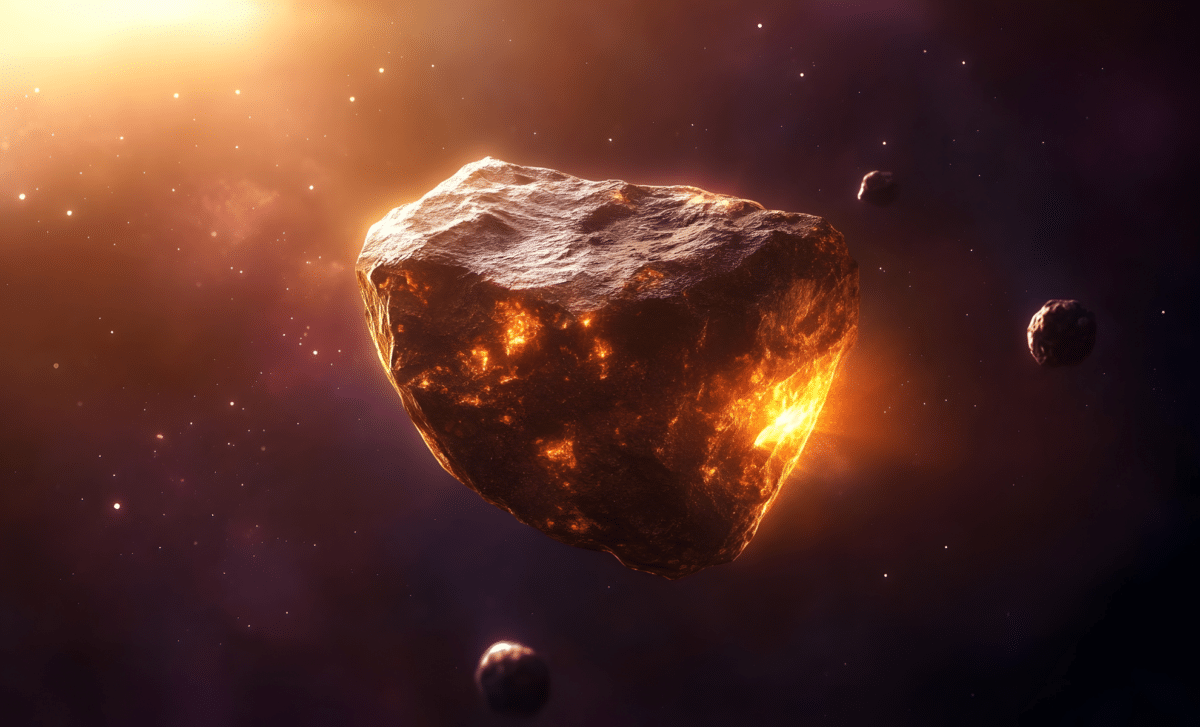
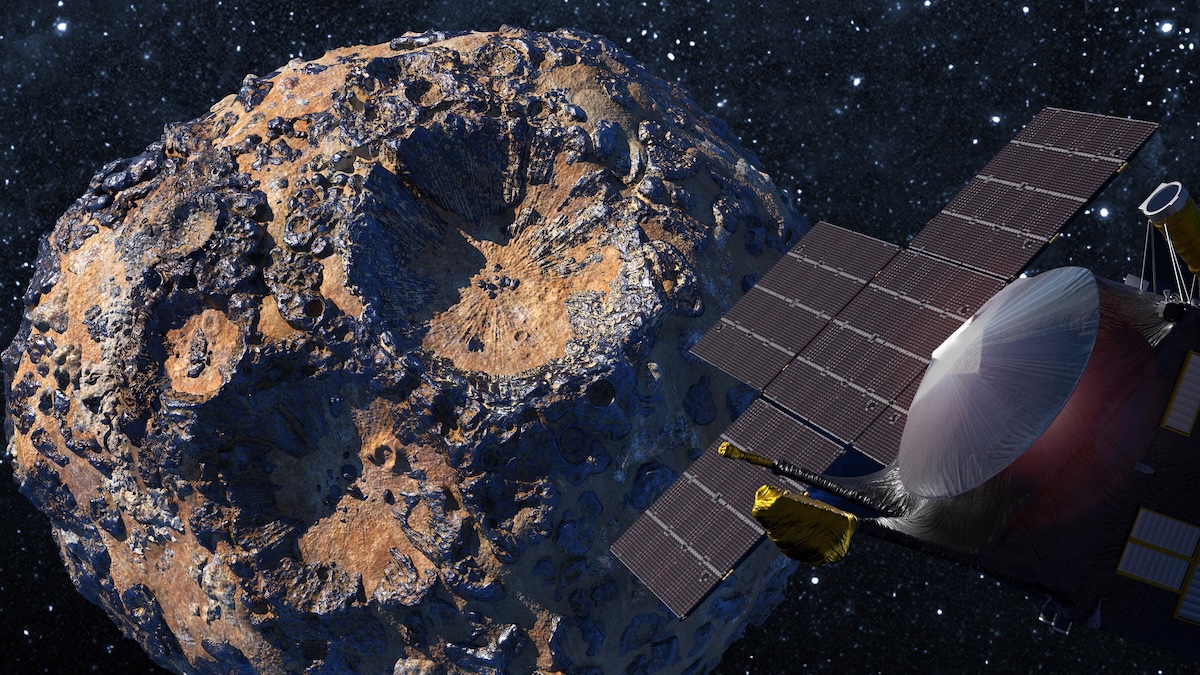
NASA's Psyche mission and U.S. startups are exploring asteroid mining for valuable metals like platinum, gold, and rare earths, potentially worth quadrillions of dollars, but the venture carries risks of market disruption and technical challenges.
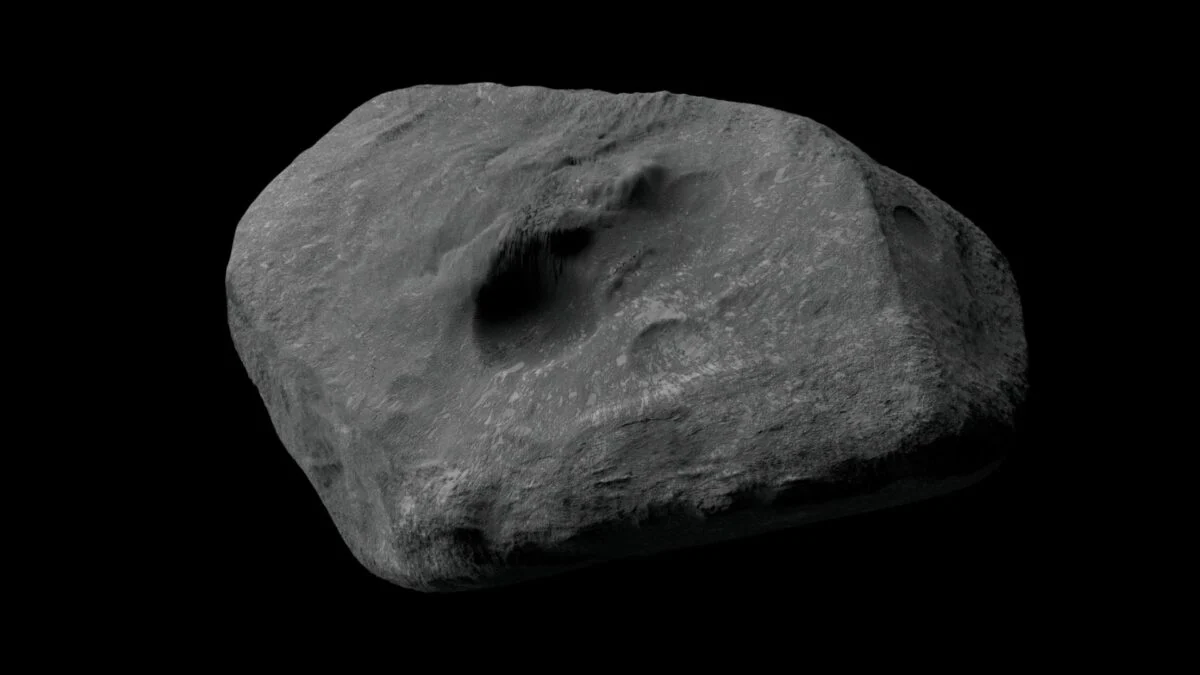
The article discusses the potential of mini-moons, like asteroid 2024 PT5, as accessible targets for asteroid mining due to their proximity to Earth, and explores the technological and economic challenges involved in capturing and extracting valuable metals from these space rocks, with future missions and innovations on the horizon.
The article explores the potential and challenges of asteroid mining, highlighting efforts by companies like AstroForge to extract valuable metals from space rocks, and discusses the possibility of mining resources from moon impact sites, with considerations of economic viability and international regulation for future space resource utilization.
The article discusses the feasibility and challenges of interstellar travel, emphasizing the need for advanced propulsion systems like solar sails and Dyson Swarms, while also debating the environmental and economic justifications for space exploration, and advocating for sustainable resource use on Earth.
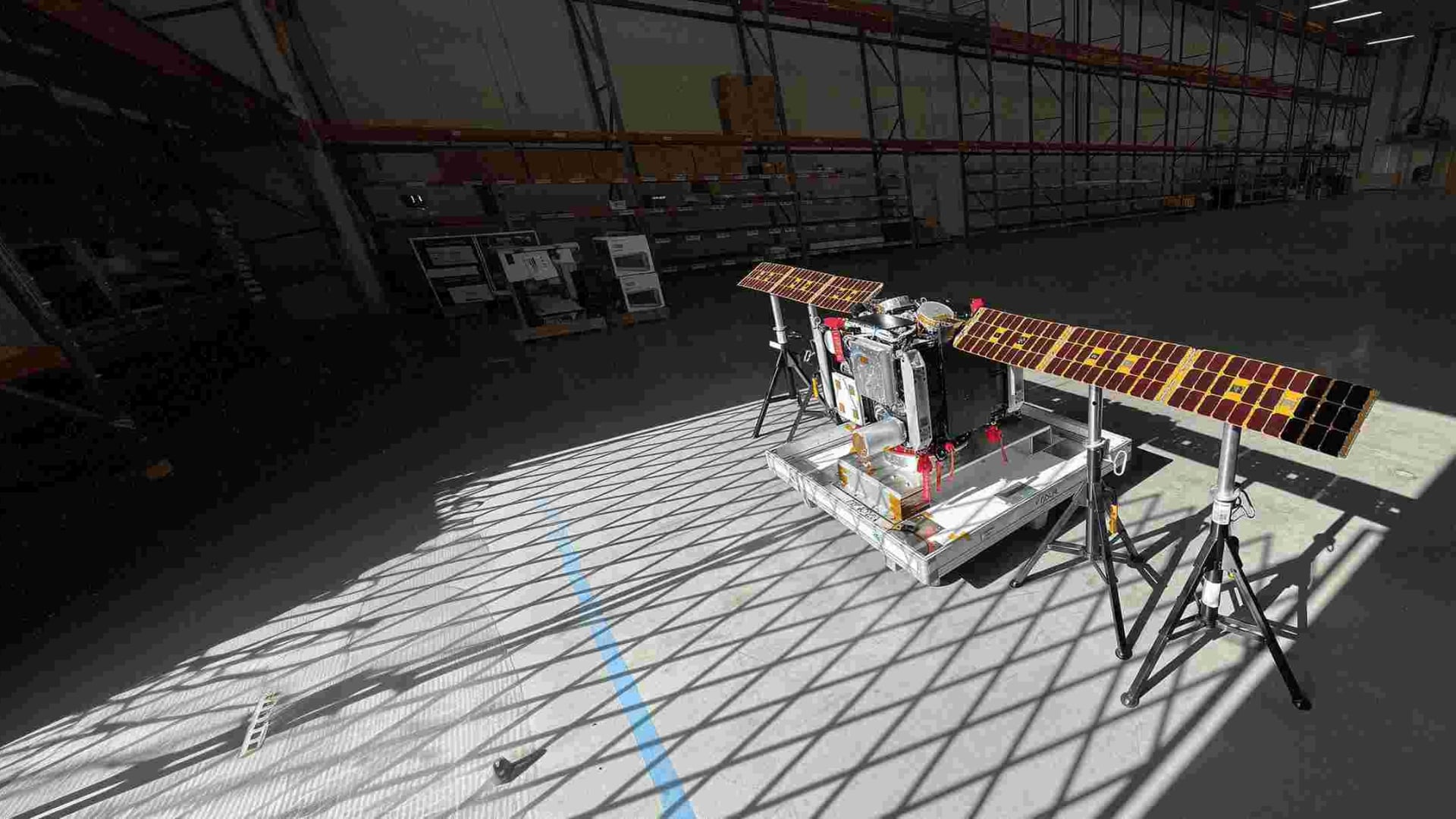
AstroForge has received the first-ever commercial license from the FCC for a deep-space mission, allowing it to communicate with its Odin spacecraft, which is set to launch in early 2025 to rendezvous with a near-Earth asteroid. The mission aims to demonstrate key stages of asteroid mining, although no actual mining will occur. Odin will orbit and image the asteroid, paving the way for the Vestri mission, which will attempt to land on the asteroid. The original Odin spacecraft was abandoned due to manufacturing issues, prompting a rapid development of a new spacecraft.
NASA's mission to the asteroid 16 Psyche, believed to contain precious metals worth an estimated $10,000,000,000,000,000,000, has sparked excitement and speculation. While the potential value of the asteroid could make every person on Earth a billionaire, NASA has clarified that its primary goal is to study planetary cores and how planets form. The spacecraft is expected to reach the asteroid in July 2029 and will utilize various instruments to map and study Psyche. Despite the asteroid's immense value, NASA has stated that mining it is not their intention, as it could have catastrophic economic consequences.