A large Australian trial shows atorvastatin reduces major cardiovascular events by 30% in healthy adults over 70, but does not significantly improve disability-free survival.
The recall of thousands of atorvastatin bottles due to manufacturing defects highlights ongoing issues with overseas drug production and FDA oversight, risking reduced drug efficacy and increased cardiovascular risks for millions of patients.
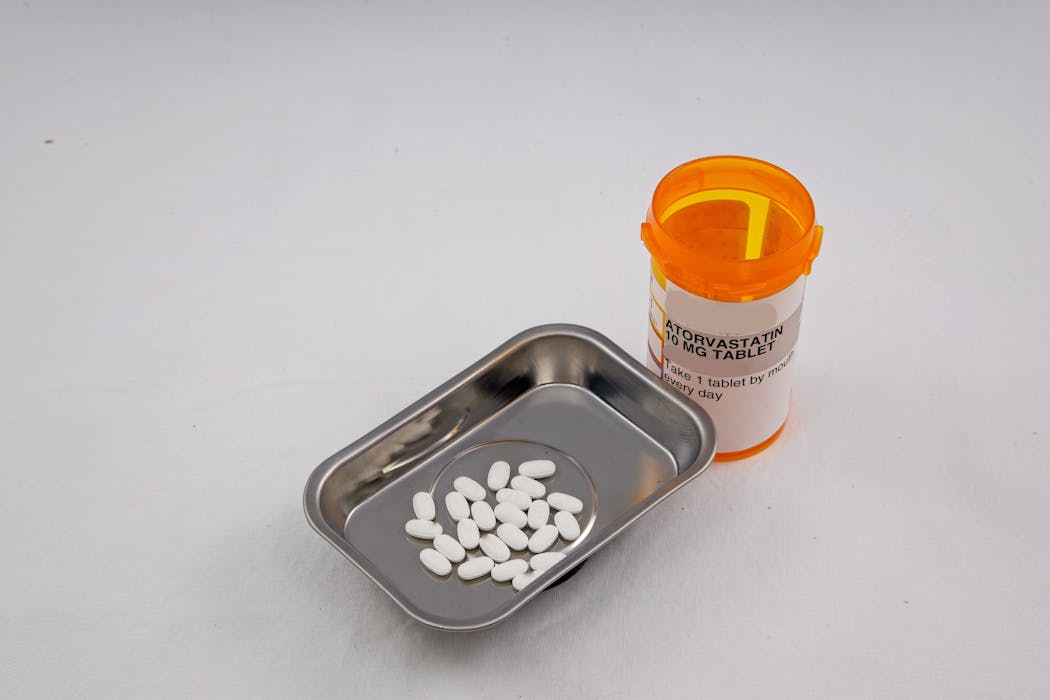
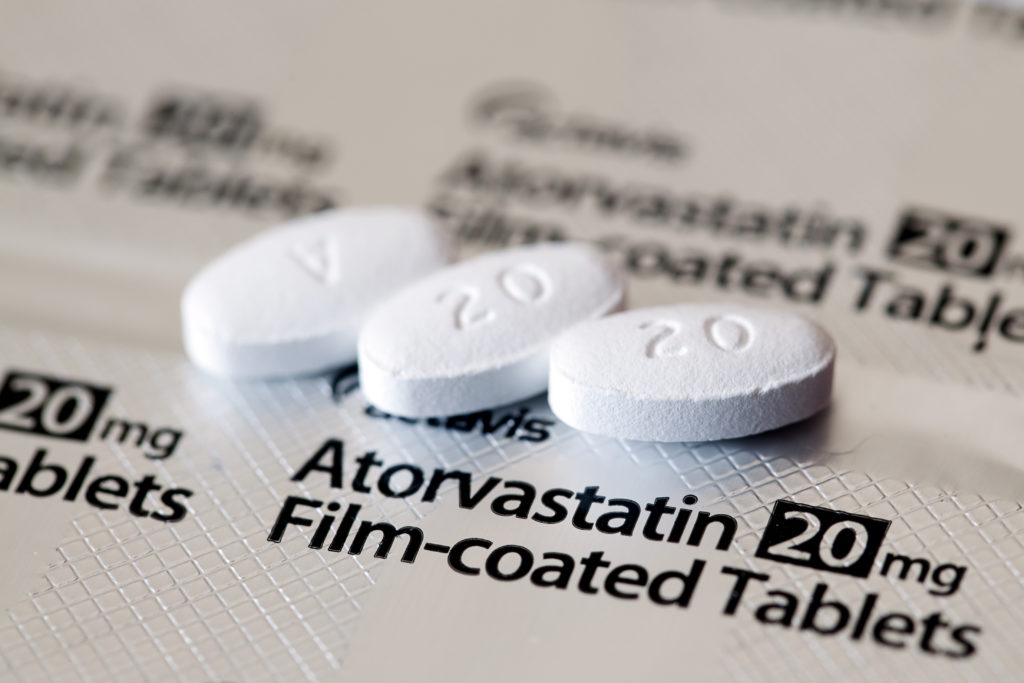
The FDA has announced a recall of approximately 312,000 bottles of atorvastatin calcium tablets by Ascend Laboratories due to potential dissolution issues, which could affect the medication's effectiveness in treating high cholesterol.
A large recall of atorvastatin, a widely used cholesterol-lowering drug, was issued due to manufacturing defects that affected drug dissolution, potentially reducing its effectiveness and increasing cardiovascular risk. Patients should check if their medication is affected and consult their healthcare provider before stopping or switching drugs. The recall highlights ongoing concerns about overseas manufacturing oversight and the need for vigilant consumer awareness.
A large recall of 141,984 bottles of generic Atorvastatin Calcium tablets was issued due to potential reduced efficacy caused by failed dissolution specifications, affecting many Americans who rely on statins to manage cholesterol. Patients are advised to consult their healthcare providers if affected.
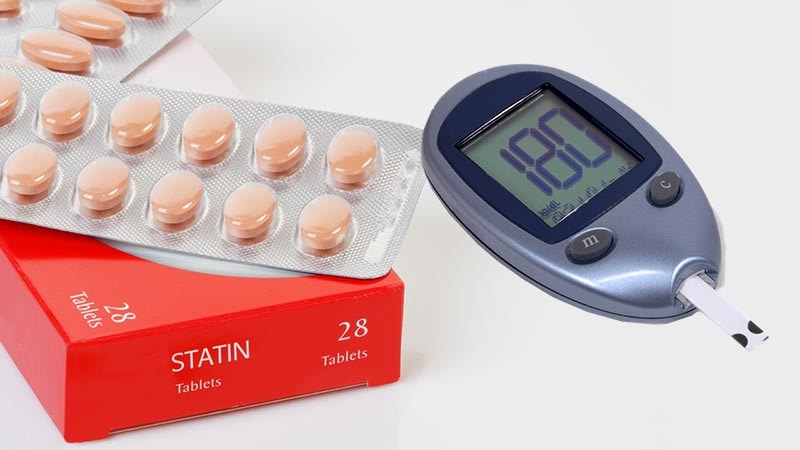
A recent study analyzed the risks associated with different statins and found that while both rosuvastatin and atorvastatin effectively prevented heart attacks and strokes, rosuvastatin was associated with a higher incidence of new-onset type 2 diabetes (T2D) and cataract surgery. However, experts caution that the study's open-label nature and suboptimal dosing of statins limit the interpretation of the findings. They emphasize that the cardiovascular benefits of statins generally outweigh the small increased risks of T2D, and recommend shared decision-making between patients and healthcare providers, considering individual risk factors and lifestyle interventions. Further research is needed to determine the reversibility of statin-associated diabetes and the potential benefits of intermittent statin use.
A secondary analysis of the LODESTAR trial compared the long-term efficacy and safety of rosuvastatin and atorvastatin in adults with coronary artery disease. The study found that both statins showed comparable efficacy for the composite outcome of all-cause death, myocardial infarction, stroke, or any coronary revascularization at three years. Rosuvastatin was associated with lower LDL cholesterol levels but a higher risk of new-onset diabetes mellitus requiring antidiabetic medication and cataract surgery compared to atorvastatin.
Atorvastatin, a cholesterol medication, can be taken either in the morning or at night as long as it is taken consistently. Unlike some other statins, atorvastatin has a longer half-life, meaning it can be taken at any time of the day. Short-acting statins like simvastatin, pravastatin, lovastatin, and fluvastatin are recommended to be taken at night because they clear from the body more quickly. Lifestyle changes such as a healthy diet, exercise, limiting alcohol intake, and quitting smoking can also help lower cholesterol levels.