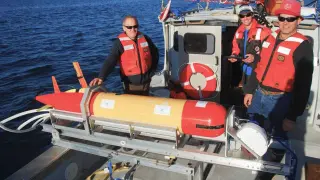
MBARI sent two autonomous underwater vehicles to a mooring off California to track a drifting sediment trap, aiming to measure the ocean's biological carbon pump during an El Nino event.
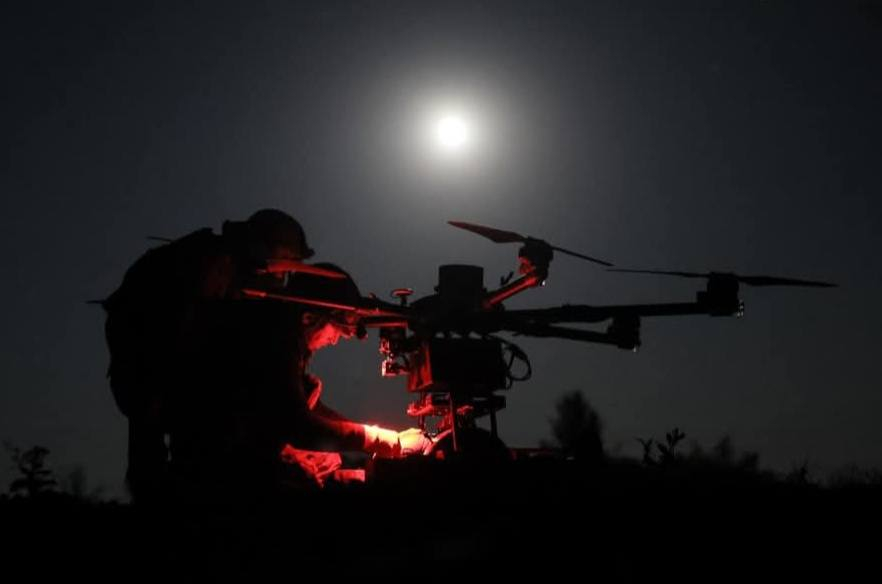
A fully autonomous Russian drone killed three civilians in Zaporizhzhia on July 6, 2026, marking the first reported instance of an AI system making the final strike decision without human input. The drone, equipped with an Nvidia Jetson Orin minicomputer, targeted a gas station but crashed into a wall, killing a 19-year-old student and two men. Ukrainian officials confirmed the drone lacked communication antennas and relied on pre-loaded terrain images and training data to select its target. While Russia has not acknowledged the incident, experts note this represents a significant shift in warfare, removing human oversight from lethal decisions. Both Ukraine and Russia are currently testing similar autonomous systems, raising concerns among humanitarian groups about the erosion of international humanitarian law principles like distinction and proportionality.
Ukraine developed a plan to launch up to 1,000 AI-guided drones at Moscow airports to disrupt air travel and pressure Russia into negotiations. The operation, codenamed 'M&Ms,' was halted after Defense Minister Mykhailo Fedorov resigned in July 2026. Zelensky approved preparations but expressed concerns about civilian risks, while the Kremlin denied the plan's existence.
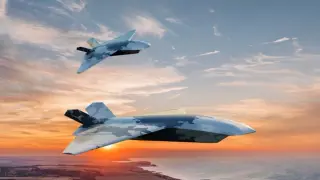
Britain's RAF unveiled Storm Fighter, an autonomous collaborative combat aircraft to fly with Typhoon, F-35 and the planned Tempest as part of a $6.6B defense modernization; the program revives loyal-wingman concepts from LANCA/Mosquito, includes carrier-demo work (Vanquish), and reflects broad industry interest (BAE, Boeing, others) with no finalized design or timeline yet.
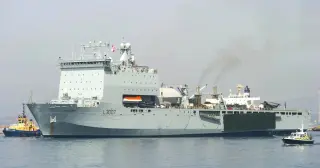
Britain is preparing a multinational mission to clear the Strait of Hormuz of mines if a peace agreement with Iran ends the war, deploying HMS Dragon and the Lyme Bay as the hub for autonomous mine-clearing drones; France and Germany are contributing vessels, as about 850 ships and 20,000 seafarers are stranded, with the aim of carving a secure shipping lane and stabilizing global energy markets.
Global powers, led by China and the United States, are accelerating AI-enabled weapons development, with Beijing showcasing autonomous drones and Washington pushing to close the gap through domestic production such as Anduril’s Fury—sparking comparisons to the nuclear era.
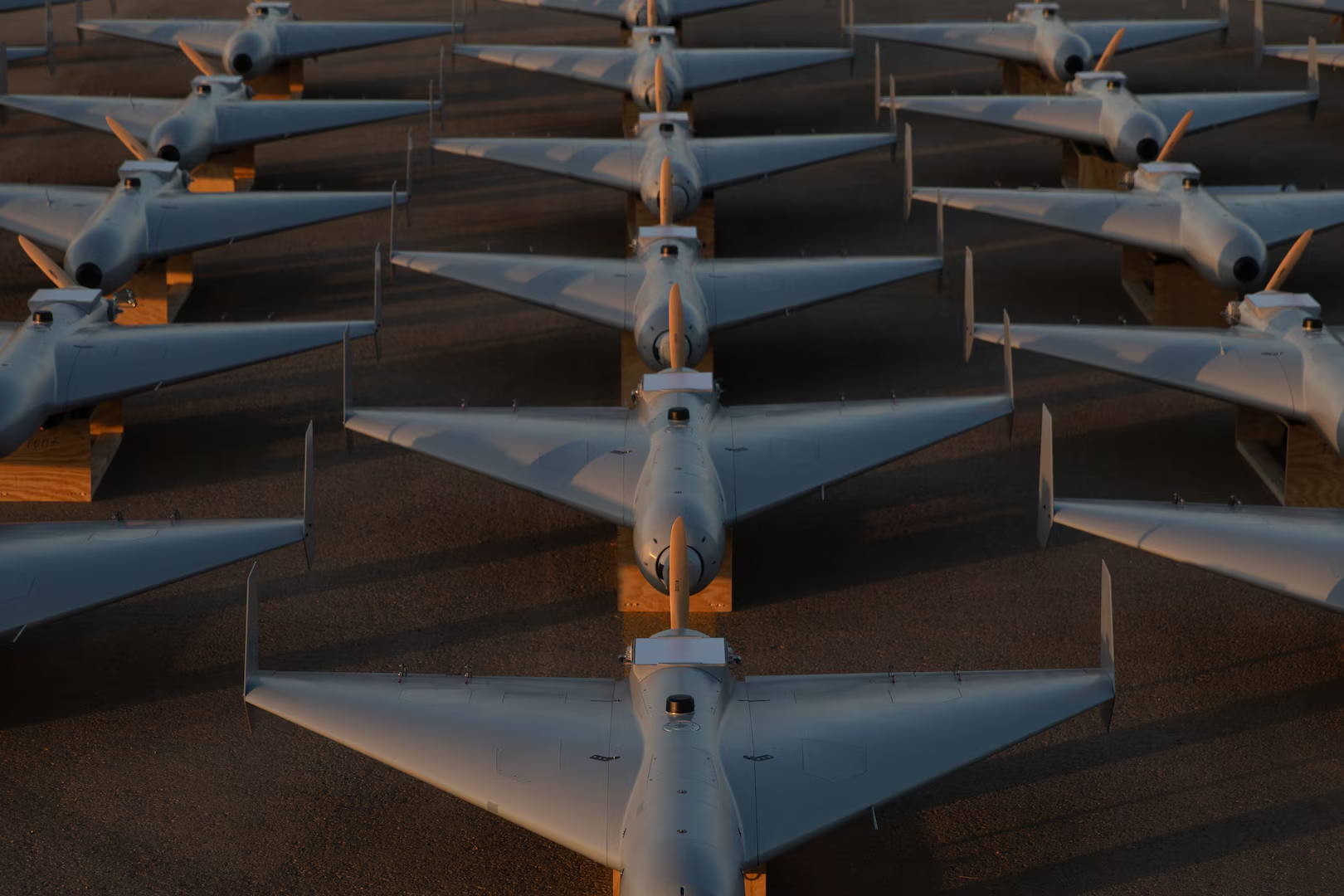
The U.S. Central Command has established Task Force Scorpion Strike in the Middle East, deploying a squadron of low-cost, autonomous one-way-attack drones called LUCAS to enhance military deterrence and innovation.
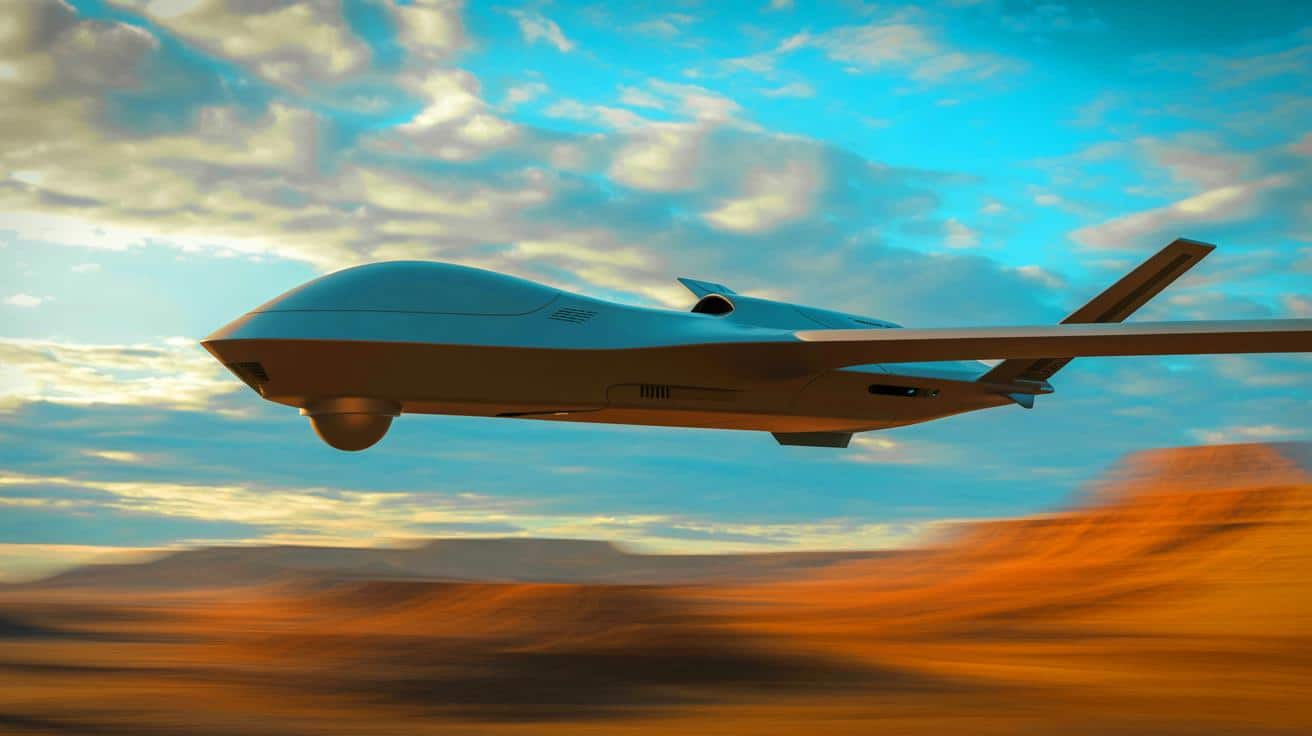
Lockheed Martin's Skunk Works has unveiled Vectis, a stealthy autonomous drone designed to enhance military air dominance with capabilities for precision strikes, intelligence gathering, and integration with next-gen aircraft, aiming for deployment by 2027 across global theaters.
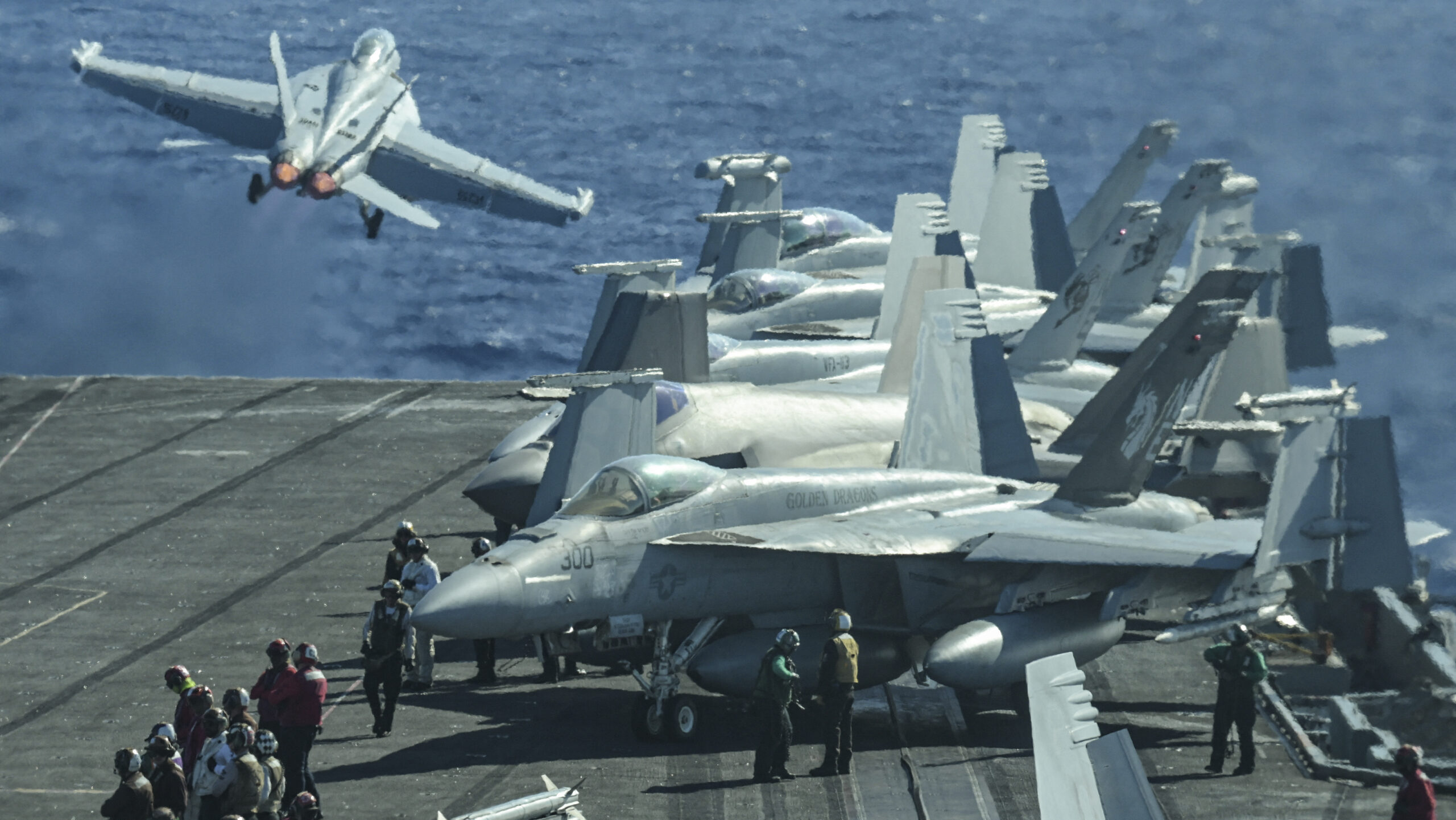
The US Navy has awarded contracts to four major aerospace companies—Anduril, Northrop Grumman, Boeing, and General Atomics—to develop conceptual designs for a carrier-based autonomous combat drone, signaling progress toward deploying 'loyal wingman' aircraft that can operate from aircraft carriers, with Lockheed Martin also involved in control systems development.
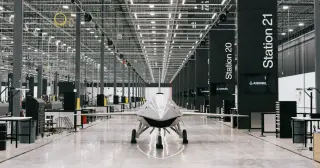
Anduril, a defense tech company specializing in autonomous drones and AI technologies, raised $2.5 billion in a funding round led by Peter Thiel’s Founders Fund, boosting its valuation to $30.5 billion. This makes it one of the most valuable private companies globally and nearing the market value of established defense giants like Northrop Grumman. The company has secured significant military contracts and is expanding its manufacturing and product development, signaling a shift in the defense industry driven by venture capital and technological innovation.
Ukraine has developed and tested autonomous 'mothership' drones capable of launching FPV attack drones for deep-strike missions, significantly reducing costs and enhancing precision in military operations, with ongoing trials and production plans by StratForce.
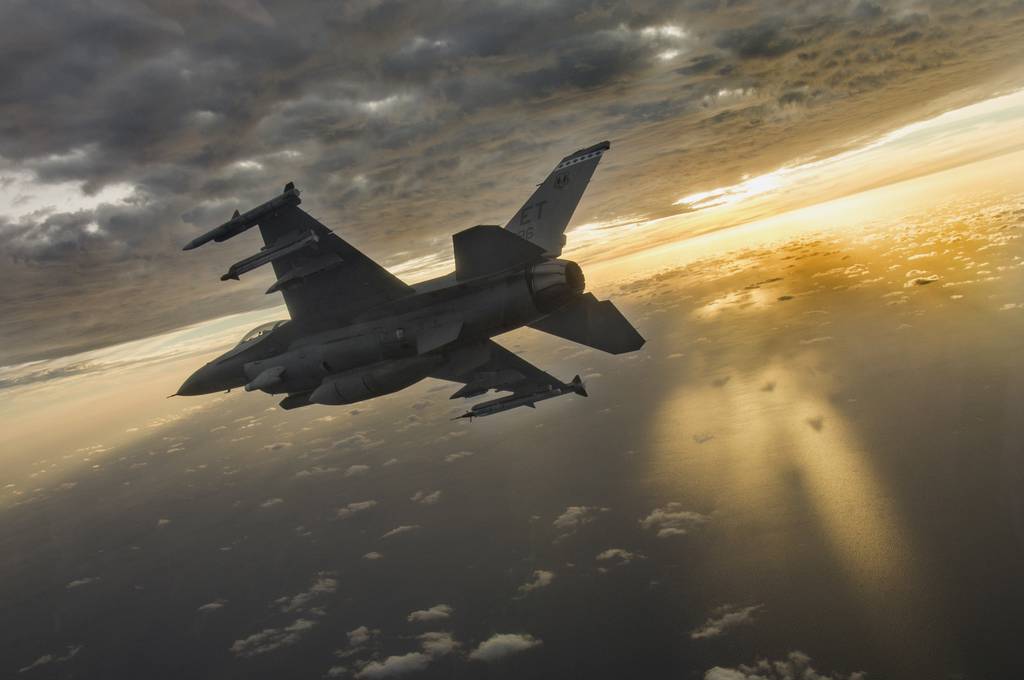
Air Force Secretary Frank Kendall plans to test an AI-operated F-16 converted for drone flight, aiming to observe the technology behind the future fleet of more than 1,000 autonomously operated drones. The fleet, designed for future warfare and potential conflict with China, is envisioned to provide support in various missions and be cheaper than developing new manned jets, with each drone costing about $20 million.
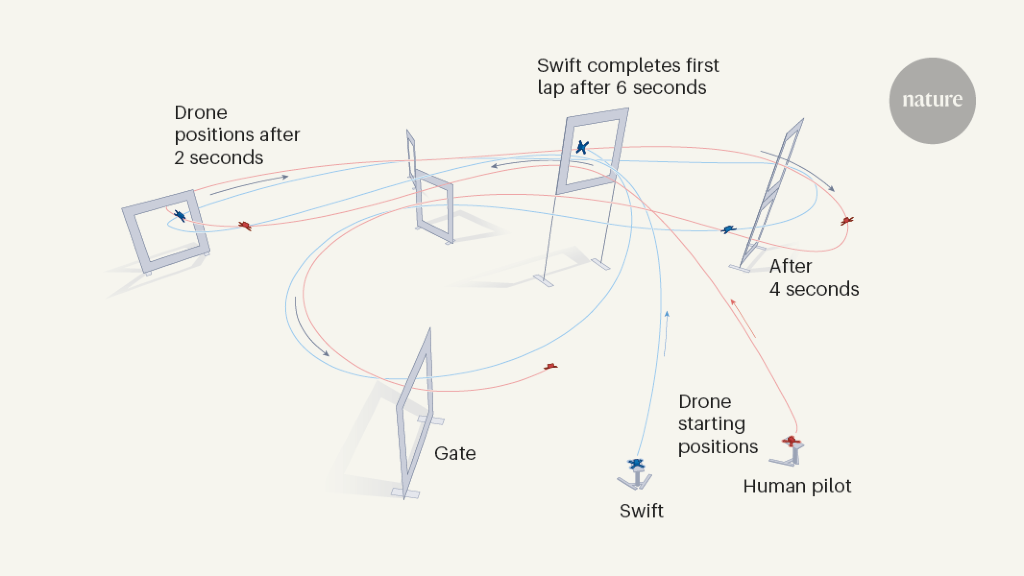
An autonomous AI-based drone system called Swift has defeated human drone-racing champions in a real-world competition. Swift, equipped with artificial intelligence that learns through trial and error, outperformed three human adversaries and achieved the fastest time on the racetrack. This victory demonstrates the growing capabilities of AI in surpassing human performance in various fields, including drone racing.
AI technology poses immense danger and can be twisted for malevolent power, warns risk analysis expert Ian Bremmer. He believes that AI will be in the hands of millions of people, including bad actors, and will lead to unprecedented social disruptions. Bremmer welcomes the great changes AI could create in various fields but highlights the potential for increased misinformation and other negative effects that would propagate in the hands of bad actors. He warns that AI is vastly more dangerous than an AR-15 and could be used for disruptive purposes.