Tag

Biomimetics

All articles tagged with #biomimetics

Kyoto University Researchers Develop Inkless UV Printing Method Mimicking Natural Foam Structures
science2 months ago

Kyoto University Researchers Develop Inkless UV Printing Method Mimicking Natural Foam Structures

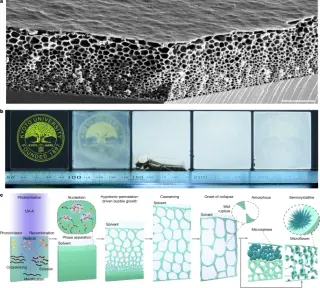
A team at Kyoto University has introduced 'deep-foam photolithography,' a new manufacturing technique that uses UV light to create high-resolution, foam-like polymer structures without ink. The process mimics natural biological foams, such as bones and banana peels, by inducing controlled pore nucleation and collapse within polymer films. This method achieves a resolution of approximately 20,000 dots per inch, enabling the creation of diffractive colors and super-hydrophobic surfaces. The technology allows for the precise patterning of wettability and optical properties, with potential applications in microfluidics and the capture of picolitre-scale liquids.
Narwhal Tusks Hide a Double-Spiral Architecture That Boosts Strength
science2 months ago

Narwhal Tusks Hide a Double-Spiral Architecture That Boosts Strength

Researchers have identified the internal mechanism behind the twisted shape of narwhal tusks. Using advanced X-ray techniques, they discovered that the tusk contains two opposing spirals: the outer layer twists left, while the inner mineralized collagen twists right. This double-helix configuration enhances the tooth's stability against bending and torsion. The findings, published in Nature Communications, suggest this structure is genetically programmed and remains stable throughout the animal's life. The research also highlights the potential for using tusk growth patterns to track historical environmental changes in the Arctic.

Venus Flytraps Snap Shut via Rapid Wall Relaxation, Study Finds
science5 months ago

Venus Flytraps Snap Shut via Rapid Wall Relaxation, Study Finds

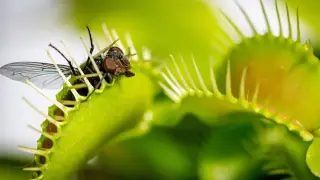
A study from Aix-Marseille University shows Venus flytraps begin closing not by water-driven motion but through a rapid one-second softening of the outer epidermal cell walls that releases stored elastic energy, making the trap snap shut. This overturns prior water-movement theories, highlights the fastest known plant-wall mechanics modulation, and could inspire soft-robotics and smart-materials design; the work led by Jeongeun Ryu was published in Science.

"Bird-Inspired Drones Take Flight: Engineering Innovation in Action"
technology2 years ago

"Bird-Inspired Drones Take Flight: Engineering Innovation in Action"

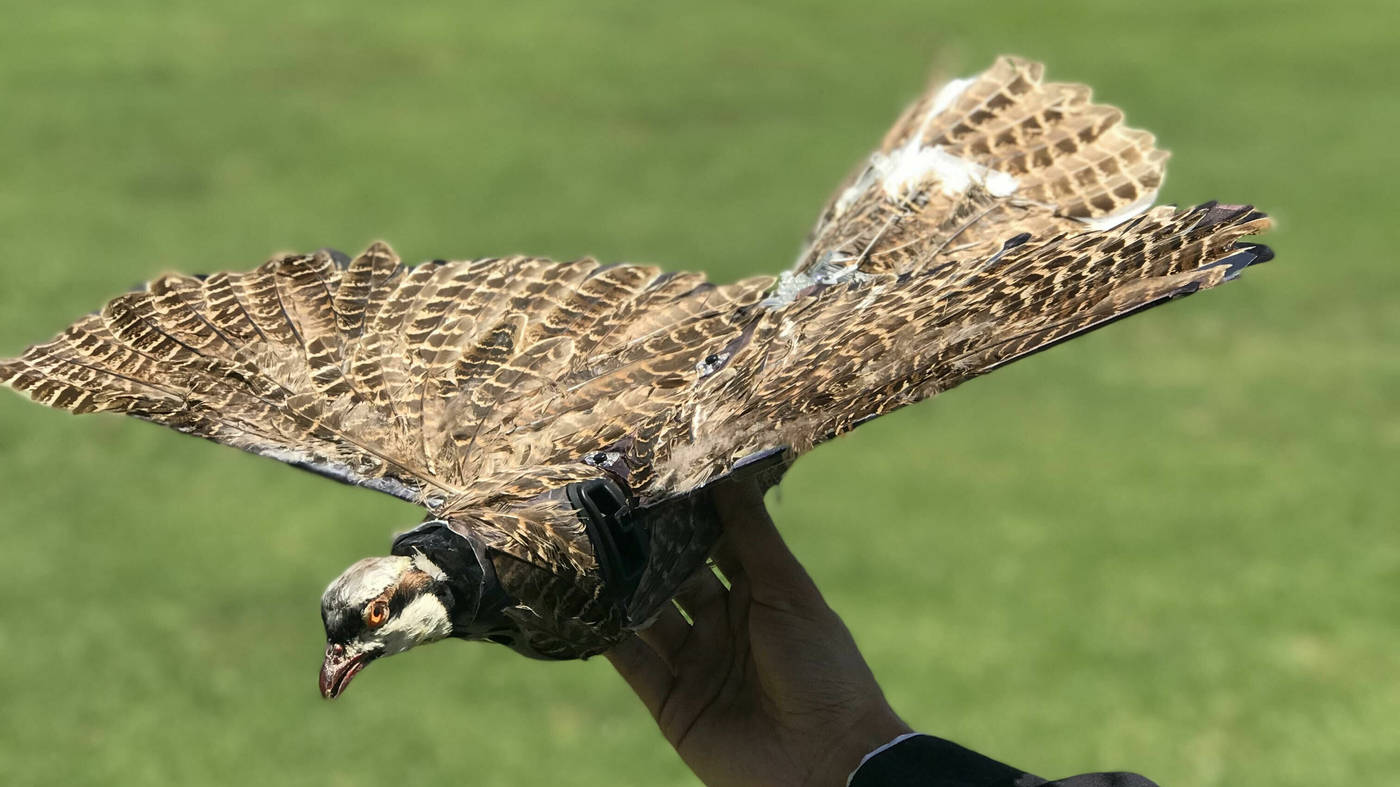
What started as a satirical conspiracy theory about bird drones is now becoming a reality as engineers are trying to reverse engineer bird flight to create more efficient bird-like drones. By studying the efficiency and flexibility of birds' flight, researchers hope to improve drone technology. Some engineers have even outfitted taxidermied birds with drone components to better understand bird flight. Lessons from birds include wing structure, coloration, and flexibility, all of which could lead to more efficient and resilient drones. While the idea of bird drones raises concerns about surveillance, researchers are primarily focused on wildlife monitoring and creating vehicles that can do good things.

"Breakthrough: International Team Unveils Revolutionary DNA Nano Engine"
science-and-technology3 years ago

"Breakthrough: International Team Unveils Revolutionary DNA Nano Engine"

An international team of scientists has developed a novel DNA nano engine that can perform pulsing movements. The engine, made of DNA and driven by a clever mechanism, has the potential to be used as a drive in complex nano machines. The researchers repurposed a mechanism found in cells to power the engine, using RNA polymerases to drive the pulsing movements. The motor requires energy in the form of nucleotide triphosphates and can be combined with other structures. The team plans to further develop the motor and explore its potential applications in nanotechnology.

"Spider DNA infusion revolutionizes silk production for superior strength and sustainability"
science-and-technology3 years ago

"Spider DNA infusion revolutionizes silk production for superior strength and sustainability"

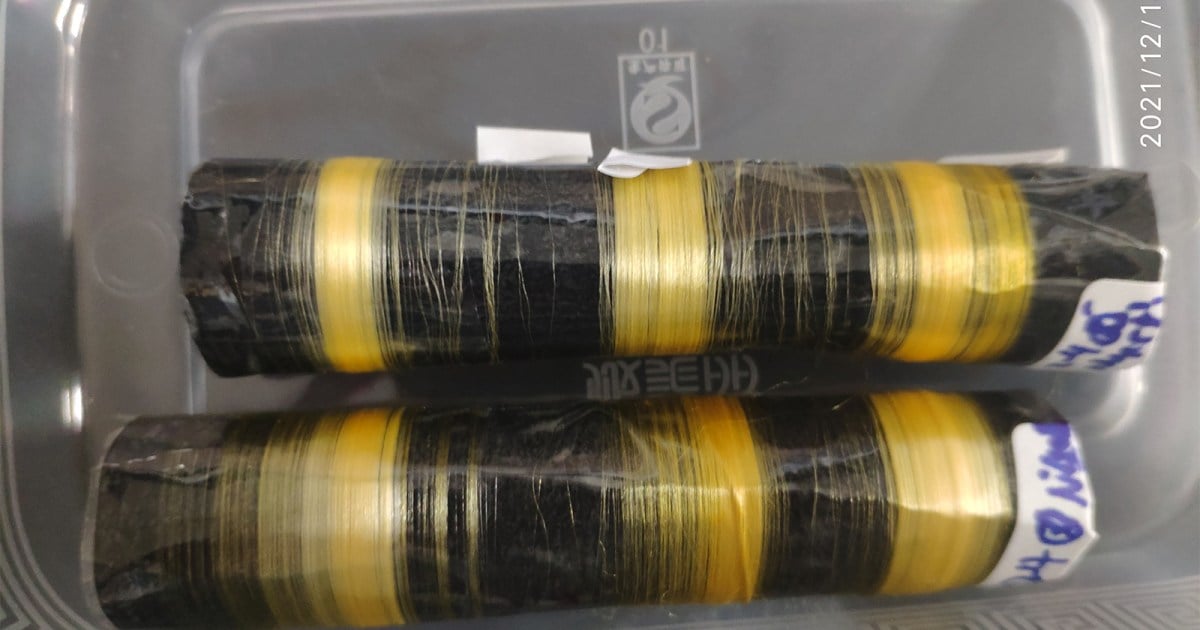
Scientists have successfully used CRISPR gene-editing technology to insert spider genes into silkworms, resulting in silk that is stronger and tougher than Kevlar. Previous attempts to genetically engineer silkworms to produce spider-quality silk had failed, but this breakthrough involved a concept called "localization" that targeted specific locations in the genome. The resulting fibers exhibited impressive tensile strength and toughness, surpassing Kevlar's toughness six-fold. This achievement opens up possibilities for the development of sustainable and eco-friendly high-strength materials, potentially transforming the textiles industry.