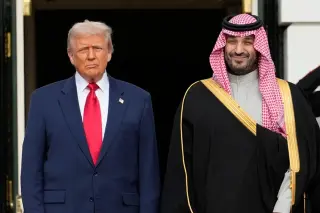
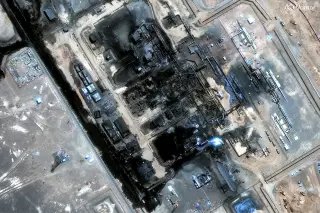
Saudi Arabia faces pressure from Iran-backed proxies striking its oil infrastructure and threatening exports, with Washington offering circumscribed support despite close ties to Crown Prince Mohammed bin Salman, highlighting energy-security concerns as the Iran war reshapes regional stability.
France’s Macron says he will convene a G7 summit to discuss releasing more strategic oil reserves as Middle East tensions and a Saudi pipeline attack destabilize energy markets; with Brent around $104–110, it remains unclear who would coordinate further releases—the G7 or the IEA—while Macron also seeks a bloc-wide European gas-storage plan as Europe heads into winter with record-low stocks.
Bo French’s racist post drew national attention and spotlighted the Railroad Commission, but Texas’ oil and gas industry largely stayed silent. The TXOGA PAC condemned the posts after endorsing French earlier, while major companies like Exxon, Chevron and Occidental did not publicly respond. Experts say public backing could risk business and workforce relations, leaving industry players to weigh regulatory realities and public sentiment as French’s campaign and Rosenthal’s bid unfold.
Analysts warn that gasoline and diesel prices will jump sharply as the Iran-related conflict escalates, with attacks on Saudi oil infrastructure and damage to a key oil pipeline likely delaying repairs for months, potentially triggering higher energy costs and possible government intervention despite administration assurances.
The Washington Post reports that the U.S.-Israeli war against Iran has Iran’s proxies activating in Yemen and Iraq, blocking two major energy corridors and pushing oil prices higher as the global economy reels; Trump expresses optimism about achieving “peace,” while the conflict deepens regional instability and draws in key Middle Eastern players.
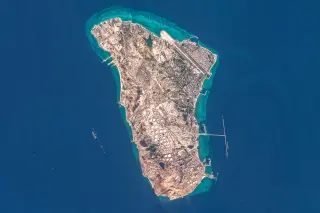
The U.S. Central Command said it struck three Iranian oil tankers in retaliation for Iran’s missiles toward two U.S. Navy ships, disabling two tankers off Kharg Island and Jask and destroying a third in the Gulf of Oman.
On a March phone call, a Trump administration emissary pitched Venezuelan oilman Alejandro Betancourt on partnering with the U.S. government, leading to the U.S. taking a stake in NABEP and promising access to new oil reserves—an arrangement that expands U.S. influence in Venezuela despite Betancourt’s controversial dealings and investigations, with Washington arguing the partnership provides benefits to both sides.
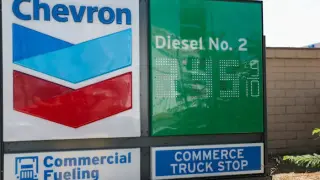
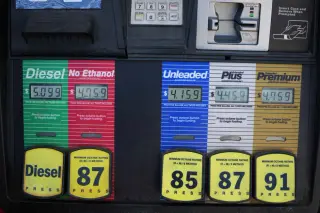
Diesel prices in the US surged toward new highs after President Trump summoned major refiners to the White House to press for steps to curb inflation by expanding refining capacity amid Iran-related supply disruptions. Wholesale diesel jumped about 7% to $4.71 a gallon in New York Harbor, signaling higher consumer costs ahead of elections. Analysts say refiners are already operating at or near capacity, so prices could push toward a 2022-record if disruptions persist, while officials and industry executives discussed ways to boost capacity and energy production. Trump touted energy policies on Truth Social, but experts caution the administration has limited leverage over prices in a tight market.
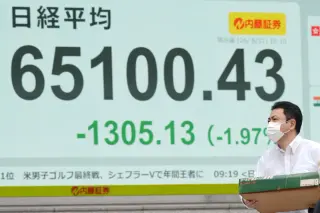
Global shares moved in mixed territory as investors weighed Federal Reserve commentary and the trajectory of policy, with U.S. stock futures slipping while other major indices fluctuated; the two-year Treasury yield jumped on inflation concerns. The dollar softened versus the yen and euro, and oil rose after a U.S. strike targeting Iranian rocket launchers, underscoring energy-market volatility amid broader growth worries.
The Trump administration is negotiating a long-term stake in a vast share of Venezuela’s oil fields—a costly, legally precarious plan intended to push energy companies to drill in a high-risk region. While a deal could come together in the coming weeks, it faces substantial hurdles from Caracas, potential U.S. congressional opposition, and broader sanctions and geopolitical risks.
Iran announced the discovery of more than 200 billion cubic metres of natural gas in Fars province, with over 160 bcm potentially recoverable, but any new production would likely take years amid disruptions to the energy infrastructure from US-Israeli strikes.
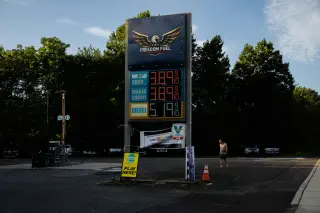
A Washington Post investigation finds Freedom Fuel Network offering deep discounts at 29 stations in Pennsylvania and New Jersey even as gas prices climb, with the station’s ownership and pricing strategy still opaque and under scrutiny, despite prominent praise from Donald Trump.
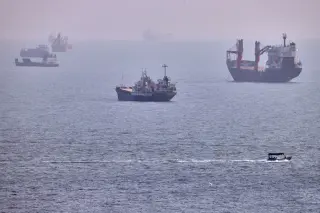
Iran says a proposed Hormuz traffic deal with Oman won’t fully reopen the Strait of Hormuz, keeping the waterway restricted even as negotiations continue, a development that pushed oil prices higher amid uncertainty over U.S.-Iran dynamics.
Major oil companies are posting strong profits as fighting in Iran drives up crude prices and disrupts a key shipping artery, underscoring geopolitical risk and the market’s sensitivity to Middle East turmoil.
Diesel prices in the US have surpassed the Biden-era average, driven by tight inventories, limited refining capacity, and sanctions-related supply constraints, keeping fuel costs elevated even as crude falls and adding inflation pressure ahead of the midterms.