Tag

Brain Regeneration

All articles tagged with #brain regeneration

Decades-long debate over adult human neurogenesis nears resolution with new genetic evidence
science13 days ago

Decades-long debate over adult human neurogenesis nears resolution with new genetic evidence

The long-standing scientific debate over whether the human brain generates new neurons after childhood is approaching a consensus. While earlier studies using chemical markers yielded conflicting results, recent research using single-nucleus RNA sequencing and machine learning has identified dividing neural progenitors in adult human brains. This suggests the brain retains a capacity for regeneration, potentially opening new avenues for treating neurodegenerative diseases, though questions remain about the maturity and function of these cells.
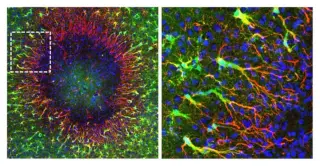
Nano-Gel Converts Brain Support Cells Into Neurons, Offering Potential Alzheimer's Cure
health1 month ago

Nano-Gel Converts Brain Support Cells Into Neurons, Offering Potential Alzheimer's Cure

Researchers at the University of South Carolina have developed a gel-based delivery system that converts astrocytes into neurons, potentially restoring brain function in Alzheimer's patients. The study, published in Cell Biomaterials, uses a technique called Nano-Eraser to degrade the PTBP1 protein in astrocytes without altering their genes. This approach resolves previous contradictions in the field regarding cell conversion and offers a non-genetic method to replenish neurons lost to neurodegenerative diseases.

Astrocyte Nuclei Travel to Rebuild Damaged Brain Networks
science2 months ago

Astrocyte Nuclei Travel to Rebuild Damaged Brain Networks

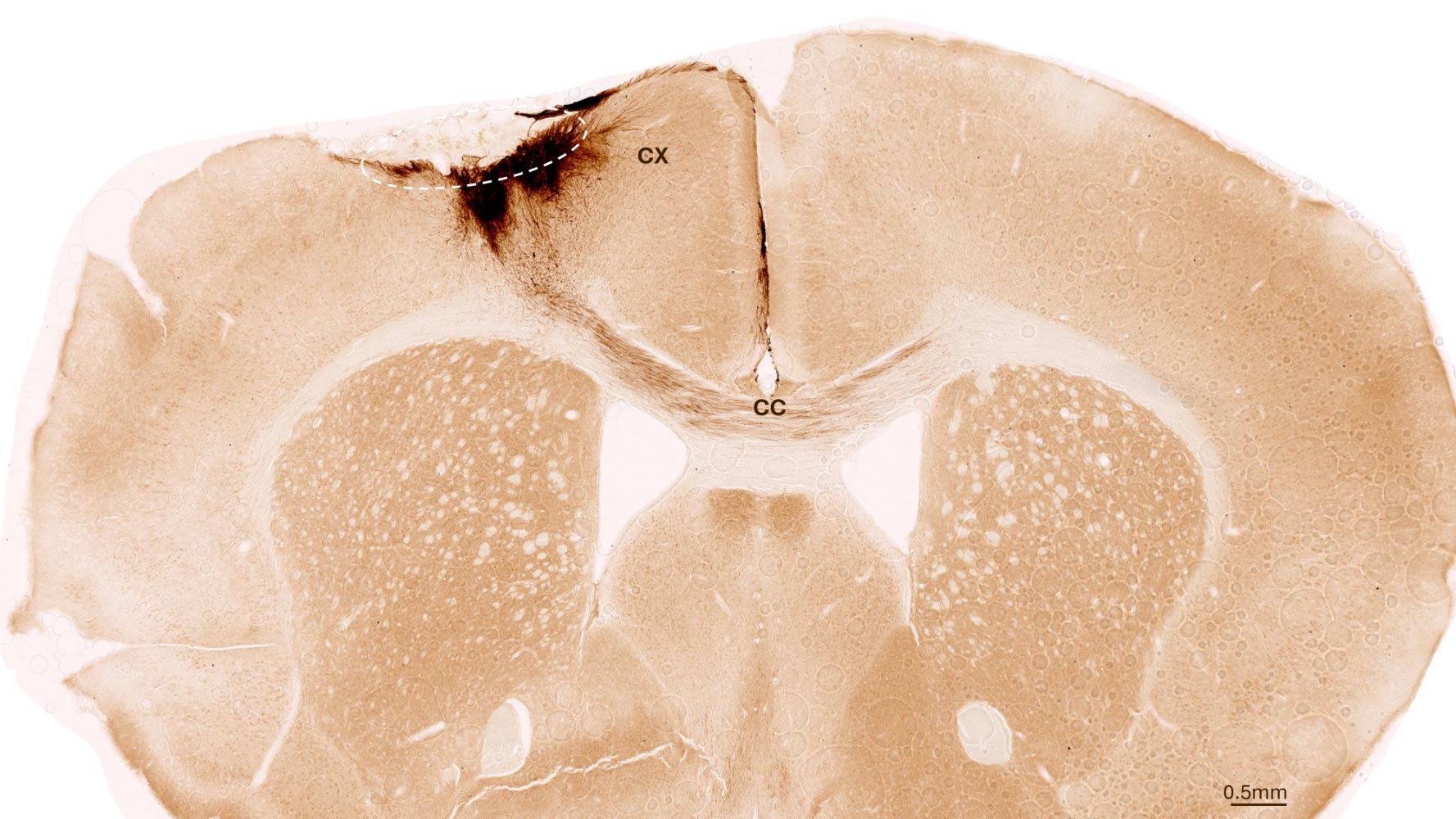
Researchers at the University of Zurich identified a novel regenerative mechanism in the adult brain: specialized perilesional astrocytes do not rely solely on local division but instead generate nuclei that migrate along long astrocytic extensions into the injury core, repopulating damaged tissue and rebuilding functional networks. Using in vivo two-photon microscopy and longitudinal gene mapping in mice, they mapped activated genes and signaling pathways that could be therapeutic targets to enhance repair after traumatic brain injury and autoimmune conditions like NMOSD. This challenges the long-held view of limited glial regeneration and suggests new avenues for brain repair therapies.

Study suggests 156-year ceiling if somatic mutations are neutralized
science3 months ago

Study suggests 156-year ceiling if somatic mutations are neutralized

A July 2026 npj Aging paper from Russia suggests humans could live as long as 156 years if the effects of somatic mutations were removed, though other aging processes and non-regenerating brain and heart tissues still limit healthy years; meanwhile, lifestyle factors like not smoking, maintaining a healthy weight, vaccines, and cancer screenings can add about a decade to life expectancy, with the current oldest person at 116 illustrating present limits.

Shrews Shrink Their Brains for Winter, Then Regrow Them
science8 months ago

Shrews Shrink Their Brains for Winter, Then Regrow Them

Shrews reduce brain size by about 30% in winter to conserve energy and regrow it in spring; new research traces the genetic basis of Dehnel's phenomenon, showing upregulated brain-formation genes, VEGFA, DNA repair and longevity pathways, and water-regulation changes that imply reversible brain-volume loss rather than neuron death—offering clues for neurodegenerative disease research.

Unraveling the Mystery of Human Brain Regeneration
neuroscience3 years ago

Unraveling the Mystery of Human Brain Regeneration

A new study from the Netherlands Institute for Neuroscience proposes a roadmap for resolving conflicting results on the brain's regenerative abilities. The study highlights the importance of accurate reporting and reproducibility in single-cell transcriptomics experiments to uncover the true potential of brain regeneration. Leveraging the brain's regenerative potential in the context of aging or neurological disorders offers a promising alternative to traditional approaches for enhancing or restoring brain function, particularly given the current absence of effective treatments for neurodegenerative diseases like Alzheimer's.

Uncovering the Brain's Self-Repairing Abilities.
neuroscience3 years ago

Uncovering the Brain's Self-Repairing Abilities.

A new study from the Netherlands Institute for Neuroscience examines the regenerative potential of the human brain in aging and neurological diseases, which could provide an alternative to conventional strategies for enhancing or restoring brain function. Recent single-cell transcriptomic studies in the adult human hippocampus yielded conflicting results, and the researchers found that the design, analysis, and interpretation of these studies in the adult human hippocampus can be confounded by specific issues that require particular attention and would greatly profit from an open discussion in the field. The study critically discusses and re-analyzes previously published datasets and proposes a roadmap on how to solve these issues.