Tag

Astrocytes

All articles tagged with #astrocytes

Berkeley Study Identifies Reactive Astrocytes as Primary Drivers of Tuberous Sclerosis Epilepsy
science15 days ago

Berkeley Study Identifies Reactive Astrocytes as Primary Drivers of Tuberous Sclerosis Epilepsy

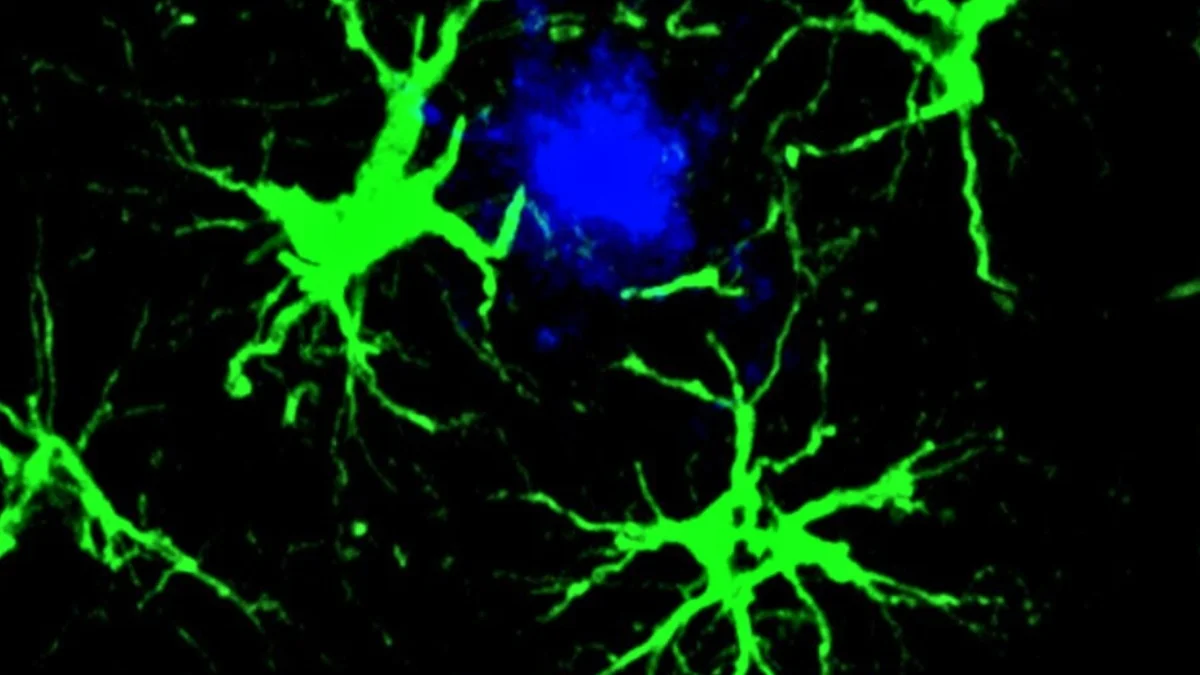
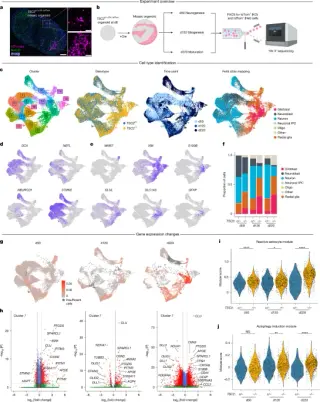
A new study published in Nature demonstrates that hyperactive mTORC1 signaling in tuberous sclerosis complex (TSC) causes neural progenitors to prematurely differentiate into reactive astrocytes. These abnormal glial cells, characterized by reduced glutamate transport and increased inflammation, are identified as a primary driver of brain lesions and seizures, rather than a secondary consequence of chronic epilepsy.

Brain's fuel system rebalances within weeks after stopping heavy drinking
science1 month ago

Brain's fuel system rebalances within weeks after stopping heavy drinking

New research shows that stopping heavy drinking causes a sharp, temporary drop in the brain’s ability to burn acetate, a fuel produced from alcohol, but brain acetate metabolism rebounds within about a month, returning to levels near light drinkers, indicating a reversible brain energy adaptation during detox and suggesting dietary or medical strategies to ease withdrawal.

Gel turns brain support cells into neurons, hinting at Alzheimer's therapy but still early-stage
science1 month ago

Gel turns brain support cells into neurons, hinting at Alzheimer's therapy but still early-stage

Scientists report a polymer gel that carries a PTBP1-targeting antibody across the blood-brain barrier to astrocytes, converting them into neurons in cell cultures and brain organoids; in Alzheimer’s-model mice, this treatment correlated with more neurons, reduced inflammation, and improved memory in behavioral tests, though in vivo neuronal conversion remains unconfirmed and extensive safety and primate studies are still needed before any human trials.

Two Injections Rebuild Brain Cells in Alzheimer's-Modeled Mice
science1 month ago

Two Injections Rebuild Brain Cells in Alzheimer's-Modeled Mice

USC researchers used a Nano-ERASER system to degrade PTBP1 in brain astrocytes, converting them into neurons in Alzheimer’s-model mice. After just two injections, treated mice showed higher neuron density, better performance on nest-building and water maze tasks, and reduced brain inflammation markers, indicating reversal of Alzheimer’s-like damage in these models. The findings are early-stage, demonstrated in mice and brain organoids, with primate and human trials still far off.

Two Injections Convert Brain Support Cells into Neurons, Reversing Alzheimer's Signs in Mice
science1 month ago

Two Injections Convert Brain Support Cells into Neurons, Reversing Alzheimer's Signs in Mice

Researchers at the University of South Carolina used Nano-ERASER, an injectable nanogel system that degrades PTBP1 in astrocytes, to trigger astrocyte-to-neuron conversion in brain organoids and Alzheimer’s-like mice. After two injections, treated mice showed improved nesting behavior and better performance in water maze tests, with higher neuron density and reduced disease markers, suggesting repair of neural circuits. While promising, the findings are early-stage and limited to animals; further long-term and primate studies are planned before any human trials.

Astrocyte Nuclei Travel to Rebuild Damaged Brain Networks
science1 month ago

Astrocyte Nuclei Travel to Rebuild Damaged Brain Networks

Researchers at the University of Zurich identified a novel regenerative mechanism in the adult brain: specialized perilesional astrocytes do not rely solely on local division but instead generate nuclei that migrate along long astrocytic extensions into the injury core, repopulating damaged tissue and rebuilding functional networks. Using in vivo two-photon microscopy and longitudinal gene mapping in mice, they mapped activated genes and signaling pathways that could be therapeutic targets to enhance repair after traumatic brain injury and autoimmune conditions like NMOSD. This challenges the long-held view of limited glial regeneration and suggests new avenues for brain repair therapies.

Astrocytes unleash brain cleanup to clear Alzheimer's plaques in mice
science2 months ago

Astrocytes unleash brain cleanup to clear Alzheimer's plaques in mice

A Baylor College of Medicine study shows boosting Sox9 in aging astrocytes increases MEGF10-mediated phagocytosis, leading to clear amyloid plaques and preserved cognition in Alzheimer's-model mice for six months; when Sox9 is knocked down, plaques accumulate faster and memory worsens, suggesting astrocyte-driven clearance as a potential therapy—yet human applicability remains unproven.

science2 months ago

REM Dreams Hint at a Hidden Brain Energy Paradox

A mouse study from Tohoku University shows that during REM sleep, blood flow and astrocyte-derived fuel rise, but neuronal ATP declines, suggesting energy delivery and usage are temporarily out of sync as dreaming triggers intense brain activity. This energy mismatch means more blood flow doesn’t automatically boost usable energy, and the brain may reorganize energy flow to support internal processing and memory, helping explain why dreaming can feel tiring and how sleep maintains neural efficiency.

Astrocytes Could Be the Brain’s Hidden Memory Engine
science4 months ago

Astrocytes Could Be the Brain’s Hidden Memory Engine

MIT researchers propose astrocyte tripartite synapses as computational units that could enable memory storage beyond neuron-to-neuron networks, using a dense associative memory framework. In this view, neuron–astrocyte networks might store far more memories, with capacity scaling with network size, potentially explaining why human memory has no known upper limit. The model is theoretical and awaits experimental testing, challenging the traditional neuron-first view of memory storage.

Astrocytes as the Brain's Clean-Up Crew Could Transform Alzheimer's Therapy
health5 months ago

Astrocytes as the Brain's Clean-Up Crew Could Transform Alzheimer's Therapy

New preclinical work shows astrocytes, when their autophagy pathway is boosted (LC3B/SQSTM1), can clear beta-amyloid in the hippocampus, reducing inflammation and protecting neurons—hinting at a glia-first Alzheimer's therapy. While promising, translating this to humans will require precise delivery, safety assessments, and biomarkers, with trials likely pairing glial agents with other anti-amyloid or anti-inflammatory treatments.

CAR-astrocytes: engineered brain cells purge Alzheimer's plaques in mice with one injection
science7 months ago

CAR-astrocytes: engineered brain cells purge Alzheimer's plaques in mice with one injection

Researchers engineered astrocytes to express a CAR targeting amyloid beta, turning them into brain “super cleaners.” In mice, a single gene-therapy injection either prevented plaque formation when given early or reduced existing amyloid plaques by ~50%, signaling a potential new immunotherapy approach for Alzheimer's—though safety and human trials remain to be established.