Tag

Browser Extension

All articles tagged with #browser extension

Microsoft Rolls Out Standalone Tool to Force Bing Across Windows 11 Browsers
technology3 days ago

Microsoft Rolls Out Standalone Tool to Force Bing Across Windows 11 Browsers

Microsoft released a standalone tool called MicrosoftSettings.exe (Microsoft Recommended Search Settings) that prompts users to set Bing as the default search across Edge, Chrome, and Firefox and then installs a Chrome extension to enforce Bing, followed by a redirect to the Microsoft Rewards page after setup; the app isn’t distributed via Windows Update or the Microsoft Store and uses a WinUI shell with WebView2 to push the extension. Chrome and Brave warn about the extension, and prompts to revert can appear, illustrating Microsoft’s ongoing effort to push Bing across browsers—even allowing sign-in to Bing with Google or Apple accounts.


Hide YouTube Shorts From Your Feed: Mobile Limits or Desktop Extensions
technology16 days ago

Hide YouTube Shorts From Your Feed: Mobile Limits or Desktop Extensions

YouTube doesn’t offer a direct way to turn off Shorts; on mobile you can hide them by setting the Shorts feed limit to 0 minutes via Time management, which removes Shorts from the home feed (refresh if needed). On desktop, use the three‑dot menu to Show Fewer Shorts, or install a browser extension like Unhook to permanently hide Shorts (and optionally other clutter) from your YouTube home feed.

Knockoff: Local, Open-Source Extension Filters Fake Amazon Brands
technology1 month ago

Knockoff: Local, Open-Source Extension Filters Fake Amazon Brands

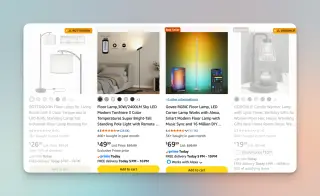
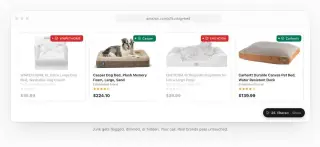
A new browser extension called Knockoff helps Amazon shoppers avoid fake, mass-produced brands by flagging or hiding suspect listings. It runs locally in Firefox, Chrome, and other Chromium-based browsers, requires no account, and is open-source with code on GitHub. Users can adjust badges and report misclassifications to improve accuracy over time. While effective in filtering out many knockoffs, it may also mislabel legitimate brands and does not assess product quality, so buyers should still scrutinize listings themselves.

Knockoff Extension Filters Out No-Name Brands on Amazon
technology1 month ago

Knockoff Extension Filters Out No-Name Brands on Amazon

A Chrome and Firefox extension called Knockoff cross-references Amazon listings against a 5,000-brand registry to gray out or hide shady, unbranded items. It offers Relaxed, Standard, and Strict modes, plus allowlists and blocklists, and runs locally without logging in or tracking. The article notes not all unknown brands are bad (Xteink is given as an example) and advises readers to check reviews, seller profiles, price history, and specs even when items are filtered.

Knockoff: Free on-device filter to hide knockoff brands on Amazon
technology1 month ago

Knockoff: Free on-device filter to hide knockoff brands on Amazon

Amazon’s shopping feed is cluttered by sponsored ads and low-quality, white-label brands. Knockoff, a free open-source browser extension for Chrome and Firefox, filters listings on-device by cross-referencing a ~5,000-brand database and applying linguistic heuristics, allowing you to dim, label, or hide pseudo-brand items and even scrub ad carousels, with three filtering levels and no user accounts or trackers.

New Extension Filters Out Sketchy Brands From Amazon Search Results
technology1 month ago

New Extension Filters Out Sketchy Brands From Amazon Search Results

A Chrome/Firefox extension called Knockoff automatically hides, dims, or filters products from sketchy brands on Amazon and lets users curate blocked brands locally, with no data sent to servers. The list of blocked brands is community-driven and user-editable, and the extension even allows reporting misflagged items. The tool underscores how common shady brands are in Amazon searches and ties into broader criticisms of the platform’s marketplace and ad-driven visibility.

1Password adds phishing-warning guard to its browser extension
tech7 months ago

1Password adds phishing-warning guard to its browser extension

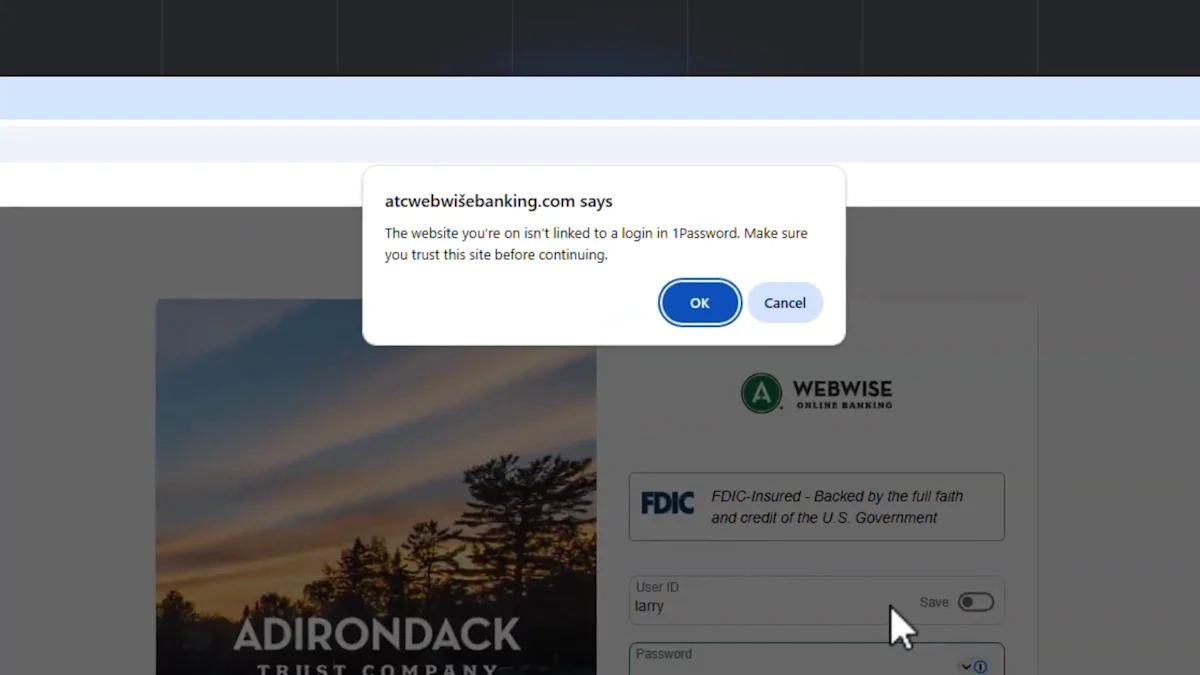
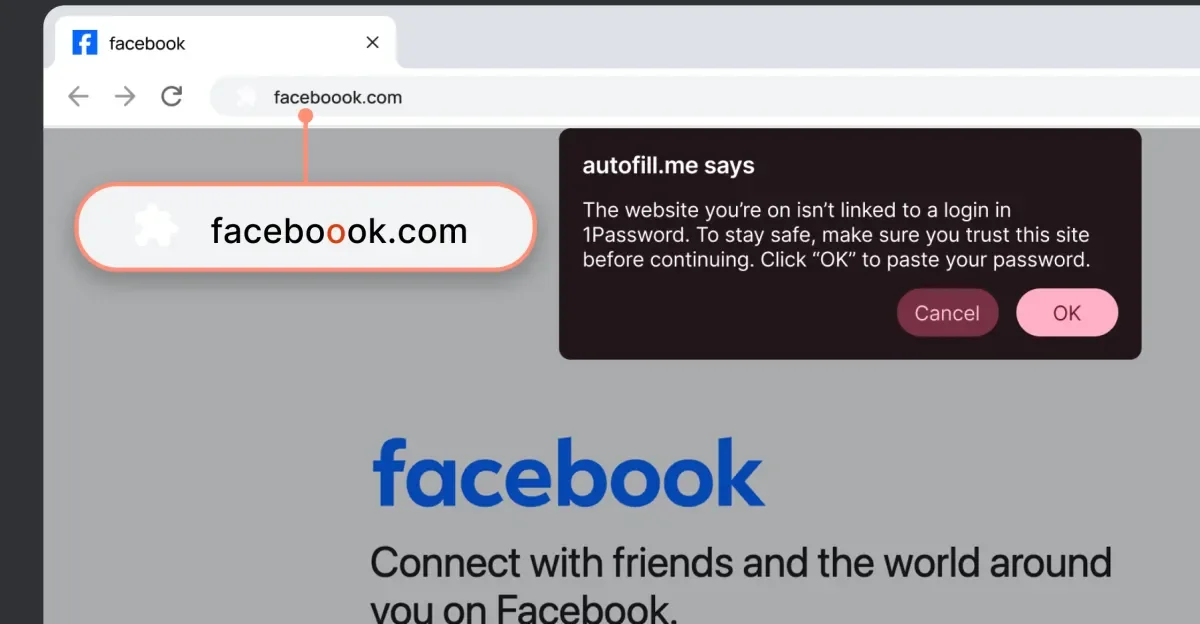
1Password’s browser extension will warn users and halt autofill when a clicked login link leads to a URL that doesn’t match the saved login, aiming to curb phishing. It’s not foolproof, can still be bypassed by manual login entry, and will rollout gradually with individual/family accounts enabled by default when available and business use requiring admin activation.

Microslop Mania: Windows 11 AI Backlash Spurs Rename Extension
technology7 months ago

Microslop Mania: Windows 11 AI Backlash Spurs Rename Extension

Windows 11’s growing AI integration has sparked backlash, with users labeling Microsoft as 'Microslop' and a Chrome extension that visually renames Microsoft to Microslop; the piece traces Copilot’s rollout across Windows 11 since 2023 and how the AI push in core apps has frustrated some users, while industry voices and companies like Dell push back on AI-centric PCs.

Anthropic Launches Claude AI Chrome Extension Amid Browser Security Concerns
technology1 year ago

Anthropic Launches Claude AI Chrome Extension Amid Browser Security Concerns

Anthropic's AI Chrome extension, designed to automate tasks, has significant security vulnerabilities with a 23.6% attack success rate, reduced to 11.2% with safety measures. Experts warn that these risks, including prompt injection and malicious instructions, pose serious security concerns, and current protections are insufficient, placing the burden of security on users.

Top Password Managers Face Critical Clickjacking Vulnerabilities
technology1 year ago

Top Password Managers Face Critical Clickjacking Vulnerabilities

A security researcher revealed that some password manager browser extensions are vulnerable to clickjacking attacks that can steal sensitive data, but desktop and mobile apps are not affected. Several password managers have issued patches or are working on fixes, and users are advised to update their software, disable auto-fill, or use desktop/mobile versions to stay safe. Good cybersecurity practices, like avoiding suspicious links and using VPNs and antivirus software, are also recommended.