
Meal timing and chewing patterns may shift calorie intake
New findings suggest that when you eat and even how much you chew can affect calorie absorption, implying that meal timing and chewing behavior may influence overall energy intake.

All articles tagged with #calorie intake
New findings suggest that when you eat and even how much you chew can affect calorie absorption, implying that meal timing and chewing behavior may influence overall energy intake.
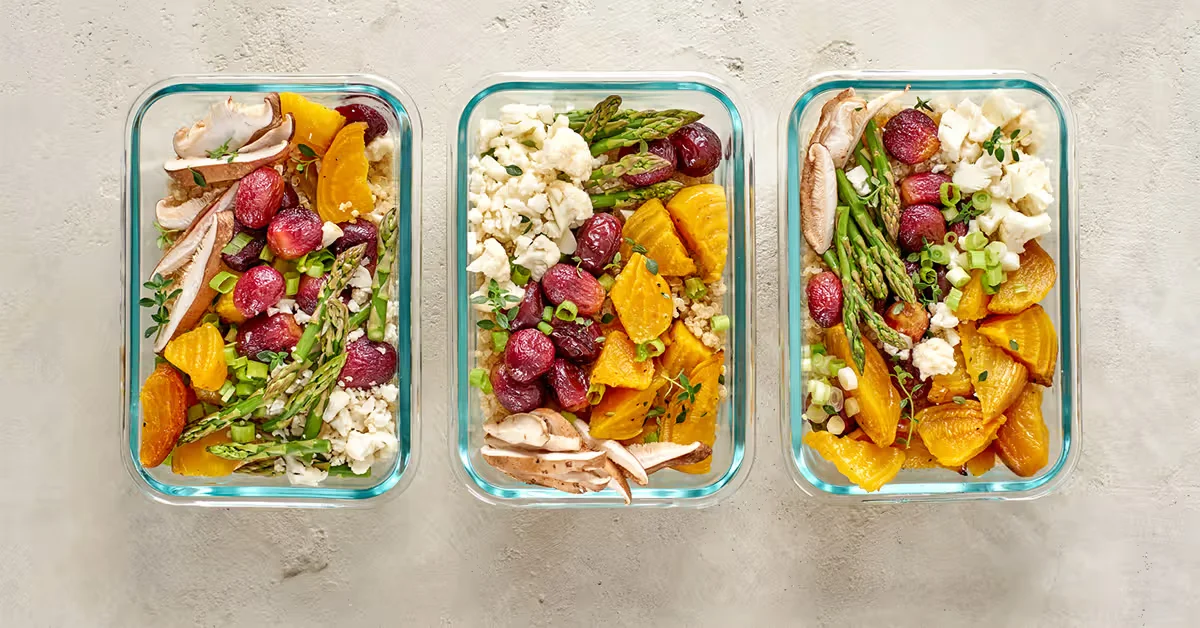
A Healthline study of 112 adults in a 12-week weight‑loss program found that participants who ate the same go‑to meals and kept calories steady lost more weight (average 5.9% of body weight) than those with a more varied diet (4.3%). The results show a correlation between dietary consistency and weight loss, though causation isn’t established and data were self‑reported within a highly structured program; the takeaway is that simplifying food choices and maintaining predictable calories may help some people lose weight.
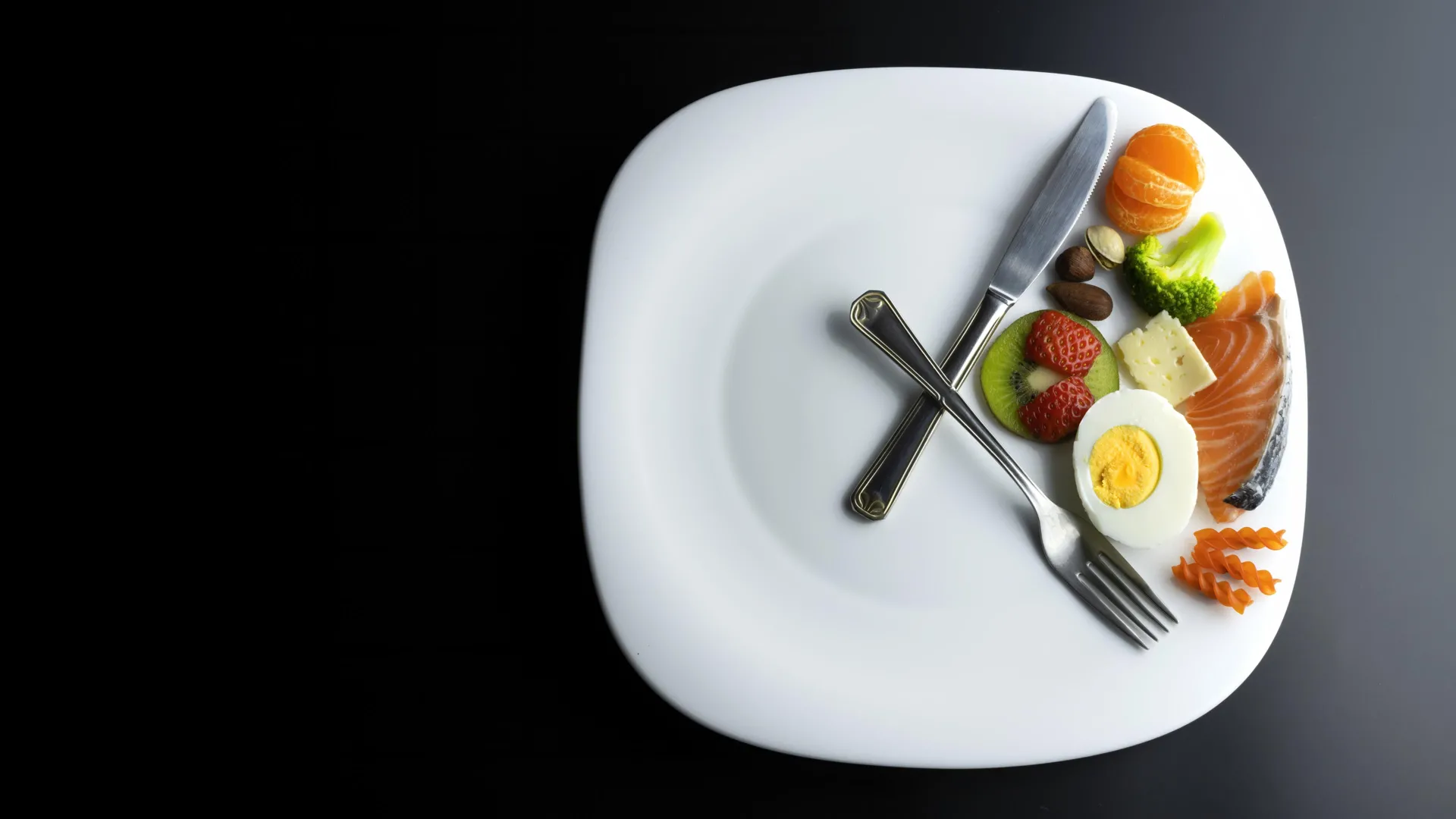
A study from Germany found that time-restricted eating without reducing calorie intake does not improve metabolic or cardiovascular health, suggesting that calorie reduction, not meal timing, may be key for health benefits. However, meal timing did influence the body's internal clock.
A recent German study challenges the effectiveness of time-restricted eating (intermittent fasting without calorie reduction) in improving metabolic health, finding no significant benefits in insulin sensitivity or heart health, and highlighting the importance of calorie reduction and individual factors like chronotype.
A study using the IAEA's Doubly Labelled Water Database found that increased calorie intake, not reduced physical activity, is the main driver of obesity in industrial societies, suggesting that public health efforts should focus more on diet quality rather than physical activity alone.
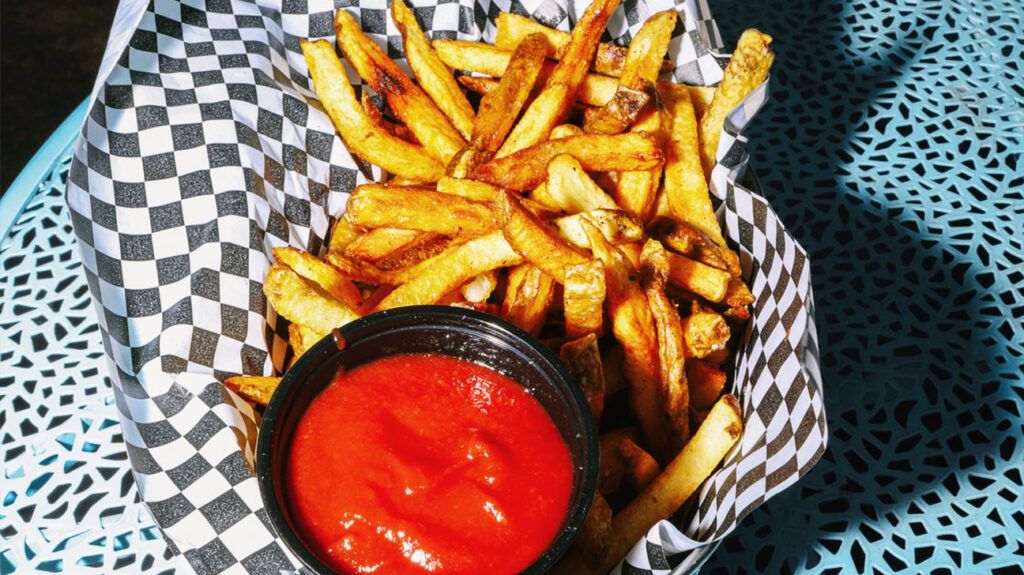
A new study suggests that reducing calorie intake, especially from ultra-processed foods, may be more effective for weight loss than increasing exercise, highlighting the importance of diet quality in managing obesity.
A study analyzing diverse populations found that obesity is more strongly linked to high consumption of ultra-processed foods than to lack of exercise, with total energy expenditure only weakly associated with obesity, emphasizing the importance of diet quality in addressing the obesity epidemic.
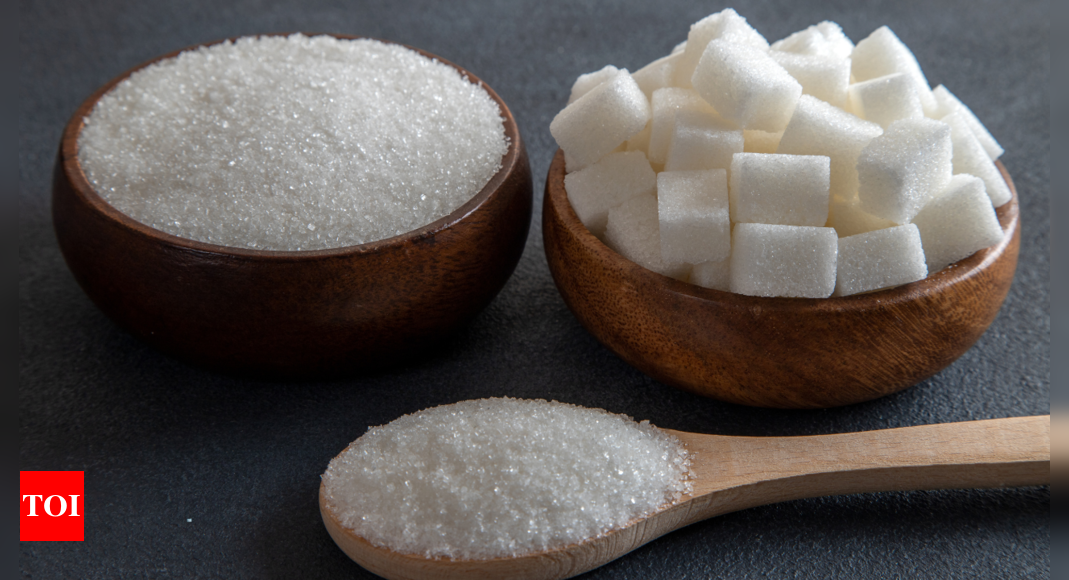
The debate over sugar's impact on health and weight gain continues, with research suggesting that while sugar itself may not directly cause weight gain, its presence in processed foods can lead to overconsumption and calorie surplus. Government guidelines recommend limiting daily intake of free sugars to 30g for adults and even less for children, as exceeding these limits can contribute to weight gain and increase the risk of various health conditions.

A study conducted by The Ohio State University reveals that American adults consume an additional meal's worth of calories each day through snacking on junk food. These non-nutritious treats contribute up to 500 calories, approximately a quarter of their daily calorie intake and one-third of daily added sugar. The study highlights the lack of nutritional value in these snacks, which primarily consist of carbohydrates, sugars, and fats. The findings emphasize the need for individuals to choose snacks based on their nutritional needs and plan them accordingly.
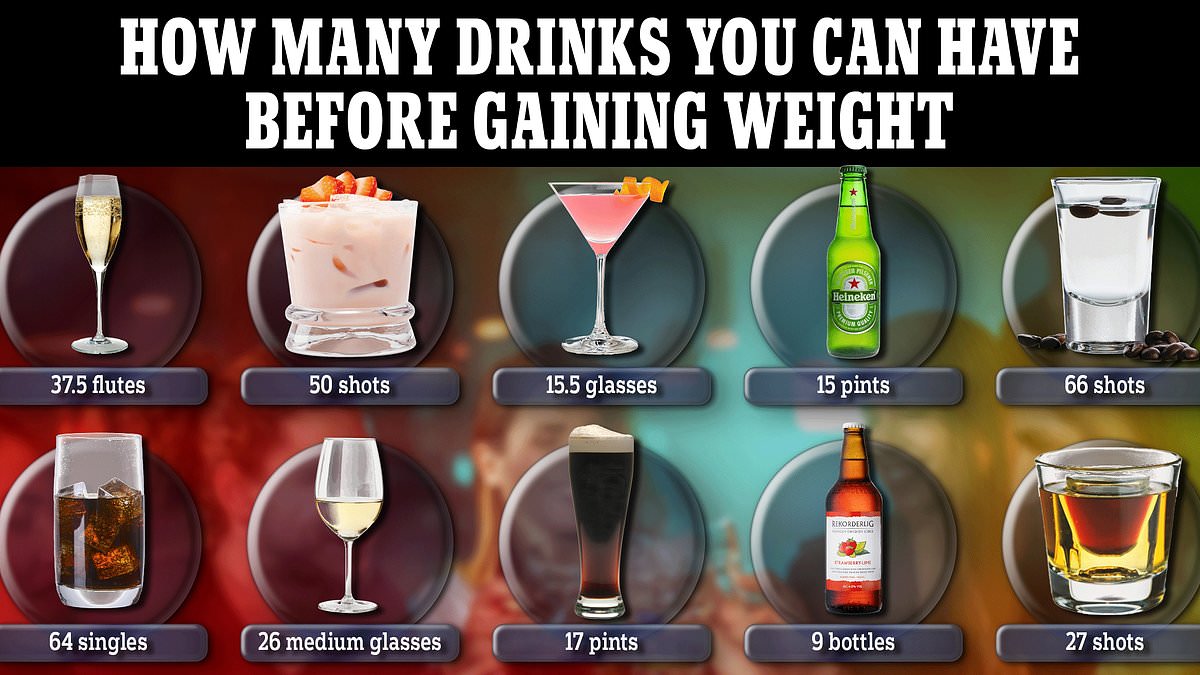
A wellness influencer on TikTok has shared a breakdown of how many popular alcoholic drinks one would need to consume in order to gain one pound of body fat. Based on an equation by researcher Dr. Max Wishnofsky, it would take roughly 3,500 excess calories to gain a pound of fat. For example, one would need to drink nearly 30 glasses of white wine or 40 flutes of champagne above their normal diet to gain one pound. Beer lovers would need more than 15 pints of Heineken or 30 bottles of Corona, while shots of tequila or sambuca would require over 50 and 60 shots, respectively. However, individual metabolism can vary, so these figures may not apply to everyone.
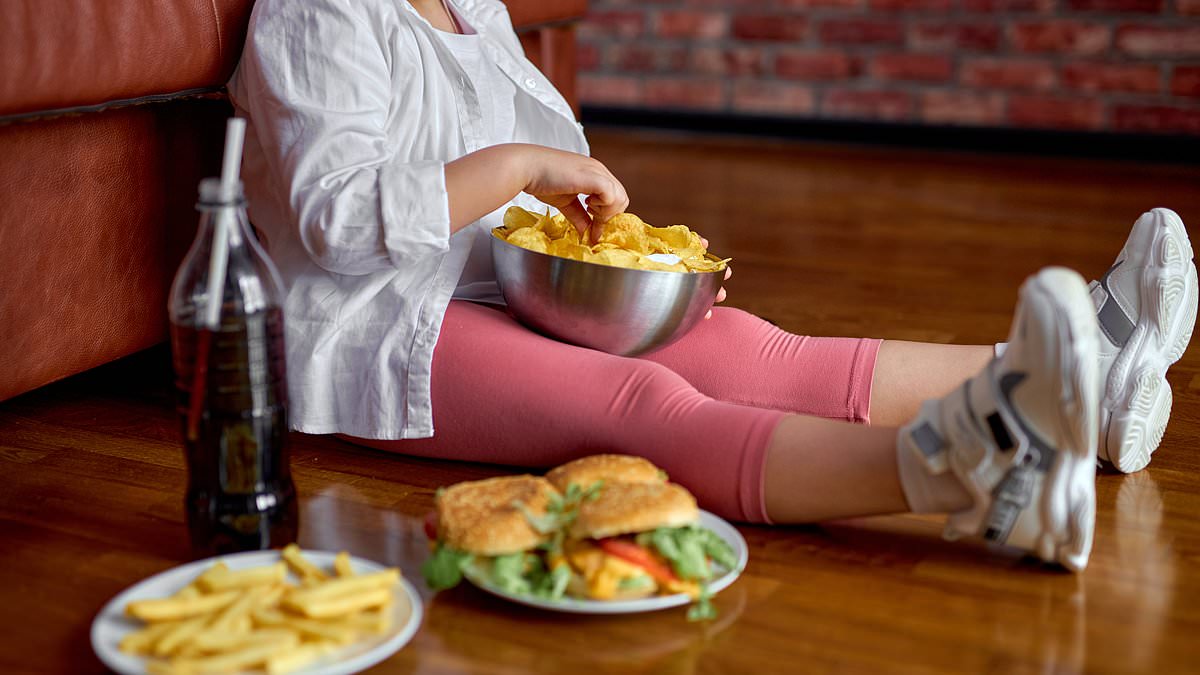
A study conducted by Aston University found that young children, as young as four, consume 79% more calories when they are bored compared to when they are in a neutral mood. The research involved 119 parents who were asked about their feeding practices and their child's temperament. Children aged four and five participated in scenarios where their mood was assessed, including a boring situation. The study revealed that children who were feeling bored ate an extra 94 calories when already full, compared to children in a neutral mood who ate just 53 extra calories. The research suggests that parents should divert their child's attention away from food when feeling bored to prevent excessive calorie intake.

Supermodel Heidi Klum reveals that she consumes only 900 calories per day, sparking discussions about her diet and weight loss methods.