Nutrition experts emphasize balanced daily meals that include diverse food groups, with dessert not limited to fruit. The article, authored by Julia Musto, provides practical guidance on structuring breakfast, lunch, and dinner for optimal health.
Megan Rossi, a gut health scientist and registered dietitian at King’s College London, aims for 50–60 grams of fiber daily—above the UK guideline of 30g—believing this level could boost mood and gut health by feeding the gut’s bacteria. Her day is built around high-fiber choices: a kefir-soaked overnight oats breakfast with seeds, fruit, and nuts; a lunch bowl aligning with her “Super Six” plant-based groups (grains, legumes, vegetables, nuts/seeds, fruits, herbs/spices), plus yogurt and olive oil; an afternoon smoothie packed with frozen fruits/vegetables and kefir; and a dinner stir-fry with protein, vegetables, and legumes, followed by frozen berries with kefir for dessert. She emphasizes gradual fiber increases to minimize bloating and relies on meal planning to hit fiber targets, highlighting the microbiome’s role in digestion, mood, and overall health while noting that more research is needed.
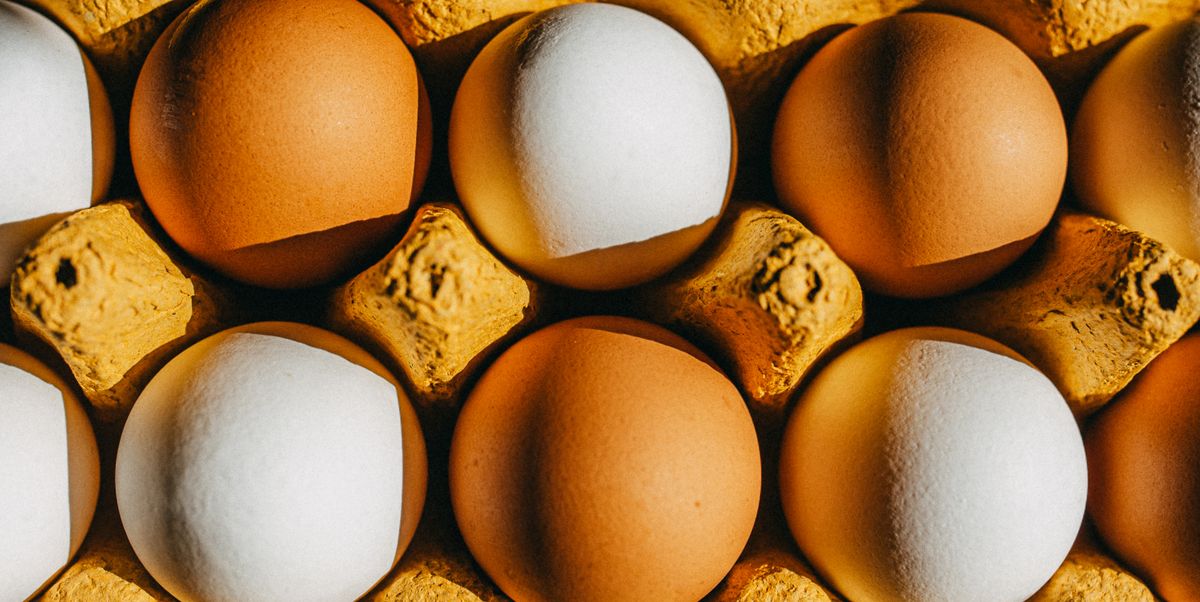
A registered nutritionist argues you don’t need to track macros to reach your daily protein target. She relies on three constant staples—canned fish, eggs, and frozen edamame/peas—incorporated with plenty of vegetables and healthy fats to create high-protein meals easily. She notes that active individuals can aim for roughly 0.7–1 gram of protein per pound of body weight, and shows how combining these staples throughout the day can reach those goals without meticulous planning or counting.
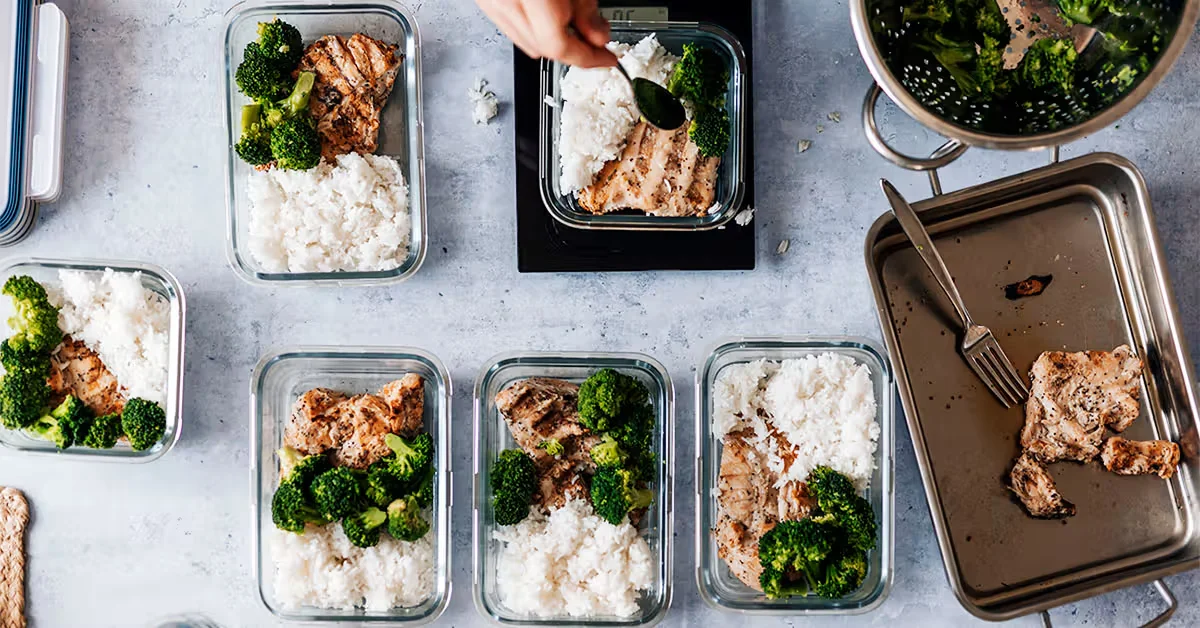
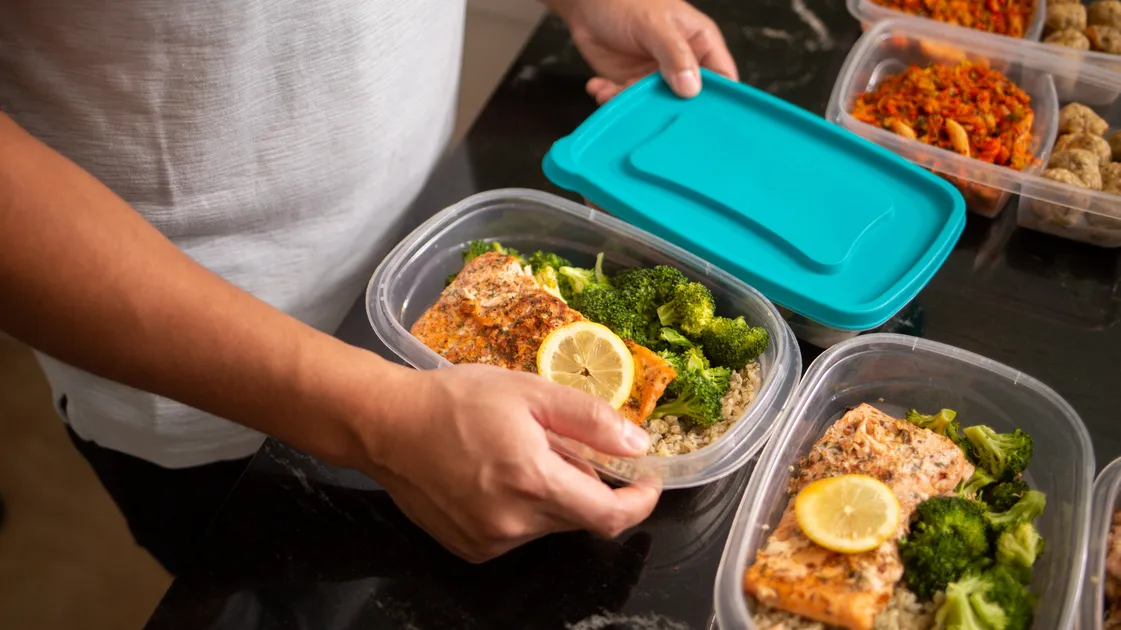
In a Health Psychology study of 112 adults in a behavioral weight‑loss program, researchers found that eating the same meals and maintaining a consistent daily calorie intake led to greater weight loss than a highly varied diet. Each 100‑calorie daily fluctuation reduced weight loss by about 0.6%; participants who repeated more than half of their weekly foods lost about 5.9% of body weight versus 4.3% for those with a more varied diet. Additionally, those who logged higher weekend calories tended to lose more weight. The findings support building routines around go‑to meals, tracking intake for mindfulness and accountability, and rotating foods within groups to preserve enjoyment and gut diversity. GLP‑1 weight‑loss drugs exist and are popular, but behavioral strategies remain effective.
A Healthline study of 112 adults in a 12-week weight‑loss program found that participants who ate the same go‑to meals and kept calories steady lost more weight (average 5.9% of body weight) than those with a more varied diet (4.3%). The results show a correlation between dietary consistency and weight loss, though causation isn’t established and data were self‑reported within a highly structured program; the takeaway is that simplifying food choices and maintaining predictable calories may help some people lose weight.
The article offers practical strategies for eating well on a budget in 2026, emphasizing meal planning, understanding grocery store rhythms, repurposing ingredients, building a pantry gradually, and staying flexible with meal choices to enjoy nourishing, flavorful food without overspending.
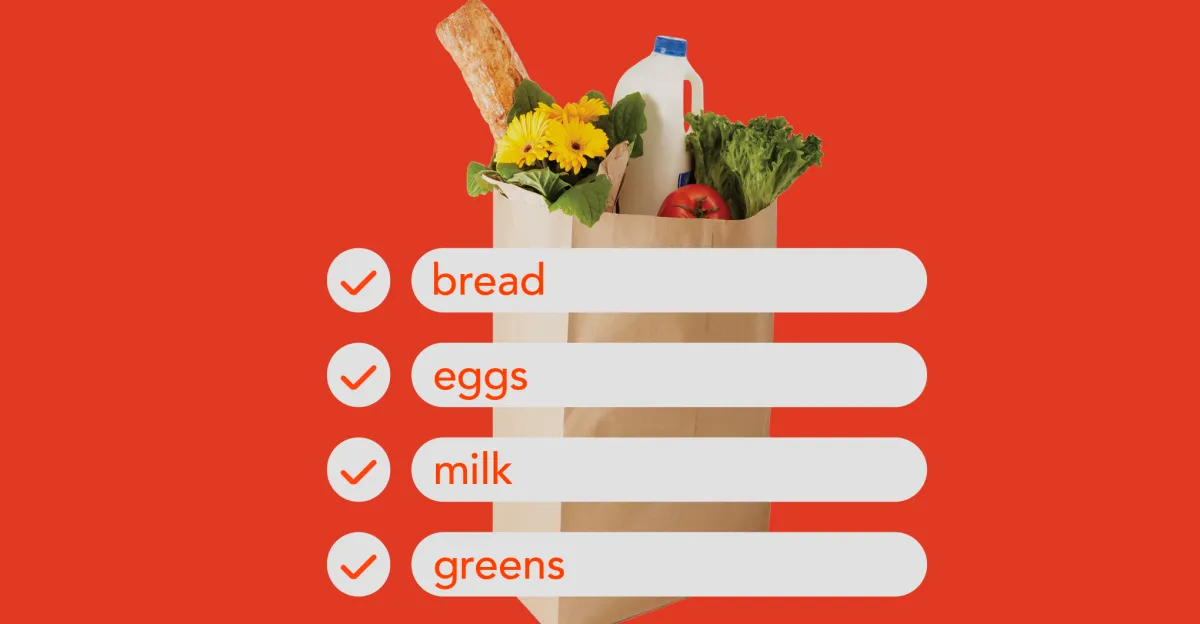
The article explores the challenges of creating an effective grocery list and meal planning system, highlighting the author's journey through various tools like apps, planners, and tech solutions, ultimately finding success with a combination of a physical planner, the Paprika app, and a smartwatch to streamline grocery shopping.
Eating protein throughout the day, especially at breakfast and post-workout, can boost satiety, support muscle growth, and help regulate blood sugar levels. The ideal amount varies based on individual goals, but generally around 1 g per kg of body weight is recommended, with higher needs for athletes. Signs of insufficient protein include fatigue, muscle loss, and weak nails, so spreading intake evenly is beneficial.
The article explains how much protein adults need, emphasizing that while the RDA is 0.36 grams per pound, active individuals and certain women may require more, up to 0.81 grams per pound. It highlights sources of both animal and plant proteins, discusses signs of excessive intake like gastrointestinal issues and long-term health risks, and advises consulting healthcare providers for personalized recommendations.
A fitness coach shares five strategies to make sustainable and natural protein intake a part of daily life, emphasizing including protein in every meal, choosing appropriate sources based on dietary preferences, integrating protein into recipes, supplementing if needed, and tracking intake without obsession.
People are increasingly using AI tools like ChatGPT for meal planning due to their convenience and cost-effectiveness, but nutritionists warn that AI-generated plans can be too generic, restrictive, and prone to errors, emphasizing the importance of personalized guidance from registered dietitians for optimal health outcomes.
A lifelong vegetarian shares her top eight high-protein foods—such as Greek yogurt, tofu, beans, nuts, eggs, cheese, whole grains, and legume-based pastas—that help her build satisfying, balanced meals with 20-30 grams of protein, supporting blood sugar stability and overall health.
The article explains how to consume 100 grams of protein daily by incorporating a variety of animal and plant-based foods into meals and snacks, emphasizing the importance of tracking intake and planning meals to meet individual health and fitness goals.
A nutritionist shares her daily routine for consuming 100g of protein through balanced, flavorful meals including eggs, chicken, seafood, yogurt, nuts, and collagen drinks, emphasizing the importance of incorporating diverse, satisfying protein sources for overall health and beauty.
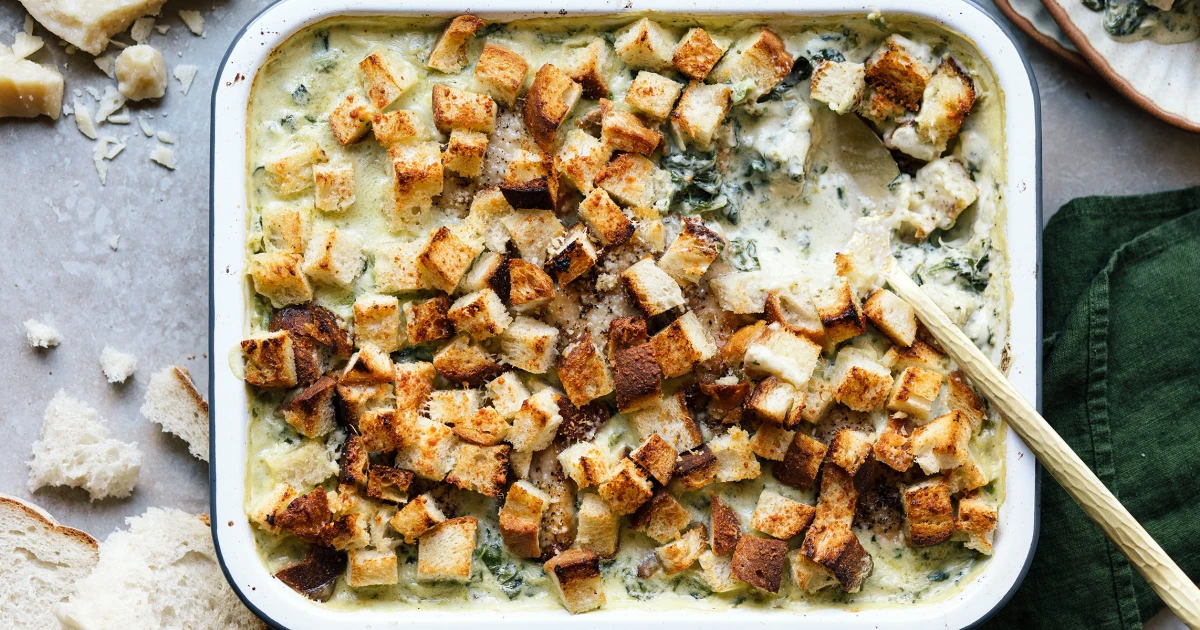
This week's meal plan focuses on simple and healthy dinners, featuring protein-rich recipes like creamy spinach and artichoke chicken and banana bread oats. The plan aims to support healthier eating habits this fall with easy-to-follow nutrition strategies.