Tag

Energy Expenditure

All articles tagged with #energy expenditure

Liver Signal Bypasses the Hypothalamus to Rewrite Diet and Metabolism
science1 month ago

Liver Signal Bypasses the Hypothalamus to Rewrite Diet and Metabolism

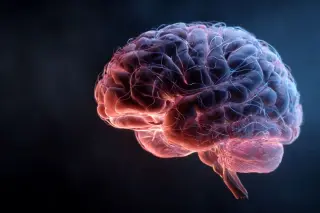
A study identifies a specific hindbrain neuron population (NTS-KLB) that directly responds to the liver hormone FGF21 to orchestrate changes in food intake, food choice, and energy expenditure during dietary protein restriction, challenging the idea that metabolism is controlled mainly by the hypothalamus and suggesting targeted brain circuits could improve FGF21-based obesity and diabetes therapies.

From Storage to Heat: Harnessing Fat's Energy-Burning Power for Weight Loss
science-tech2 months ago

From Storage to Heat: Harnessing Fat's Energy-Burning Power for Weight Loss

Fat is not just storage: brown fat burns calories to generate heat, beige fat can arise within white fat, and both offer targets for obesity therapies. The next generation of treatments may combine GLP-1–based appetite suppression with methods to boost energy expenditure across fat, muscle, and liver, aiming for more durable weight loss while avoiding hunger-driven compensation. This reframes fat as a dynamic metabolic organ and points to a multi-tissue, precision approach to energy balance.

Epaulette Shark Defies Reproduction Energy Expectations
science4 months ago

Epaulette Shark Defies Reproduction Energy Expectations

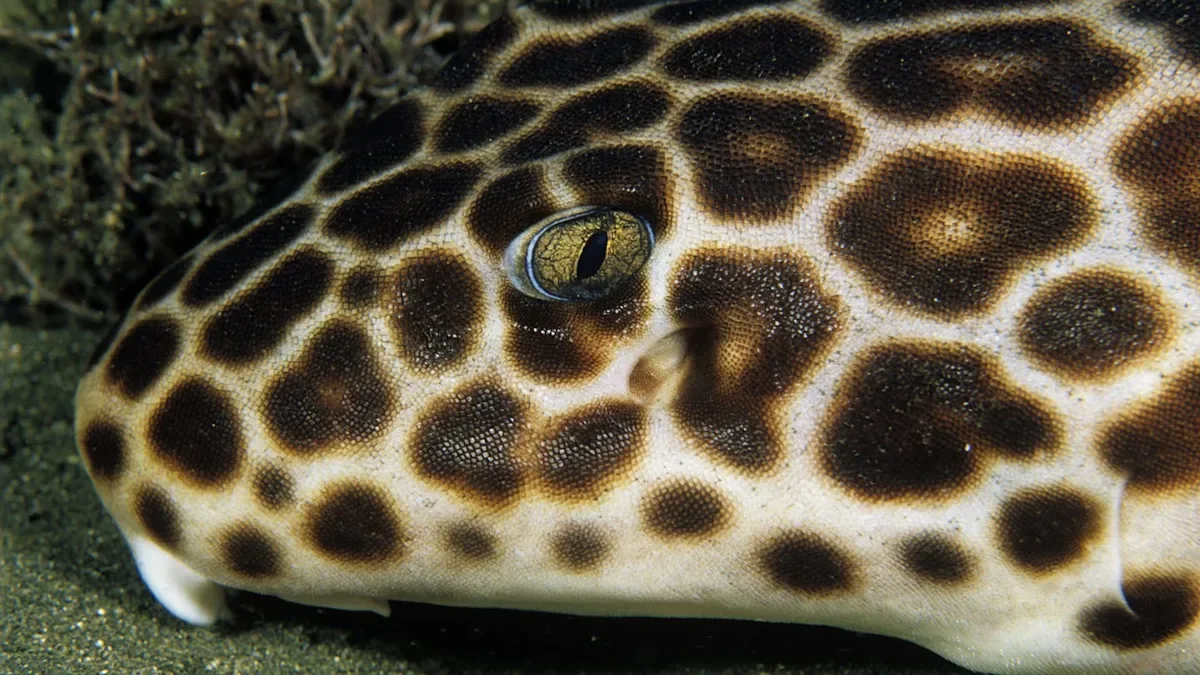
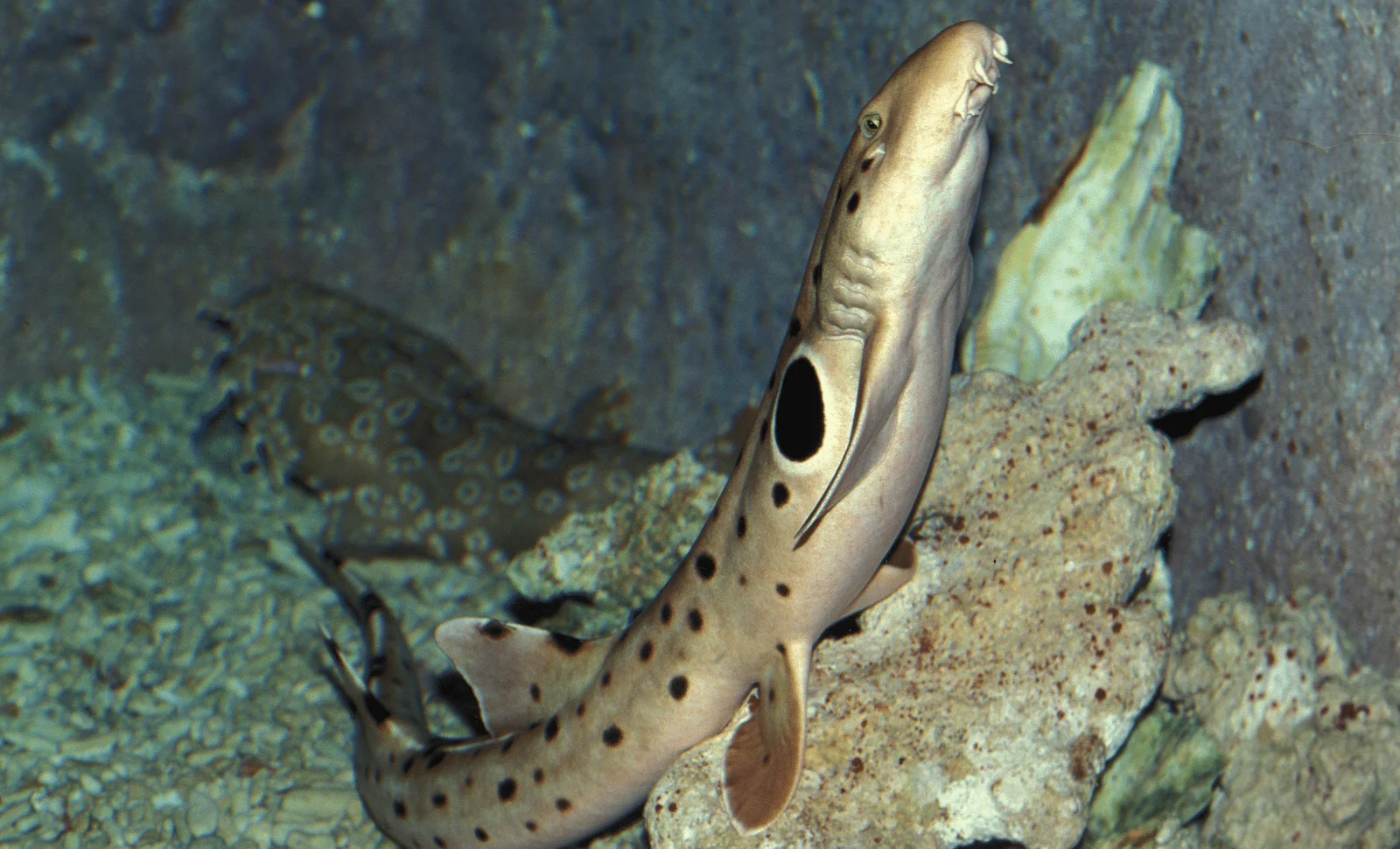
A study of the epaulette shark finds reproduction does not trigger a rise in metabolic energy use, challenging the idea that shark reproduction is highly energy-intensive. By monitoring oxygen uptake and hormones during egg-laying, researchers observed a flat energy demand, suggesting sharks have evolved efficient reproductive physiology. This adaptation could help sharks persist as oceans warm, with positive implications for coral reef health.

Walking Sharks Reproduce Without Extra Energy, Study Finds
science4 months ago

Walking Sharks Reproduce Without Extra Energy, Study Finds

Australian scientists studying epaulette (walking) sharks found that egg production uses no extra energy, challenging the idea that reproduction is always energetically costly. The flat energy demand suggests a unique adaptation that may help these sharks reproduce under environmental stress, with implications for shark populations and reef health amid warming oceans.

Physical Activity Boosts Daily Energy Expenditure
health7 months ago

Physical Activity Boosts Daily Energy Expenditure

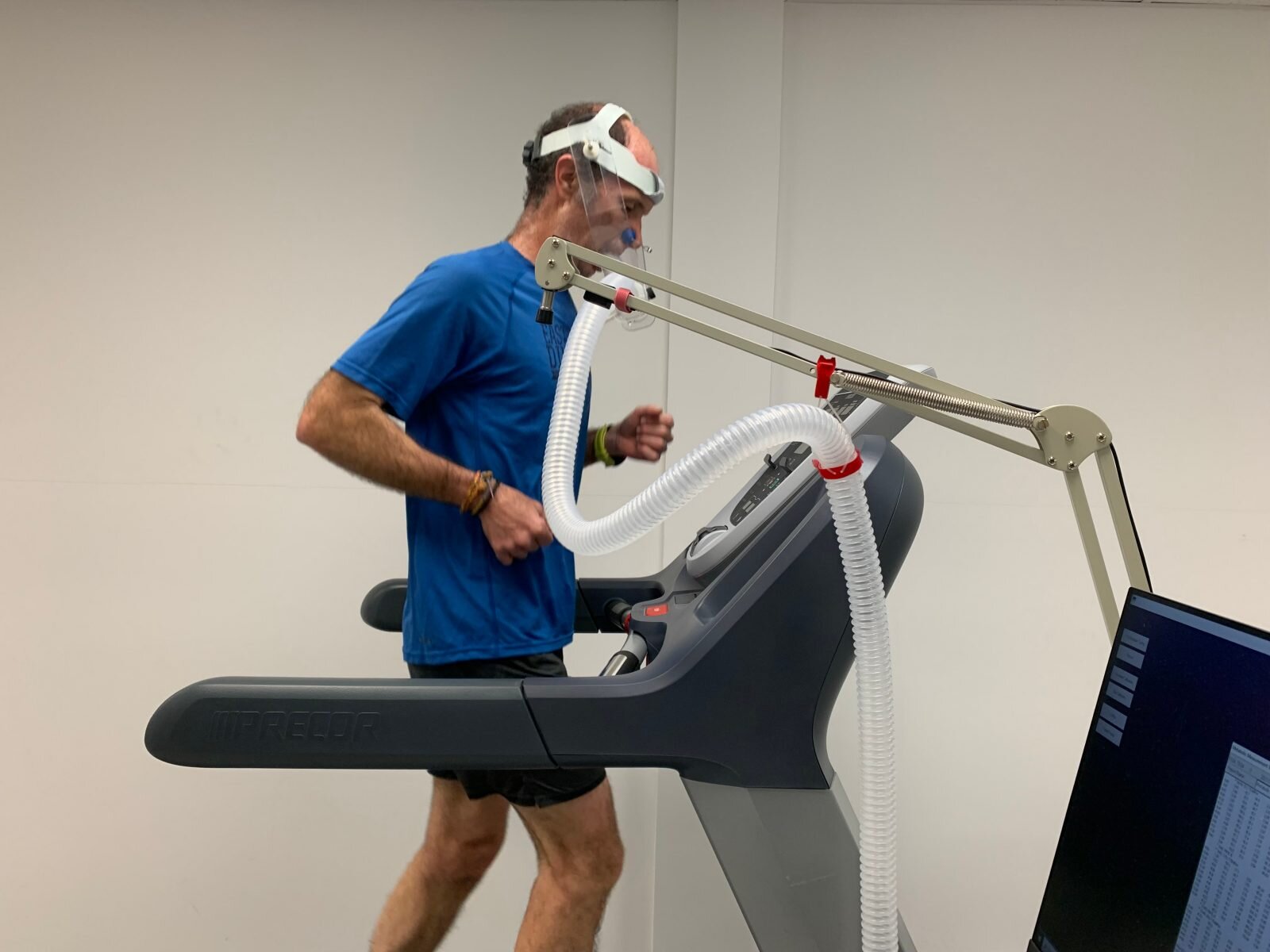
A study published in PNAS shows that increased physical activity leads to higher daily calorie burn without the body compensating by reducing energy use elsewhere, supporting the idea that exercise adds to overall energy expenditure rather than redistributing it. The research involved measuring energy use in participants with varying activity levels and found that more active individuals burn more calories overall, with less time spent inactive, although further research is needed to understand potential energy compensation under different conditions.

Octopus Camouflage: A High-Calorie Disguise
science1 year ago

Octopus Camouflage: A High-Calorie Disguise

New research reveals that octopuses expend significant energy when changing color, comparable to a human's calorie burn during a 30-minute jog. This study, using ruby octopuses, measured oxygen consumption during color changes, highlighting the energetic cost of their sophisticated camouflage system. The findings provide insights into the biological trade-offs octopuses make for survival, as their color-changing ability is more energy-intensive than similar adaptations in other animals like chameleons.

The Unique Energy Evolution of Humans
science1 year ago

The Unique Energy Evolution of Humans

A Harvard study reveals that humans have evolved to possess higher metabolic rates than other mammals, including apes and chimpanzees. This unique metabolic trait, characterized by high resting and active metabolism, allowed early humans to support larger brains, longer lifespans, and increased reproduction. Unlike other primates, humans can maintain high activity levels without compromising resting metabolic rates, partly due to their ability to dissipate heat through sweating. The research challenges previous beliefs about primate metabolism and highlights humans' energetic uniqueness.

health1 year ago

Revolutionary Weight Loss Drug Curbs Appetite and Burns Calories Without Side Effects

Researchers at the University of Copenhagen have identified a new drug target, NK2R, that could revolutionize weight loss treatments by reducing appetite and increasing energy expenditure without causing nausea or muscle loss. This discovery, published in Nature, shows promise for treating obesity and type 2 diabetes, conditions affecting over 380 million people globally. The drug candidate has shown positive results in both mice and non-human primates, potentially leading to more effective and tolerable therapies. The University holds patent rights, and related biotech companies have been established to further develop these treatments.