Tag

Cd4 T Cells

All articles tagged with #cd4 t cells

Cancer's Escape Trick May Backfire, Unlocking a New Immune Attack
health-and-medicine1 month ago

Cancer's Escape Trick May Backfire, Unlocking a New Immune Attack

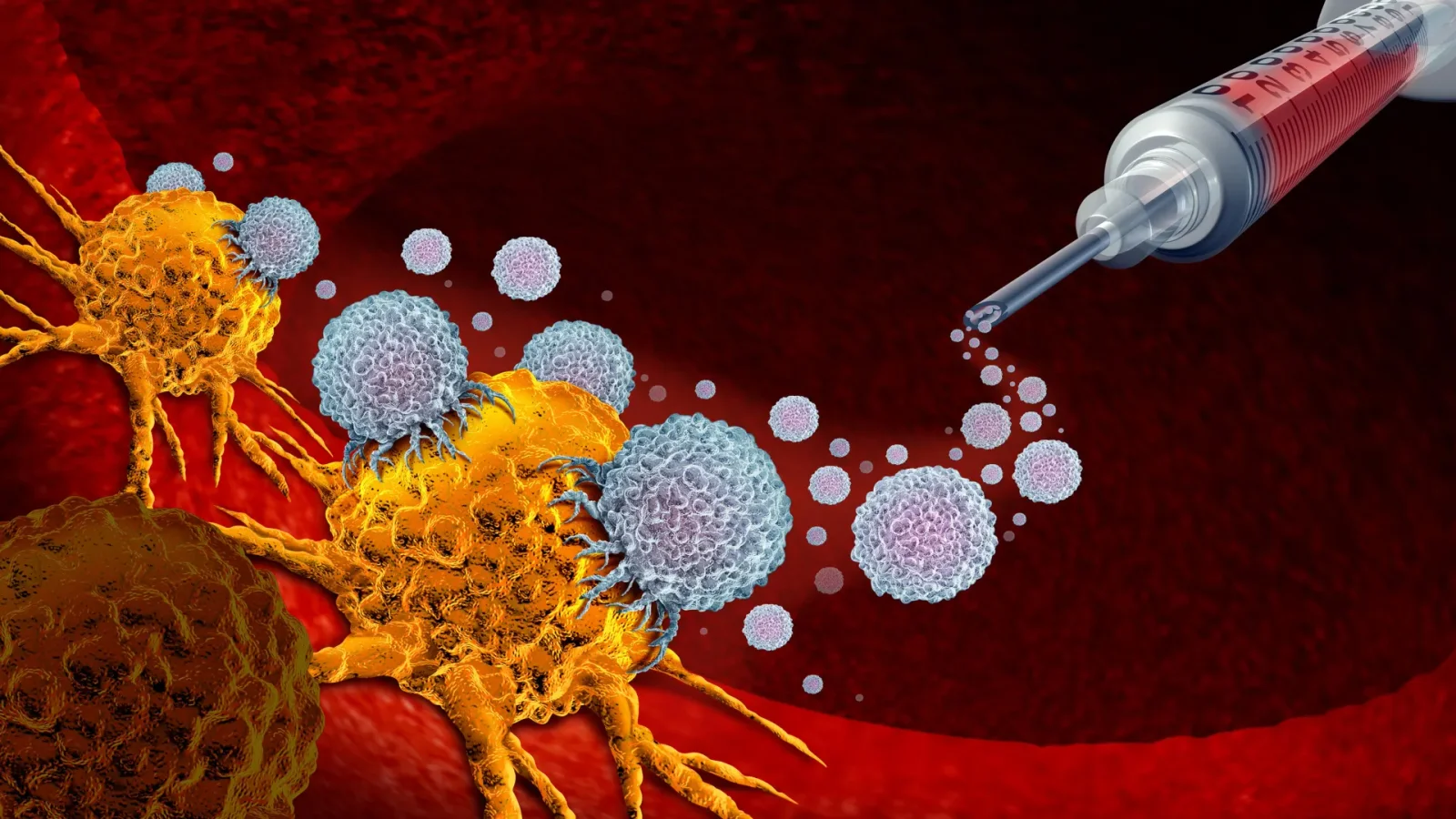
Scientists found that when cancer cells reduce MHC I to dodge killer CD8+ T cells, they become more vulnerable to CD4+ T cells, which trigger ferroptosis. This reveals a surprising cross-talk in the immune system, challenging a long-held immunology principle and suggesting new approaches to cancer immunotherapy and bone marrow transplantation by leveraging CD4+ T cell activity against tumors and allogeneic targets.

MHC I loss unlocks CD4+ T cell attack via ferroptosis in cancer
science1 month ago

MHC I loss unlocks CD4+ T cell attack via ferroptosis in cancer

Lowering MHC I on cancer cells makes them more susceptible to ferroptosis driven by CD4+ T cells, revealing that the MHC I pathway can support CD4+ T cell–mediated immunity and challenging the classic CD4+/CD8+ division; these findings could guide new immunotherapies and bone marrow transplant strategies, especially for tumors that escape CD8+ T cell responses.

CD27 boost could unlock long-lasting cancer vaccine immunity
health-and-medicine5 months ago

CD27 boost could unlock long-lasting cancer vaccine immunity

A 20-year-old breast cancer vaccine trial shows all participants are still alive decades later, suggesting durable immune memory. Researchers found persistent CD27-marked CD4+ T cells can recognize the cancer, hinting that CD27 could make cancer vaccines more effective. In mice, combining the vaccine with a CD27-activating antibody nearly doubled tumor elimination (about 40% complete responses vs 6% with vaccine alone); adding extra support for CD8+ T cells pushed tumor rejection to ~90%. These findings imply CD27 could be a key addition to cancer vaccines and compatible with existing therapies.

Decades-Old Breast Cancer Vaccine Triggers Durable Immune Memory, New Boosting Approach Emerges
science5 months ago

Decades-Old Breast Cancer Vaccine Triggers Durable Immune Memory, New Boosting Approach Emerges

Researchers studied survivors from a decades-old breast cancer vaccine trial and found they retain powerful CD27+ immune memory years later. In mice, combining a CD27-activating antibody with a HER2-targeting vaccine dramatically increased tumor rejection, largely via CD4+ T cells and, with additional CD8+ T-cell support, boosted efficacy to near 90%. The findings suggest CD4+ T cells can drive lasting anti-tumor immunity and that a single CD27 boost alongside vaccines could enhance cancer immunotherapies in humans.

Revolutionary Immunotherapy Treatment for Glioblastoma Unveiled by Salk Scientists
medical-research2 years ago

Revolutionary Immunotherapy Treatment for Glioblastoma Unveiled by Salk Scientists

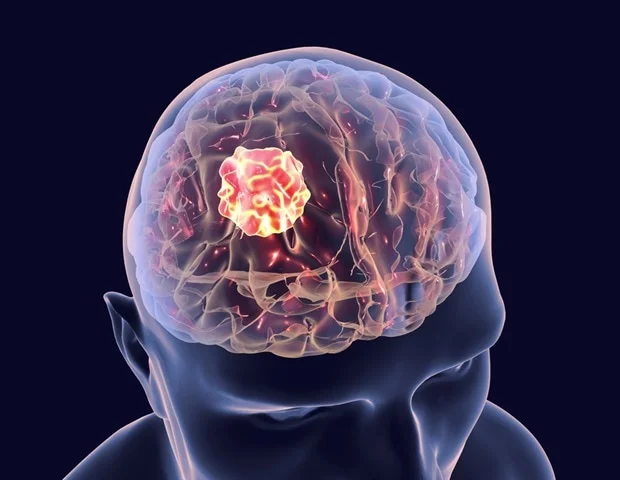
Scientists at the Salk Institute have discovered that the immunotherapy treatment anti-CTLA-4 leads to significantly greater survival rates in mice with glioblastoma, the most common and deadly form of brain cancer. The treatment relies on CD4+ T cells infiltrating the brain and triggering the tumor-destructive activities of microglia, immune cells that reside in the brain. This finding highlights the potential of harnessing the body's own immune cells to fight brain cancer and could lead to more effective immunotherapies for treating glioblastoma in humans.

"Insights into Long COVID: Immune Dysregulation, Genetic Impact, and CBT Benefits"
neurology3 years ago

"Insights into Long COVID: Immune Dysregulation, Genetic Impact, and CBT Benefits"

A small cohort study conducted by the National Institute of Neurological Disorders and Stroke (NINDS) of the NIH in Bethesda, Maryland, found that people with long COVID neurologic symptoms had broad immune dysregulation in their cerebrospinal fluid (CSF), with lower levels of CD4+ and CD8+ T cells and increased B cells and other types of immune cells. Autonomic testing also showed dysfunction. The findings suggest that immune dysregulation may play a role in mediating long COVID and call for further investigations to confirm these changes and evaluate the role of immunomodulatory agents in clinical trials.