A Finnish study finds that people with evening chronotypes face a 1.7 times higher risk of receiving a disability pension by age 58 compared to morning types, suggesting late-night habits may impact long-term work capacity.
New research links what you eat and when you eat to how well you sleep, favoring a Mediterranean/plant-forward diet for better rest while avoiding late meals, ultra-processed foods, and high-GI snacks; protein sources provide tryptophan that aids serotonin and melatonin production, while caffeine and alcohol can disrupt sleep depending on timing. The article also notes the role of chronotype, shift work, and potential supplements like magnesium or melatonin, but emphasizes overall sleep hygiene and balanced meals as the most reliable route to improved sleep.
Resilience isn’t a fixed trait; it fluctuates with seasons and your circadian clock. The article explains how energy, mood, and performance vary by season and time of day, how global teams span different cycles, and offers a three-step approach—acknowledge fluctuations, align work with your rhythms, and adapt with healthy habits (sleep, light exercise, diet, mindfulness)—to boost stress resilience and sustain productivity.
A study of 287 women found night owls and early birds eat similar total calories, but night owls front-load risk by consuming most calories after 8 pm, near bedtime. This late-night eating is linked to higher BMI, more body fat (including visceral fat), and poorer glucose and lipid profiles, suggesting that meal timing—rather than calories alone—drives metabolic risk. Reducing late-night eating and shifting more protein-dense meals earlier in the day may protect metabolic health.
A randomized controlled trial found that scheduling exercise to fit an individual's chronotype—morning types at 8–11am, evening types at 6–9pm—improved blood pressure, aerobic fitness, blood glucose, cholesterol and sleep in people at risk of cardiovascular disease, compared with workouts at the opposite time; even when misaligned, exercise offers benefits, and intermediate chronotypes may be less sensitive to timing. Other factors like afternoon body temperature peaks and sleep pressure also shape performance, so while timing can help, regular activity and good sleep remain fundamental.
A 12-week randomized trial found that exercising in sync with participants' chronotypes (morning types in the morning, night owls in the evening) yielded greater improvements in systolic blood pressure, LDL cholesterol, sleep quality, and aerobic fitness than mismatched timing, with larger gains among those with hypertension, suggesting a practical chrono-exercise approach to heart health.
A randomized 12-week trial in Pakistan found that exercising in line with participants’ natural morning or evening preferences (chronotype) produced greater heart-health benefits than misaligned timing, including a larger drop in systolic blood pressure (about 11 vs 5.5 mmHg), greater reductions in LDL cholesterol (13.7 vs 7.6 mg/dL), and improvements in heart-rate variability, glucose, sleep quality, and exercise capacity, though benefits were most pronounced for those with higher baseline BP; limitations include a small, short-duration sample and limited generalizability, so more research is needed before broad recommendations.
A three-month trial of 134 adults in Pakistan found that aligning exercise with chronotype—morning larks in the morning and night owls in the evening—led to bigger improvements in blood pressure, aerobic capacity, metabolic markers and sleep quality than mismatched timing. All participants did 40 minutes of brisk walking five days a week, but those whose workouts matched their body clock saw greater gains, suggesting a one-size-fits-all exercise schedule may blunt heart-health benefits and emphasizing consistency.
A sleep doctor explains that melatonin regulates timing, not sleep drive, so most people don’t need supplements. He offers three science-backed alternatives to falling asleep faster: 1) fix nutritional deficiencies (magnesium, vitamin D, iron) through a whole-food diet (including a banana-tea trick); 2) learn your chronotype and align your schedule with your biology; 3) optimize your sleep environment with a cool room and comfortable bedding. Melatonin may help in certain cases like jet lag, shift work, or true deficiency, but supplement quality is often unreliable and long-term use may carry risks, so consult a clinician before using it.
A Chronobiology International study reports that people who naturally prefer staying up late (night owls) tend to score higher on everyday sadism. In two Chinese studies (169 university students and 214 adults), eveningness correlated with self-reported sadistic traits, and in a lab task night owls were more likely to crush harmless bugs, suggesting a nighttime ecological niche may amplify certain dark personality tendencies. The researchers caution that the findings show correlation, not causation, and measurement limitations exist, but the work could inform understanding of when harmful behaviors surface and when moderation might be most needed online and in public spaces.
A UK Biobank study of over 322,000 adults followed for ~14 years finds definite evening chronotypes (night owls) have worse cardiovascular health and a higher risk of heart attack or stroke than intermediate sleepers, with about three-quarters of the excess risk explained by lifestyle factors such as smoking, sleep quality, physical activity, and diet; biology and genetics linked to circadian rhythms may also play a role, and the study notes potential sex differences. For night owls, improving sleep, quitting smoking, exercising, and healthier eating could help reduce risk, though more research is needed.
A McGill-led study using AI, brain imaging and UK Biobank data identifies five chronotype subtypes—three night owls and two early birds—each linked to distinct health and behavioral patterns, suggesting personalized sleep guidance beyond simple night-owl/early-bird categorizations.
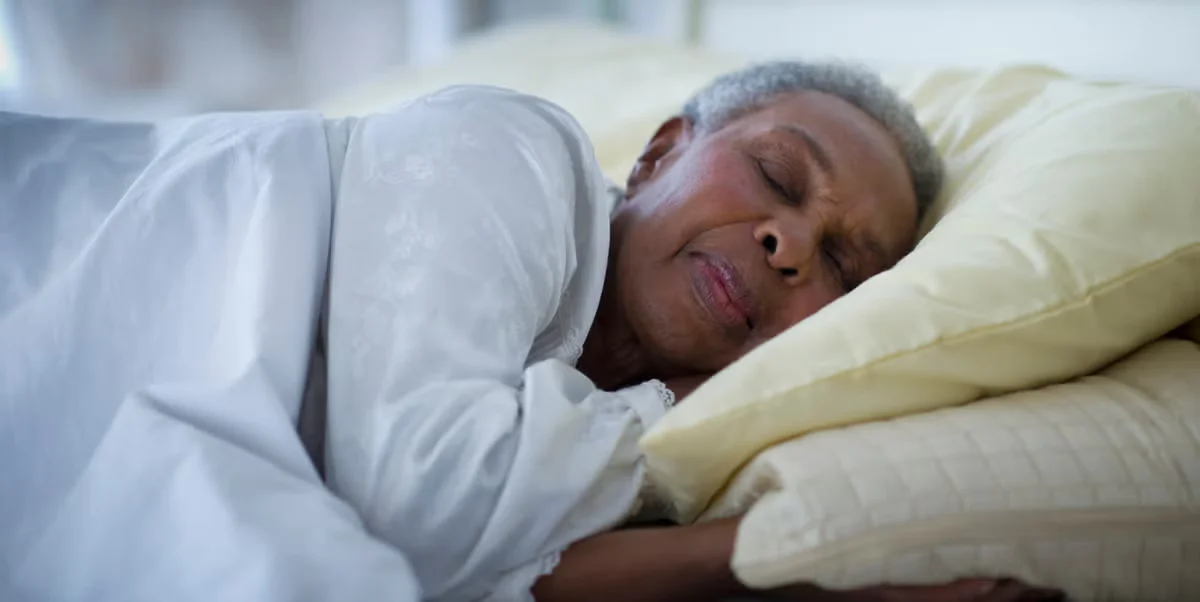
Older adults should aim for seven to nine hours of sleep with a consistent wake time that matches their chronotype. Sleep needs can vary with activity, stress and hormones, and deep sleep tends to decline with age, but anchoring your schedule to a steady wake time helps the circadian rhythm. Some people wake earlier as they age, reflecting a shift in chronotype or personal preference. Seek medical advice if you experience persistent fragmentation, daytime sleepiness, excessive daytime sleep, snoring, or frequent nightmares.
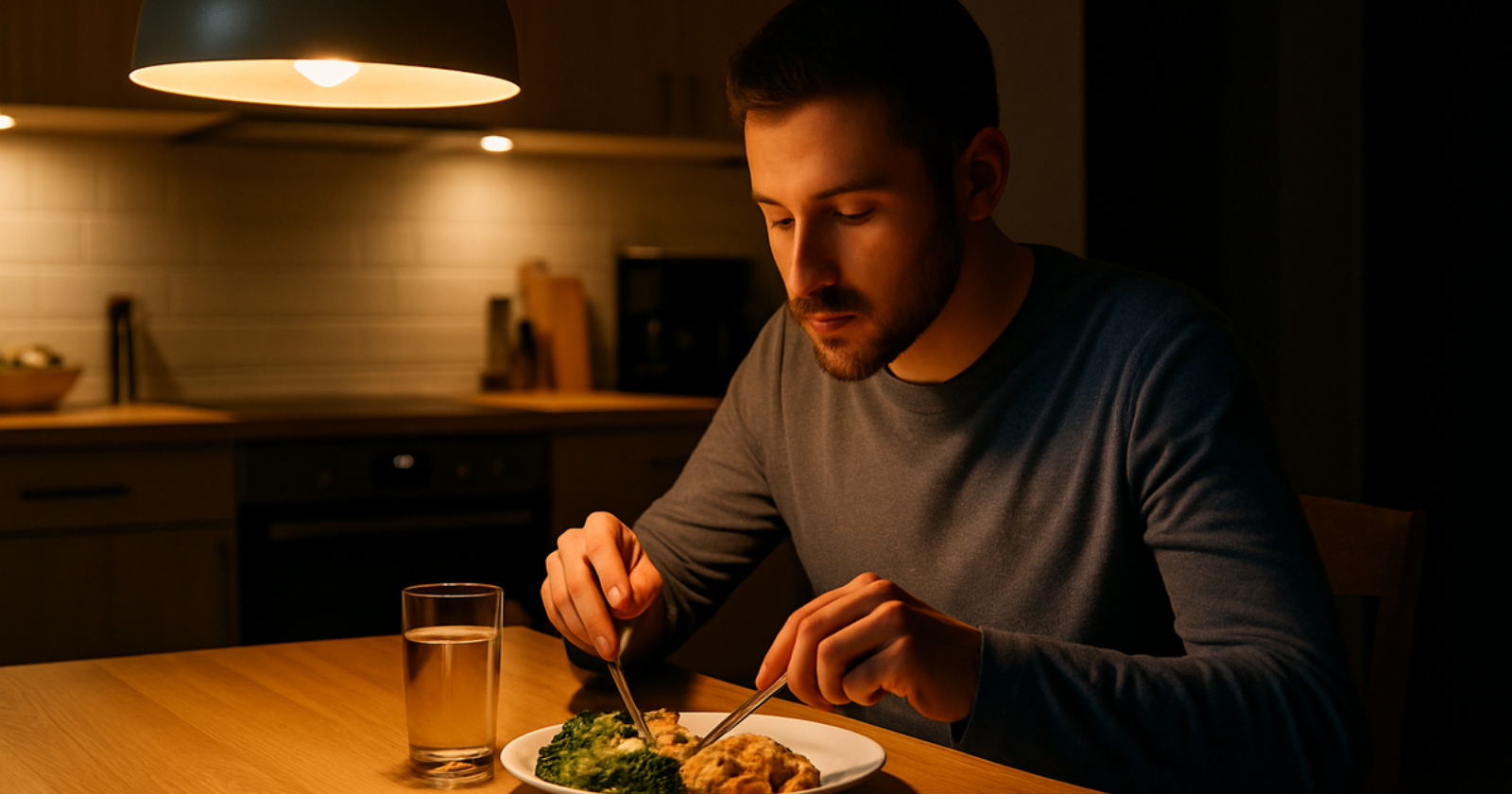
People who eat dinner after 9 p.m. often do so due to their biological and social rhythms, not laziness, with traits like being night-owls, prioritizing deep work and social connections, and adapting to cultural norms. Recognizing these patterns can lead to more compassionate and effective approaches to late-night eating, emphasizing alignment with one's natural clock and environment.
A study finds that night owls experience faster cognitive decline than early birds, partly due to poorer sleep quality, with implications for long-term brain health and dementia risk, especially among highly educated individuals who often have to adapt to early work schedules.