Tag

Coprolites

All articles tagged with #coprolites

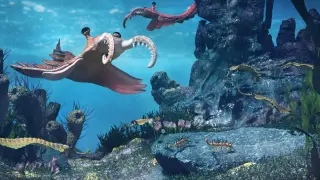
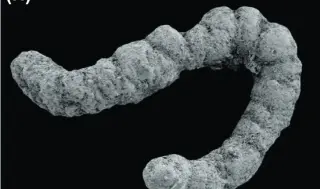
Ancient Poop May Have Powered the Cambrian Explosion
science17 days ago

Ancient Poop May Have Powered the Cambrian Explosion

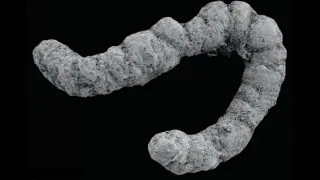
A study suggests that fecal pellets from early animals helped deliver nutrients to deep ocean waters, feeding the biological pump and enabling larger, more diverse Cambrian life; by tracing fossil coprolites and the evolution of digestive systems, researchers propose a positive feedback loop where bigger animals produced bigger poop that further spurred diversification.
Ancient Poop May Have Jumpstarted the Cambrian Explosion
science24 days ago

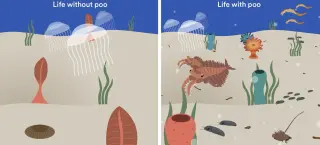
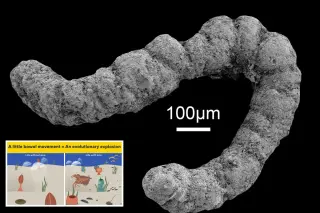
Ancient Poop May Have Jumpstarted the Cambrian Explosion

A new review in Trends in Ecology & Evolution suggests that a fecal revolution—waste from expanding early animal life—could have accelerated the Cambrian explosion by increasing nutrient flux in oceans, supporting the growth of more complex guts and a burst of biodiversity. Fossilized feces (coprolites) from the Cambrian show increasing size and complexity as life diversified, indicating that waste management and nutrient recycling helped create conditions for modern ecosystems alongside other factors like oxygen and nutrients.

Ice-Age DNA Vault: Arctic Squirrel Poop Reveals Mammoths, Bison and More
science2 months ago

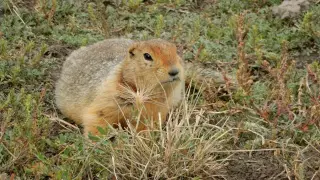
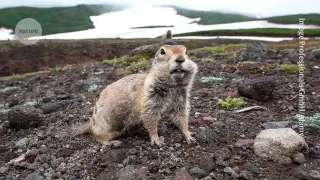
Ice-Age DNA Vault: Arctic Squirrel Poop Reveals Mammoths, Bison and More

A Yukon permafrost study shows 700,000-year-old Arctic ground-squirrel coprolites preserving a rich environmental DNA record, enabling reconstruction of mitochondrial genomes for woolly mammoths, steppe bison and other Ice Age species (including horses, wolves, a big cat, and plants), offering a detailed snapshot of ancient Beringia and its ecosystem while noting that some signals may come from the burrow contents rather than direct predator DNA.

Fossilized Poop and Vomit Reveal Dinosaurs' Rise to Dominance
science1 year ago

Fossilized Poop and Vomit Reveal Dinosaurs' Rise to Dominance

Researchers have conducted an extensive study of over 500 fossilized dinosaur droppings, revealing that dinosaurs' dietary flexibility allowed them to dominate the Earth during the Triassic period. The analysis showed that early dinosaurs were opportunistic eaters, consuming a variety of foods like insects, fish, and plants, which helped them adapt to the changing climate and ecosystems as Pangea broke apart. This adaptability gave them an edge over more specialized species, leading to their rise as the dominant terrestrial animals.