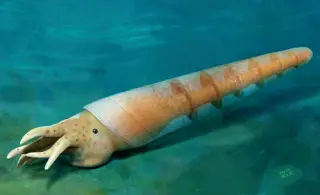
New Fossil Pushes Cephalopod Buoyancy System Origin Back 50 Million Years
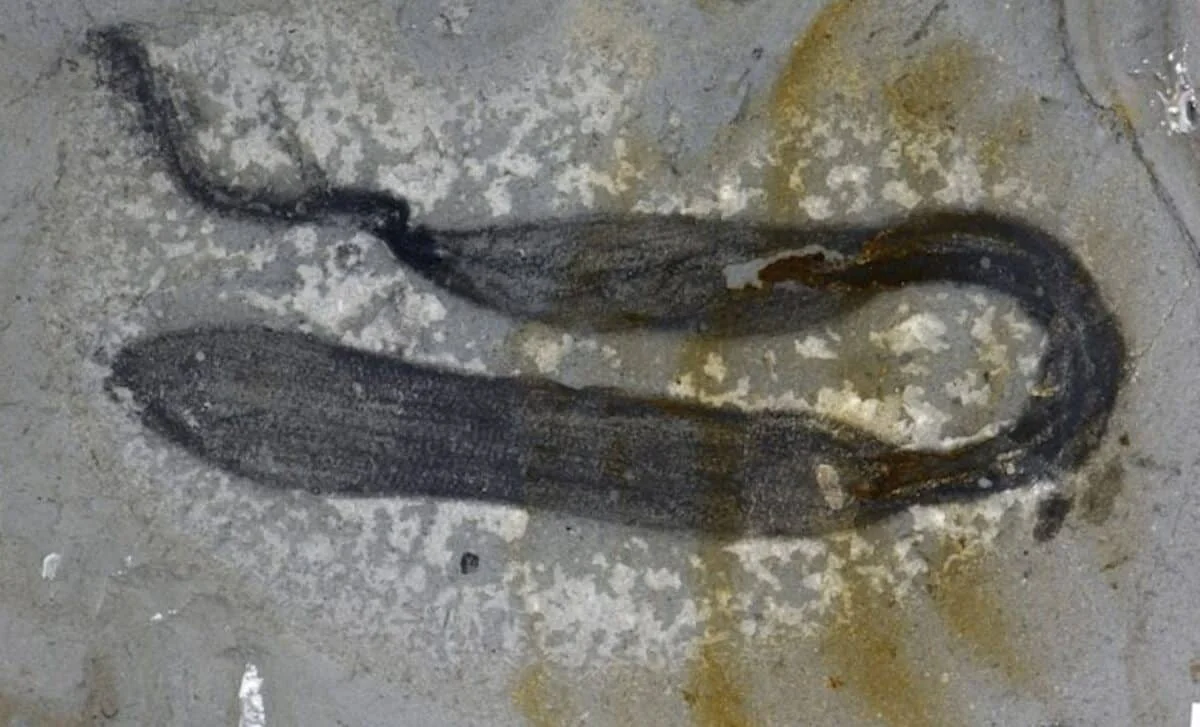
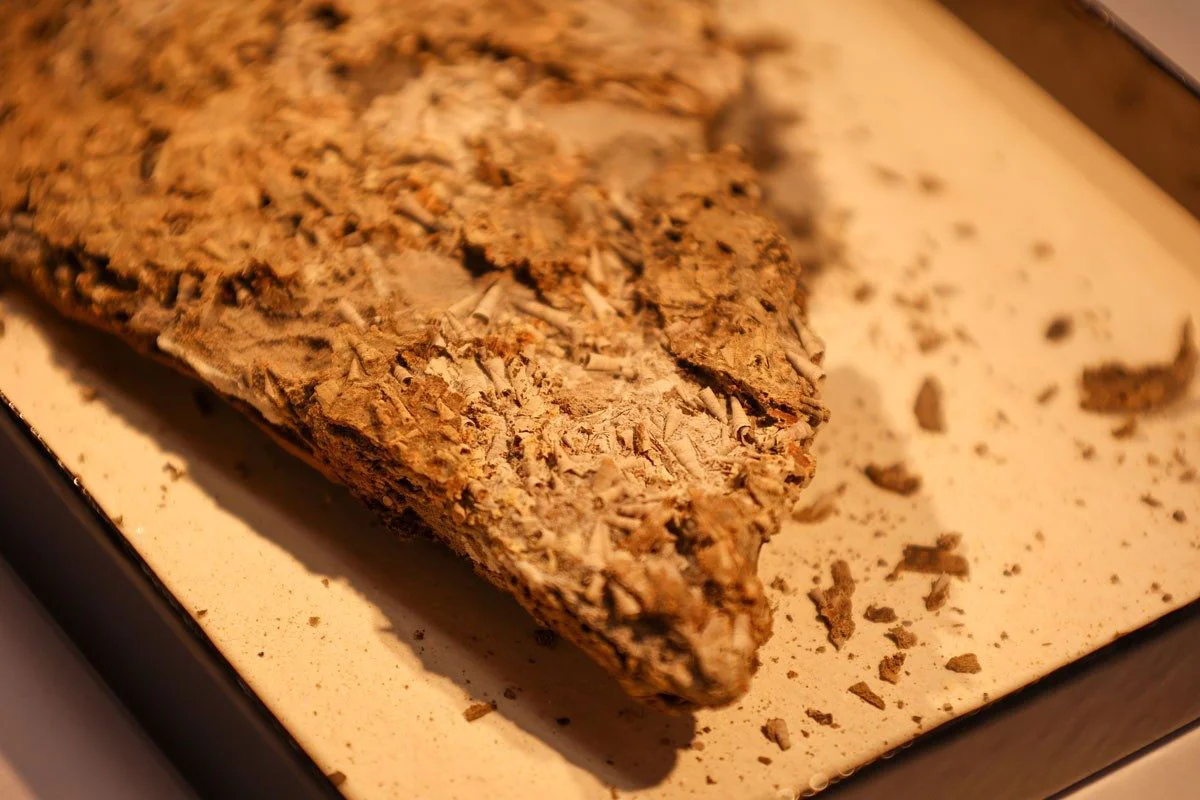
Researchers have identified the earliest known cephalopod with a siphuncle, a tubular structure used for buoyancy control, in a 520-million-year-old fossil from China. This discovery, named Eoceras shaanxiense, fills a significant gap in the evolutionary history of mollusks by pushing the origin of this key innovation back to the Early Cambrian period. The find suggests that the complex internal architecture allowing modern octopuses and nautiluses to regulate buoyancy evolved earlier than previously thought, bridging the gap between molecular clock estimates and the fossil record.