Tag

Core Stability

All articles tagged with #core stability

One balance move to age gracefully: standing arabesque
health21 days ago

One balance move to age gracefully: standing arabesque

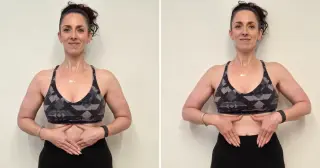
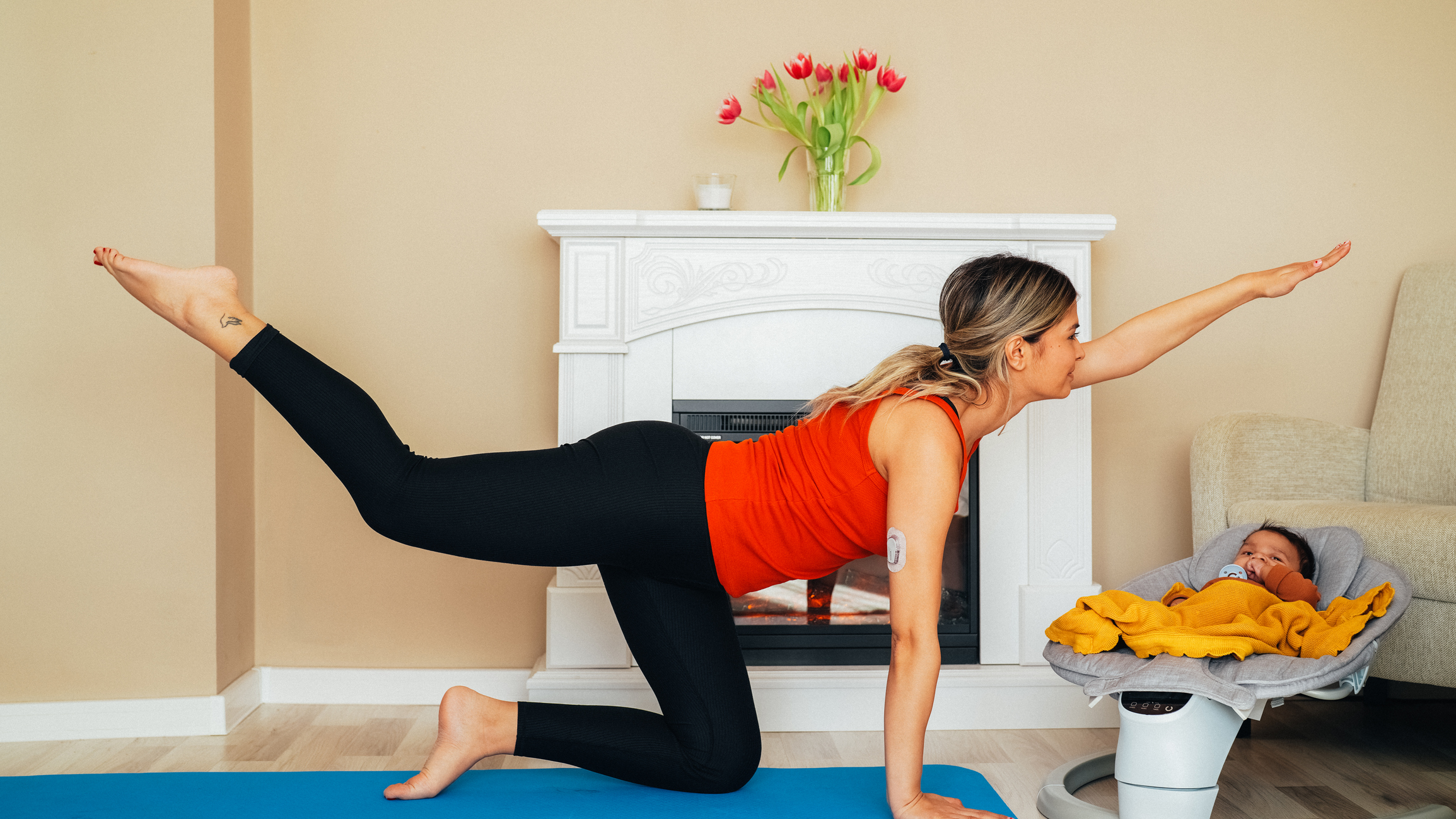
A barre instructor cites the standing arabesque as the key move for improving balance and stability as you age. Barre training helps by strengthening the joints’ stabilizing muscles and boosting mind–body coordination, with core and back engagement aiding you to catch yourself if you stumble. The move is done with optional light support, keeping a straight line from head to toe, hinging at the hips, extending one leg back, then bringing the knee forward to align with the other leg; perform on both sides, and keep your gaze forward rather than down.

Upright Moves to Trim Belly Fat After 55
mind-body1 month ago

Upright Moves to Trim Belly Fat After 55

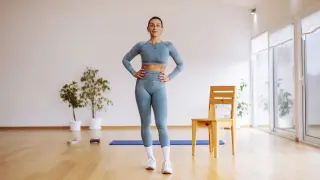
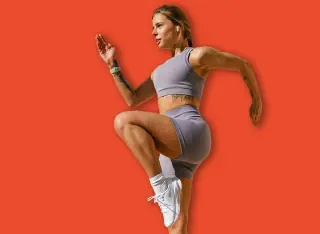
The piece explains that spot-reducing belly fat is ineffective and that increasing overall calorie burn through full-body, posture- and core-stabilizing work is more effective after age 55. It presents four standing movements—Standing Knee Drives, Standing Wood Chops, Side Leg Raises, and Standing Marches with Arm Swings—each done in 2–3 sets: knee drives (20–30 reps total), wood chops (10–15 reps per side), side leg raises (12–15 reps per leg), and marches (30–60 seconds per set), with rest of 45–60 seconds between sets. Trainer James Brady notes these upright moves engage multiple muscle groups for better calorie burn and balance compared with many floor-based ab exercises.

8-Minute Bed-Based Core Routine for 60+ Belly Flattening
mind-body3 months ago

8-Minute Bed-Based Core Routine for 60+ Belly Flattening

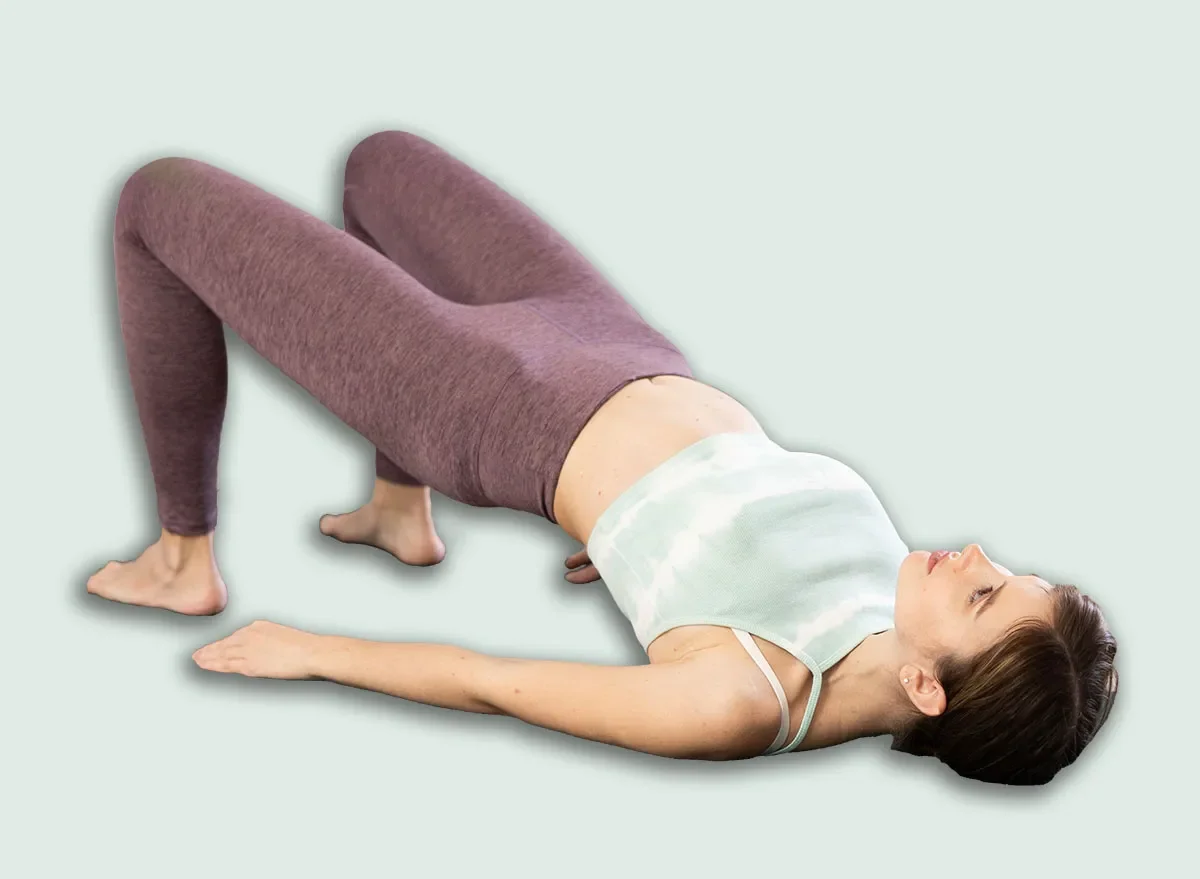
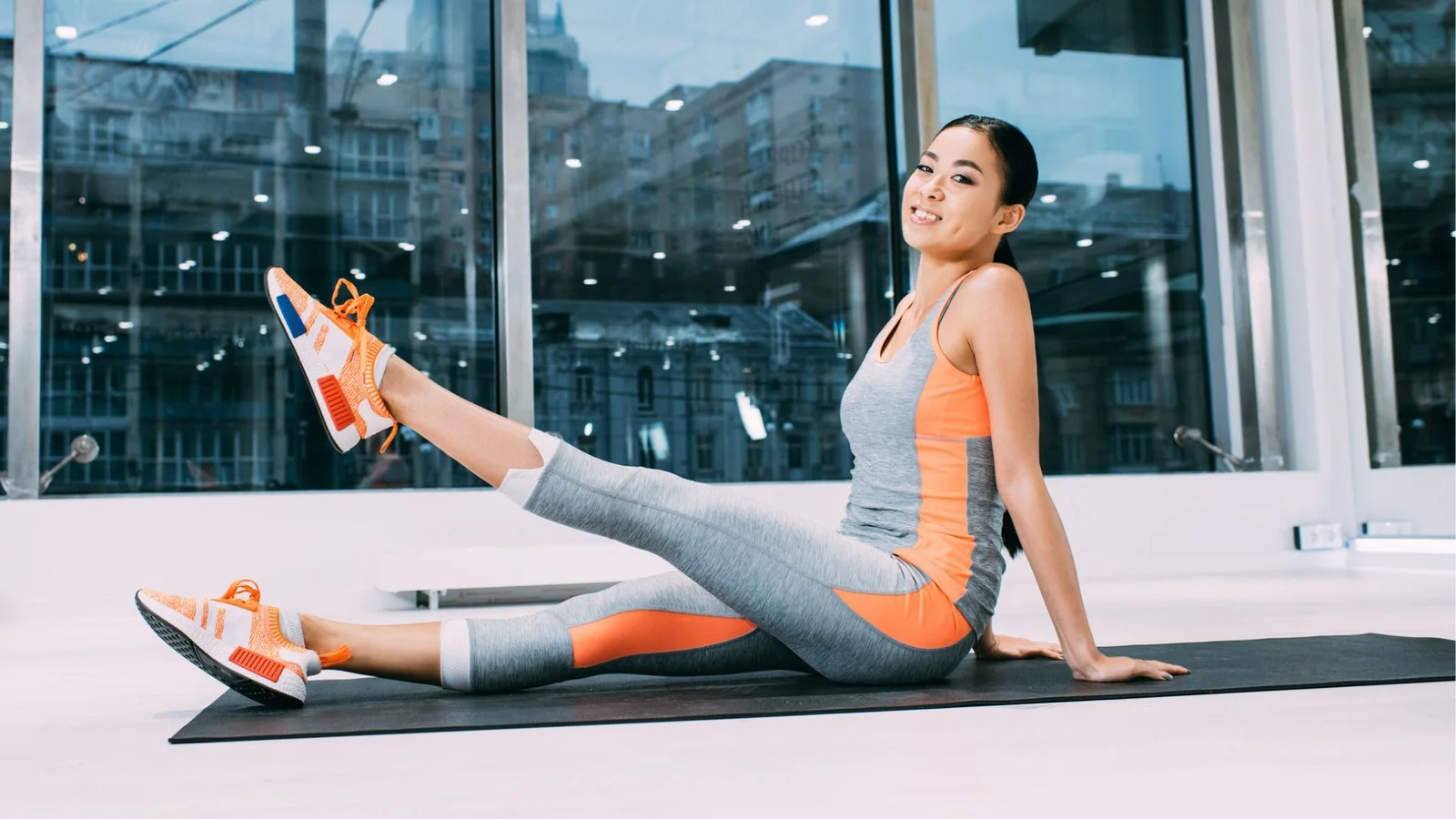
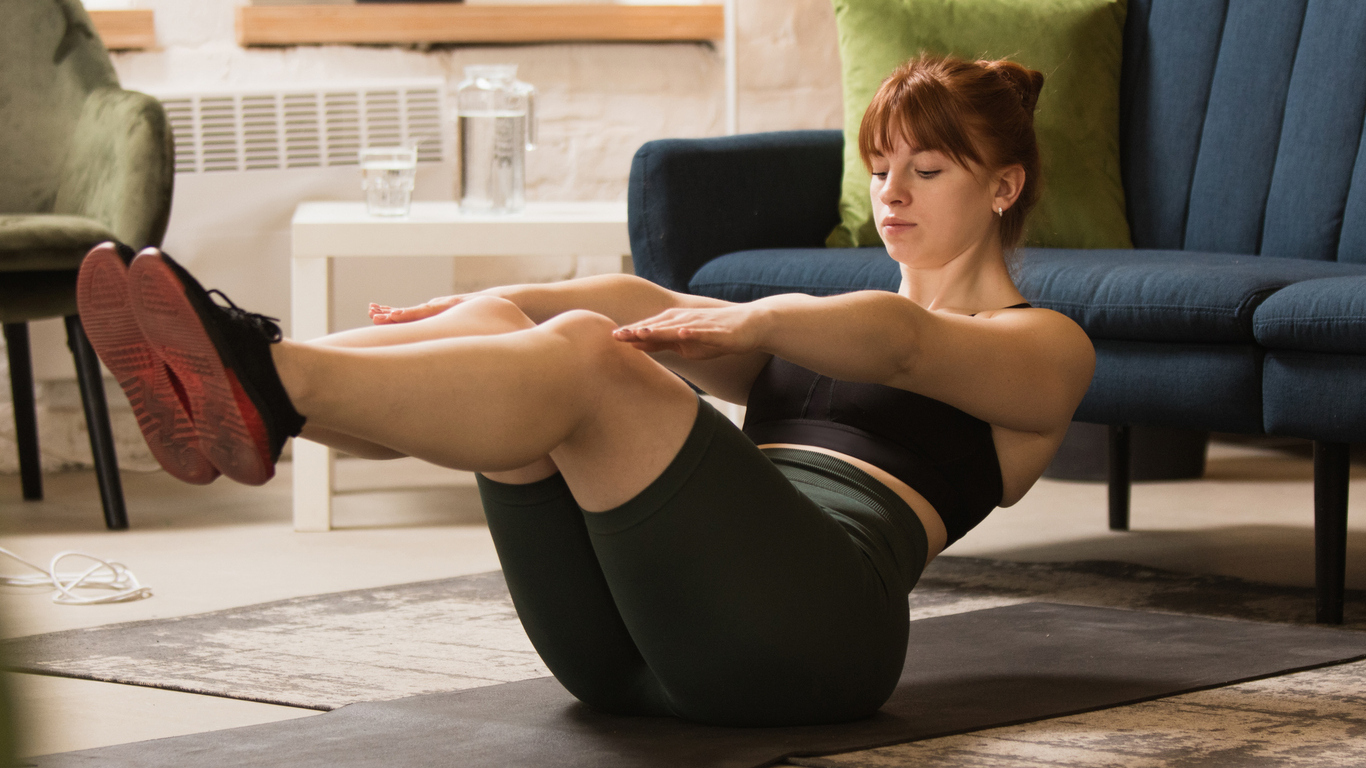
An 8-minute bed routine for people 60+ targets deep core muscles with low-impact moves—pelvic tilts, knee tucks, heel slides, bent-knee marches, and glute bridges—designed to flatten the lower belly while reducing back strain. Personal trainer James Bickerstaff of OriGym says these controlled movements improve abdominal stability and posture; perform 2–3 sets of each move with the listed reps (pelvic tilts 12–15, knee tucks 10–12 per leg, heel slides 12 per leg, bent-knee marches 10–12 per side, glute bridges 12) and rest 30–60 seconds between sets.

Blend Your Moves for a Quick Full-Body Workout
health4 months ago

Blend Your Moves for a Quick Full-Body Workout

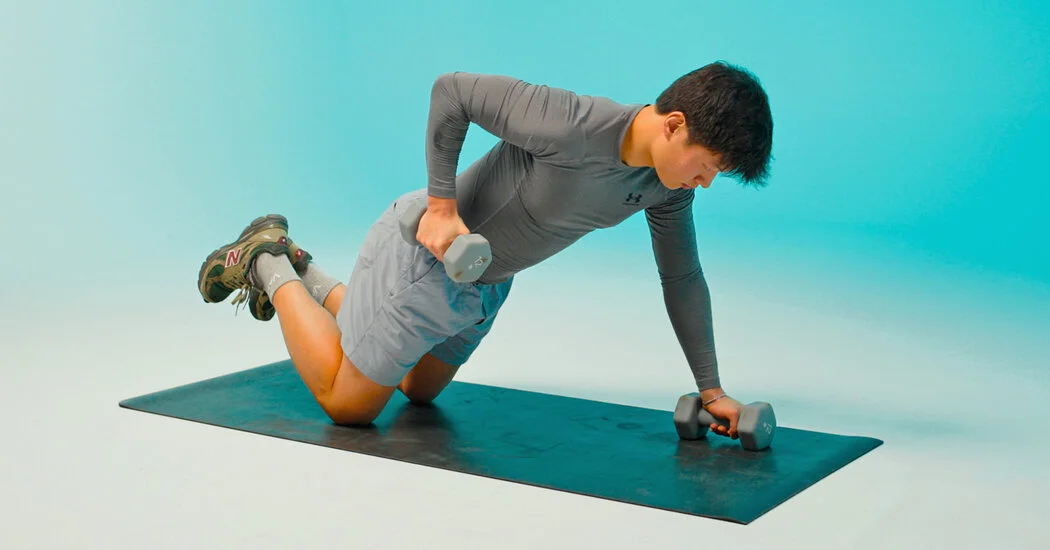
For busy schedules, the article advocates linking two or more exercises into one seamless movement to hit multiple muscle groups, including stabilizers and the core, and to elevate heart rate by shortening rest periods. A sample 20–25 minute routine combines moves like Glute Bridge/Lat Pullover, Push-Up/Renegade Row, Walking-Lunge/Curl, and Squat/High-Pull/Overhead Press, performed in 1–3 sets with progressive weights. Key cautions include training the strongest link first, avoiding weak-muscle-forcing failures, and mastering individual movements before chaining them to maintain form and safety.

Press-ups: The key to muscle building for runners
health-and-fitness6 months ago

Press-ups: The key to muscle building for runners

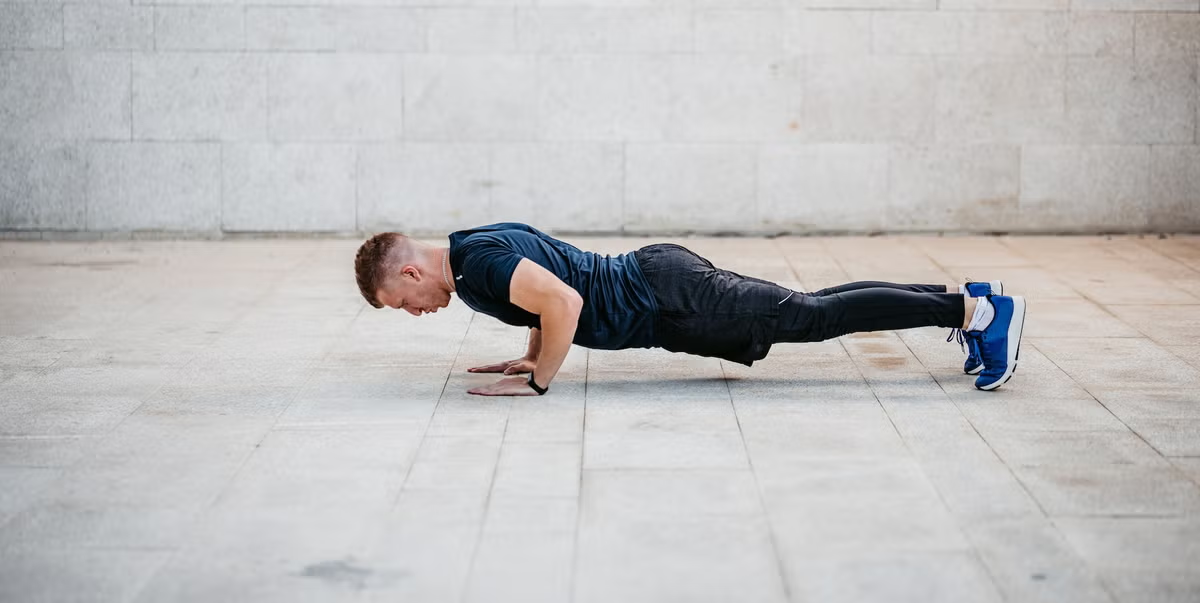
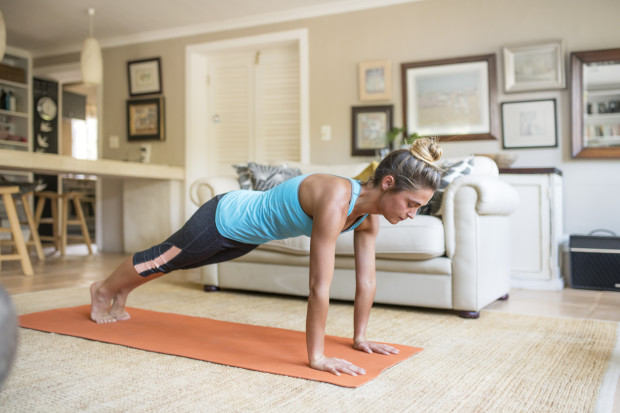
Performing 25-30 proper push-ups can effectively build muscle and improve core stability, which benefits runners by enhancing posture and running efficiency. Progression involves maintaining good form, increasing reps, or adding weight, with the exercise targeting upper body and core strength essential for overall fitness and running performance.

"Doctor-Approved: 10 Effective Spine Strengthening Exercises"
health-and-wellness2 years ago

"Doctor-Approved: 10 Effective Spine Strengthening Exercises"

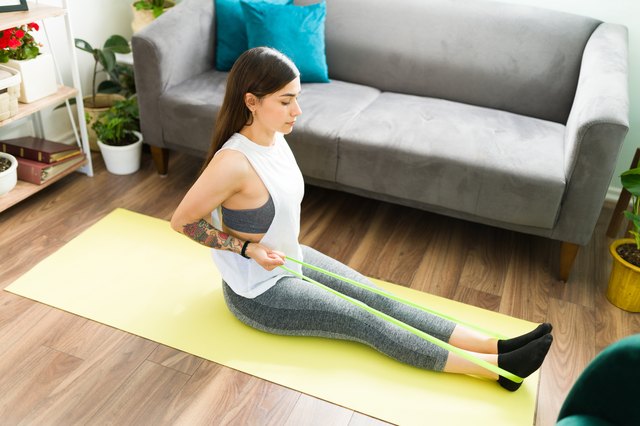
Strengthening the muscles around your entire spine, including the cervical, thoracic, and lumbar regions, is crucial for maintaining a healthy and pain-free back. Exercises such as neck isometrics, chin tucks, resistance band rows, prone arm lifts, prone opposite arm/leg lifts, superhero, glute bridges, modified curl-up, side plank, and bird dog can help strengthen your spine and improve posture. These exercises promote core stability, reduce pain, and prevent muscle imbalances that can lead to injuries. It is important to listen to your body and stop any exercise that causes sharp or stabbing pain.

"Unlocking Core Strength and Alleviating Lower Back Pain: Mastering the Art of Dead Bugs"
fitness2 years ago

"Unlocking Core Strength and Alleviating Lower Back Pain: Mastering the Art of Dead Bugs"

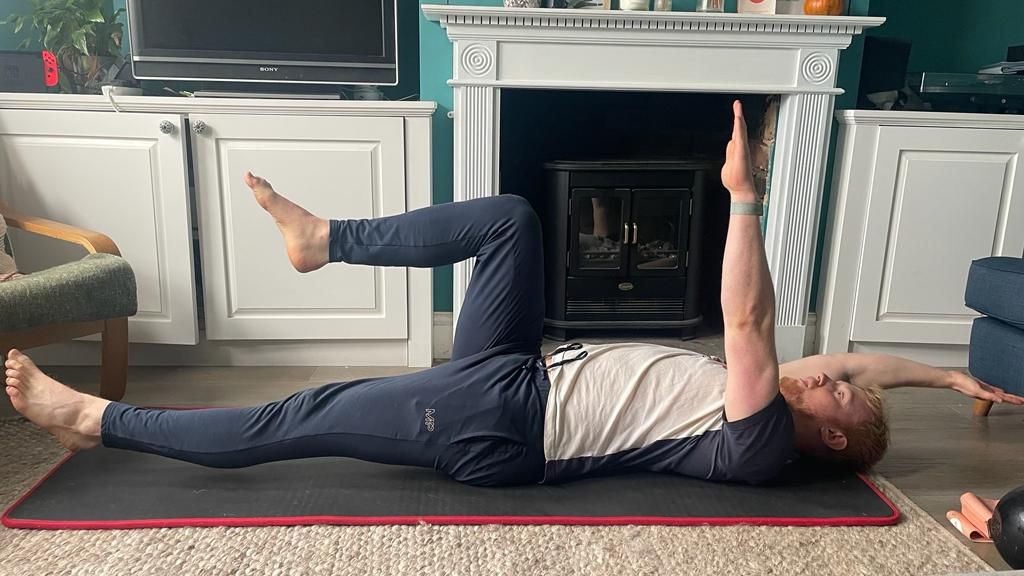
Physical therapist Aaron Horschig suggests a different approach to performing the dead bug exercise for improved core stability and prevention of lower back pain. Rather than pulling the belly button in and flattening the lower back, Horschig advises maintaining a truly neutral spine with a slight curvature in the lower back. He recommends using a hand underneath the lower back and practicing diaphragmatic breathing to ensure proper form and engagement of core muscles. Various dead bug variations, such as the standard, weighted, and banded versions, are also suggested for added challenge.

fitness2 years ago

"Ultimate Guide to Building a Jacked Physique: 5 Essential Exercises for a V-Shaped Back and 6-Pack Abs"

This article highlights the importance of simplicity in fitness and unveils the five essential exercises for achieving a jacked physique and boundless vitality: squats, deadlifts, bench presses, pull-ups, and planks. Each exercise is discussed in detail, including their benefits, proper form, variations, and how they contribute to overall strength and aesthetics. The article emphasizes the power of consistency and dedication in achieving fitness goals and making exercise a lifelong habit. By focusing on these foundational movements, individuals can simplify their fitness journey and unlock their full potential.

"The Transformative Power of a Daily 1-Minute Plank: Body and Mind Benefits Unveiled"
fitness3 years ago

"The Transformative Power of a Daily 1-Minute Plank: Body and Mind Benefits Unveiled"

The author, a health editor, decided to take on a two-week plank challenge to improve her posture and core stability. Holding a one-minute plank every day, she found it challenging at first but gradually became easier. While she didn't see major physical changes in two weeks, she noticed subtle improvements in her abs, arm muscles, and overall strength. Her mental stamina and self-confidence also improved. She plans to continue planking daily and expects further strength gains in her arms and core. The author encourages others to try a plank challenge, acknowledging its difficulty but emphasizing its worth.