Tag

Cretaceous Period

All articles tagged with #cretaceous period

Gobi Fossil Reclassifies Zhelestids as Insectivores, Overturning 40-Year Placental Theory
science11 days ago

Gobi Fossil Reclassifies Zhelestids as Insectivores, Overturning 40-Year Placental Theory

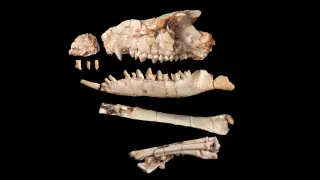
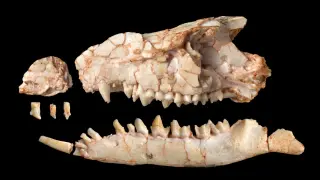
A remarkably complete fossil from Mongolia’s Gobi Desert, named Tamirkhan balcarceli, has been published in Nature, revealing that zhelestids were not early placental mammals but a distinct group of insectivores. This discovery overturns decades of assumptions based on isolated teeth and highlights the limitations of reconstructing anatomy from partial remains.

Mongolian Fossil Rewrites Mammal History, Debunking 40-Year Placental Theory
science13 days ago

Mongolian Fossil Rewrites Mammal History, Debunking 40-Year Placental Theory

A nearly complete fossil of the Cretaceous mammal Tamirkhan balcarceli, found in Mongolia’s Gobi Desert, overturns a four-decade scientific consensus. Previously, isolated teeth suggested zhelestids were early relatives of modern placental mammals. The new specimen reveals they were actually zalambdalestoids, a distinct lineage of insectivores. This finding highlights the limitations of reconstructing anatomy from teeth alone and confirms that zhelestids evolved plant-eating traits through convergence, not shared ancestry with placentals.

Fossil Teeth in Egyptian Desert Reveal 80-Million-Year-Old Shark Ecosystem
science13 days ago

Fossil Teeth in Egyptian Desert Reveal 80-Million-Year-Old Shark Ecosystem

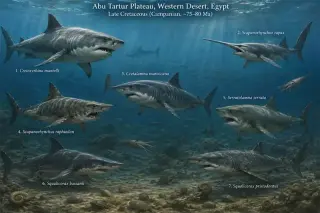
A team led by Cairo University’s Dr. Tarek Yassin identified 14 fossilized shark teeth in Egypt’s Western Desert, confirming the area was once a shallow tropical sea. Published in Cretaceous Research, the findings reveal five distinct species, including an ancient relative of the goblin shark, preserved in phosphate-rich rocks from 70 to 80 million years ago.

Egypt desert fossils reveal five ancient sharks from the dinosaur era
science1 month ago

Egypt desert fossils reveal five ancient sharks from the dinosaur era

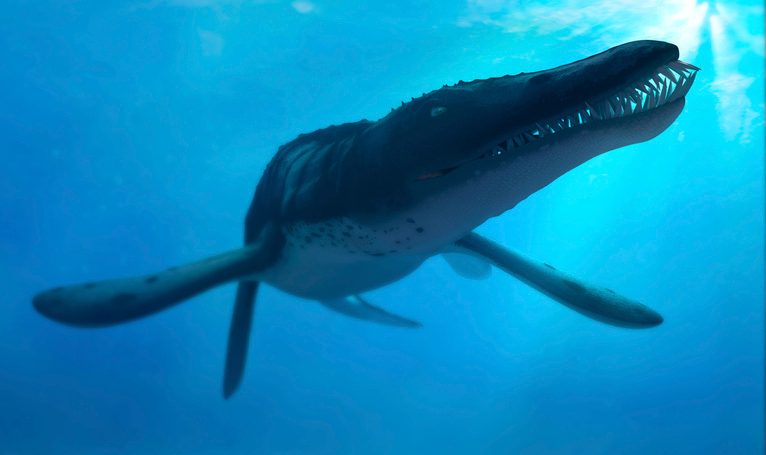
Archaeologists digging in Egypt’s southwestern desert uncovered a Late Cretaceous shark graveyard within phosphate beds of the Duwi Formation, preserving a former tropical marine ecosystem and 14 fossilized teeth. The find includes five extinct lamniform sharks—Cretalamna cf. C. maroccana, Scapanorhynchus cf. S. raphiodon, Serratolamna cf. S. serrata, Squalicorax bassanii, and Squalicorax pristodontus—offering new insight into Africa’s ancient paleobiodiversity and past sea levels that were significantly higher than today.

T. rex grew into a giant over four decades, new study finds
science9 months ago

T. rex grew into a giant over four decades, new study finds

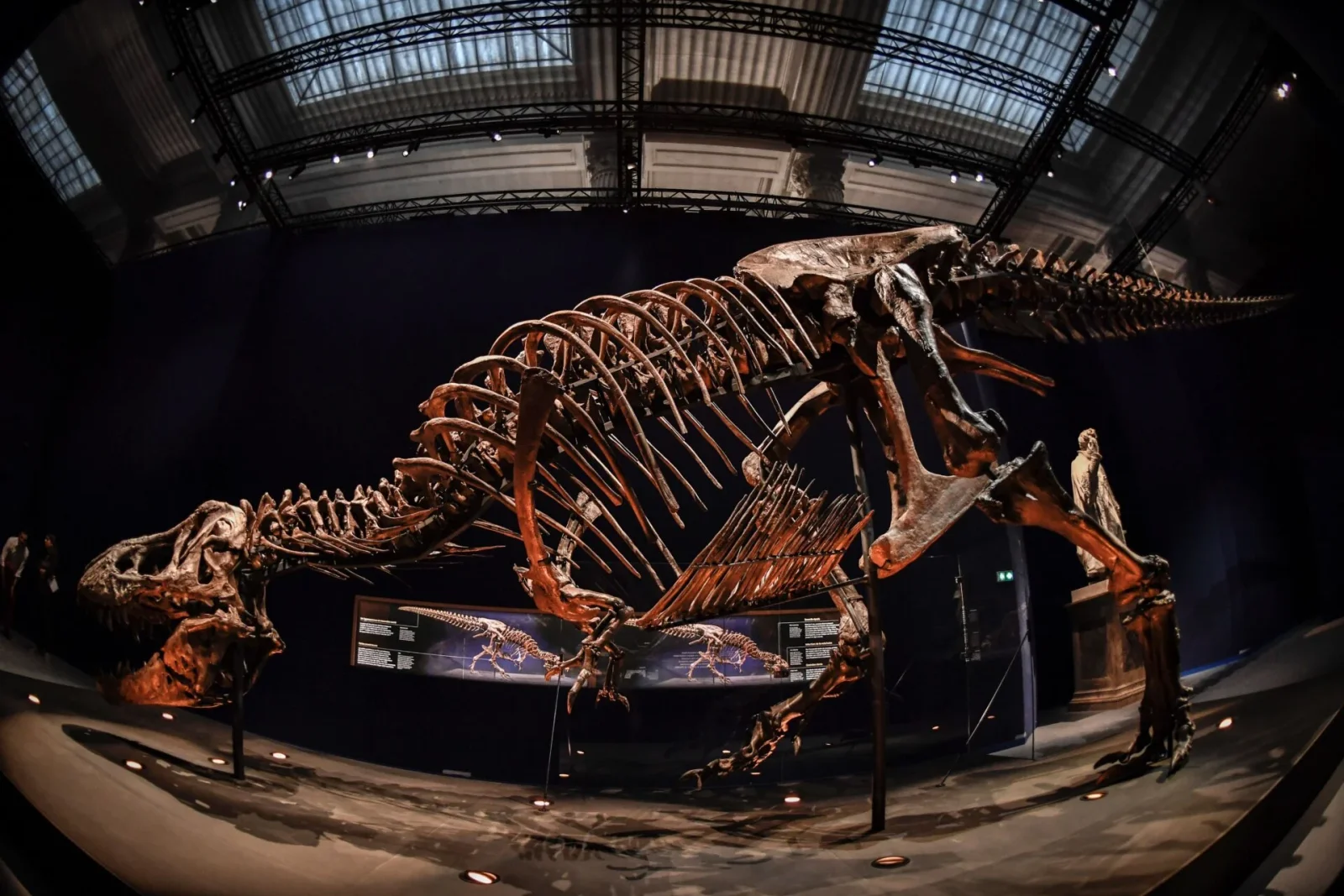
A new peer-reviewed study of 17 Tyrannosaurus rex fossils used growth rings revealed by polarized light to map year-by-year growth, showing T. rex took 35–40 years to reach full size and grew for four decades to about 8 tons, with an estimated lifespan of 45–50 years. This large dataset yields a revised growth curve and suggests a lengthy juvenile phase may have helped juveniles occupy varied ecological roles before the species became a dominant late-Cretaceous apex predator.

70-Million-Year-Old Dinosaur Egg Reveals Unexpected Crystal Treasure
science9 months ago

70-Million-Year-Old Dinosaur Egg Reveals Unexpected Crystal Treasure

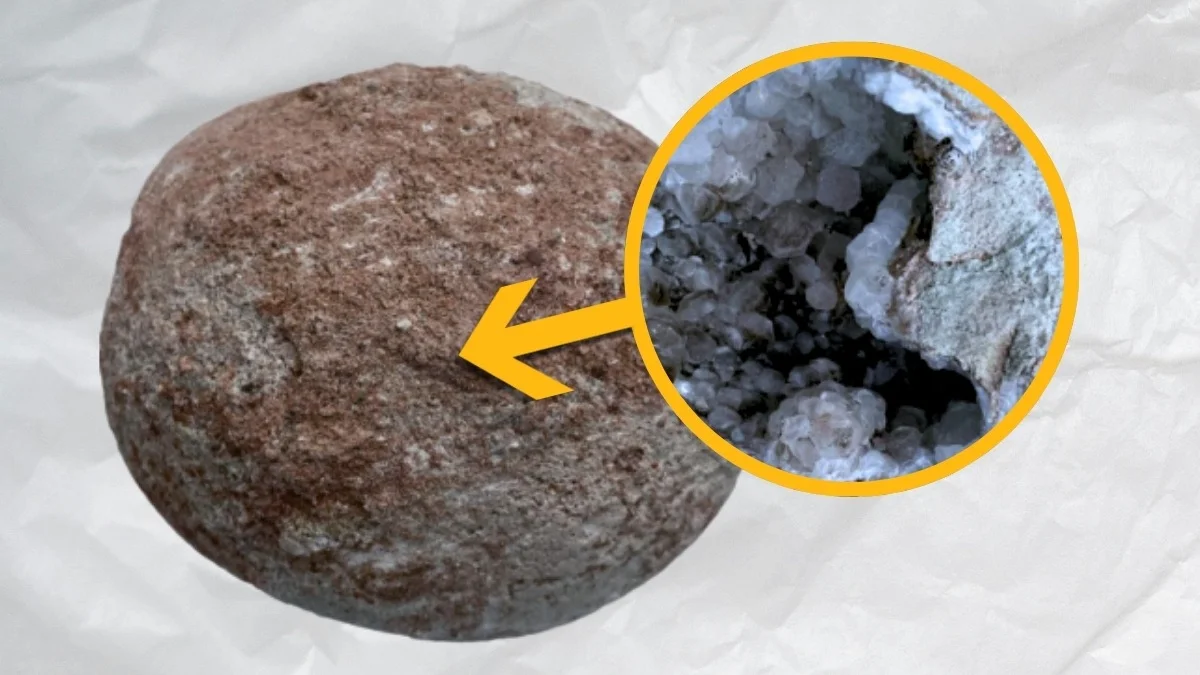
Scientists discovered a 70-million-year-old dinosaur egg in China that contained calcite crystals, transforming it into a natural geode and leading to the identification of a new species, Shixingoolithus qianshanensis, providing new insights into the microstructure, fossilization processes, and environmental conditions of the Late Cretaceous in the region.

110-Million-Year-Old Spider Fossils Discovered, Featuring Glowing Eyes
science9 months ago

110-Million-Year-Old Spider Fossils Discovered, Featuring Glowing Eyes

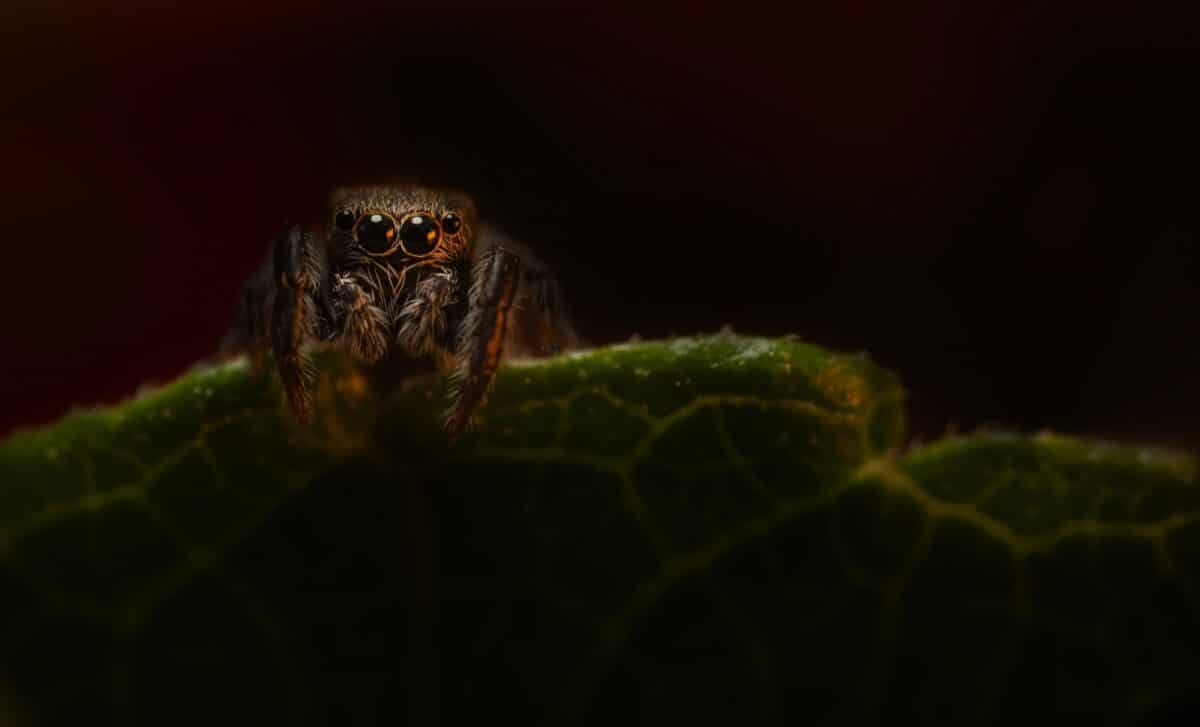
Scientists discovered 10 new fossilized spider species from the Mesozoic era in South Korea, including one with preserved glowing eyes that reflect light, indicating they may have been nocturnal hunters. This rare find, published in the Journal of Systematic Palaeontology, provides new insights into ancient spider diversity and their ecological niches, especially with the first identification of a tapetum in fossilized spider eyes.

Massive Duck-Faced Dinosaur Discovered in New Mexico
science11 months ago

Massive Duck-Faced Dinosaur Discovered in New Mexico

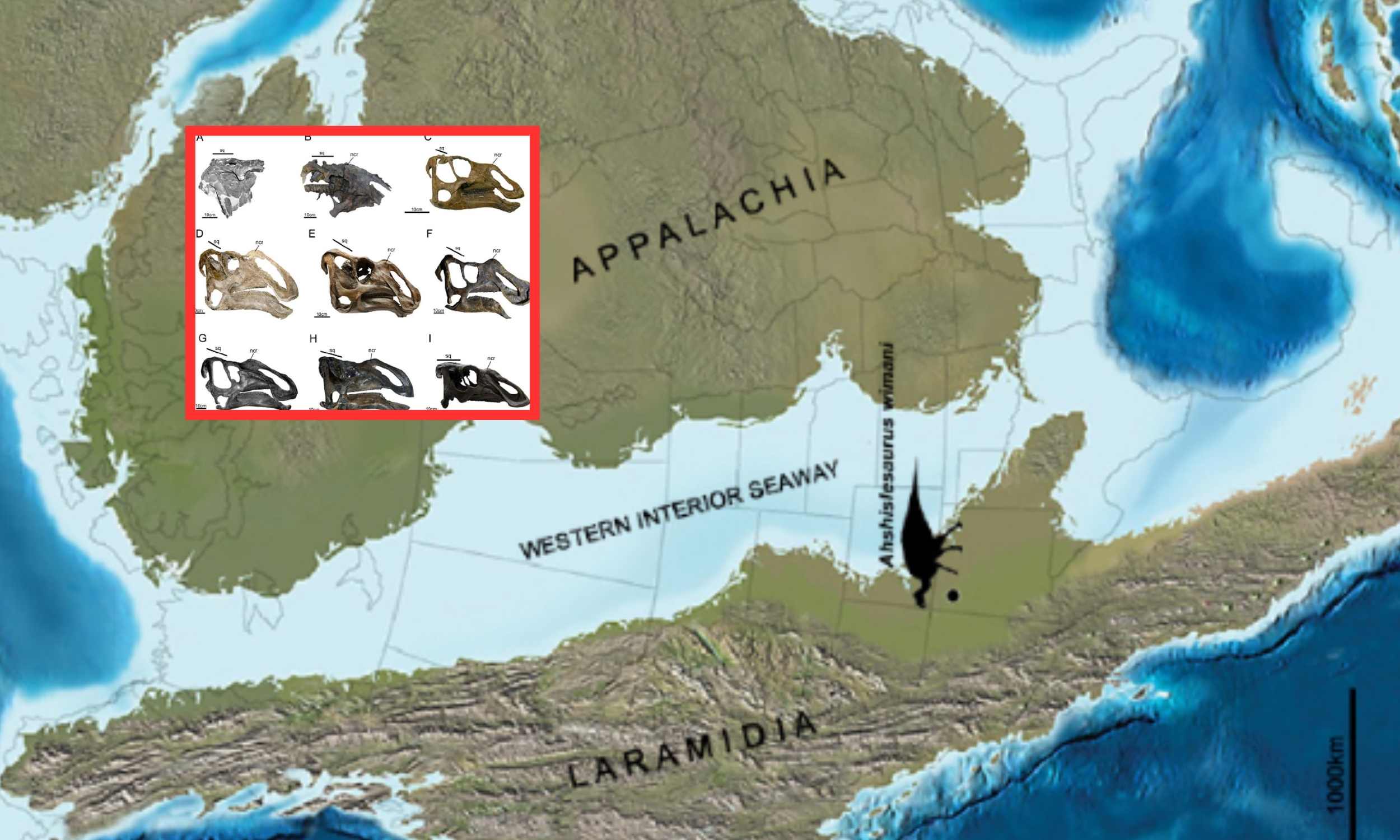
A new species of duck-billed dinosaur, Ahshislesaurus wimani, was discovered in New Mexico, dating back about 75 million years. The fossil, initially misclassified, was re-examined and identified as a distinct species, adding to the diversity of Late Cretaceous dinosaurs in North America and highlighting the region's rich paleontological history.