Tag

Growth Rate

All articles tagged with #growth rate

Neanderthal Infants Grew Faster Than Modern Humans, Study Finds
science27 days ago

Neanderthal Infants Grew Faster Than Modern Humans, Study Finds

The Amud 7 Neanderthal infant from Amud Cave in Israel—dated to about 51,000–56,000 years ago and the most complete Neanderthal infant skeleton found—shows Neanderthal babies grew their bodies faster than modern human babies, with rapid somatic growth outpacing tooth development (teeth suggested an age closer to six months, vs. about 13.7 months for bone growth). This accelerated early growth, including larger skulls, likely reflects an evolutionary strategy to adapt to harsh environments, with growth trajectories eventually converging with Homo sapiens.


Rapid Early Growth: Neanderthal Infants Reached Toddler Size by Six Months
science1 month ago

Rapid Early Growth: Neanderthal Infants Reached Toddler Size by Six Months

Analysis of Amud 7, a six‑month‑old Neanderthal infant from Israel, shows the baby’s body and brain were already the size of a modern one‑year‑old (about 880 cc), indicating Neanderthals grew up much faster in the first years of life. The rapid early growth was likely fueled by high caloric needs and early solid-food introduction around five–six months, helping Neanderthals reach physical independence in harsh Ice Age conditions. This pattern appears consistent across other Neanderthal infants, though by about age seven their developmental trajectory converges with Homo sapiens, suggesting differences in life-history timing rather than overall brain/body size. The findings point to regulatory differences in shared genes guiding development rather than a wholly separate genetic blueprint.

U.S. population hits 342 million as immigration crackdown slows growth
us-news3 months ago

U.S. population hits 342 million as immigration crackdown slows growth

Census Bureau estimates show the United States reached nearly 342 million in 2025, with overall growth slowing to about 0.5% from roughly 1% in 2024, driven largely by a drop in immigration. Immigration added about 1.3 million people in 2025, down from 2.8 million in 2024. California posted a net population loss, while the South continued to grow and births exceeded deaths by 519,000. The data, covering July 2024–July 2025, reflect early effects of enforcement surges and are being weighed for their broader economic and regional impacts, though officials say the numbers appear credible despite concerns about political interference at some agencies.

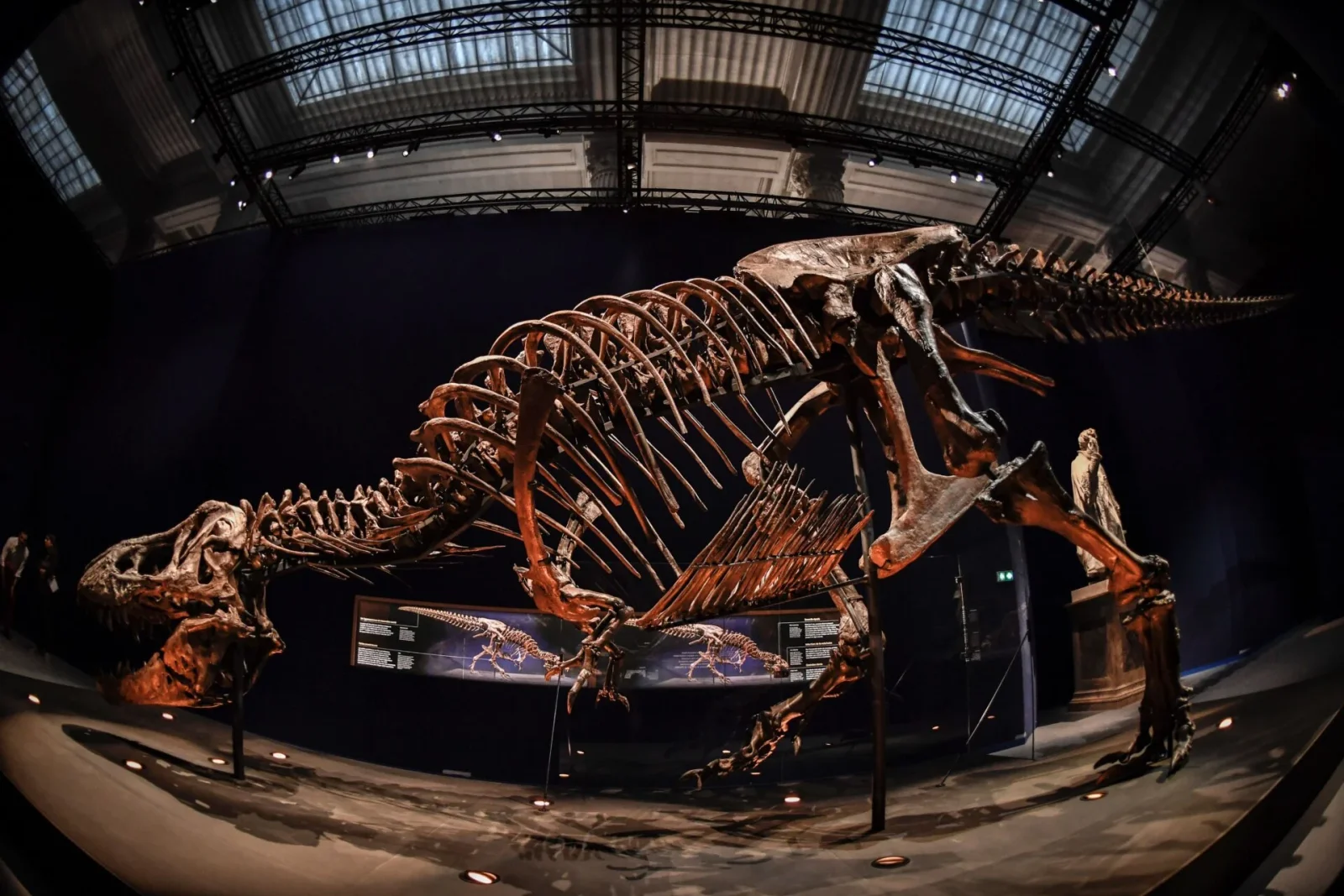
T. rex grew into a giant over four decades, new study finds
science4 months ago

T. rex grew into a giant over four decades, new study finds

A new peer-reviewed study of 17 Tyrannosaurus rex fossils used growth rings revealed by polarized light to map year-by-year growth, showing T. rex took 35–40 years to reach full size and grew for four decades to about 8 tons, with an estimated lifespan of 45–50 years. This large dataset yields a revised growth curve and suggests a lengthy juvenile phase may have helped juveniles occupy varied ecological roles before the species became a dominant late-Cretaceous apex predator.

UK Economy Grows 0.3% in Q2 Despite Slower Pace
business9 months ago

UK Economy Grows 0.3% in Q2 Despite Slower Pace

UK economic growth slowed to 0.3% in Q2 but exceeded forecasts, driven mainly by services and construction, with positive revisions for April. Experts suggest weather and consumer confidence helped, but concerns remain over global economic impacts, business investment, and potential tax hikes. The Bank of England may delay rate cuts amid inflation concerns, while forecasts for the rest of 2023 remain cautious.

"Dinosaurs Exhibited Rapid Early Growth"
paleontology2 years ago

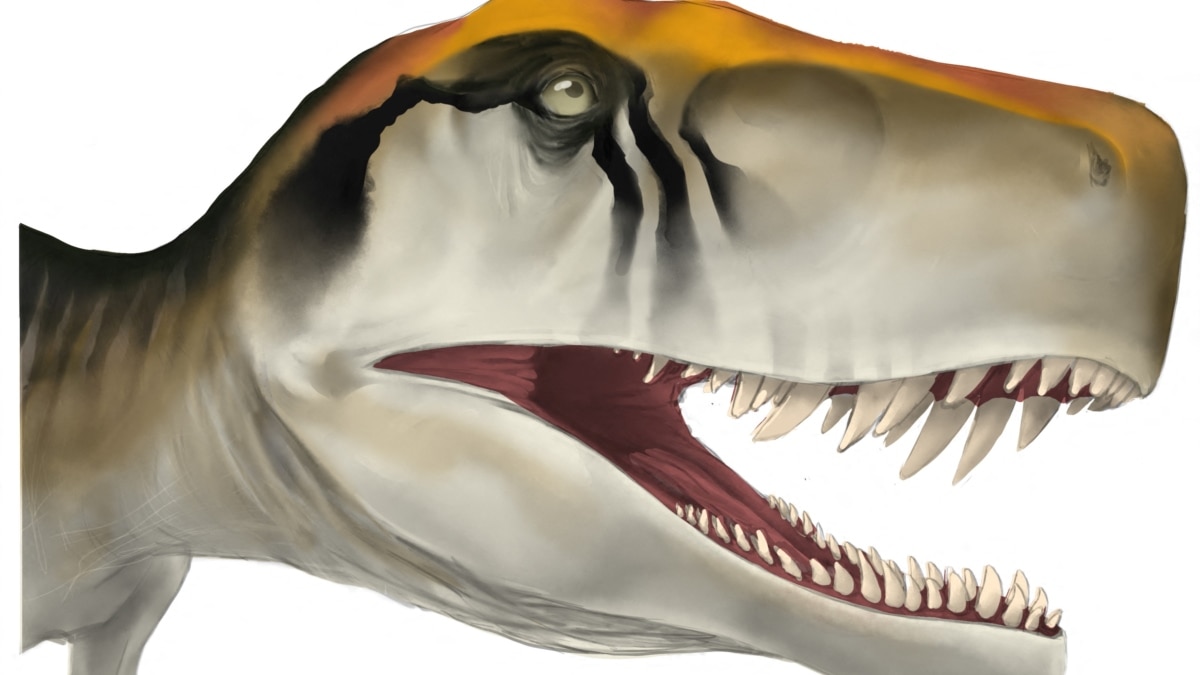
"Dinosaurs Exhibited Rapid Early Growth"

A new study of dinosaur bone fossils from Argentina reveals that the earliest dinosaurs exhibited fast growth rates similar to modern mammals and birds. This rapid growth allowed them to escape the risks of being small and reproduce more successfully, contributing to their evolutionary success. The research also found fast growth rates in some non-dinosaur reptiles and other animals during the Triassic Period, following a mass extinction event. This study sheds light on the role of fast growth in the success of early dinosaurs and their competitors.