Tag

Deep Sky Objects

All articles tagged with #deep sky objects

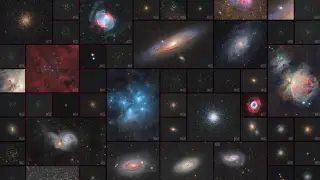
Dutch Amateur Spends 352 Hours Imaging All 110 Messier Objects
space1 day ago

Dutch Amateur Spends 352 Hours Imaging All 110 Messier Objects

Amateur astrophotographer Cornelis van Zuilen has completed a comprehensive mosaic of all 110 objects in the Messier catalog, a project that required 352 hours of imaging time and extensive travel to dark-sky locations in the Netherlands. Using professional-grade equipment and specialized software, van Zuilen captured galaxies, star clusters, and nebulas, including the Andromeda Galaxy and the Pleiades, to create a single visual representation of this historic astronomical list. The effort involved sleeping in his vehicle to access optimal viewing sites, highlighting the dedication required for deep-sky imaging from a northern latitude.

"Spot Comet Lemmon in the Sky This Week: November 10-17"
astronomy2 years ago

"Spot Comet Lemmon in the Sky This Week: November 10-17"

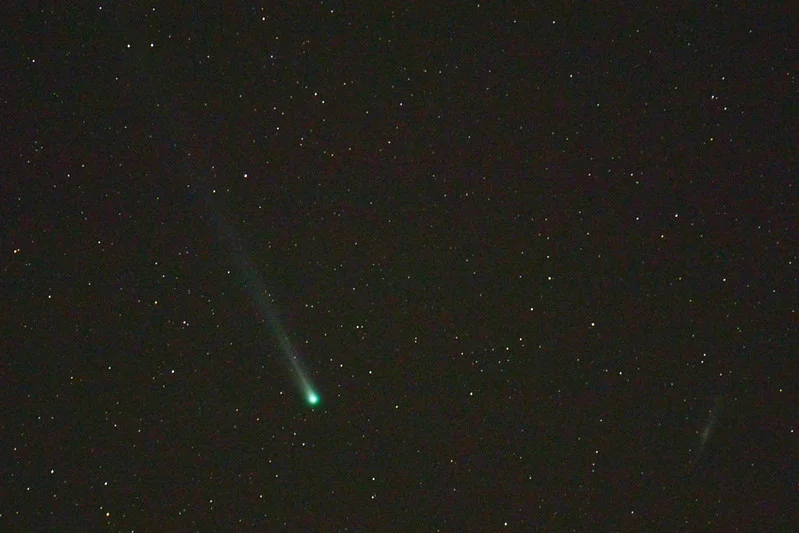
This week, skywatchers have the opportunity to observe Comet Lemmon, which will be at its brightest and visible with binoculars in the evening sky. Other celestial events include the Blinking Planetary Nebula in Cygnus, an occultation of Jupiter's moon Io, the opposition of Uranus, the close pass of the Moon and Antares, the pairing of Comet Tsuchinshan with the Beehive Cluster, Mercury passing Antares, and the peak of the annual Leonid meteor shower.

"Bortle 1: Unparalleled Skies for Astrophotography"
astronomy3 years ago

"Bortle 1: Unparalleled Skies for Astrophotography"

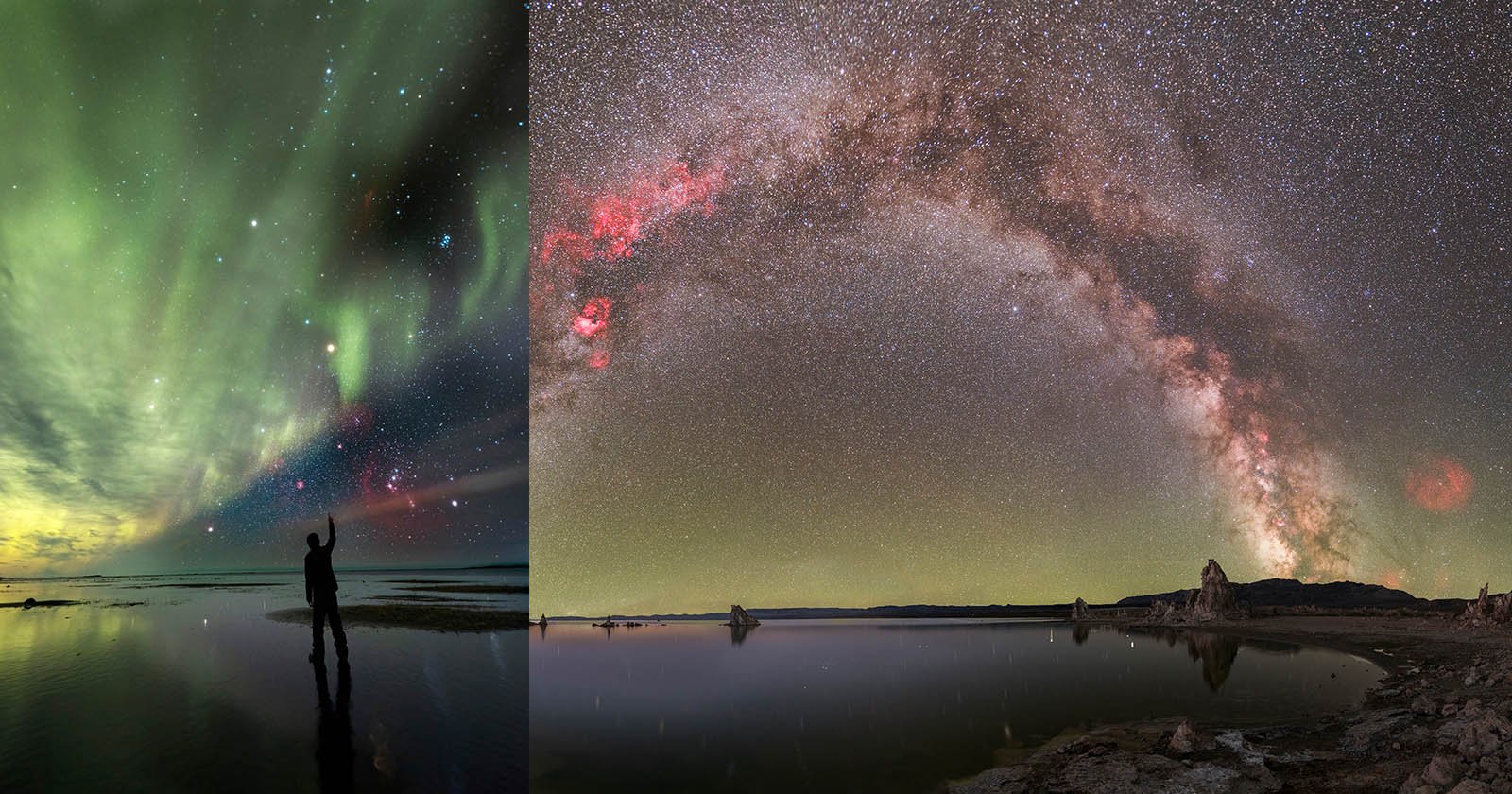
Bortle Class 1 skies, characterized by minimal light pollution, offer the best conditions for astrophotography. These pristine skies allow for the capture of celestial waveforms and the observation of deep-sky objects such as the Milky Way, Andromeda Galaxy, Orion Nebula, and Pleiades star cluster. In addition, Bortle 1 skies provide opportunities to witness natural phenomena like the Northern and Southern Lights (Aurora Borealis and Aurora Australis), the faint glow of the zodiacal light, and the subtle radiance of airglow. These breathtaking sights highlight the beauty and vastness of the universe.

astronomy3 years ago

Don't Miss the Rare Five-Planet Alignment in the Night Sky

On March 27, 2023, Mercury, Jupiter, Mars, Venus, and Uranus will align and display themselves in a row across the night sky. This week, amateur astronomers worldwide will be participating in the Messier Marathon to spot as many of the 110 deep-sky objects as possible. To get the best experience, it is recommended to find an observational site with a clear view of the western horizon and use binoculars. The planets will be viewable approximately 20-25 minutes after the sun has set, and the viewing time is short.