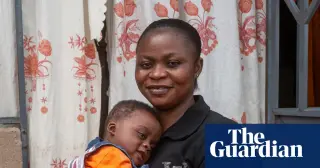
The World Health Organization has prequalified Coartem Baby, the first malaria treatment designed for infants as small as 2 kg, enabling public-sector use globally; developed by Novartis and MMV, it aims to reduce dosing errors and toxicity and has begun rollout in Ghana with plans to expand across sub-Saharan Africa.
Rotavirus is rising nationwide, heightening hospitalization fears for babies as the CDC’s shift to shared clinical decision-making on vaccination creates mixed messages. Illinois sticks with the AAP schedule, but experts warn declining uptake could worsen outcomes, even as Comer Children’s Hospital notes more gastroenteritis cases. Some families are delaying summer travel to protect vulnerable infants.
WHO prequalified the first malaria treatment for newborns and young infants (artemether-lumefantrine) and added three rapid diagnostic tests that use pf-LDH to detect malaria where HRP2-based tests miss cases, helping close a long-standing treatment gap for about 30 million babies born each year and improving diagnosis in HRP2-deletion areas ahead of World Malaria Day 2026.
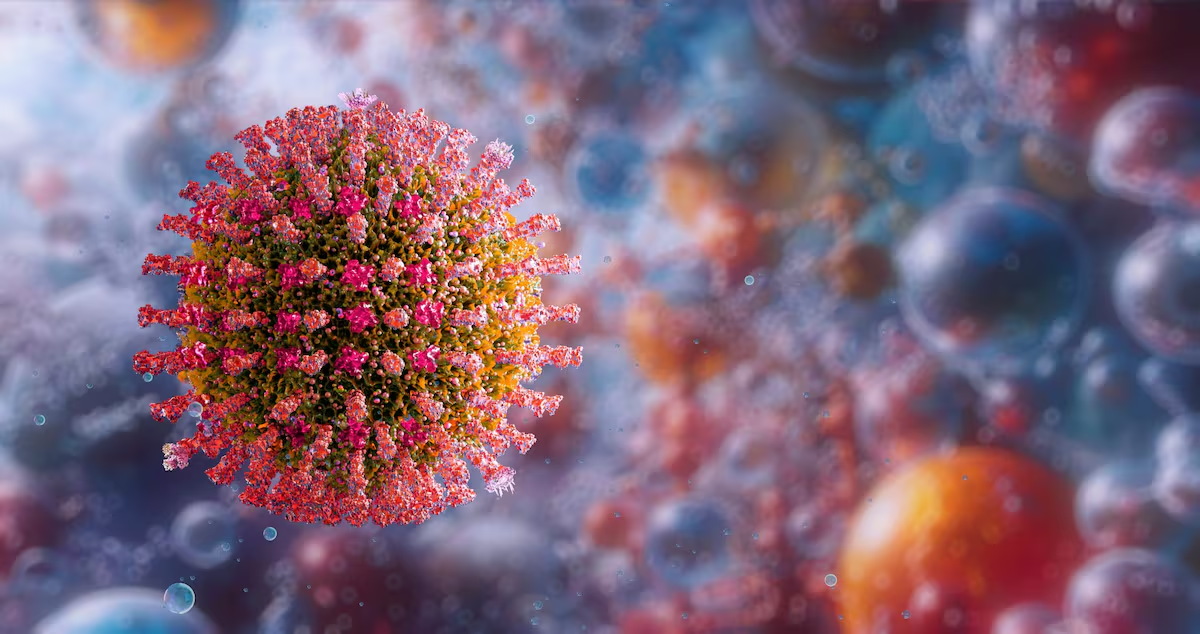
Rotavirus activity is elevated across New Jersey and Region 2, causing vomiting and diarrhea in young children and raising dehydration and hospitalization risk; CDC data show 9.6% of rotavirus tests were positive in the Northeast for the week ending April 11, with Region 2 recently easing from earlier peaks, while wastewater data indicate rising rates in the Midwest and West. Vaccination remains the most effective protection (85–98% against severe illness), but overall vaccine uptake has slipped to about 74% of U.S. children by 8 months. The rise occurs amid vaccine-policy debates and lawsuits over changes to immunization schedules; health officials urge vaccination and seeking medical care for signs of dehydration.
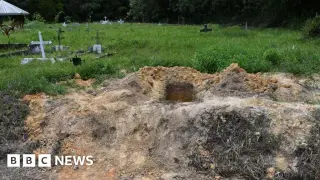
Authorities in Cumuto Cemetery, Trinidad and Tobago, discovered the remains of 50 babies and 6 adults, with most adult remains bearing identification tags. Preliminary indications suggest unlawful disposal of unclaimed corpses, and police say the finding is deeply troubling as investigations proceed to identify those responsible and determine how the remains were discarded.
Police in Trinidad and Tobago are investigating the discovery of at least 50 infant remains and six adults dumped at a Cumuto graveyard, suggesting unlawful disposal of unclaimed bodies. Some adults had ID tags, and a couple showed post-mortem signs, but authorities have not linked the incident to gang violence. The investigation comes amid a renewed state of emergency granting police broader powers, with officials promising accountability if laws were violated.
A study of a six-month-old Neanderthal infant found in a northern Israel cave suggests Neanderthals had larger, faster-growing babies with robust bones and rapid dental development, indicating different growth trajectories and higher energy expenditure compared to modern humans and underscoring the distinct biology of our extinct cousins.
New interdisciplinary work argues that music is a hardwired biological trait, with newborns already detecting rhythm and pitch; brain imaging shows music and language rely on distinct neural circuits, while musicality is a mosaic of beat, pitch and emotion shaped by evolution and present across species, suggesting music predates language and can inform therapies and education.
A University of East Anglia study using brainwave monitoring shows eight- to eleven-month-old infants with high sensory sensitivity spend similar amounts of time in deep sleep as peers, but their deep sleep is shallower with weaker slow waves, making it less restorative; while noise worsens sleep disruption, these babies remain lighter sleepers even in quiet environments, suggesting an intrinsic sensory wiring difference that could relate to autism traits and early brain development.
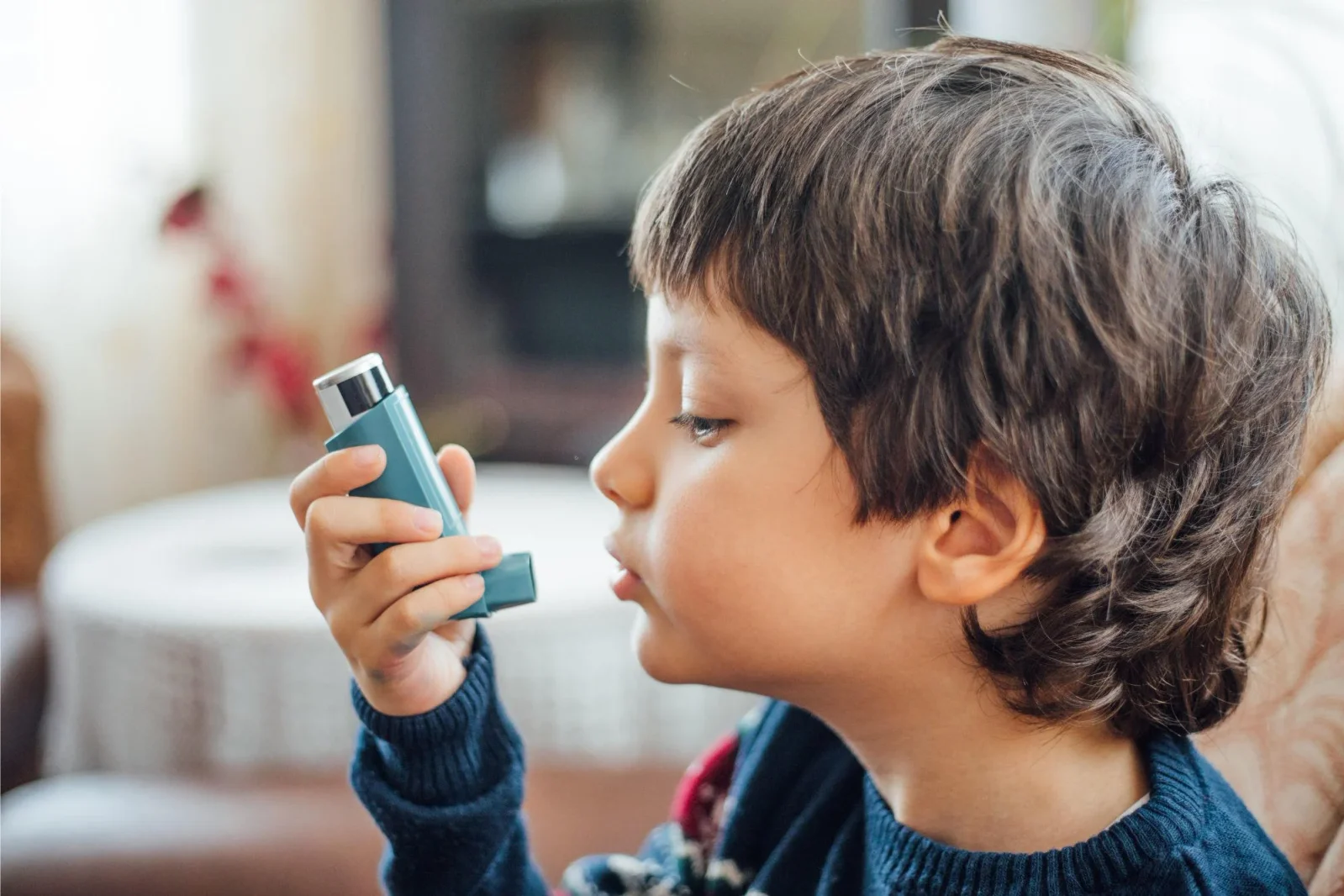
DTU researchers identify 4-hydroxyphenyl lactate (4-OH-PLA), a metabolite produced by specific bifidobacteria in early-life guts, that dampens IgE production and lowers the risk of allergies and asthma. The study followed 147 children to age five across Sweden, Germany, and Australia, showing that early colonization with these bacteria correlates with reduced allergic sensitization; vaginal birth, exclusive breastfeeding, and contact with other infants increase these bacteria. The team suggests probiotic supplements or infant formula enriched with the bacteria or metabolite as preventive strategies, with a patent filed. Translation to preventive use could appear in a few years, while therapies for existing allergies may take up to a decade to develop and approve.
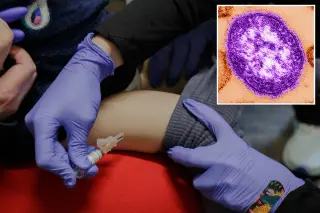
Utah health officials are recommending an early, extra dose of the MMR vaccine for infants aged 6-11 months in Washington County due to a measles outbreak, despite concerns that it may reduce long-term protection, as the benefits of early protection outweigh the risks in high transmission areas.
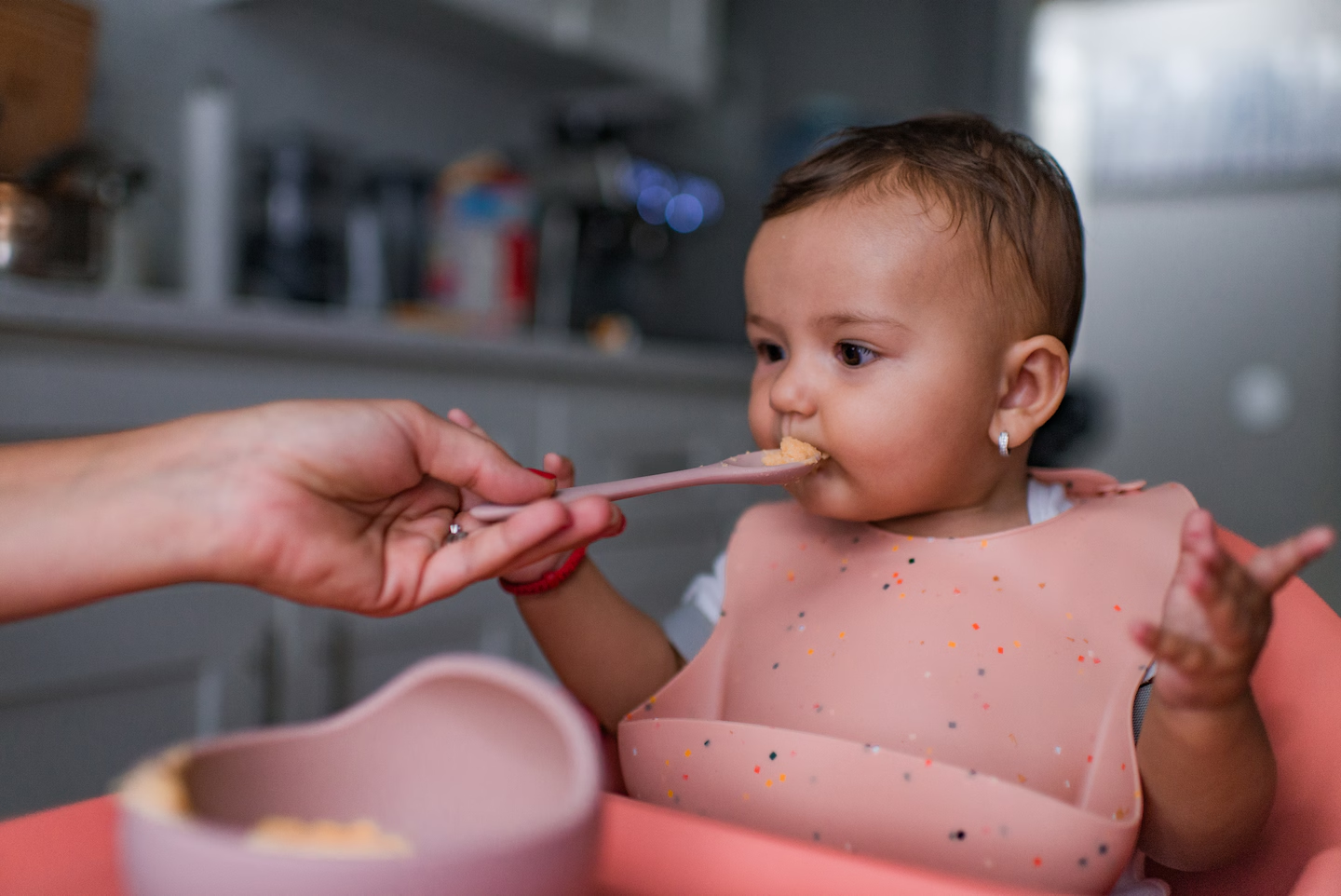
A recent study in Pediatrics found that introducing peanut products to infants can reduce the risk of developing peanut allergies by 43%, based on analysis of medical records of around 120,000 children under 3.,
Baltimore has seen a nearly fourfold increase in congenital syphilis cases among infants over the past decade, surpassing national rates, due to factors like inadequate screening, stigma, and rising infections among women of childbearing age, prompting city officials to enhance testing and treatment efforts.
In Utah, 11 infants exposed to measles at a clinic received timely post-exposure treatment to prevent infection, highlighting the importance of rapid response and vaccination, as the state faces ongoing measles cases and limited treatment supplies.
Four infants in Rambam Hospital's NICU in Haifa contracted a bacterial infection, resulting in one death, leading to a temporary halt in admissions and extensive investigations to identify the source, with no current risk to other patients.