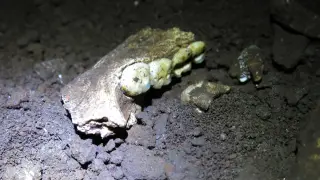
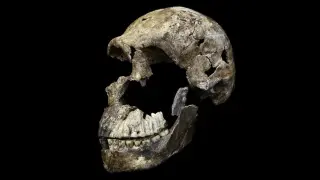
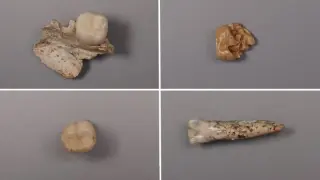
Researchers analyzing ancient proteins in Homo naledi teeth found no male-specific markers in 20 individuals, suggesting the Dinaledi Chamber in South Africa may have been an exclusively female burial site dating back over 240,000 years.
Two leg bones dredged from the seafloor off Taiwan, identified as Denisovan, suggest that some members of this ancient human relative were significantly taller and heavier than previously assumed. The fossils, dated to approximately 45,000 years ago, indicate a diet rich in terrestrial meat and a lifestyle involving high mobility. While these findings offer the first clear glimpse of Denisovan body size, experts caution that the lack of archaeological context and the small sample size limit the ability to generalize these traits to the entire species.
A new study of preserved dental enamel proteins from about 20 Homo naledi individuals at South Africa’s Rising Star cave finds no signature of amelogenin Y, suggesting the group could be all female and fueling the idea of deliberate burial at the site. However, absence of Y does not prove all-female status, and alternative explanations—such as genetic variation, inbreeding, or a loss of the Y gene—could also explain the results. More evidence is needed before drawing firm conclusions about the population’s sex composition or burial practices.
Scientists extracted ancient enamel proteins from six Homo erectus teeth found in three sites in China (about 400,000 years old) using a new, minimally invasive enamel-etching technique. They identified two shared amino acid variants, one of which also appears in Denisovans and some modern humans, suggesting interbreeding between Homo erectus, Denisovans, and Homo sapiens and supporting a networked view of human evolution. The study relied on proteins (not DNA) and analyzed teeth from Hexian and Zhoukoudian, with five males and one female identified, highlighting open questions about how these populations relate to each other.
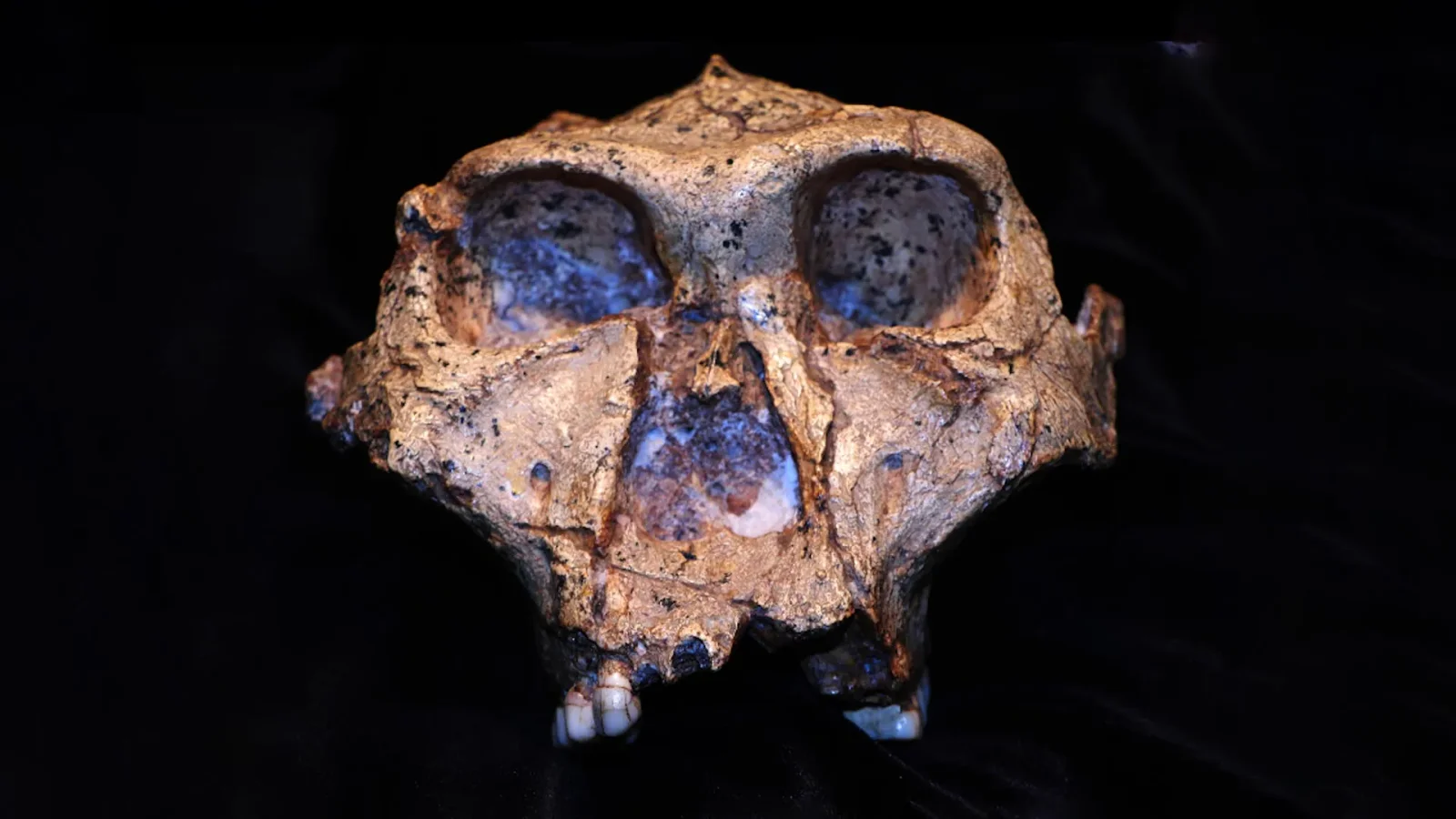
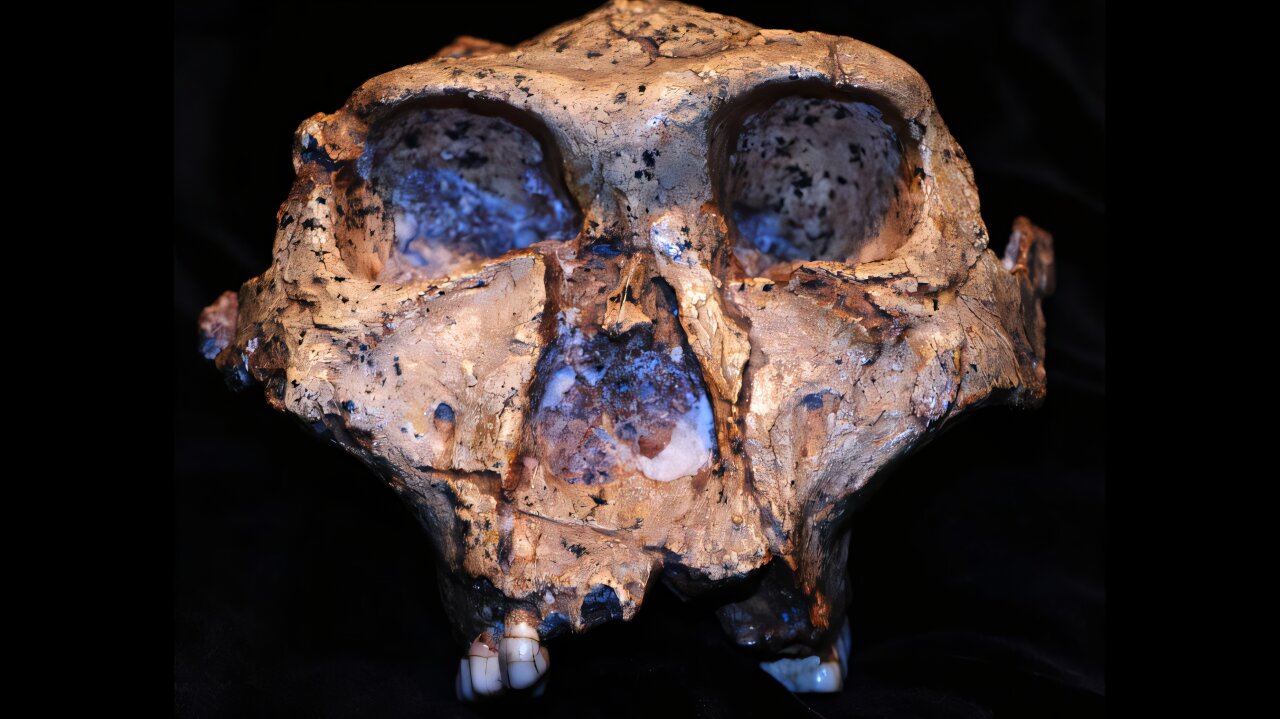
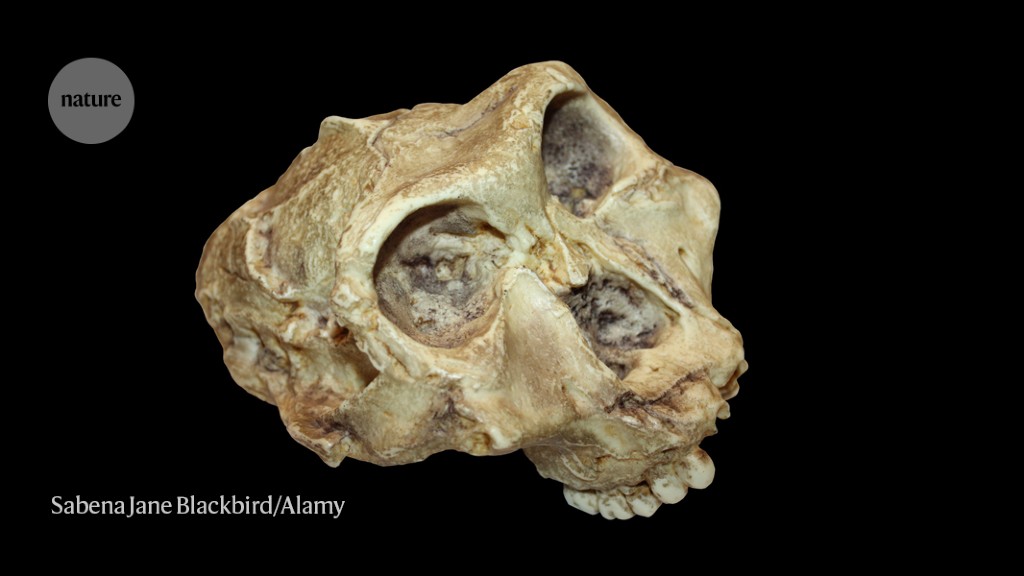
Scientists used paleoproteomics to analyze 2-million-year-old teeth of Paranthropus robustus, revealing insights into its sex, genetic variation, and suggesting a more complex, diverse early human family tree, marking a significant advancement in understanding human origins.
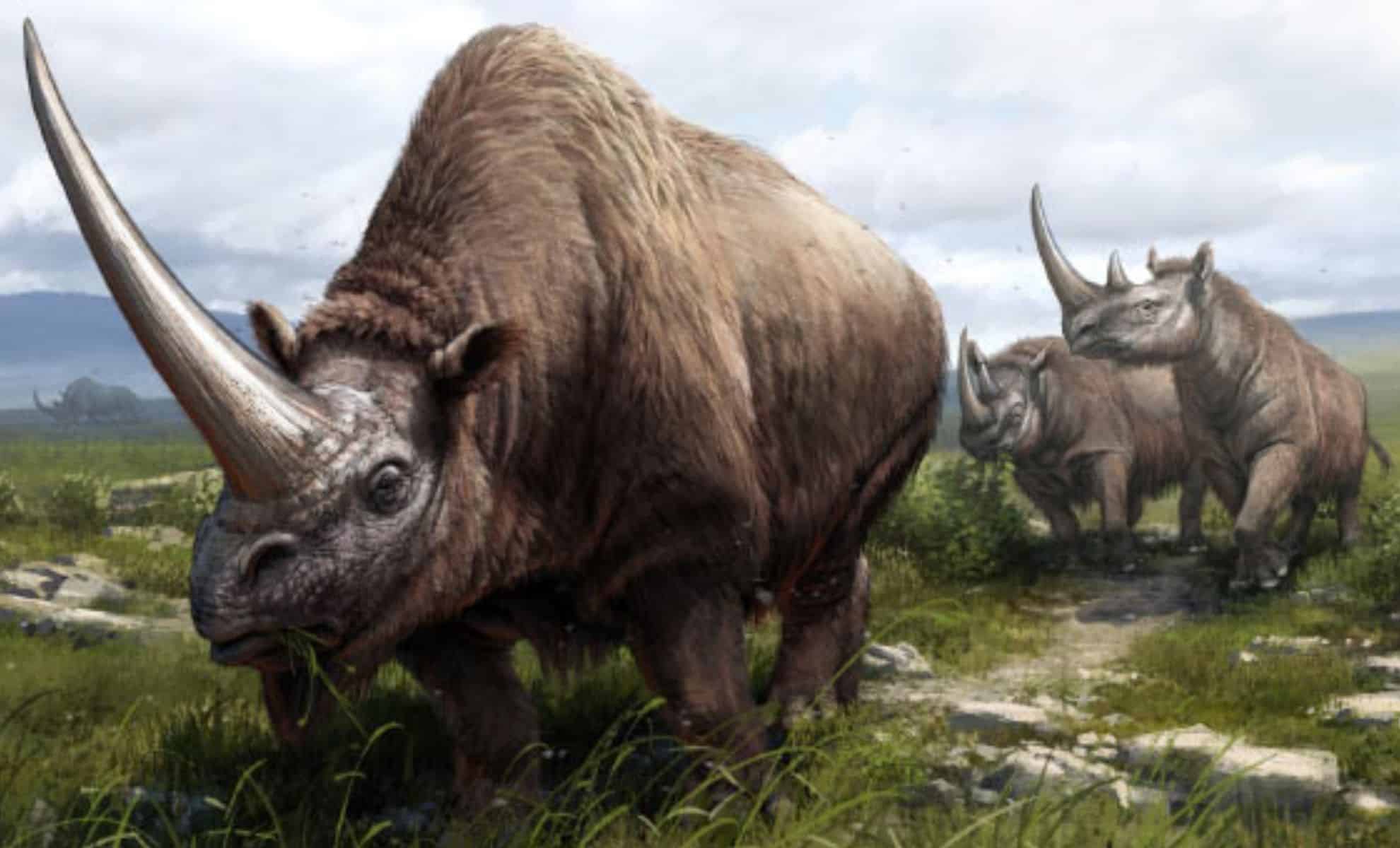
Scientists have successfully extracted ancient proteins from a 24 million-year-old rhino fossil, demonstrating the potential of paleoproteomics to study fossils beyond the reach of ancient DNA, and suggesting that retrieving proteins from dinosaur fossils might be possible in the future.
Paleontologists have discovered preserved ancient proteins in a 24-million-year-old rhinoceros fossil, challenging previous timelines of rhino evolution and demonstrating the potential of protein analysis to study deep past species beyond the limits of ancient DNA, thereby opening new avenues for understanding evolutionary history.
Scientists used paleoproteomics to analyze proteins from 2-million-year-old teeth of Paranthropus robustus, revealing new insights into its diversity, sex, and potential multiple species, thus advancing understanding of human evolutionary history.
Scientists have extracted the oldest animal proteins from 18 to 24 million-year-old fossils, using dental enamel to preserve these molecules in harsh environments, significantly extending the known age range for recoverable ancient proteins and opening new avenues for studying deep evolutionary history.
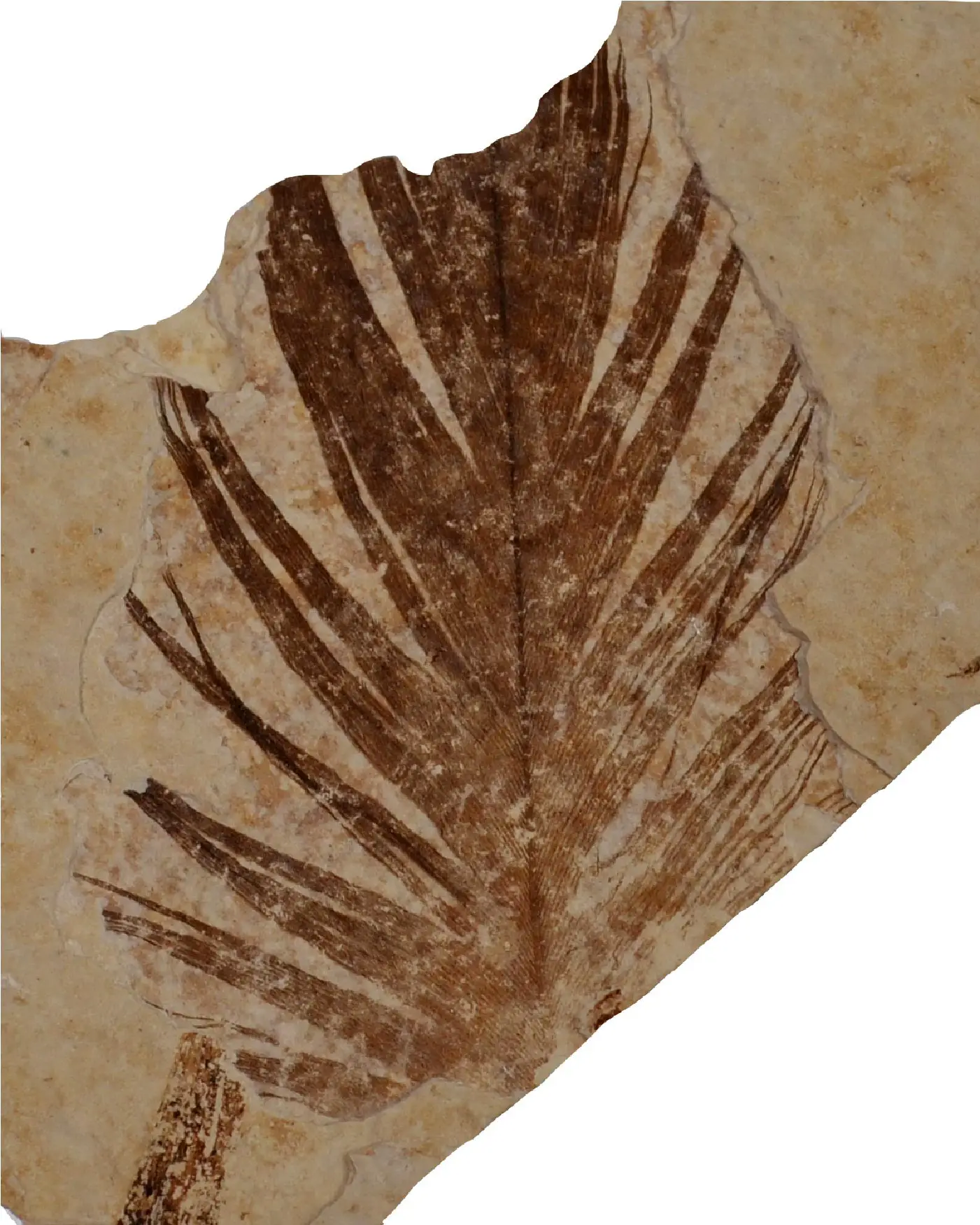
Paleontologists at University College Cork have discovered X-ray evidence of proteins in 125-million-year-old dinosaur feathers, revealing that the protein composition of modern-day feathers was also present in the feathers of dinosaurs and early birds. The research challenges previous studies suggesting that ancient feathers had a different composition and confirms that the chemistry of feathers originated much earlier than previously thought. The team developed a new method to detect traces of ancient feather proteins and found that feathers from the dinosaur Sinornithosaurus contained beta-proteins, similar to modern bird feathers. The study also sheds light on the fossilization process and the preservation of biomolecules in deep time.
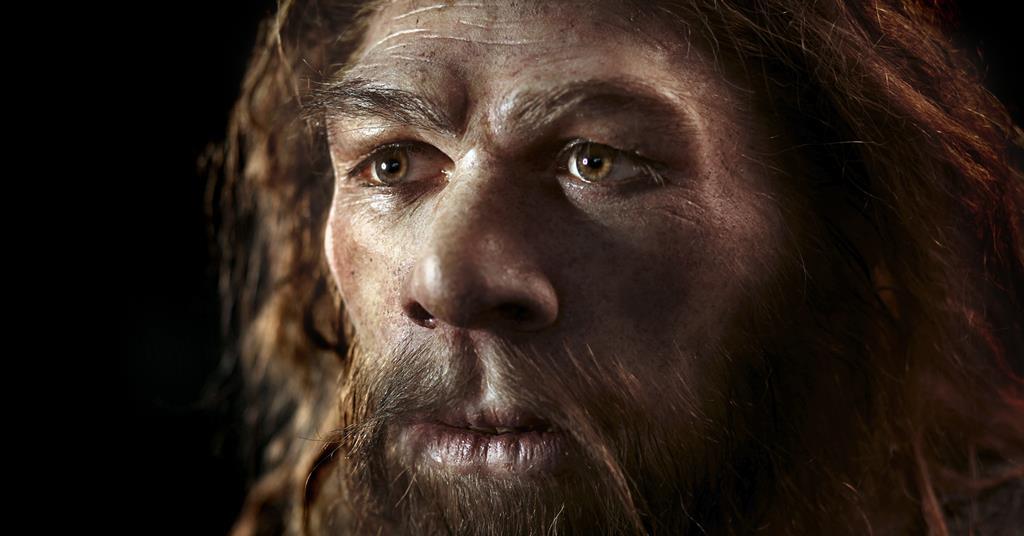
Researchers have discovered a series of peptides with antibiotic activity in the proteomes of ancient humans, including Neanderthals and Denisovans. By analyzing the proteomes of these ancient hominins, the researchers identified 69 promising peptides, six of which showed antibiotic activity against different pathogens in mouse models. The peptides have different amino acid distributions compared to known antimicrobial peptides, suggesting differences in evolutionary pressures. The de-extinct peptides appear to target the inner membrane of Gram-negative bacteria, which could help in designing drugs against traditionally resistant microorganisms. This study marks a pivotal starting point for the exploration of novel antibiotics.
Researchers have successfully extracted genetic information from 2-million-year-old teeth belonging to Paranthropus robustus, an ancient human relative. These protein sequences, the oldest ever recovered, provide insights into the evolutionary relationships between different hominin species. The study utilized mass spectrometry to analyze amino acids in the enamel of the teeth, revealing the presence of a male-specific protein in two samples. The findings contribute to our understanding of human evolution and highlight the potential of ancient protein studies in reconstructing the history of hominins. However, some scientists caution that bone shape remains a more reliable method for untangling evolutionary relationships.