Tag

Digital Wellbeing

All articles tagged with #digital wellbeing

Instagram Chief Admits Tiny Teen Uptake of Safety Tool Before Default Activation
technology16 hours ago

Instagram Chief Admits Tiny Teen Uptake of Safety Tool Before Default Activation

Instagram CEO Adam Mosseri testified in Meta’s landmark youth-mental-health trial, acknowledging that the 'Take a Break' safety feature had only a small share of teen users before it was made default in 2024 Teen Accounts, and that safety features were often hard to find; the states seek about $200 billion in damages, with the trial potentially lasting six weeks and a verdict expected from US District Judge Yvonne Gonzalez Rogers.

Beat the scroll: seven science-backed phone habits
well-being18 hours ago

Beat the scroll: seven science-backed phone habits

The Washington Post Mind/Well‑Being column argues that smartphones aren’t inherently good or bad; their impact depends on how you use them. Citing cyberpsychology insights, it presents seven science-backed activities you can do on your phone that are more uplifting than mindless scrolling, encouraging a mindful, purposeful approach to tech use that can boost mood, learning, and overall well‑being.

Pause Point lands as Pixel 11 exclusive, Google confirms
news6 days ago

Pause Point lands as Pixel 11 exclusive, Google confirms

Google confirms Android 17’s Pause Point, a Digital Wellbeing tool that pauses for 10 seconds before opening distracting apps, is currently exclusive to Pixel 11 devices; official support pages show limited availability, and while a YouTube preview mentions “select Android 17 devices” with an opt-in, there’s no timeline for broader availability—non‑Pixel users can still explore other methods to curb distractions.

A Practical Playbook to Cut Your Kids’ Screen Time
technology8 days ago

A Practical Playbook to Cut Your Kids’ Screen Time

Wirecutter offers 10 practical strategies for limiting kids' screen time, including device-level parental controls, screen-time apps, removing YouTube, tightening home-network controls with a router and optional firewall, creating age-appropriate streaming profiles, locking TV apps, leaning on single-use devices, and visible timers or Guided Access on iPhone to reduce friction and promote healthier tech habits.

Claude Reflect: Built‑in Nudges to Take Breaks and Set Quiet Hours
technology1 month ago

Claude Reflect: Built‑in Nudges to Take Breaks and Set Quiet Hours

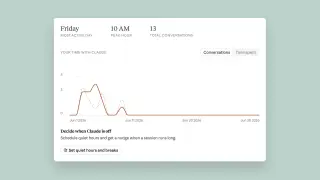
Anthropic's Claude now includes Reflect, a dashboard inside Settings that summarizes your conversations over 1–12 months and offers break reminders and quiet hours to curb usage. Time spent data isn’t shown yet (listed as coming soon). The AI Fluency tips suggest using features like Projects to group prompts for fewer repetitions, helping you use Claude more efficiently.

Apple's Screen Time overhaul feels cosmetic, not transformative
technology2 months ago

Apple's Screen Time overhaul feels cosmetic, not transformative

Apple used its WWDC spotlight to push Screen Time, but the updates largely repackage existing features with a cosmetic redesign, failing to fix long-standing reliability issues or bypass loopholes. The piece argues the changes are not truly new, calls for more granular, standalone controls, and stresses that real protection for kids requires stronger safeguards beyond the current Time Allowances and 'Ask to Browse' capabilities.

Tiny Breaks, Big Boost: Five-Minute Moves to Revive Your Workday
health3 months ago

Tiny Breaks, Big Boost: Five-Minute Moves to Revive Your Workday

Sitting all day harms the body by limiting muscle stimulation, constricting the diaphragm, and dulling interoceptive signals. The interview with Manoush Zomorodi promotes five-minute movement breaks every 30 minutes (or hourly) for two weeks, showing up to a 28% drop in fatigue, improved attention and mood, and a 4% gain in productivity. Breaks can be anything from walking to simple arm movements or even imagining a dog walk; if walking isn’t possible, you can still move. Over time, people’s internal urge to move returns, reducing reliance on timers. The advice complements regular exercise and helps restore the body’s signals for movement in a tech-saturated world.

Redesigning Screen Time: Turning Doomscrolling into Play, Learning and Connection
technology3 months ago

Redesigning Screen Time: Turning Doomscrolling into Play, Learning and Connection

Screen time isn’t inherently harmful; its impact depends on intentional use. The piece suggests replacing doomscrolling with active play, word puzzles, meaningful online connection, and creation, plus learning via well-designed apps. It cites research showing gaming can boost problem-solving and mood when motivated rather than compulsive, and that digital learning can be effective when gamified and tailored. The core advice: check your reasons for scrolling, mix in creative and learning activities, stay mindful, and use digital tools to build skills and social ties.

YouTube Lets You Quiet Shorts With a 0-Minute Limit
technology4 months ago

YouTube Lets You Quiet Shorts With a 0-Minute Limit

YouTube is rolling out a zero-minute Shorts option under Time management, effectively adding friction that can hide Shorts from the Home feed when set to 0 minutes. It’s not a full kill switch — Shorts can still appear in subscriptions and be accessed via direct links — but the feature makes it harder to doom-scroll. To enable, go to Profile > Settings > Time management and set the Shorts limit to 0 minutes; the rollout is underway and targeted at parental controls before expanding to everyone.

health-and-technology10 months ago

Elderly Reveal Hidden Screen Addiction

The article discusses the growing concern of screen addiction across all ages, especially among the elderly, comparing it to past media concerns like TV, and highlighting how modern devices and algorithms are designed to be highly addictive, impacting mental health, socialization, and lifestyle. It emphasizes the need for balance, conscious usage, and leading by example to mitigate these effects.

YouTube expands AI age verification to enhance child safety and restrict adult content
technology11 months ago

YouTube expands AI age verification to enhance child safety and restrict adult content

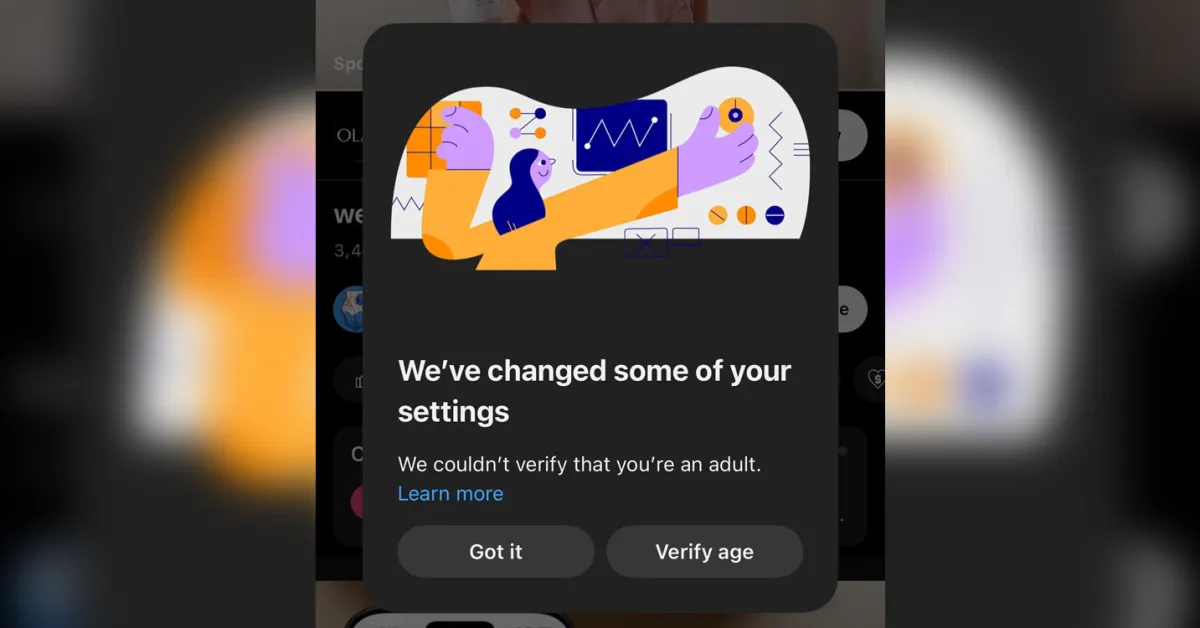
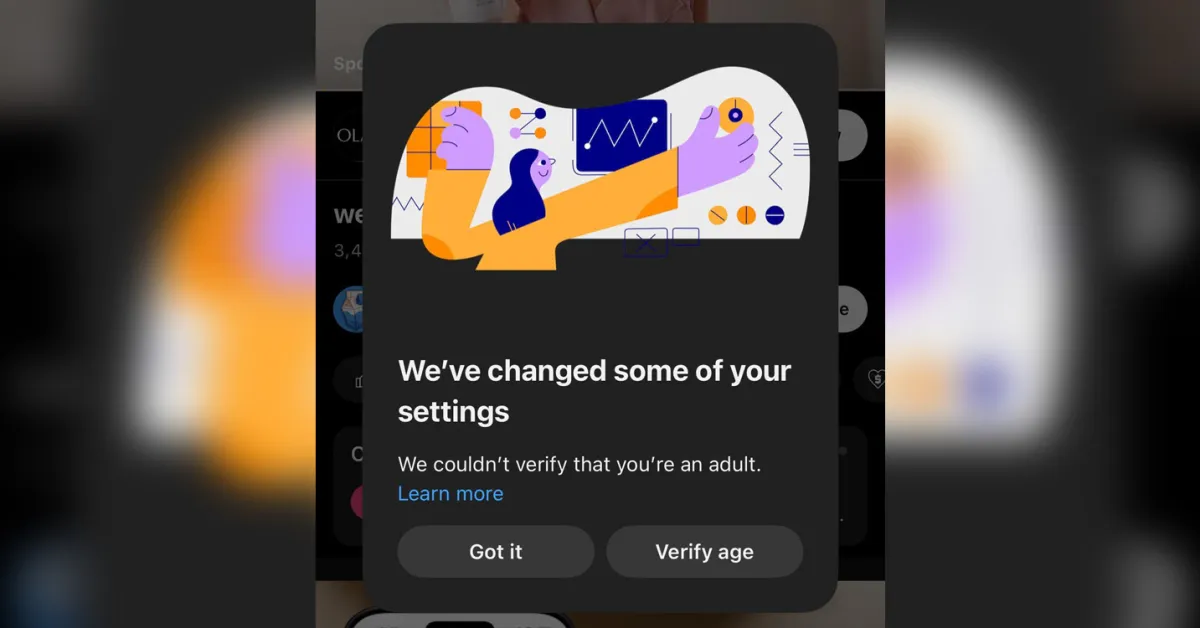
YouTube is rapidly expanding its AI-based age verification system, leading to account restrictions for users it suspects are under 18, which include blocking age-restricted videos, limiting recommendations, and disabling personalized ads. The rollout has increased significantly recently, with many users reporting restrictions and prompts to verify their age through various methods.