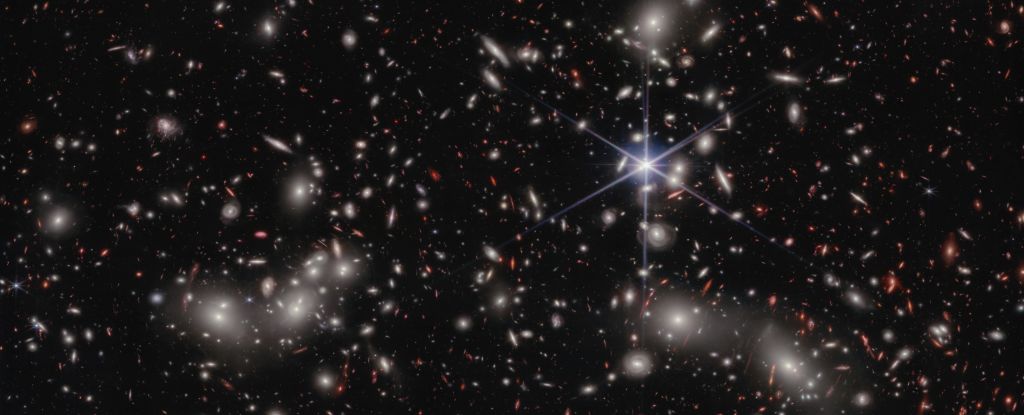
Astronomers spot 50 ghost dwarf satellites around three galaxies
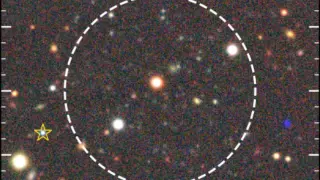
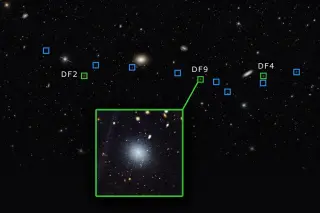
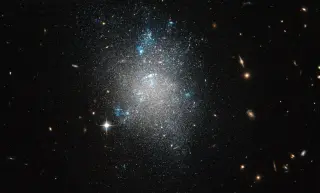
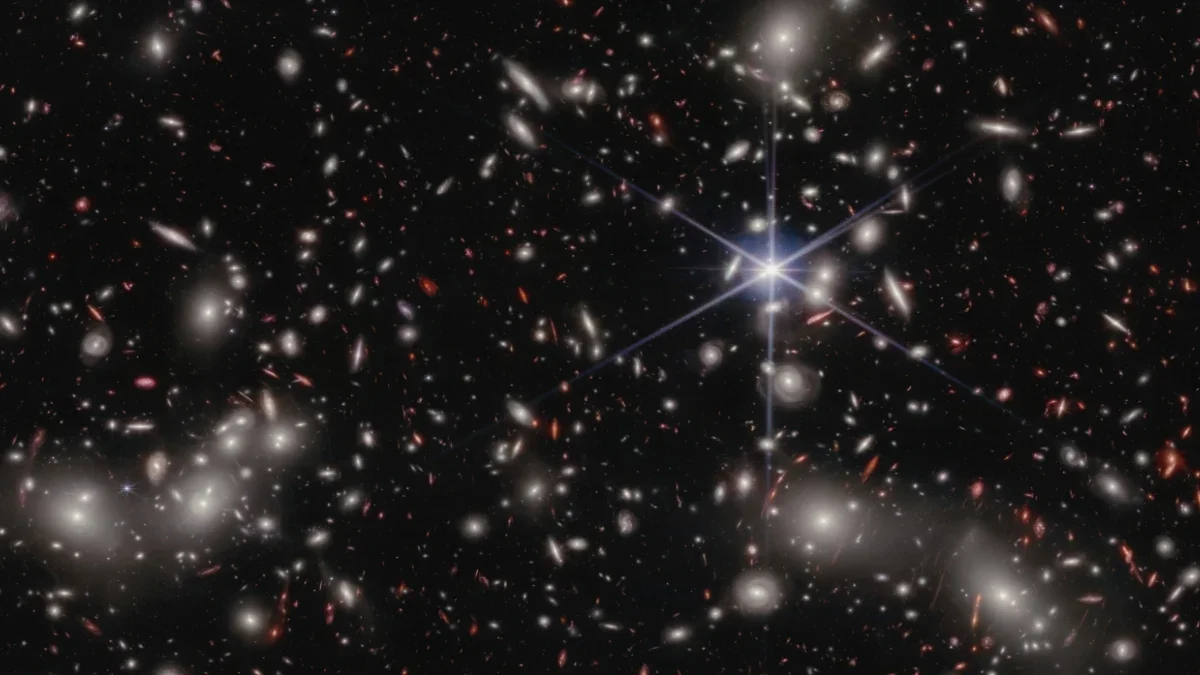
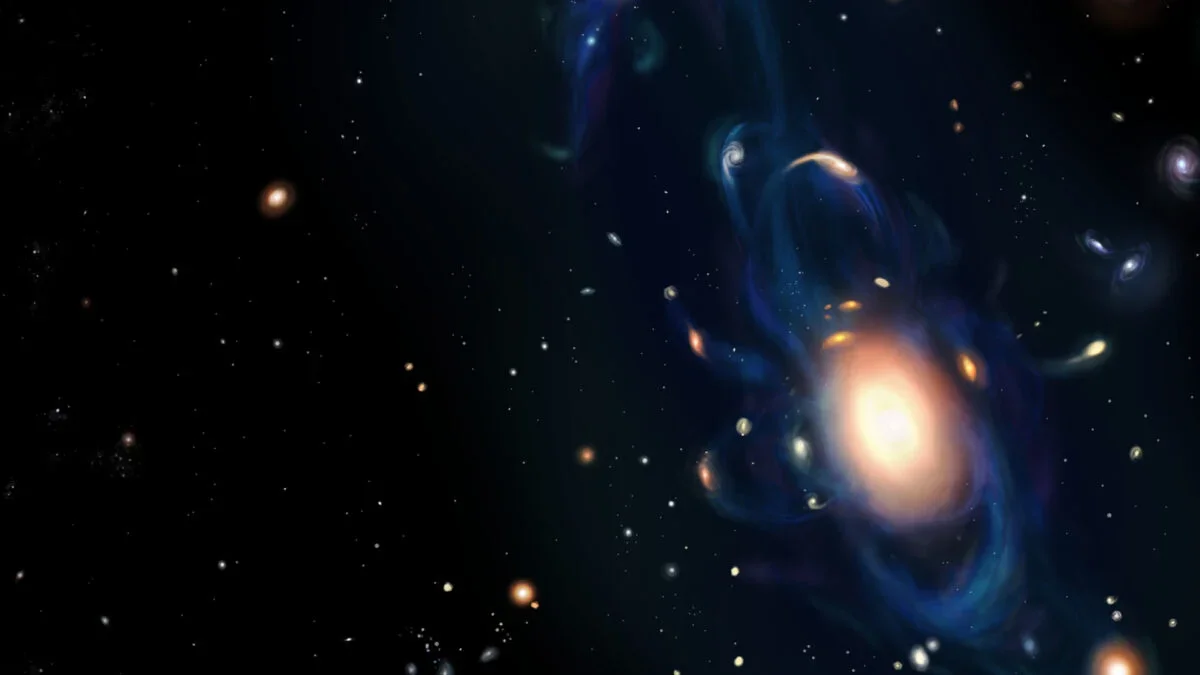
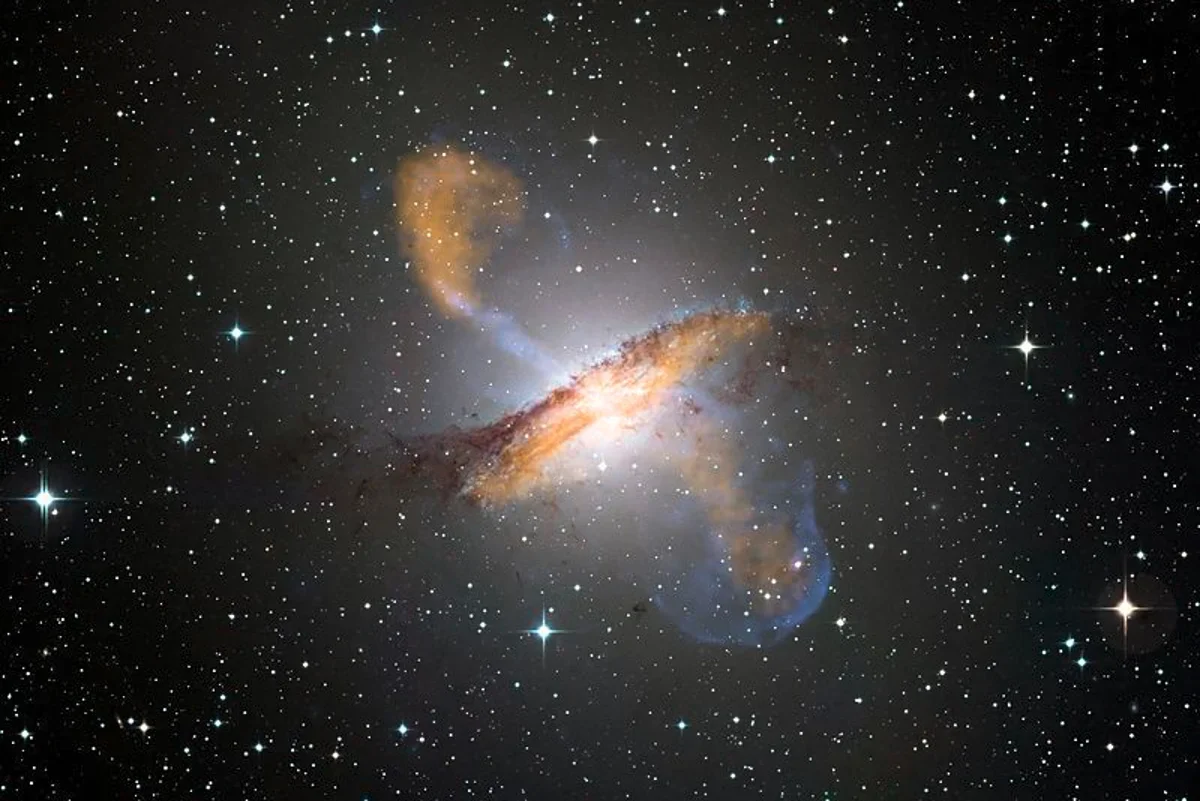
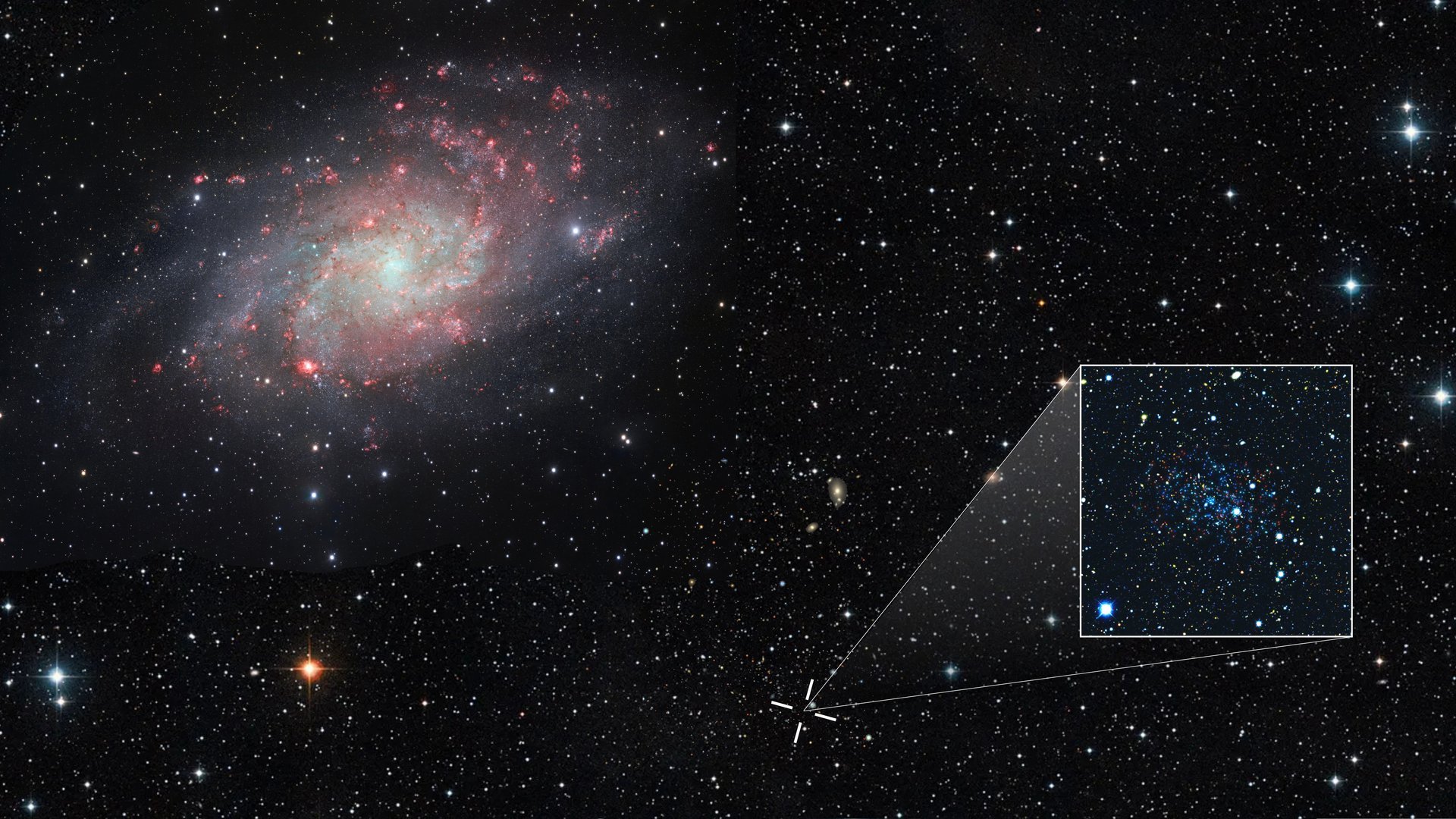
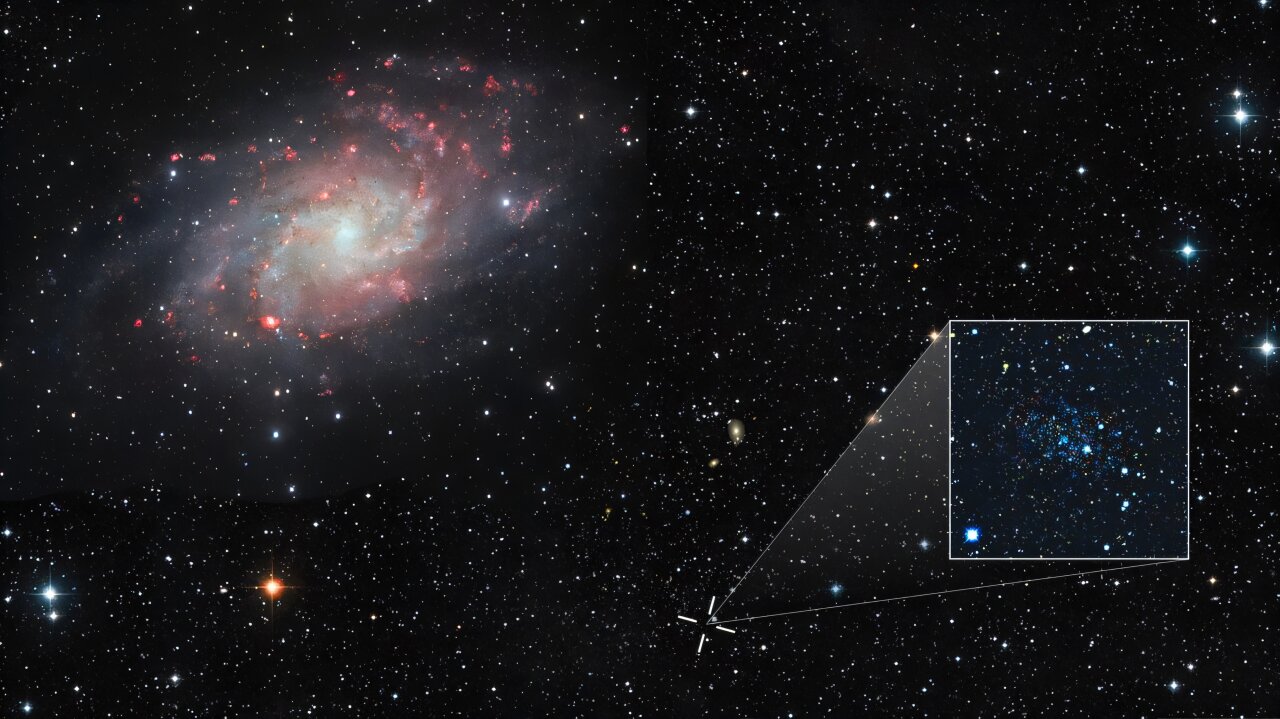
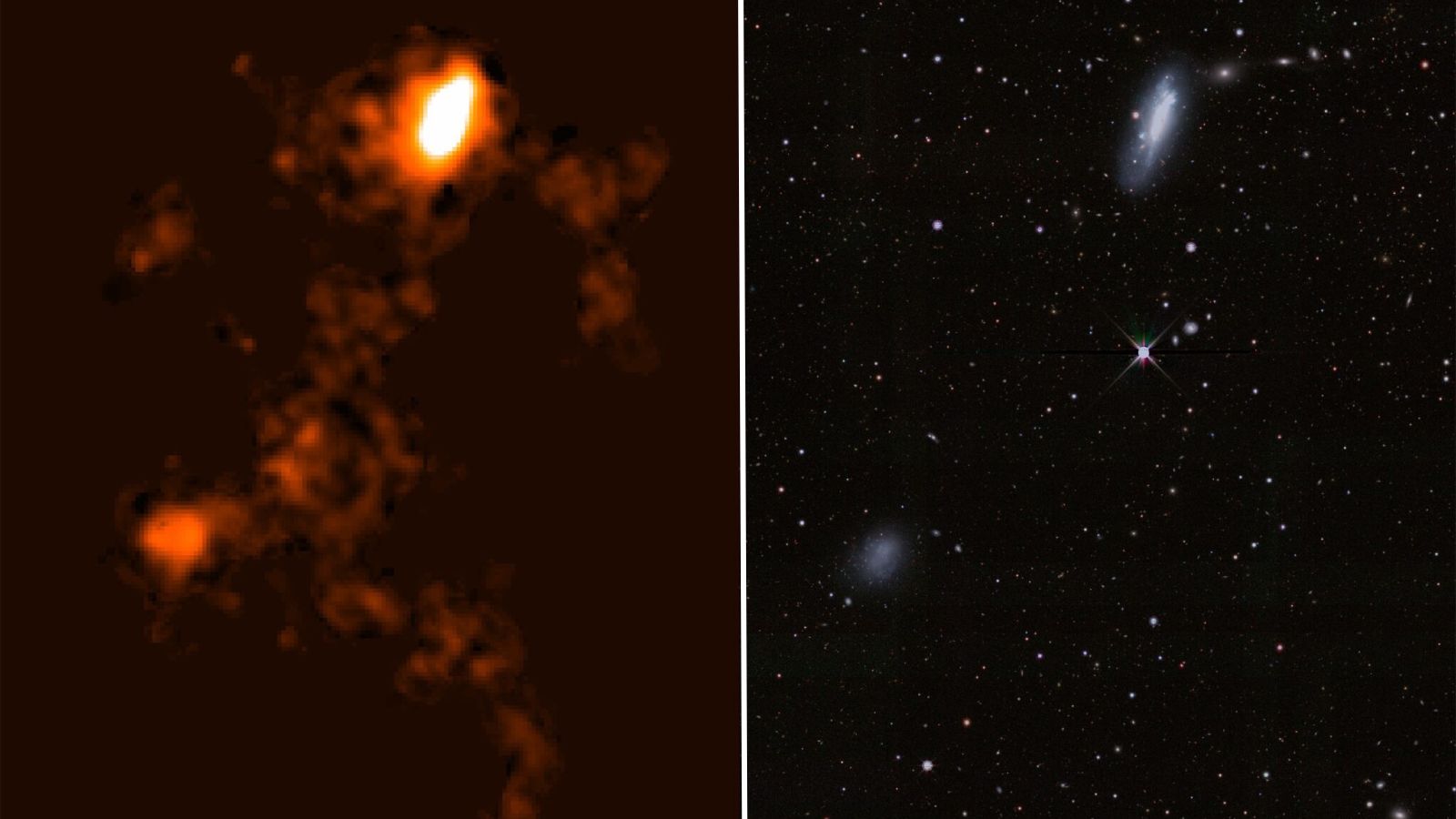
Using deep VLT SMASH imaging around three distant galaxies (NGC 5068, 5084, 5087), astronomers identified about 50 faint satellite dwarf galaxies—47 candidates, with only four previously known—ranging from roughly 1 million to 1 billion solar masses and displaying diverse morphologies; the find helps address the cosmological missing-satellites problem and informs how dark matter shapes galaxy halos, with Euclid data expected to confirm them in future releases. The work by Crescenzo Tortora and colleagues was published Sept. 11 in Astronomy & Astrophysics.