
Jobless Claims Edge Up to 211,000 as Iran Conflict Clouds Growth Outlook
U.S. weekly filings for unemployment benefits rose to 211,000, signaling ongoing labor-market strength but the Iran conflict weighs on the economic outlook.

All articles tagged with #economic forecast
U.S. weekly filings for unemployment benefits rose to 211,000, signaling ongoing labor-market strength but the Iran conflict weighs on the economic outlook.

Portland faces a projected $67 million budget shortfall next year due to federal tax cuts, stagnant growth, and rising expenses, with city officials preparing for potential cuts amid ongoing financial challenges.
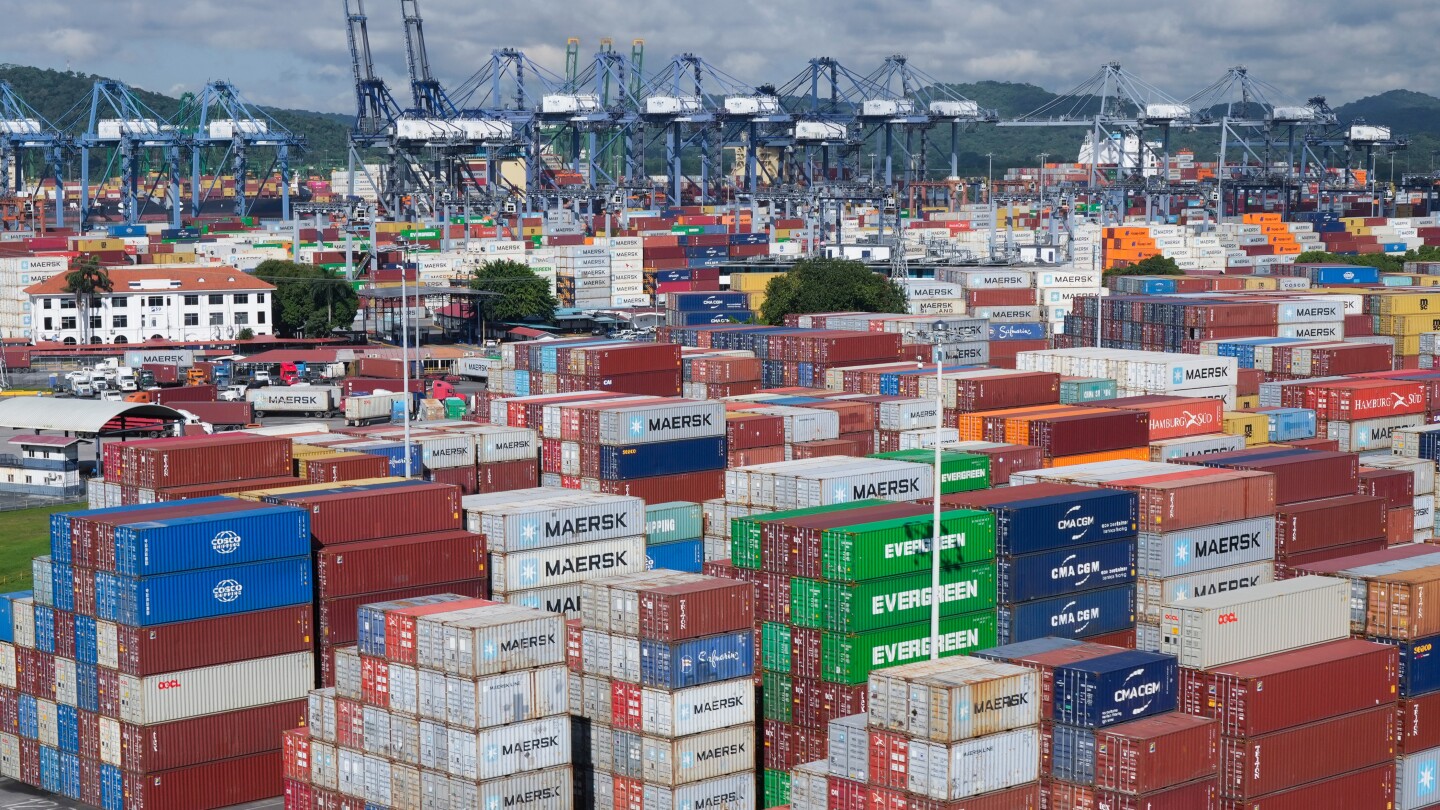
Despite US trade tensions and tariffs, the OECD expects the global economy to grow 3.2% in 2025, with the US economy expanding by 2%, and highlights resilience amid policy uncertainties and investments in AI, with China and India also showing strong growth.

Most U.S. consumers expect higher holiday prices and a weaker economy this year, leading to reduced spending plans, especially among younger shoppers, amid ongoing inflation and economic uncertainty, according to a Deloitte survey.
The Dow Jones Industrial Average rose following the World Trade Organization's improved forecast for global trade, indicating positive economic momentum.

The OECD reports that while global growth remains resilient, the full impact of US tariffs, which hit 1933 highs, is still unfolding, with economic activity supported temporarily by AI investment and fiscal measures, but expected to slow in the coming years.
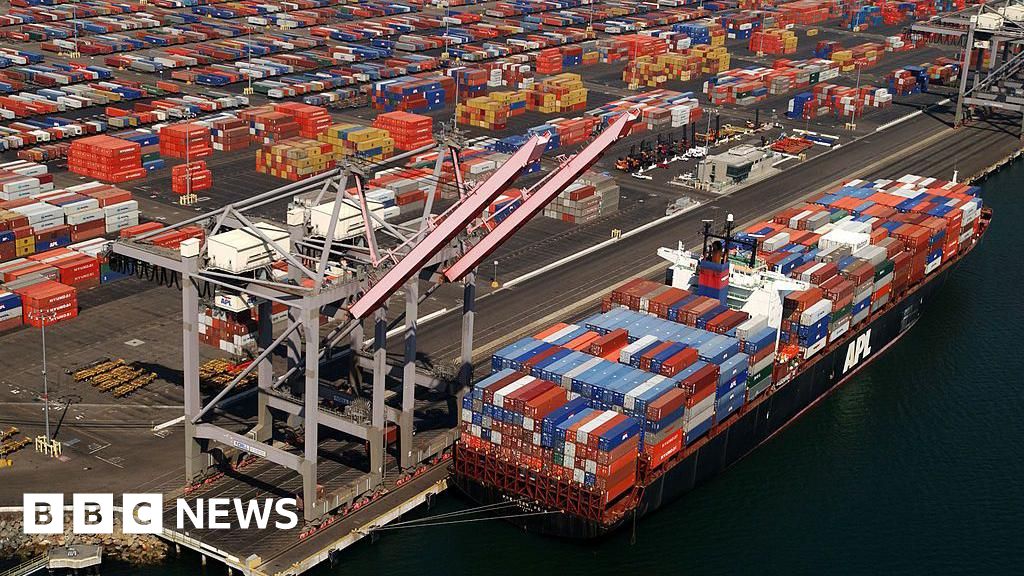
The IMF has upgraded its global economic growth forecast for 2025 and 2026, partly due to a temporary surge in US imports ahead of higher tariffs, but warns that ongoing trade tensions and tariffs could slow future growth and increase economic risks. UK growth remains steady, and the global economy faces uncertainties from trade policies and inflation.

The IMF has upgraded its global growth forecast to 3% in 2025 and 3.1% in 2026, citing a weaker dollar and less severe trade war impacts, with the US and China both seeing improved outlooks. Despite ongoing uncertainties and trade tensions, the global economy shows 'tenuous resilience,' though growth is still expected to slow compared to pre-pandemic levels. The IMF warns that political and monetary policy uncertainties could pose risks to this fragile recovery.
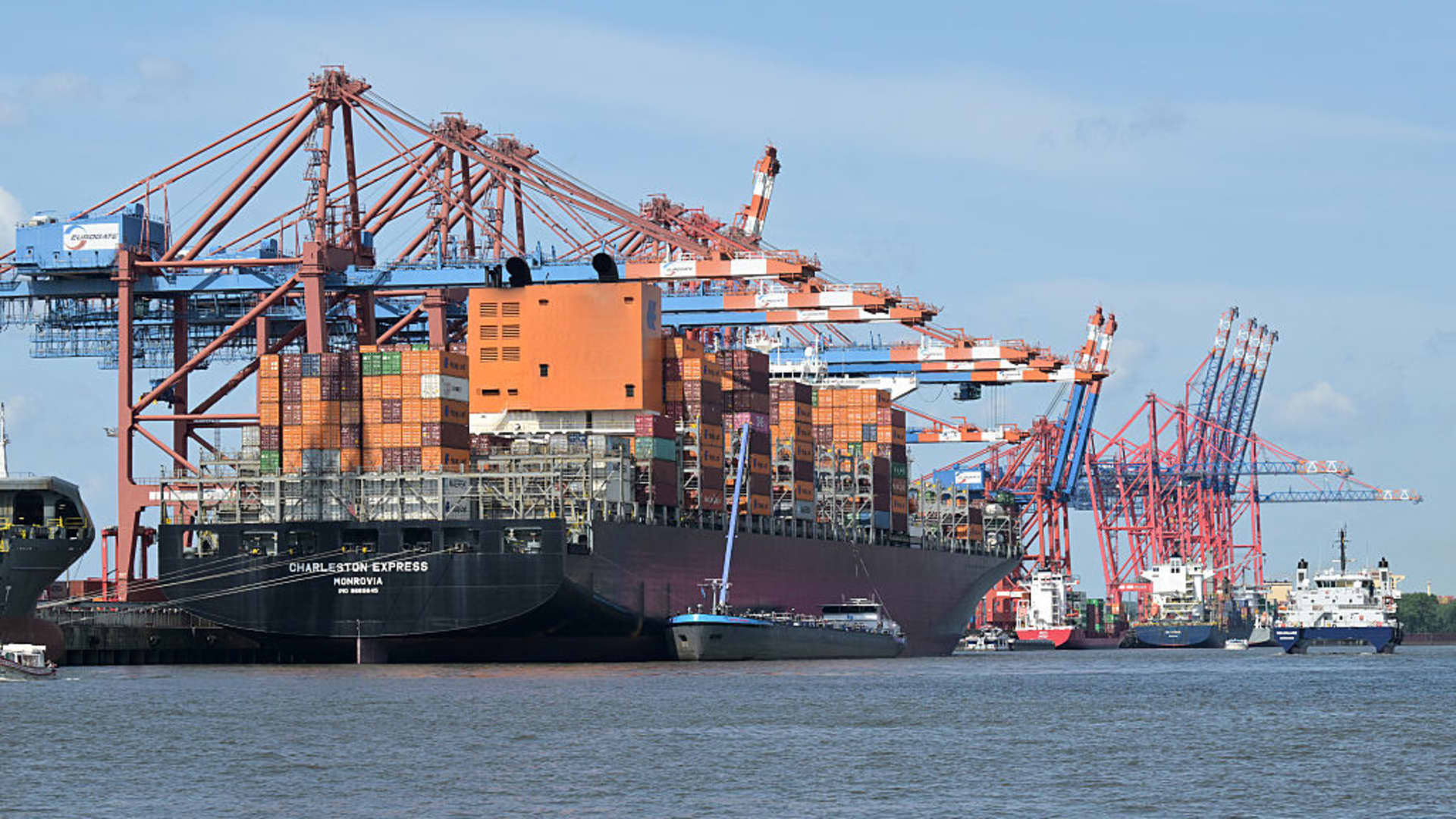
The World Bank has sharply lowered its global economic growth forecast for 2025 to 2.3%, citing trade uncertainty and tensions, especially between the US, China, and the EU, which could worsen the outlook if unresolved. The forecast is the slowest since 2008, with potential for improvement if major economies reach trade agreements.

The OECD warns that President Trump's trade war and tariffs are causing greater economic damage than previously thought, with forecasts showing slower growth in the US and globally, and increased uncertainty and disruption in international trade.

Wall Street analysts have released optimistic forecasts for the S&P 500 in 2025, with targets ranging from 6,500 to 7,000, driven by factors such as Federal Reserve rate cuts, reduced regulation, and expected corporate profit growth. Despite these positive outlooks, potential risks include high market valuations, geopolitical instability, and rising interest rates. The key question remains whether the economy can avoid a recession and achieve a soft landing.

Goldman Sachs analyst Scott Rubner predicts a year-end rally for the S&P 500, potentially starting this week, as the index has already gained 24% in 2024. Analysts are optimistic about continued growth due to Federal Reserve interest-rate cuts, a strong U.S. economy, and pro-growth policies from the incoming Trump administration. The S&P 500 is expected to reach 6,300 points by year-end, with longer-term targets of 8,000-10,000 points by the decade's end, driven by AI productivity gains and favorable economic conditions.

The S&P 500 has experienced a rare two-year streak of over 20% gains, but Bank of America's strategist Michael Hartnett warns of potential volatility in 2025. The market could face a significant move, influenced by a "boomy" economic backdrop, favorable bond yields, and political incentives. However, stretched valuations and a possible "inflation boom" phase could pose risks. The S&P 500's high valuation and concentration in tech giants suggest a peak may be near, with inflation potentially returning as a dominant theme.

Experts predict that mortgage rates will gradually decrease in 2025, with forecasts from the Mortgage Bankers Association and Fannie Mae suggesting a drop to the mid-5% range by the end of the year. Factors influencing these rates include economic conditions, Federal Reserve policies, and potential changes under a new presidential administration. While waiting for lower rates might seem appealing, experts warn that home prices are expected to rise, potentially offsetting the benefits of lower interest rates.

Goldman Sachs has reduced its growth forecasts for Germany, the UK, and Europe following Donald Trump's re-election, citing potential trade tensions due to his protectionist policies. The bank predicts that Trump's approach could lead to increased tariffs, particularly affecting Germany's auto exports, and create uncertainty that undermines business confidence. As a result, the eurozone's GDP growth is now expected to be 0.8% next year, down from 1.1%, with Germany's growth forecast cut to 0.5%. The UK is also expected to see a slight reduction in growth.