Tag

Energy Shock

All articles tagged with #energy shock

economy1 month ago

Eurozone set for 2026 slowdown as energy shock hits growth and prices

Deutsche Bank Research warns the euro area will slow sharply in 2026, with GDP growth around 0.5% (down from 1.1%), a Q2 contraction followed by stagnation and a later modest rebound. The energy shock lifts the euro-area energy import bill and inflation (HICP averages about 3.1% in 2026, 2.5% in 2027), and ECB policy is expected to tighten by about 50 basis points to 2.50% by September. Germany is seen at ~0.5% growth, France ~0.5%, Italy ~0.4% in 2026, while the UK could fare relatively better around 1.0% growth; downside risks rise if Hormuz-related disruptions persist.

Fed Officials Hint at Hikes as Inflation Risks Grow
economy1 month ago

Fed Officials Hint at Hikes as Inflation Risks Grow

Fed policymakers signaled that higher rates could be on the table later this year if the Iran‑driven energy shock keeps inflation above target. Bowman leaned toward tightening, while others like Daly urged patience, and markets expect a year‑end rate move. Several officials also discussed using balance-sheet tools if the oil shock persists, though views on that approach vary as inflation momentum remains elevated.

Hassett: Spirit’s Collapse Traces to Bad Business Model, Not Iran War Fuel Shock
politics2 months ago

Hassett: Spirit’s Collapse Traces to Bad Business Model, Not Iran War Fuel Shock

White House economist Kevin Hassett criticized Spirit Airlines’ claim that Iran-related fuel prices led to its closure, arguing the carrier failed due to a weak business model while other airlines hedged jet fuel costs; he also cited the Biden administration’s decision to cancel the JetBlue-Spirit merger as part of the broader context of the airline’s troubles.

No Shale Cushion Means This Energy Shock Hits Consumers Harder
energy3 months ago

No Shale Cushion Means This Energy Shock Hits Consumers Harder

UBS chief economist Arend Kapteyn argues the current energy shock is not like 2011–14 because US shale is far less responsive to price increases, leaving little offset from investment to cushion consumers. With shale investment weaker and officials framing the shock as temporary, the pain from higher energy costs is more likely to hit consumer purchasing power, while geopolitical disruptions in the Gulf threaten to tighten markets further and risk a pump-price shock.

Germany's Economy Faces Energy Shock and Aging Autobahn Obstacles
economy2 years ago

Germany's Economy Faces Energy Shock and Aging Autobahn Obstacles

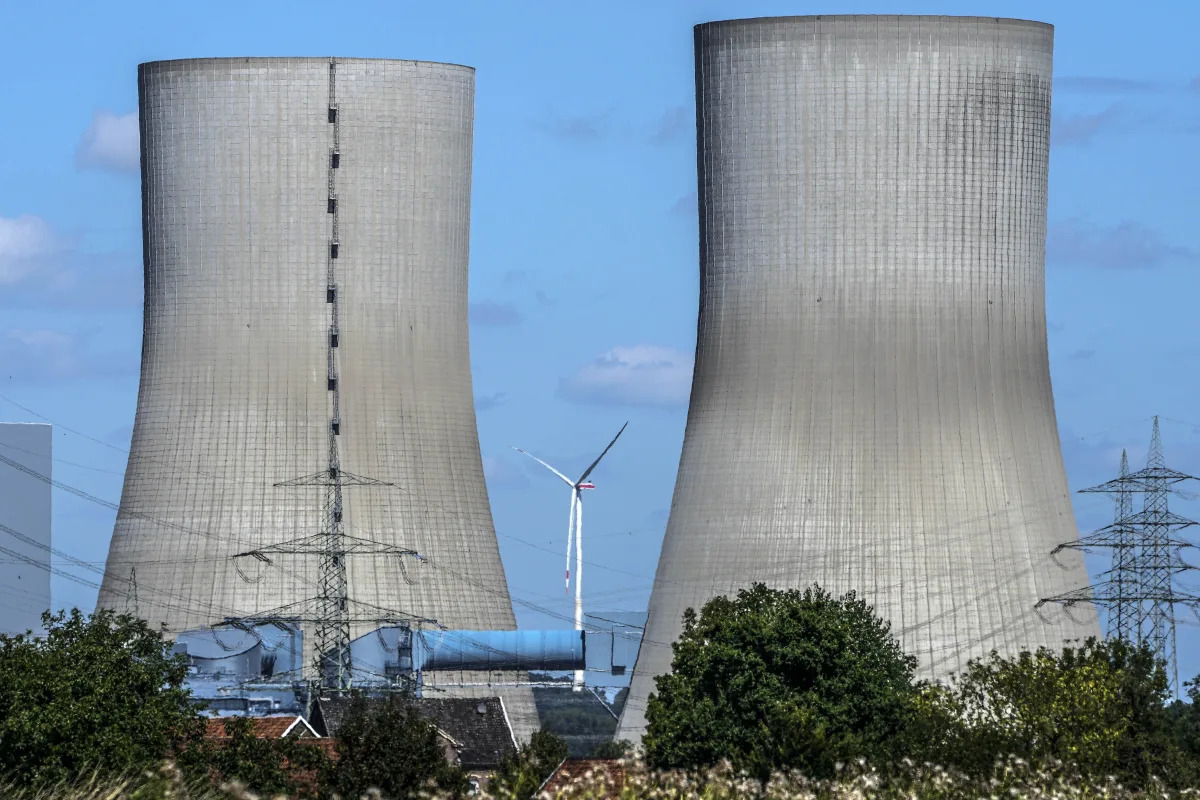
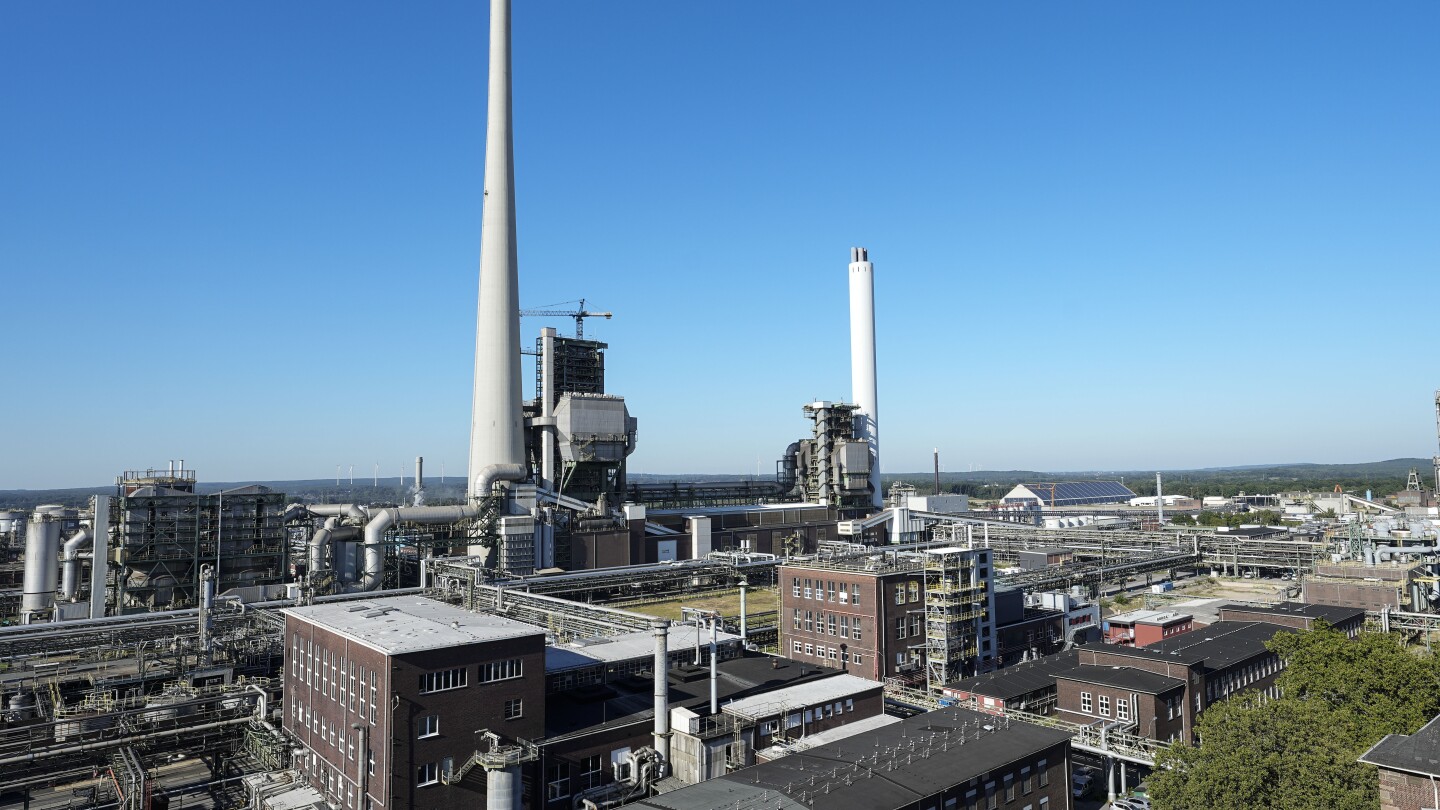
Germany, once a global economic powerhouse, is now facing significant challenges as it struggles with an energy shock that has exposed long-standing flaws in its economy. The loss of cheap Russian natural gas, coupled with a slowdown in key trade partner China, has led to Germany becoming the worst-performing major developed economy. High energy costs and government inaction on chronic problems are threatening to deindustrialize the country, as new factories and high-paying jobs may relocate elsewhere. The government is facing criticism for its handling of the energy transition, including delays in approving renewable energy projects and a lack of investment in infrastructure. The proposal for a government-funded cap on industrial electricity prices has faced resistance, highlighting the debate over the best way forward for Germany's struggling economy.

"Germany's Economy Grapples with Energy Shock, Unveiling Deep-rooted Flaws"
economy2 years ago

"Germany's Economy Grapples with Energy Shock, Unveiling Deep-rooted Flaws"

Germany, once known for its economic success, is now facing significant challenges as it becomes the worst-performing major developed economy. The country's energy-intensive industries have been hit hard by the loss of cheap Russian natural gas following the invasion of Ukraine, exposing flaws in Germany's economy. High energy costs and government inaction on chronic problems threaten to lead to deindustrialization and the relocation of factories and jobs. The government is facing criticism for its handling of the energy transition and the slow approval process for renewable energy projects. Germany also faces issues such as a shortage of skilled labor and lagging use of digital technology. The government is urged to take urgent action, including implementing a price cap on industrial electricity to support the renewable energy transition and provide certainty for businesses.

Bank of England Economist Sparks Controversy with Poverty Comments
economics3 years ago

Bank of England Economist Sparks Controversy with Poverty Comments

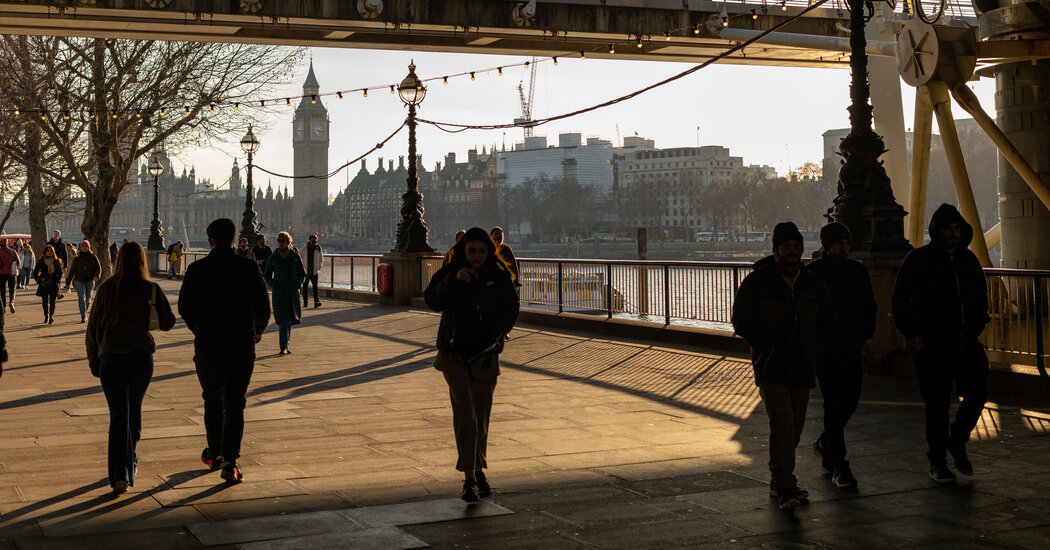
The Bank of England's chief economist, Huw Pill, has said that Britons need to accept that they are poorer due to Europe's energy shock, and that the "pass-the-parcel game" of passing on rising costs to employers and customers is generating persistent inflation. The comments have been met with indignation in Britain, which has been grappling with a cost-of-living crisis for the past year, with stubbornly high inflation rates and household energy bills more than double what they were two years ago.