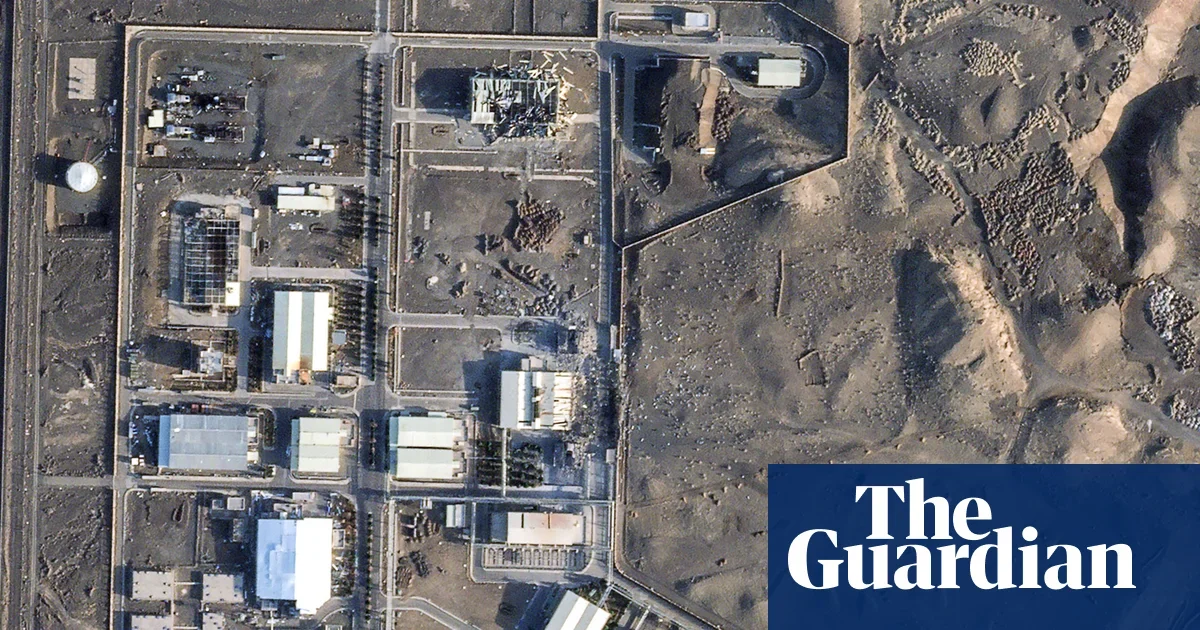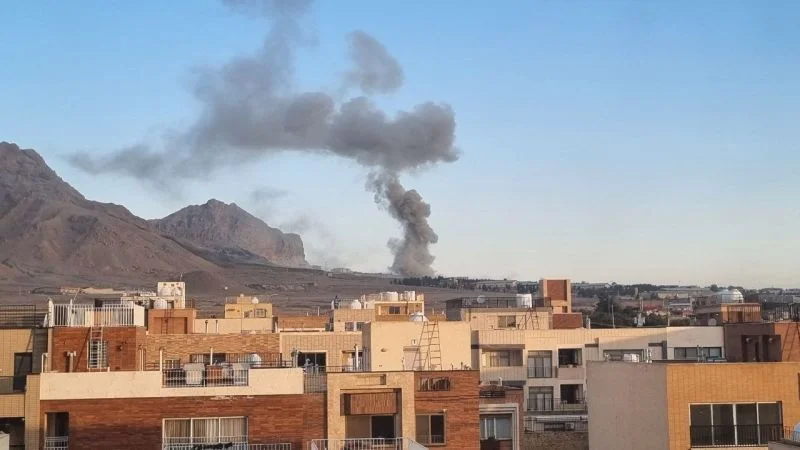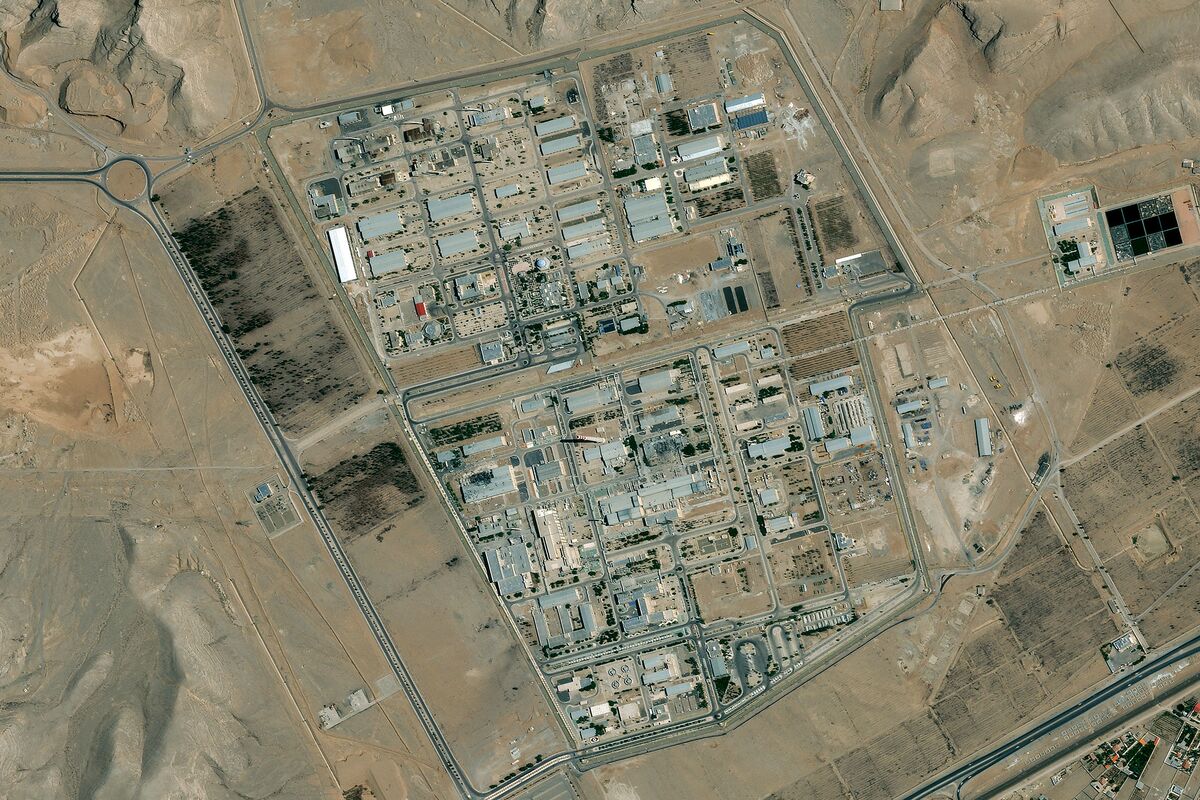
The IAEA estimates most of Iran's enriched uranium remains at the Isfahan complex, based on satellite imagery and limited access to inspection, and has discussed moving the material out of Iran with Russia and the United States, though on-site verification is hindered by access restrictions.
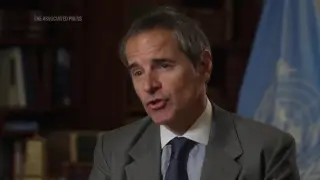
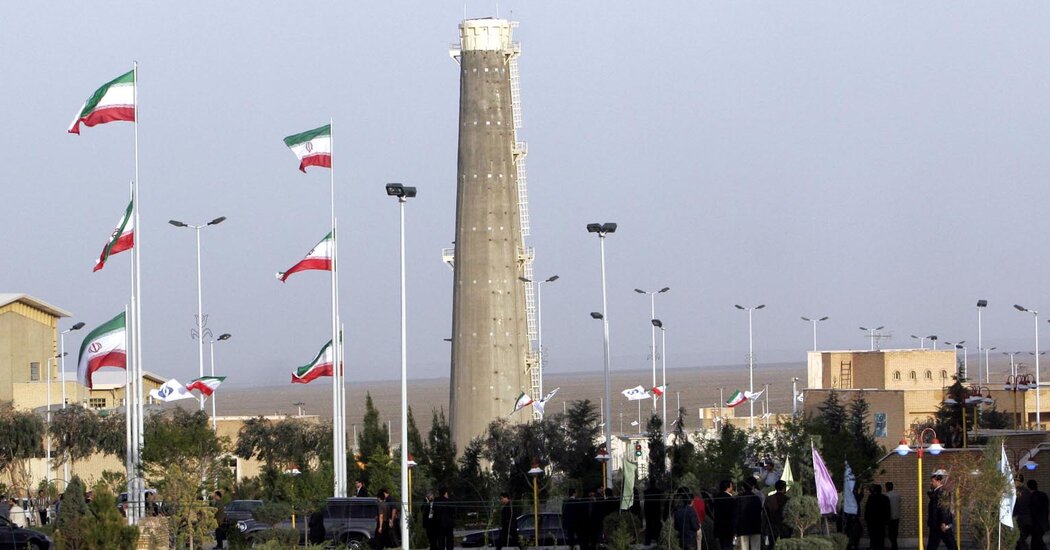
The head of the International Atomic Energy Agency, Rafael Grossi, says the majority of Iran’s highly enriched uranium is still believed to be located at the Isfahan nuclear complex, a site that has been targeted by airstrikes in the past year, highlighting ongoing international concern about Iran’s nuclear program.
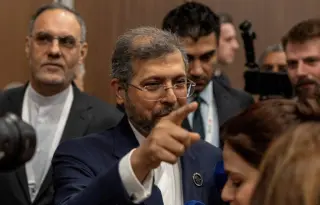
Iran's Deputy Foreign Minister Saeed Khatibzadeh says Tehran is not ready for another round of in-person talks with the United States because Washington maintains 'maximalist' demands; Iran also rejects handing over enriched uranium to the U.S. and urges Washington to address illegal unilateral sanctions as a core concern. While exchanges have occurred, Tehran indicates no meeting until the U.S. shifts its position, and the piece notes related regional dynamics, including debates over the Strait of Hormuz and a Lebanon ceasefire that Iran says it supported.
Trump said Iran has “agreed to everything,” including removing its enriched uranium, and that the U.S. would help retrieve it without American ground troops; he added that Iran would stop backing proxies and that the two sides are meeting this weekend, with the blockade staying in place until a deal is reached. He denied reports of paying frozen Iranian assets, while noting few details are publicly verifiable.
President Trump said the U.S. would work with Iran to dig up and remove its enriched uranium buried after last summer’s joint U.S.-Israel strikes, but Iran has not confirmed the plan; Trump also claimed no enrichment had occurred since the June attacks as talks on a two‑week ceasefire and sanctions relief with Tehran continue.
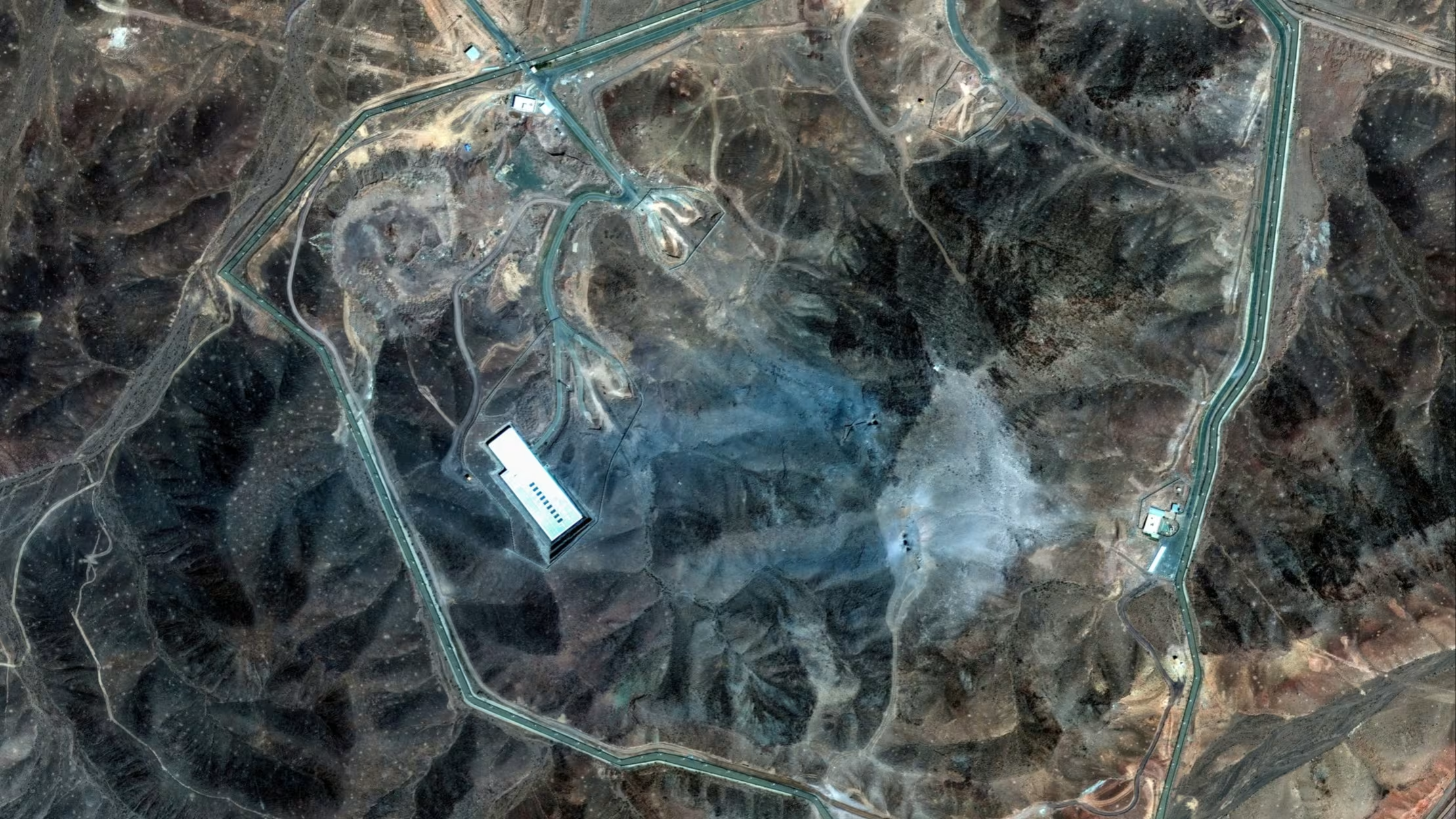
The Trump administration reportedly considers deploying special forces into Iran to secure its stockpile of highly enriched uranium (about 440 kg, potentially enough for 10 nuclear weapons), with discussions of a mission involving security and extraction. The IAEA has identified large HEU reserves in deep tunnels at Isfahan and at Natanz’s Pickaxe Mountain facility, raising the stakes and complicating any operation. Experts warn such a ground operation would be extremely challenging and risky, prompting debate among lawmakers and analysts about alternatives, including dilution or shipment of the material and continued monitoring, while signaling that a strike or later action remains within the realm of possibility.
CNN reports that recovering Iran’s remaining highly enriched uranium would require a substantial U.S. ground force beyond a small special-operations footprint, with most of the stockpile believed at Isfahan’s underground tunnels (around 200 kilograms) and additional material at Natanz. Airstrikes alone are unlikely to reach the tunnels due to their design, prompting discussions of infiltrating JSOC units (potentially with Israeli cooperation) to secure or render the site unusable. Any operation would require extensive ground support—security, logistics, and radiological handling—potentially numbering dozens to hundreds of troops, as six MC-130Js near RAF Mildenhall position for possible action, while Iran’s leadership resilience suggests diplomacy may also be needed.
US intelligence says Mossad could detect and stop Iran from moving its remaining 60% enriched uranium (about 400 kg stored at Isfahan) that could be used for weapons; Iran’s stockpile survived last year’s strikes on Natanz, Fordow, and Isfahan, and any movement would prompt a strong response, potentially a covert raid after further weakening Iran’s defenses. Iran has refused IAEA access, while the US-Israel aerial campaign continues and officials weigh options, including force if necessary.
Iran claims to have buried its enriched uranium stockpile under sites that have been targeted by bombings, raising concerns about nuclear security and transparency.
The IAEA chief Rafael Grossi states Iran could produce enriched uranium within months despite recent damage to nuclear sites from US and Israeli strikes, raising concerns about Iran's nuclear capabilities and stockpile security amid ongoing tensions.
The fate of Iran's 880-pound stockpile of near-bomb-grade uranium remains uncertain after US and Israeli strikes damaged key nuclear sites, with conflicting intelligence on whether Iran has moved or destroyed the material, raising concerns about Iran's potential to quickly develop a nuclear weapon despite setbacks to its nuclear program.
The UN nuclear watchdog reports that Iran's stockpile of near-bomb-grade enriched uranium is currently unverified due to Israeli military actions hindering inspections, raising concerns about the security and potential diversion of nuclear material amid ongoing conflict.
The US has proposed a new nuclear deal to Iran following a UN report indicating Iran's increased uranium enrichment, with ongoing negotiations and tensions over Iran's nuclear program and potential weapons development.
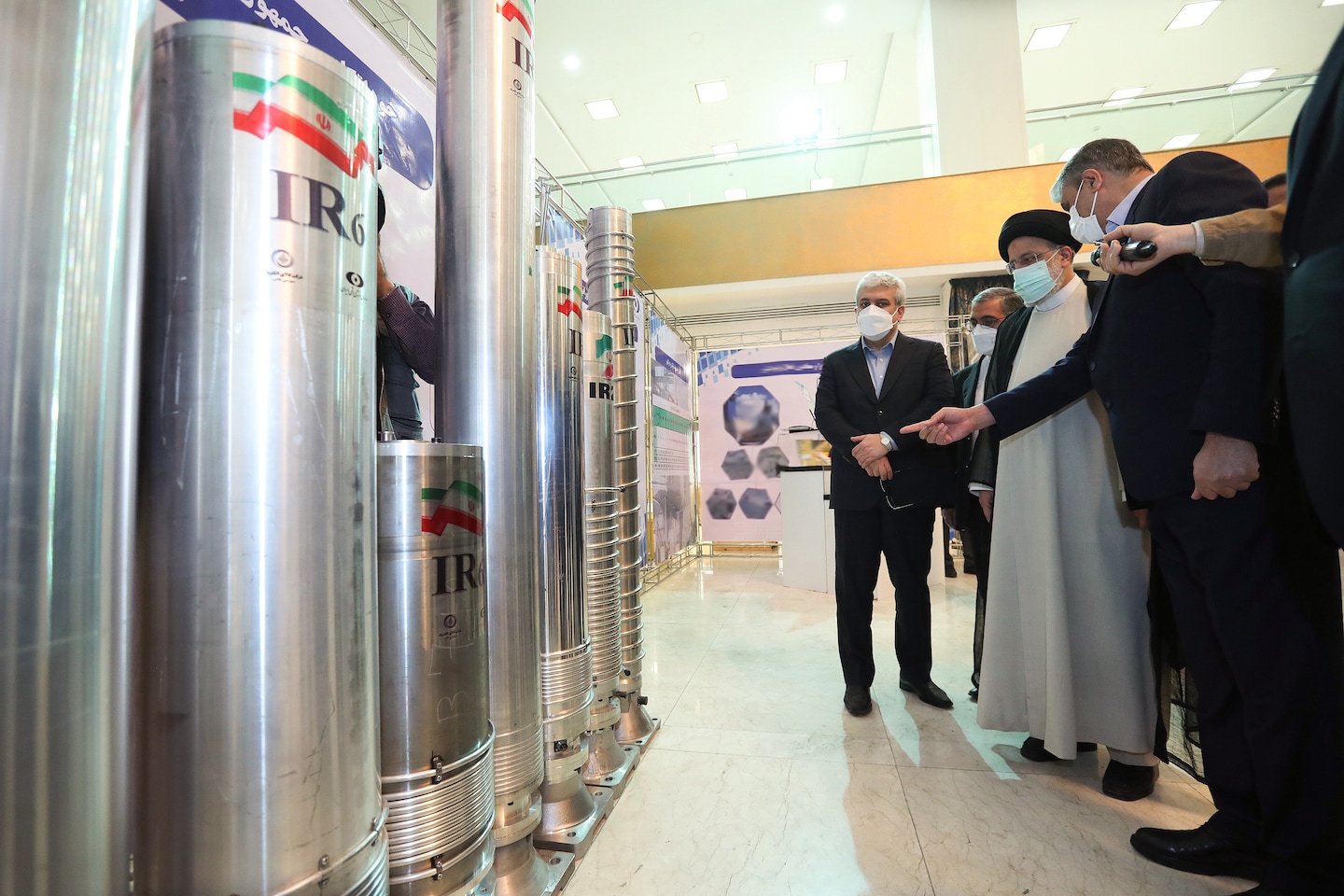
Iran has been steadily advancing towards nuclear weapons capability since the collapse of the 2015 nuclear deal, with its Fordow facility now producing highly enriched uranium at an alarming rate. Despite Iran's denial of intentions to build nuclear weapons, it currently possesses enough highly enriched uranium for at least three bombs and has the technological know-how to build a crude nuclear device. The collapse of the deal has limited the International Atomic Energy Agency's ability to monitor Iran's activities, and efforts to revive the deal have been futile, leaving Iran dancing on the edge of nuclear capability.
Iran has significantly slowed its accumulation of near-weapons-grade enriched uranium in recent months, according to the United Nations' atomic agency. This move is seen as an attempt to ease tensions with the United States and potentially pave the way for broader negotiations regarding Iran's nuclear program.