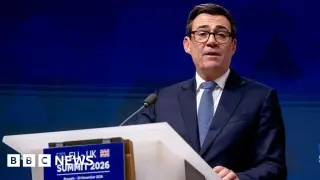
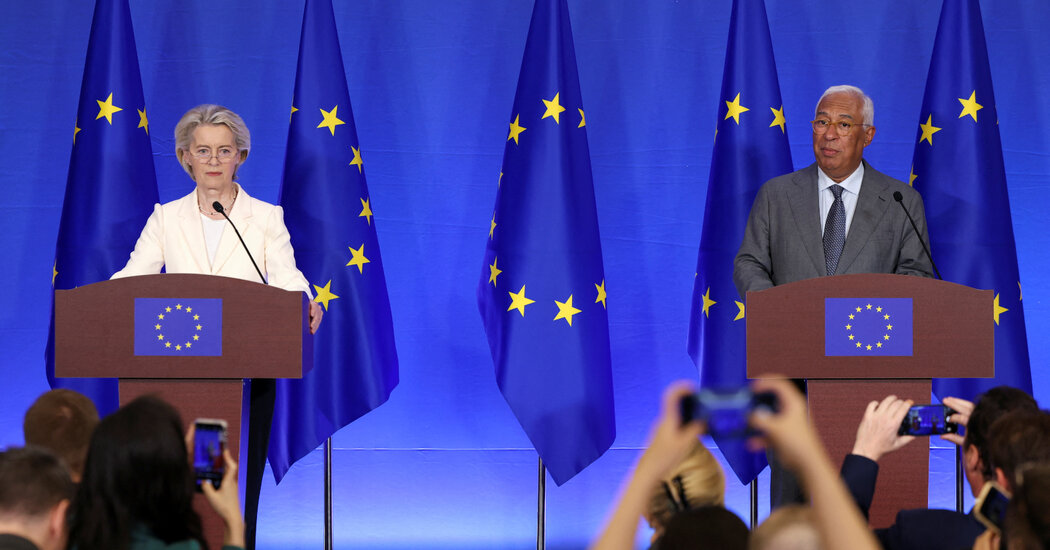
PM Andy Burnham will address Parliament on Monday to defend a new agreement with the EU, framing it as a critical choice between economic stagnation and growth. He claims the deal could add £17bn to the UK economy, but faces sharp criticism from opposition leaders and former prime ministers who view it as a betrayal of Brexit principles.
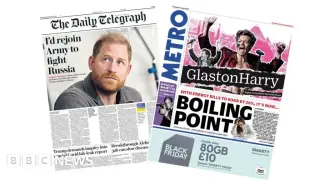
Prince Harry stated he would rejoin the British Army if required to combat Russia, warning that the current threat level demands vigilance. He criticized President Trump’s approach to the Ukraine war, arguing it does not reflect the broader US public sentiment. Simultaneously, UK energy bills are predicted to rise by 26% in January due to inflation and the Iran war, causing financial strain for households. In Brussels, UK-EU trade negotiations are underway, with the UK resisting EU demands to match tariffs on Chinese goods, a move that could impact access to European subsidies. Additionally, a Guardian investigation revealed that Professor Peter Hindmarsh, whose evidence helped convict Lucy Letby, was barred from clinical practice five months before her trial ended, a fact jurors were not informed of.
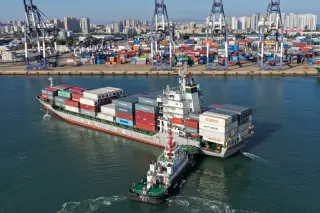
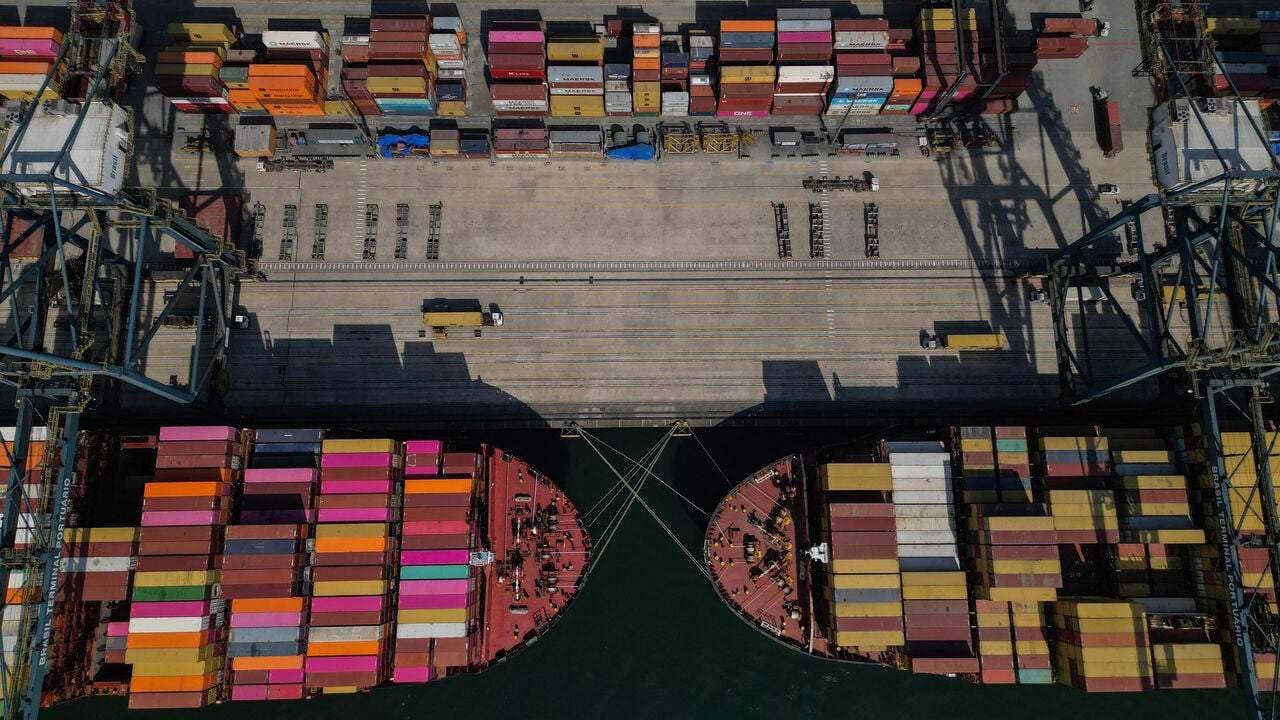
China’s economy expanded by 4.5% in the third quarter, driven by a surge in AI-related exports and a trade surplus that reached a record $133.5 billion in September. While external demand remains strong, domestic consumption is weak, leading to rising protectionism from the EU and other partners. Beijing insists it is not seeking a large surplus and is committed to boosting internal demand, though analysts warn that trade imbalances will persist.
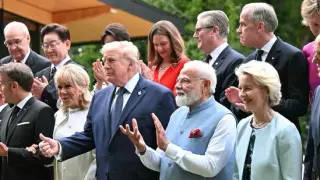
At the G7 summit, India announced fixed timelines for key trade deals: the India-UK Comprehensive Economic and Trade Agreement will be implemented from July 15, the India-Canada CEPA negotiations aim to conclude in 2026, and the EU will sign the India Free Trade Agreement by year-end with potential entry into force in 2027, while US-India talks are reportedly close, signaling a broad push to deepen bilateral trade and investment.
French farmers blocked central Paris with tractors to pressure the government and the EU over the EU–Mercosur free-trade agreement, arguing it threatens French agriculture with cheaper South American imports. Organized by FNSEA and Jeunes Agriculteurs, protesters planned to stay overnight as talks continue, with a further demonstration planned at the European Parliament in Strasbourg on Jan 20 and government measures tied to the 2026 budget.
Mercosur is expressing impatience with the European Union's delays in ratifying a long-standing trade deal, while simultaneously pursuing agreements with other partners like the UAE, Canada, and Japan, as competitors take advantage of the opportunity to access South America's markets and resources.
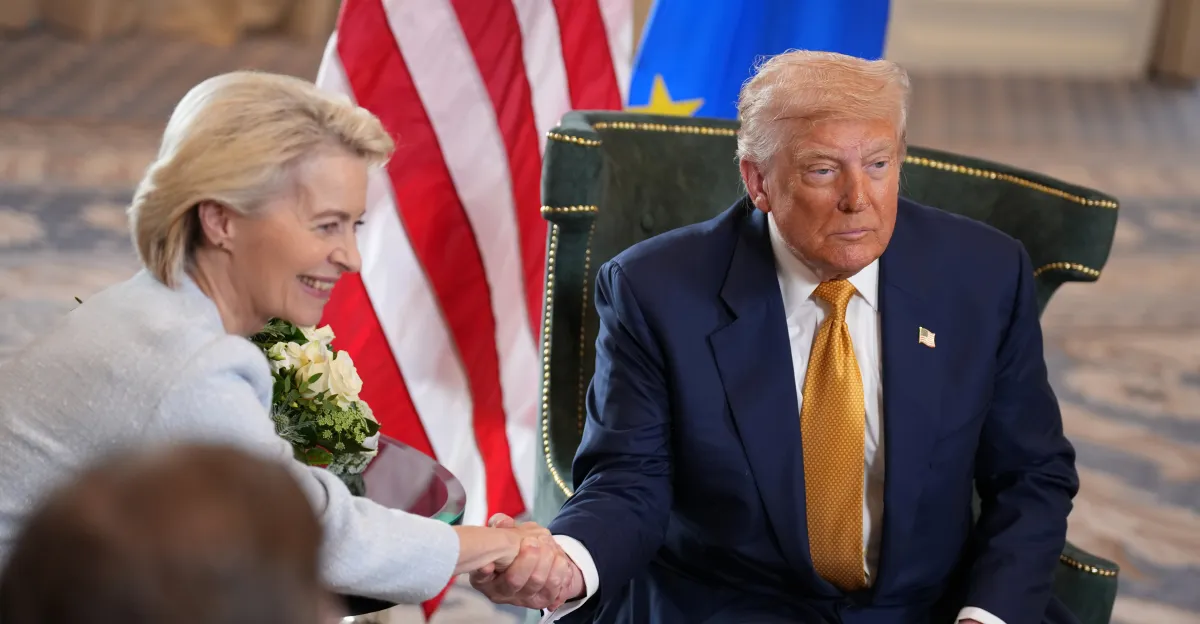
The US and EU have reached a new trade agreement reducing tariffs to 15% on many imports, promising mutual tariff-free trade on certain products, and a commitment by Europe to purchase $750 billion in US energy over three years, amidst ongoing trade negotiations and legal challenges to tariffs.
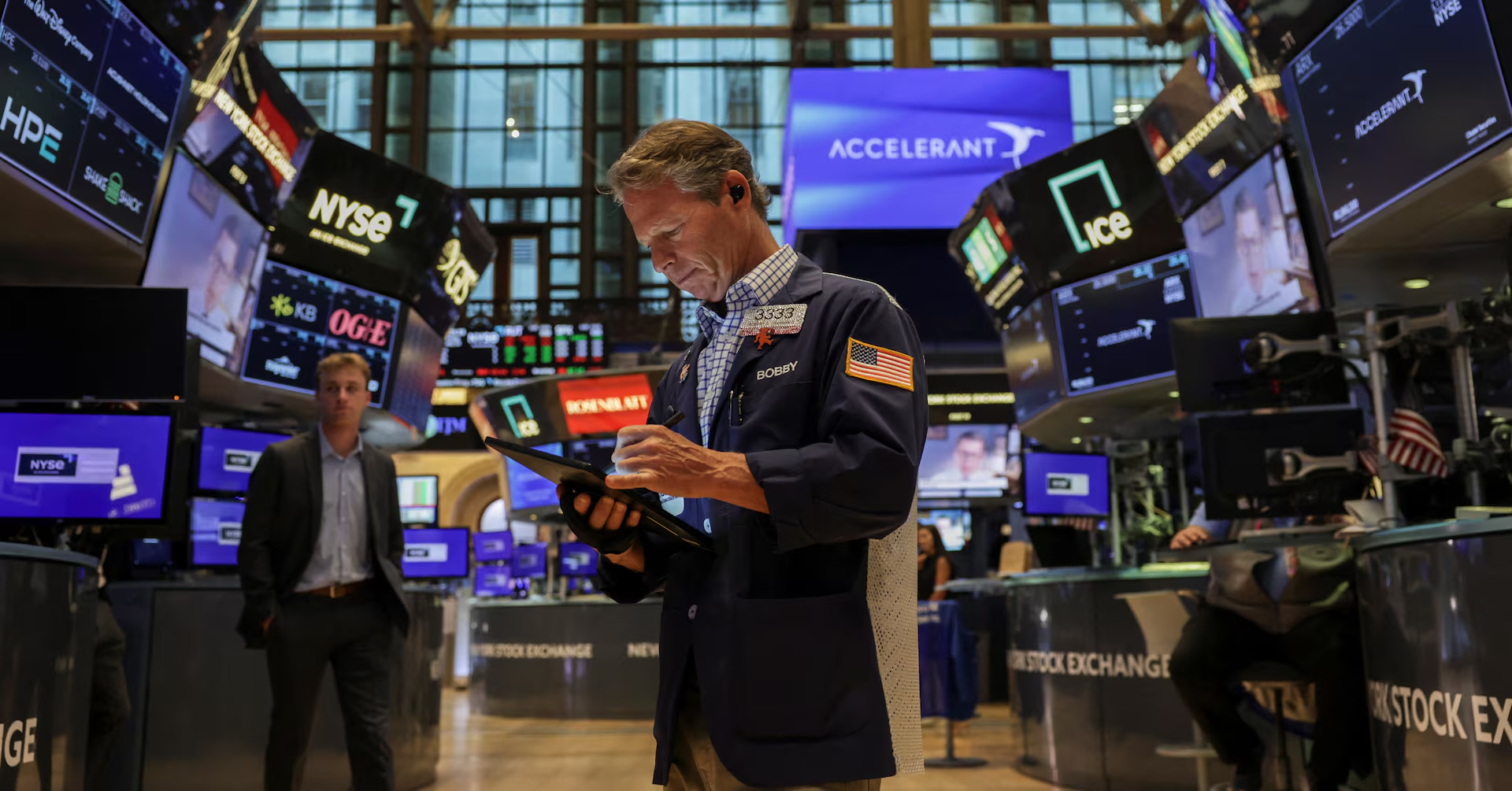
U.S. stocks declined slightly after reaching intraday records, amid optimism over a new EU trade deal that reduces tariffs and ongoing anticipation of Federal Reserve policy decisions, corporate earnings, and economic data releases.
European auto stocks like Volkswagen and BMW fell after a new US-EU trade deal included a 15% import tariff on European cars, despite the deal reducing potential tariffs and easing trade tensions. Investors may have expected more favorable terms, and the ongoing tariffs are expected to impact the European auto industry financially, while automakers like GM and Ford prepare for potential cost increases. The market reaction reflects cautious optimism about the deal's long-term effects.
The stock market is experiencing gains with the S&P 500 approaching a record high, driven by risk-on sentiment following a trade deal between the US and EU that reduces tariff concerns. The Nasdaq and certain sectors like energy, consumer discretionary, and tech are leading, while market breadth remains weak with only a few stocks advancing. Investors are optimistic ahead of upcoming earnings and economic data.
US stock futures rose after the EU and US reached a trade deal avoiding a tariff war, boosting global markets. Investors are preparing for a busy week with key economic data, central bank meetings, and earnings reports from major tech companies, amid ongoing trade tensions and economic uncertainties.
The article discusses the impact of Donald Trump's tariffs, including a recent trade deal between the US and the EU that involves a 15% tariff on EU goods, highlighting ongoing trade tensions and economic implications.
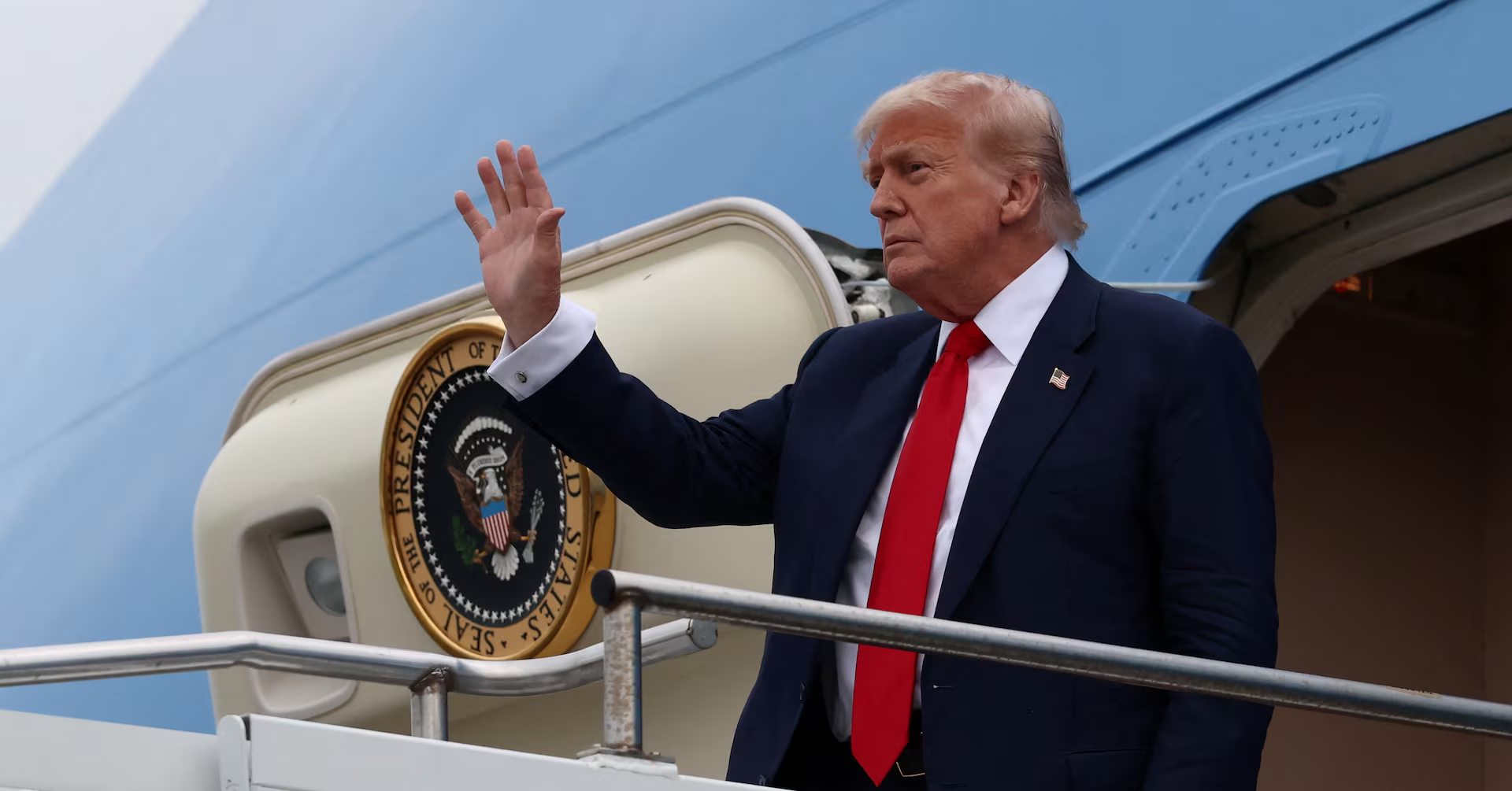
U.S. President Donald Trump arrived in Scotland for golf and talks with UK and EU leaders, aiming to finalize a trade deal with the EU amid ongoing controversies over his ties to Jeffrey Epstein. The trip also involves meetings with UK Prime Minister Keir Starmer and EU officials, with discussions on trade tariffs, Ukraine, and Gaza. Trump faces protests and unfavorable opinions in Scotland, but continues to push for a significant trade agreement and maintains focus on his domestic political issues.
Europe is close to reaching a trade agreement with the US, aiming for a 15% tariff rate, but has prepared a retaliatory plan worth over 93 billion euros to counter potential US tariffs, with the final decision dependent on ongoing negotiations and US President Trump's actions.
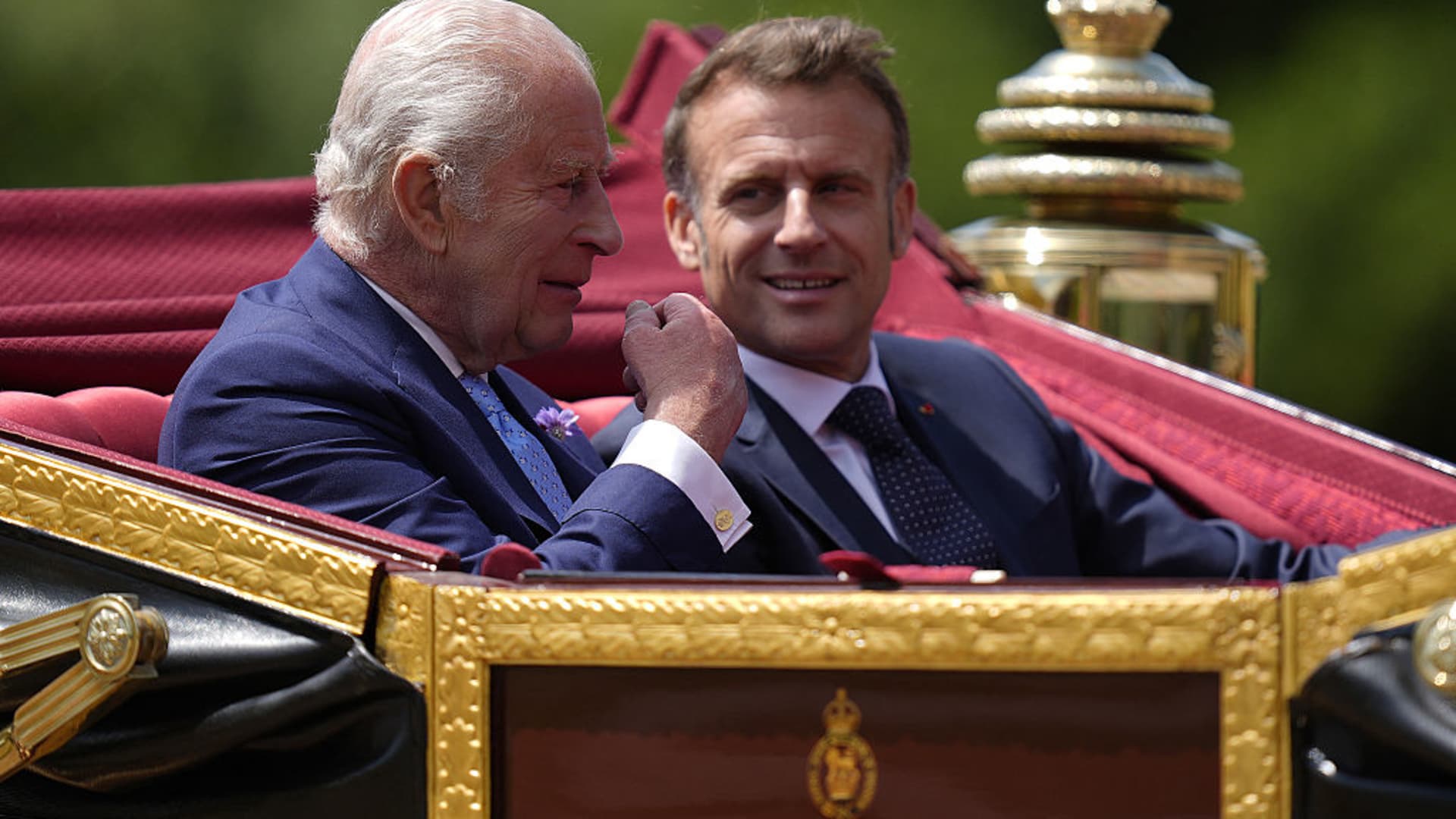
French President Emmanuel Macron's three-day state visit to the UK coincides with U.S. President Trump's threat of new tariffs, overshadowing the diplomatic events. The visit aims to strengthen UK-France relations and address issues like migration, trade, and security, while the EU seeks to negotiate a trade deal with the US amidst tensions over tariffs. The UK is showcasing its traditional pomp and pageantry, with a focus on reinforcing alliances amid complex global threats.