Tag

Food Web

All articles tagged with #food web

Rats rewire Indian Ocean reefs by starving seabirds and reshaping food webs
science1 month ago

Rats rewire Indian Ocean reefs by starving seabirds and reshaping food webs

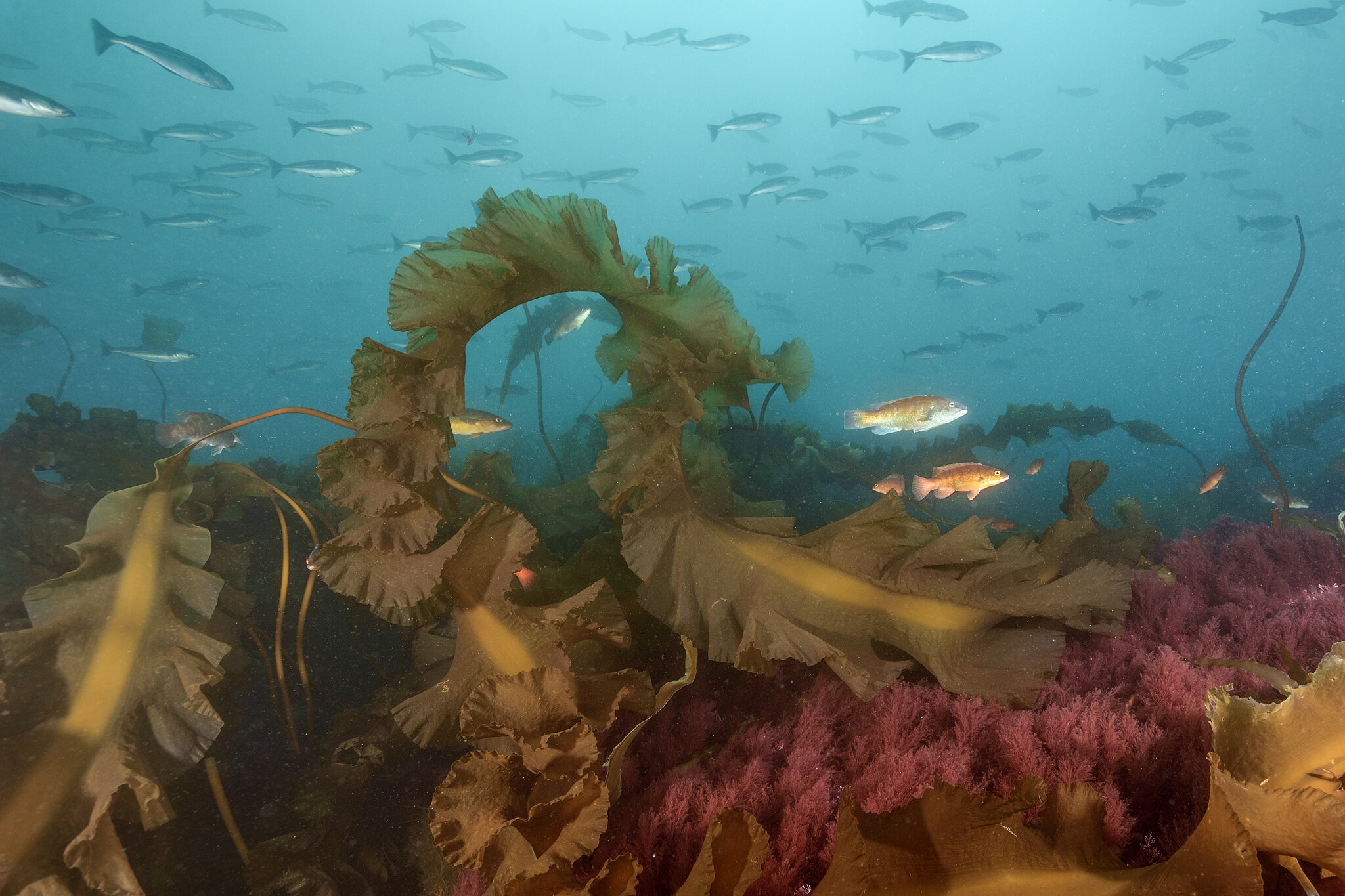
New research shows invasive rats on Indian Ocean islands decimate seabirds, cutting nutrient inputs to coral reefs and rewiring reef food webs. The loss of seabird-derived nutrients shifts the base of the ecosystem from cryptobenthic fishes to invertebrates, altering predator energy pathways and illustrating a complex, uneven nutrient impact across rat-infested and rat-free reefs.
Jellyfish Taste for Burrowing Worms Documented for the First Time
science4 months ago

Jellyfish Taste for Burrowing Worms Documented for the First Time

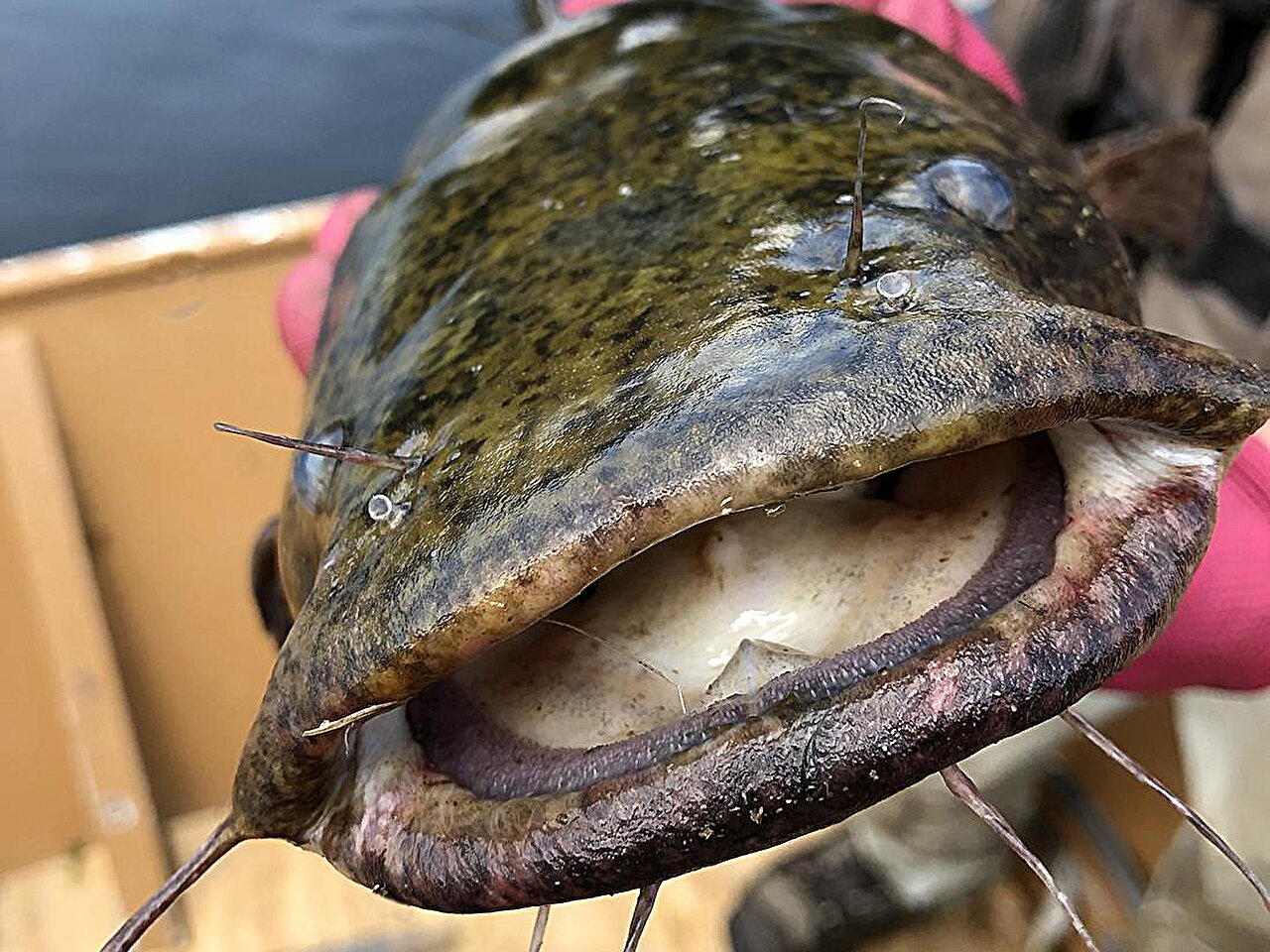
A Danish study finds jellyfish from two species feeding on polychaete worms, a burrowing bottom-dweller, marking the first documented instance. Across a year, 45 of 166 Aurelia aurita and 3 of 71 Mnemiopsis leidyi were found with worms in their guts, typically when worms rise to spawn at night. This seasonal feeding burst adds a new layer to fjord energy flow and could affect ecosystems if the invasive M. leidyi expands.

Juvenile Sauropods Fueled Jurassic Predators, New Ecological Web Reveals
science6 months ago

Juvenile Sauropods Fueled Jurassic Predators, New Ecological Web Reveals

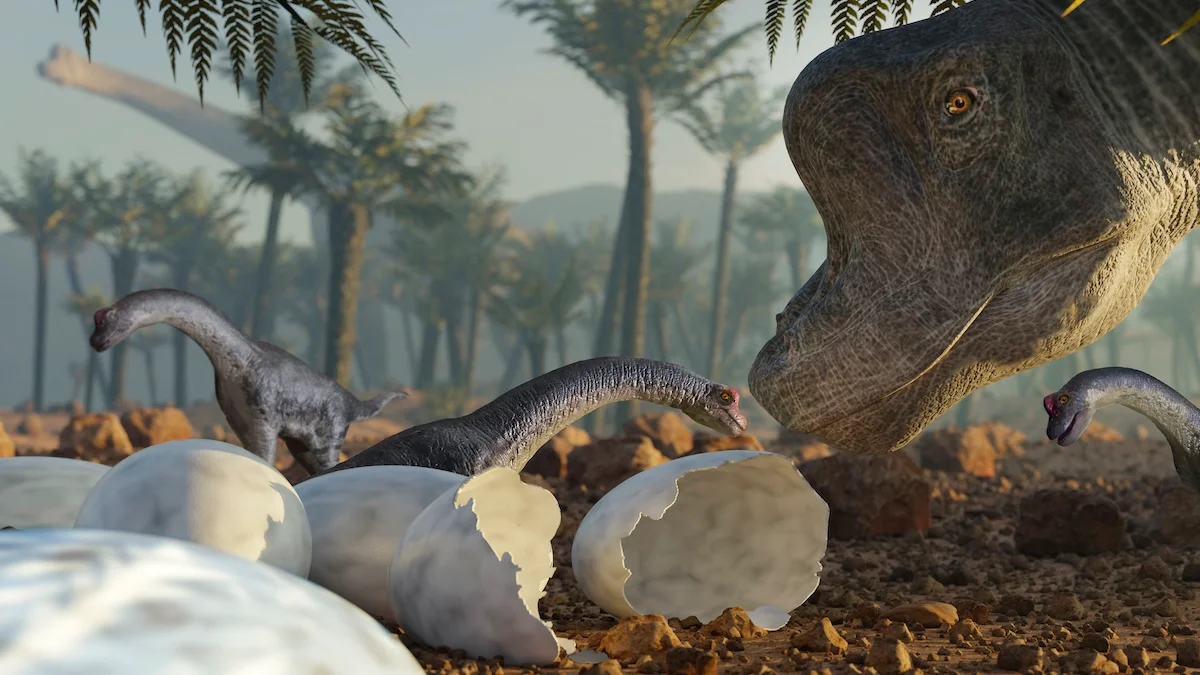
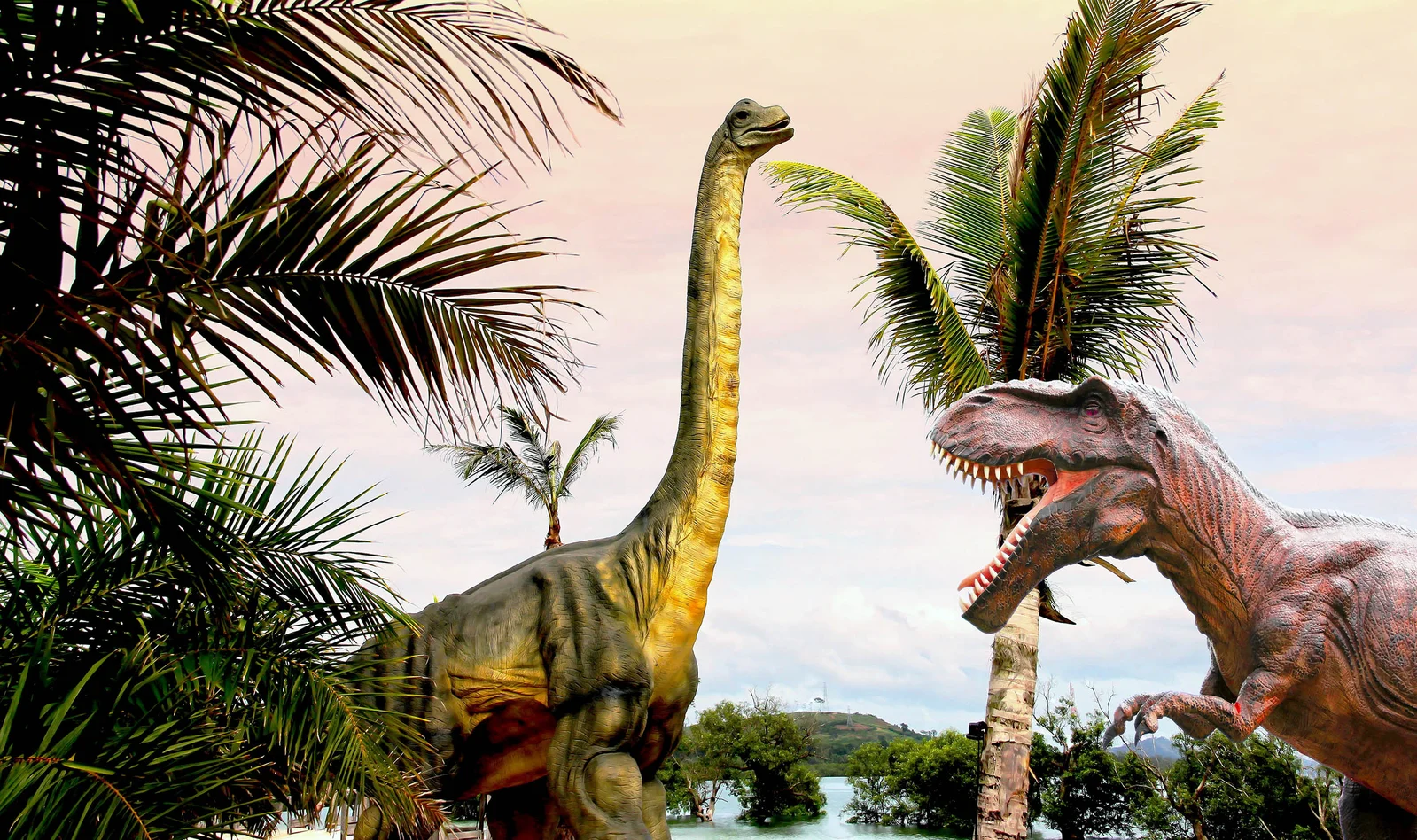
Reconstructing a detailed Jurassic ecosystem from Dry Mesa Quarry fossils shows that baby sauropods were abundant prey, forming many predator links and feeding carnivores like Allosaurus and Torvosaurus. This plentiful supply may have kept top predators smaller for a time and influenced later evolutionary shifts toward larger hunters such as Tyrannosaurus rex.

The Arctic’s True Super-Predator Revealed
science1 year ago

The Arctic’s True Super-Predator Revealed

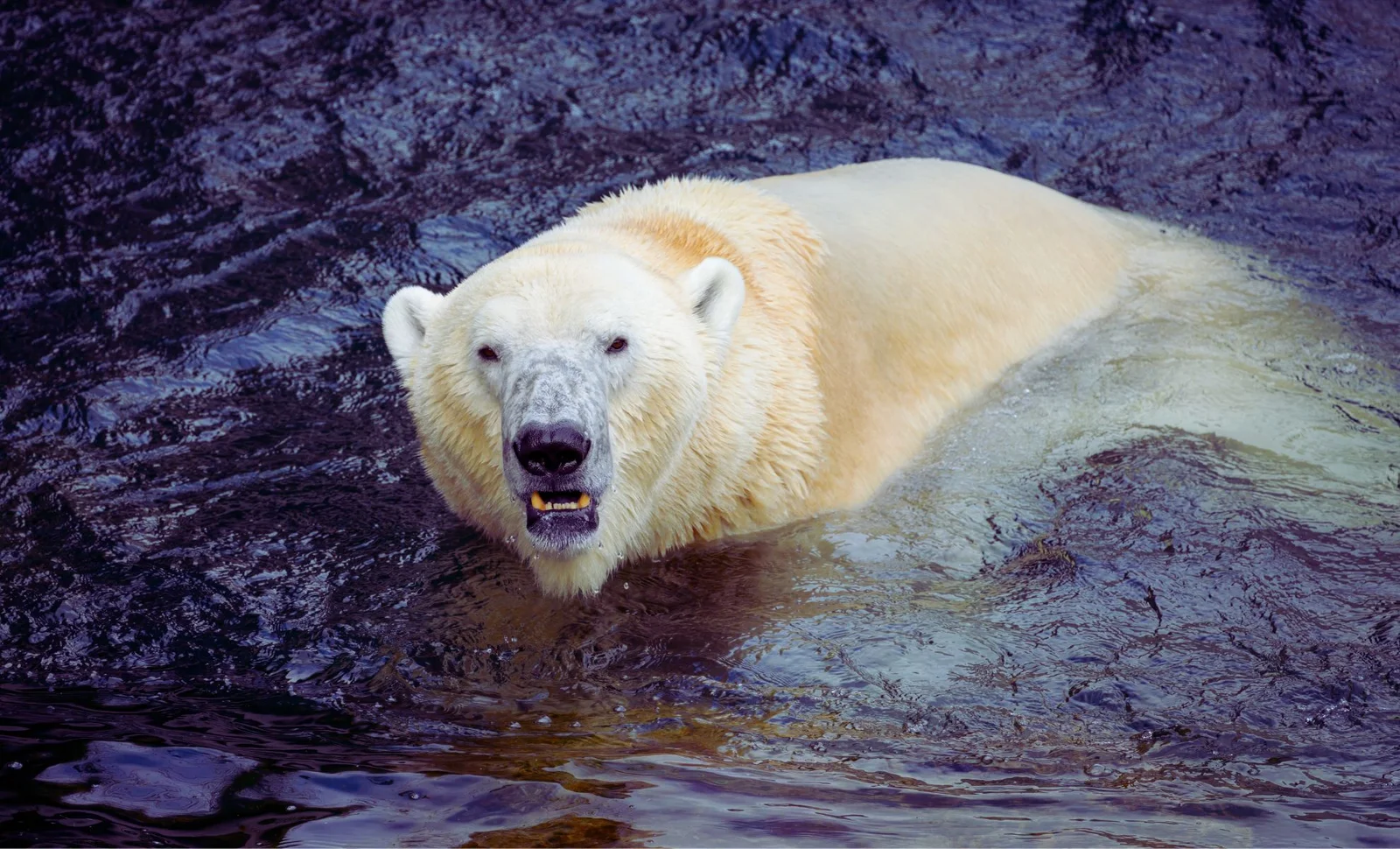
A recent study reveals that in the Arctic, sea stars, particularly from the Pterasteridae family, are top predators in the benthic (seafloor) ecosystem, challenging the traditional view that polar bears are the ultimate predators in the region. These sea stars play a crucial role in maintaining ecosystem balance by hunting and scavenging, highlighting the complexity of Arctic food webs and the importance of benthic predators for overall ecosystem health.

Microplastics Contaminate Arctic Ice Algae, Threatening Food Chains.
environment3 years ago

Microplastics Contaminate Arctic Ice Algae, Threatening Food Chains.

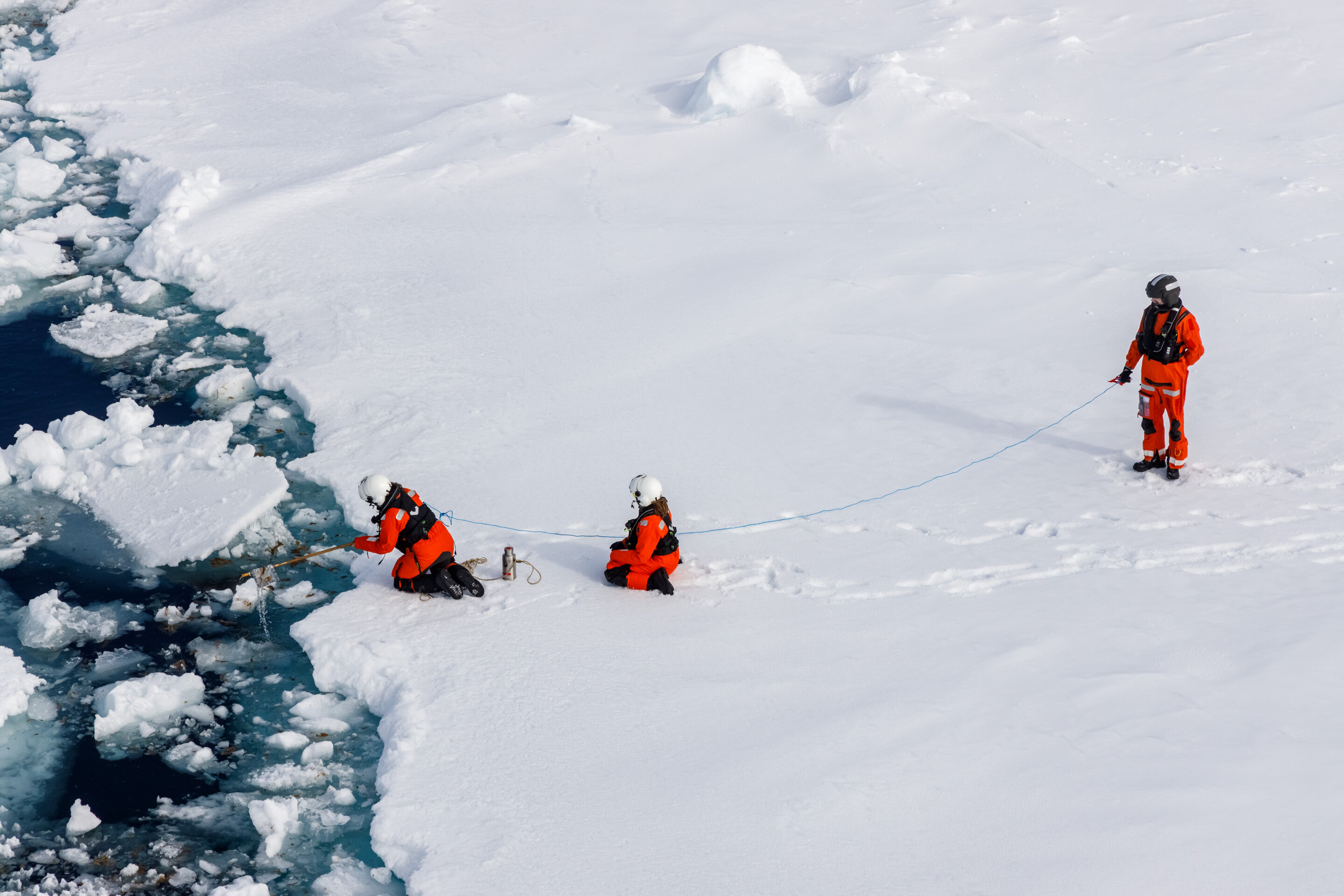
The Arctic ice alga Melosira arctica contains ten times as many microplastic particles as the surrounding seawater, posing a threat to creatures that feed on the algae at the sea surface. Clumps of dead algae also transport the plastic with its pollutants particularly quickly into the deep sea, explaining the high microplastic concentrations in the sediment there. The microplastic could enter the food web of deep-sea dwellers and also at the sea surface, potentially affecting human health. The Arctic ecosystem is already threatened by the climate crisis, and reducing the production of new plastic is the most effective way to reduce plastic pollution.