Tag

Jurassic

All articles tagged with #jurassic

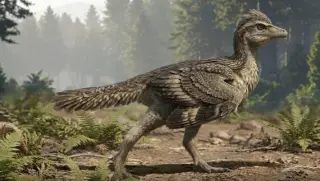
Tiny Jurassic Bird Reveals Stepwise Tail Evolution in Early Birds
paleontology2 days ago

Tiny Jurassic Bird Reveals Stepwise Tail Evolution in Early Birds

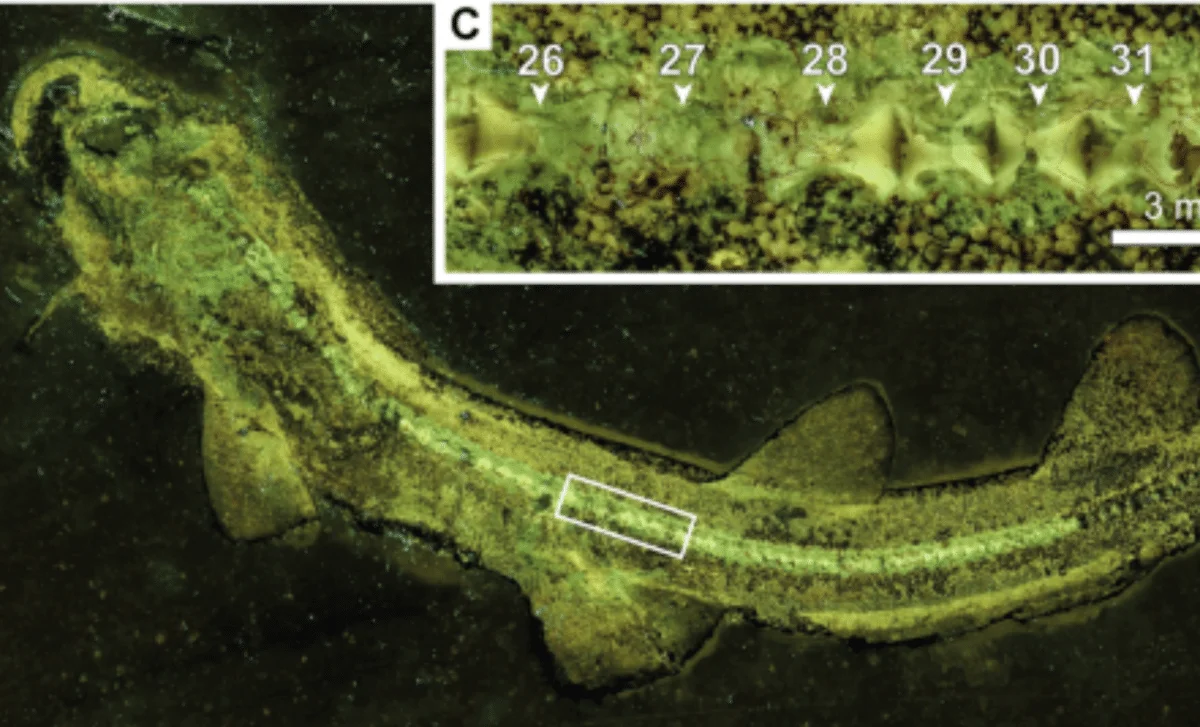
Chinese paleontologists describe Zhengheornis buyu, a small 148–150 million-year-old Jurassic bird with a 15-vertebra tail that remains unfused (no pygostyle), showing that vertebral tail shortening occurred before pygostyle formation in early birds. With an estimated body mass of 74–163 g, this mosaic anatomy suggests a stepwise tail evolution and supports a rapid diversification of avialans by the late Jurassic, published in Science Advances.

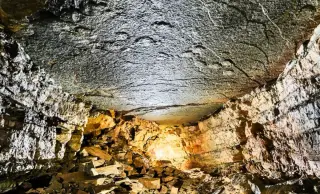
Gigantic Jurassic Sauropod Tracks Stamped into a French Cave Ceiling
science1 month ago

Gigantic Jurassic Sauropod Tracks Stamped into a French Cave Ceiling

In Castelbouc Cave in southern France, researchers documented three-dimensional counterprint casts of sauropod footprints on the ceiling, dating to about 168 million years ago with tracks up to 1.25 meters long. The prints formed when dinosaurs walked across soft lagoon mud, later filled and preserved as rock, revealing that giant herbivores roamed coastal wetlands. Studying them required deep cave exploration and rare preservation conditions, and the team notes similar discoveries elsewhere may follow.

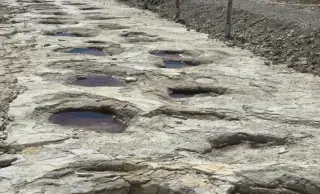
France Unveils 155-Meter Sauropod Footprint Trail in Jura Rock, the Longest Yet Found
science2 months ago

France Unveils 155-Meter Sauropod Footprint Trail in Jura Rock, the Longest Yet Found

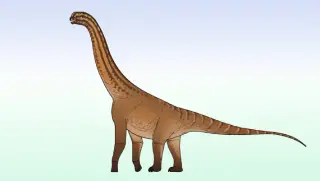
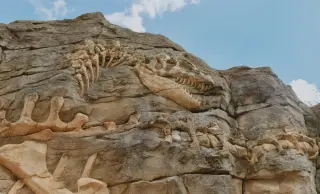
In the Dinoplagne site of the Ain region in the Jura mountains, researchers report a 155-meter-long, exceptionally well-preserved sauropod trackway dating to the early Tithonian stage of the Late Jurassic. This extends the record for the longest sauropod footprint sequence and provides detailed clues about the giant animal’s gait and size; a 2009 discovery at Dinoplagne identified a much shorter track (about 35 meters) but likewise highlighted the site’s significance. The footprints, attributed to a titanosaur, are preserved with sharp edges and intricate details, and the site remains open to visitors as scientists continue to study this geological treasure.

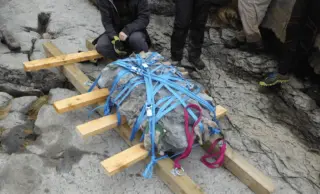
Dog-Sized Middle Jurassic Dinosaur Unearthed in Scotland, Hinting at Early Plant-Eater Diversity
science2 months ago

Dog-Sized Middle Jurassic Dinosaur Unearthed in Scotland, Hinting at Early Plant-Eater Diversity

Paleontologists unearthed Scotland’s most complete dinosaur skeleton to date—a dog-sized herbivorous ornithischian from the Middle Jurassic (~166 million years ago) on the Isle of Skye. The discovery, involving a subadult around eight years old, offers new clues about early plant-eating dinosaurs and could reshape understanding of Jurassic ecosystems, though researchers are still determining whether it represents a new species due to the fragmentary remains.

Dog-sized Middle Jurassic dinosaur hints at earlier herbivore diversification in Scotland
animals2 months ago

Dog-sized Middle Jurassic dinosaur hints at earlier herbivore diversification in Scotland

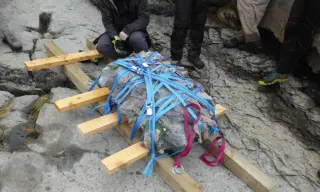
A 166-million-year-old, dog-sized, plant-eating dinosaur from the Middle Jurassic was unearthed on Scotland’s Isle of Skye. Although the skeleton was long spotted, difficult access and protected coastline kept it from extraction until now. The fragmentary remains suggest an early ornithischian (possibly an early ornithopod or ceratodan) and show it was at least eight years old when it died, based on growth rings. This could push back the appearance of iguanodontians and shed light on small herbivores in Jurassic ecosystems; researchers aim to find more fossils in the Kilmaluag Formation to better understand dinosaur evolution in this period.

Tiny 16-Centimeter Fossil Sheds Light on Ancient Rhynchocephalians Near a Jurassic Nest
science2 months ago

Tiny 16-Centimeter Fossil Sheds Light on Ancient Rhynchocephalians Near a Jurassic Nest

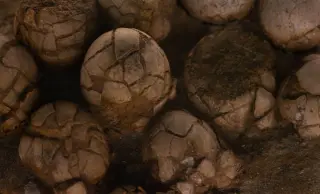
A near-complete 16 cm fossil of Opisthiamimus gregori, a rhynchocephalian, was found in Wyoming’s Morrison Formation near an Allosaurus nest. Researchers used micro-CT scans to create a detailed 3D reconstruction, suggesting an insectivorous diet and revealing jaw-tooth mechanics that can help classify other fossils and better understand this once-diverse group that declined long ago.

China’s 92-Foot Sauropod Unearthed at a Construction Site Reshapes Jurassic Giants
science2 months ago

China’s 92-Foot Sauropod Unearthed at a Construction Site Reshapes Jurassic Giants

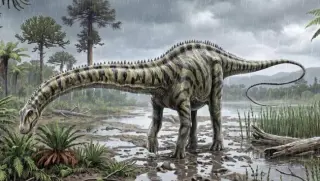
In China’s Sichuan Basin, scientists describe Tongnanlong zhimingi, a giant sauropod potentially 75–92 feet long from the Late Jurassic Suining Formation (~147 million years ago). The incomplete skeleton was found during construction in Chongqing’s Tongnan District and, with bones like vertebrae and limb elements, researchers estimated its size and confirmed it belonged to the Mamenchisauridae family, known for long necks and lightweight bones. The site’s lake‑shore wetland context and well‑preserved remains suggest rapid burial, supporting a model of large-bodied dinosaurs in a hydrated ecosystem. The find also informs broader questions about Jurassic biogeography, including the East Asian Isolation hypothesis, hinting that eusauropods were distributed beyond East Asia rather than being strictly regional.”,

Sword-Dragon Ichthyosaur Unveils a New Early Jurassic Lineage
science4 months ago

Sword-Dragon Ichthyosaur Unveils a New Early Jurassic Lineage

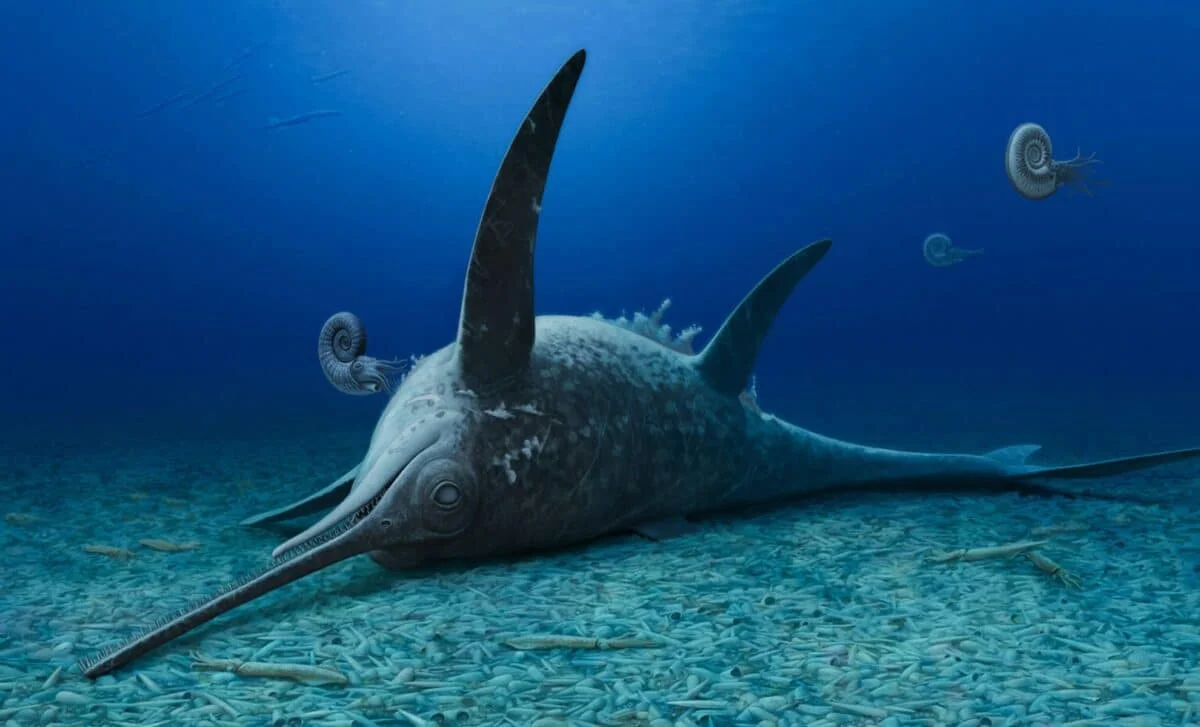
A 190-million-year-old ichthyosaur skeleton nicknamed the Sword Dragon of Dorset, Xiphodracon goldencapensis, is described as a nearly complete Early Jurassic specimen that sheds new light on marine reptile evolution; its discovery helps pinpoint a major faunal turnover in the Jurassic, reveals a sword-like snout and signs of injury, and will join the Royal Ontario Museum for public display.

Juvenile Sauropods Fueled Jurassic Predators, New Ecological Web Reveals
science5 months ago

Juvenile Sauropods Fueled Jurassic Predators, New Ecological Web Reveals

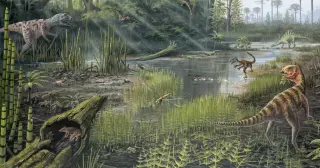
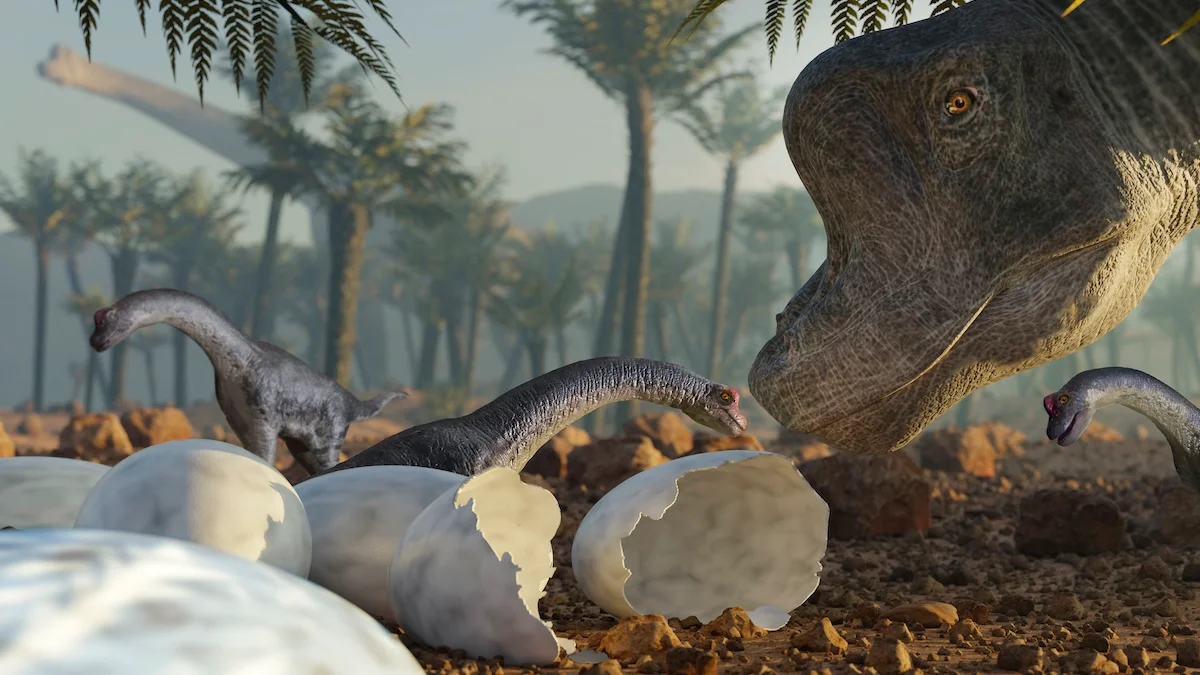
Reconstructing a detailed Jurassic ecosystem from Dry Mesa Quarry fossils shows that baby sauropods were abundant prey, forming many predator links and feeding carnivores like Allosaurus and Torvosaurus. This plentiful supply may have kept top predators smaller for a time and influenced later evolutionary shifts toward larger hunters such as Tyrannosaurus rex.