Tag

Jurassic Period

All articles tagged with #jurassic period

Wyoming Fossil Reveals 'Chunkiest' Belemnite Species from Jurassic Era
science1 month ago

Wyoming Fossil Reveals 'Chunkiest' Belemnite Species from Jurassic Era

Researchers have identified a new species of extinct squid-like creature, Wyoteuthis linsterorum, based on two rare fossils found in Wyoming. Dating back 160 million years, this belemnite is the thickest ever recorded, with a barrel-shaped internal skeleton measuring 6 centimeters wide. The discovery, published in Papers in Paleontology, reveals that a rare belemnite family survived in the ancient Sundance Sea longer than previously thought. The fossils, one found in the 1990s and another in 2019, were analyzed using CT scans to confirm their unique anatomy and evolutionary significance.
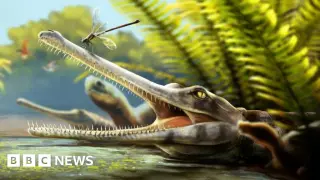
Moroccan Fossil Unveils 'Comb-Toothed' Crocodile Relative From 170 Million Years Ago
science1 month ago

Moroccan Fossil Unveils 'Comb-Toothed' Crocodile Relative From 170 Million Years Ago

Scientists from the University of Portsmouth and Hassan II University of Casablanca have identified a new ancient crocodile relative, *Ctenosuchus tenuidens*, from fossils found in Morocco’s Atlas Mountains. Dating to approximately 165–170 million years ago, this thalattosuchian possessed a unique snout filled with needle-like teeth. Unlike other long-snouted crocodiles that hunted large fish, this species likely specialized in soft prey such as shrimp and worms. The discovery, published in the *Journal of Vertebrate Paleontology*, highlights the ecological diversity of prehistoric predators in the southern supercontinent of Gondwana.

First Diplodocus Fossils Found in Spain Rewrite Dinosaur Migration History
science2 months ago

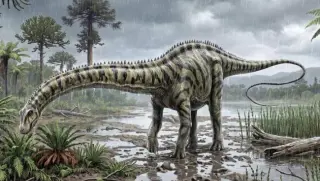
First Diplodocus Fossils Found in Spain Rewrite Dinosaur Migration History

Researchers from Fundación Dinópolis have confirmed the first Diplodocus fossils outside North America, found in Spain. The 150-million-year-old remains, located near El Castellar, prove that these giant sauropods migrated across the proto-Atlantic Ocean via temporary land bridges, challenging the previous belief that the genus was exclusively American.

Wyoming Fossil Reveals 'Fattest' Jurassic Belemnite, a Rare Survivor of an Extinct Line
science2 months ago

Wyoming Fossil Reveals 'Fattest' Jurassic Belemnite, a Rare Survivor of an Extinct Line

An international team has identified a new species of belemnite, Wyoteuthis linsterorum, from Wyoming’s Sundance Formation. Dated to the Late Jurassic (approx. 160 million years ago), this 'chunky' cephalopod features a barrel-shaped rostrum up to 6cm wide, making it the thickest belemnite ever recorded. The discovery, based on two rare fossils, reveals a surviving branch of the Megateuthididae family, thought to have gone extinct millions of years earlier. The species is named after fossil collector Cliff Linster, who donated the second specimen in 2019.

Crabs’ Sideways Walk Traced to a Single Ancient Twist
science6 months ago

Crabs’ Sideways Walk Traced to a Single Ancient Twist

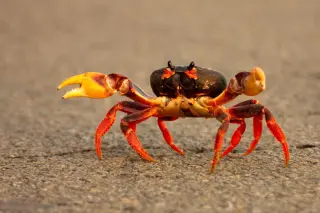
A large comparative study of 50 true crab species, combined with a crab-wide phylogeny, shows sideways locomotion likely originated only once around 200 million years ago in the early Jurassic, at the base of Eubrachyura, suggesting a predator-evading advantage and contributing to the ecological success of true crabs, while noting this behavioral shift is rarer than repeated body-shape convergence and may have been influenced by Triassic–Jurassic environmental changes.

Massive Jurassic Sauropod Unearthed at Chinese Construction Site
science8 months ago

Massive Jurassic Sauropod Unearthed at Chinese Construction Site

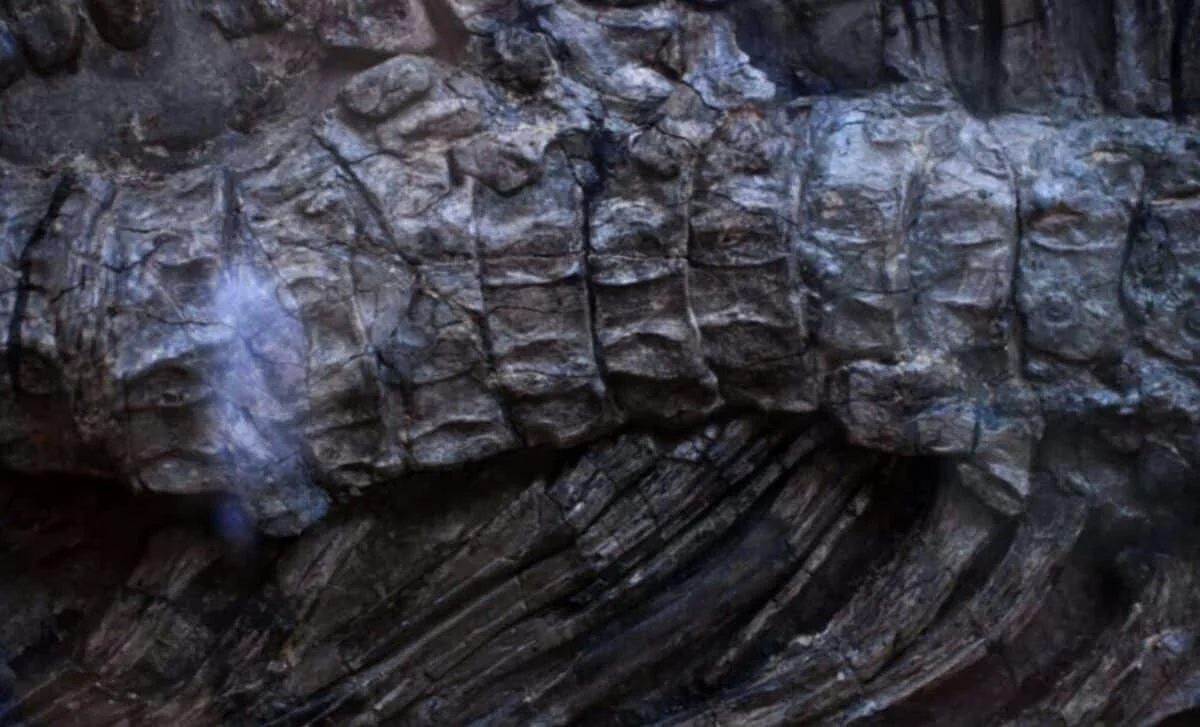
Construction workers in Tongnan District, Sichuan Basin, China uncovered a partial, exceptionally well-preserved sauropod skeleton dating to about 147 million years ago (Late Jurassic). Scientists named Tongnanlong zhimingi, estimating the full animal at 23–28 meters (roughly 92 feet) long, with a large shoulder girdle and well-preserved vertebrae. The fossil’s preservation result from rapid burial in ancient mud and sandstone; the remains are housed at the Chongqing Museum of Natural History. The find sheds light on the size and distribution of giant Asian sauropods and suggests broader ancient connections across continents.

Portugal's Coastal Cliff Uncovers Intact 150-Million-Year Jurassic Egg Nest
science9 months ago

Portugal's Coastal Cliff Uncovers Intact 150-Million-Year Jurassic Egg Nest

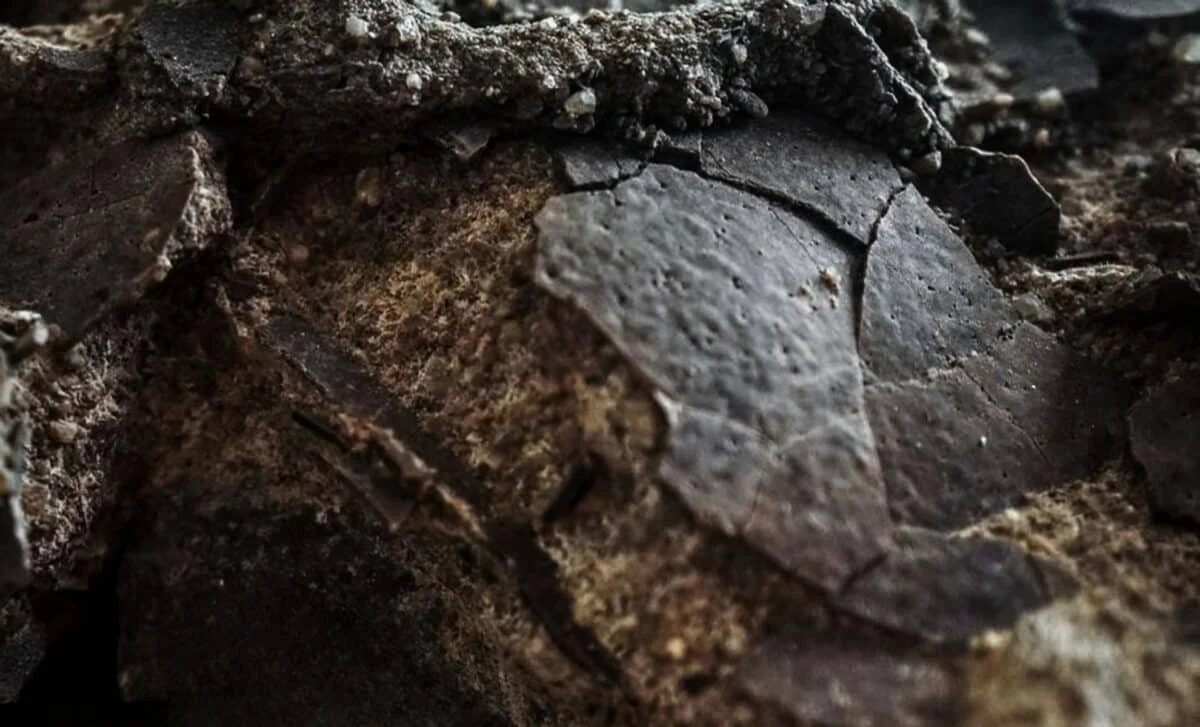
At a coastal cliff in Santa Cruz, Portugal, researchers uncovered a block containing 10 Upper Jurassic dinosaur eggs (~150 million years old) preserved in three dimensions within granular sandstone, arranged in a natural nest pattern that suggests a genuine nesting site and limited disturbance. The team suspects carnivorous dinosaurs may have laid them, with potential embryonic remains to be confirmed by planned CT scans and microscopic analyses.

Ancient Ocean 'Burps' of CO2 and Their Modern Risks
science1 year ago

Ancient Ocean 'Burps' of CO2 and Their Modern Risks

Ancient volcanic activity 183 million years ago caused widespread ocean anoxia, a process that is now being mirrored by modern human-induced CO2 emissions, which are reducing ocean oxygen levels and threatening marine life. Scientists use geochemical methods to study past events, highlighting the long-lasting impact of deoxygenation and emphasizing the urgent need to reduce emissions to prevent similar catastrophic outcomes today.

Ancient Microbes Preserve 145-Million-Year-Old Fossil Forest in Dorset
science2 years ago

Ancient Microbes Preserve 145-Million-Year-Old Fossil Forest in Dorset

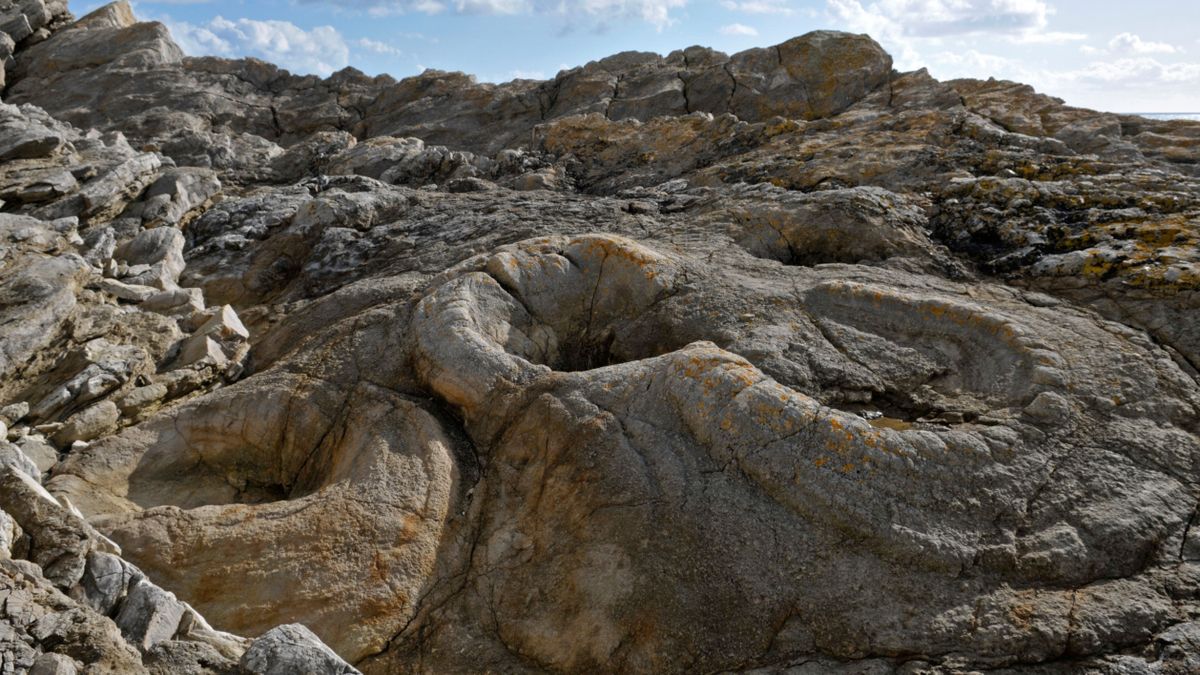
The Fossil Forest in Dorset, England, is a 145 million-year-old site featuring fossilized tree stumps preserved by ancient microbes. Located on the Jurassic Coast, this area showcases unique fossils formed by algae-like microbes that encrusted the trees with calcium carbonate, creating limestone structures known as thrombolites. The forest, which existed during the Jurassic-Cretaceous boundary, was eventually submerged by rising sea levels, preserving the tree roots and trunks. The site provides insights into the environment where late Jurassic dinosaurs lived.

"Uncovering Jurassic Mammaliaform Evolution: Fossil Discoveries and Dental Diversification"
paleontology2 years ago

"Uncovering Jurassic Mammaliaform Evolution: Fossil Discoveries and Dental Diversification"

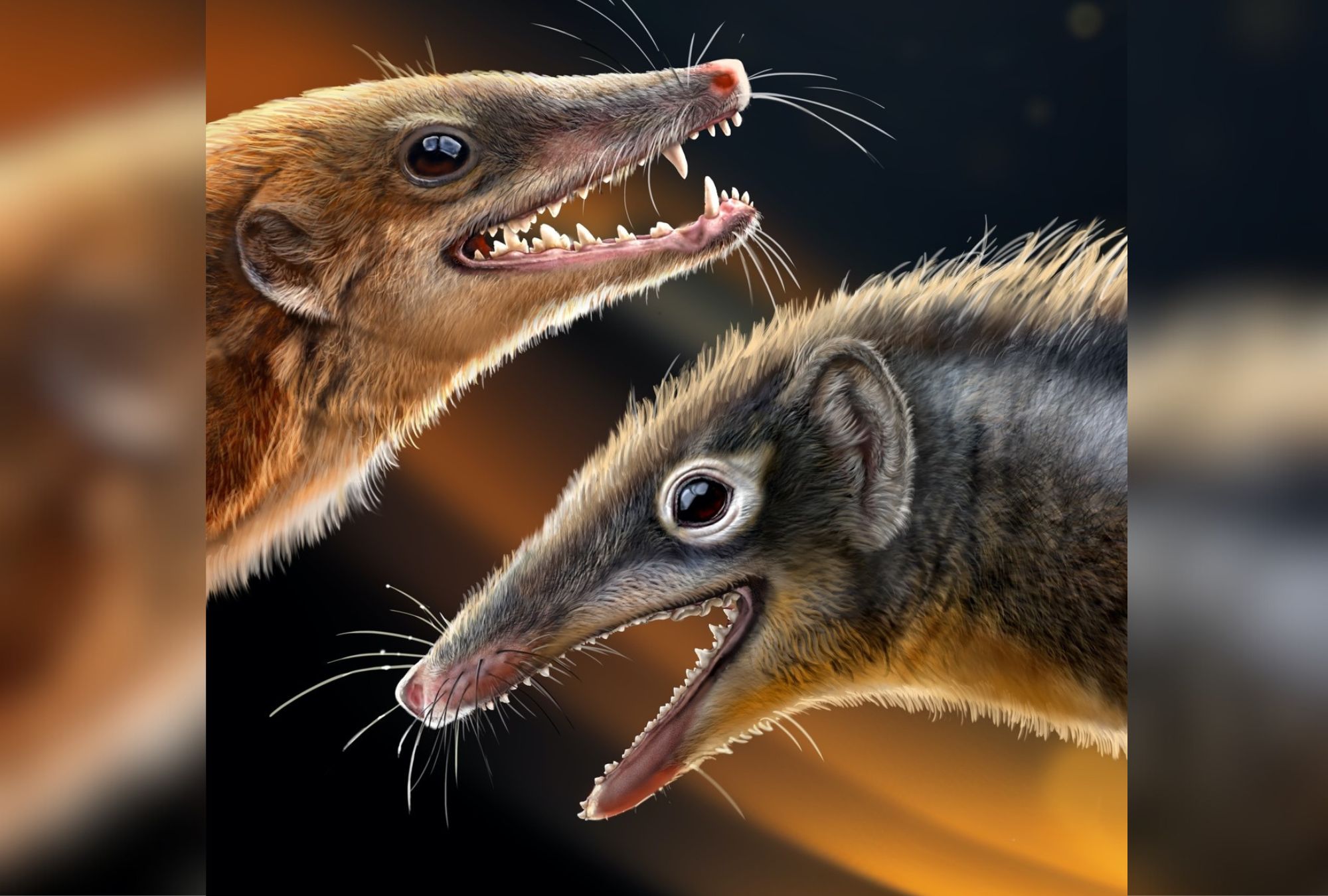
Two new species of early mammals from the Jurassic period, Feredocodon chowi and Dianoconodon youngi, have been discovered in Mongolia and China, shedding light on the evolution of mammalian middle ear from the jaw joint. These fossils provide insight into the transitional stages of mammalian evolution, showing incremental modifications that led to the advanced hearing systems found in modern animals. The discovery also challenges previous theories about the evolutionary history of mammaliaforms and provides vital insights into the phylogenetic relationships and evolutionary trajectories of shuotheriids, indicating unique ecomorphological adaptations within early mammaliaforms.

Ancient Flesh-Eating Lampreys Resurface in China
paleontology3 years ago

Ancient Flesh-Eating Lampreys Resurface in China

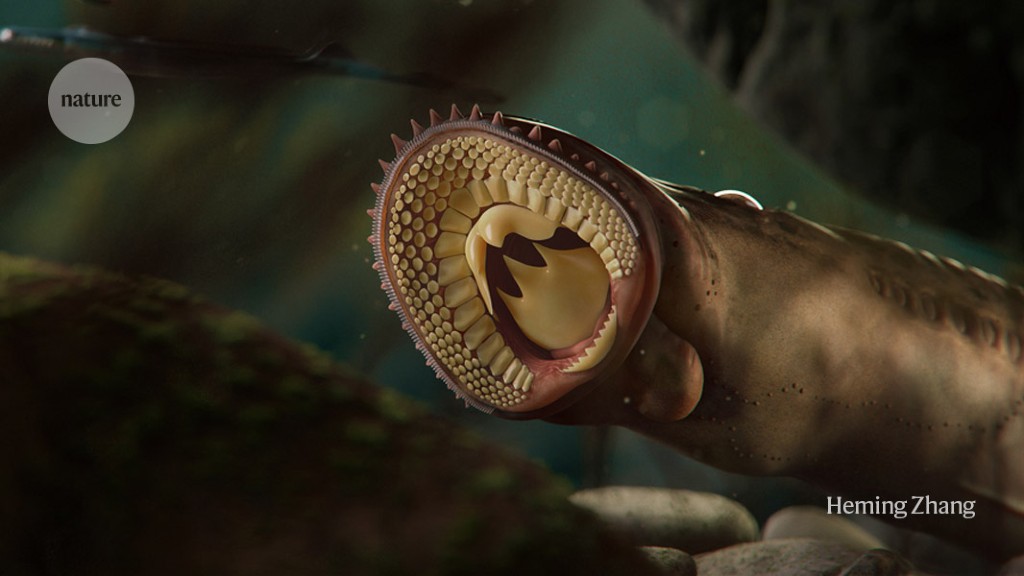
Fossil lampreys from the Jurassic period, discovered in northern China, provide insight into the evolutionary history of these ancient fish. The fossils reveal that these lampreys were fearsome predators, with a strong biting mechanism and a diet that involved consuming the flesh of their prey. The discovery suggests that lampreys had already evolved their current life cycle, which includes a phase of metamorphosis, during this time. The fossils also indicate a greater diversity in ancient lampreys than previously thought, shedding light on their gradual evolution over time.