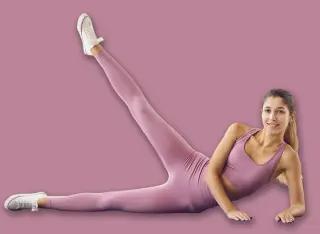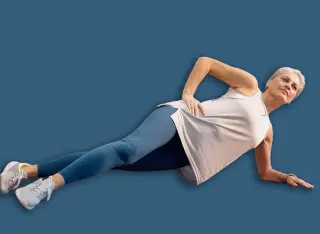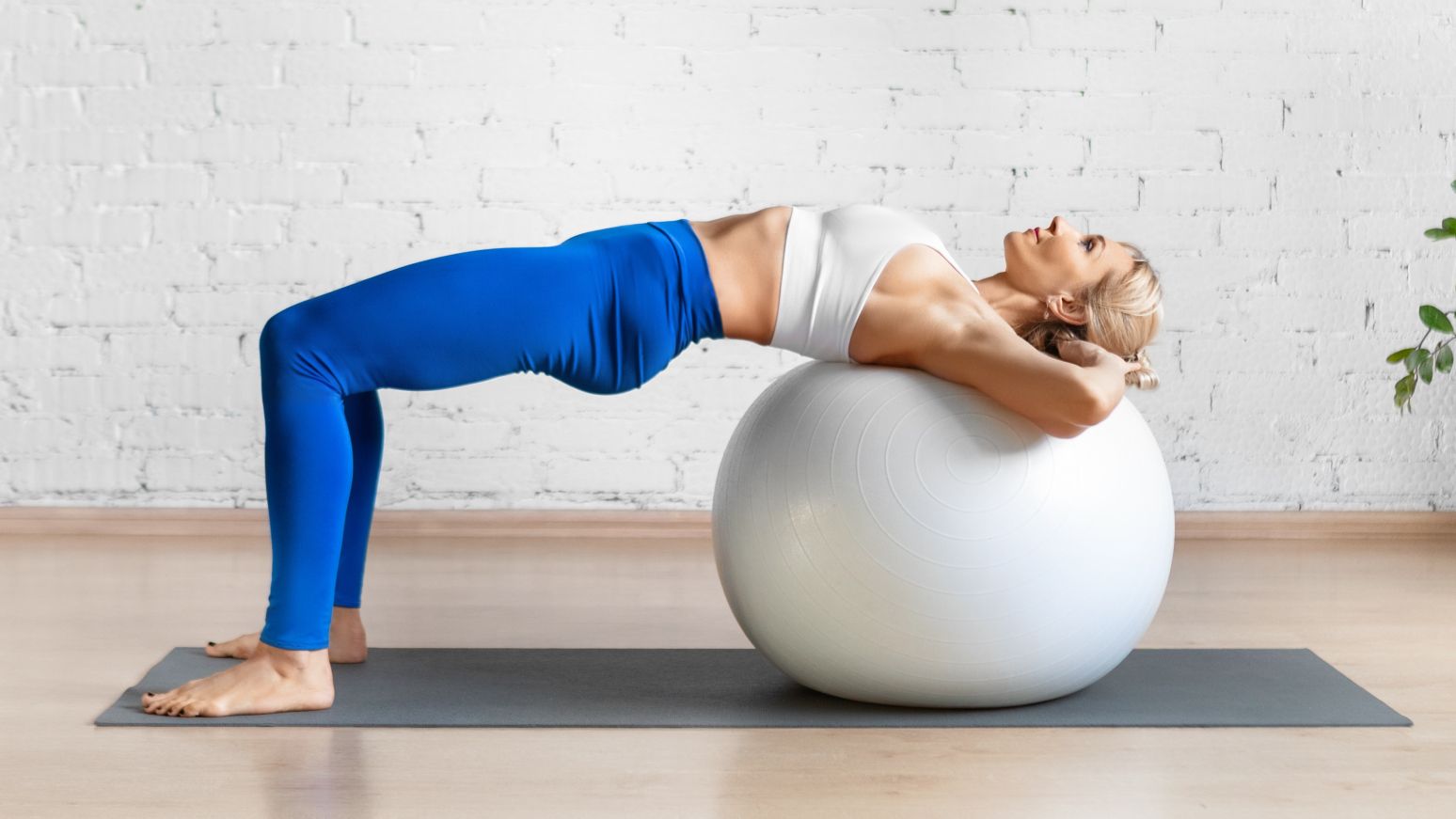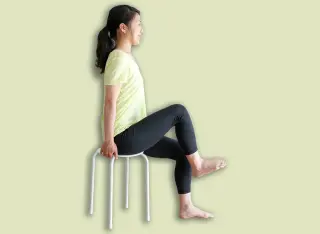
Five bed-based moves—glute bridges, side-lying leg raises, clamshells, straight-leg raises, and hip marches—target hip stabilizers and glutes to improve strength, balance, and mobility for adults over 60, with specific sets and rep ranges to reduce joint stress and fall risk.
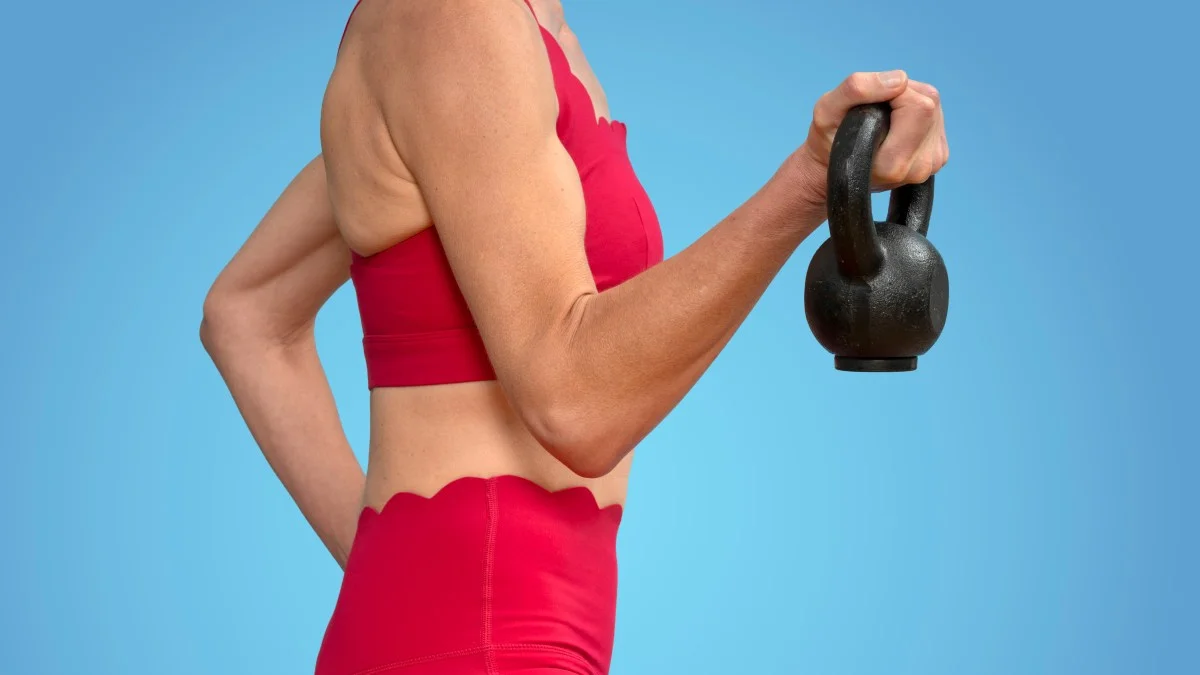
Age-related muffin-top fat stems from hormonal changes, slower metabolism, and loss of lean muscle. A daily 12‑minute routine that strengthens the obliques, transverse abdominis, glutes, and deep spinal stabilizers can reshape the waist without excessive spinal flexion. The five moves—Side Plank With Hip Lift; Standing Oblique Crunch with a Dumbbell; Bird Dog; Pallof Press; and Glute Bridge March—target the waist‑area muscles and are designed for consistent daily practice, which is safer and more effective than crunches after 60.
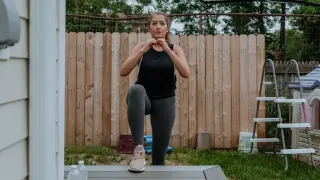
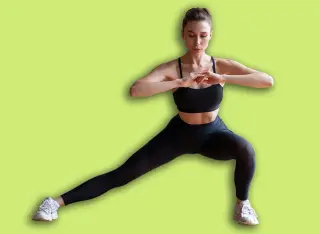
A health feature argues that standing, full-body moves build hip strength faster than floor stretches for people over 60, outlining five exercises—lunges, squats, lateral lunges, step-ups, and single-leg hip hinges—with expert Dr. Dustin DebRoy explaining how they improve balance and real-world movement.
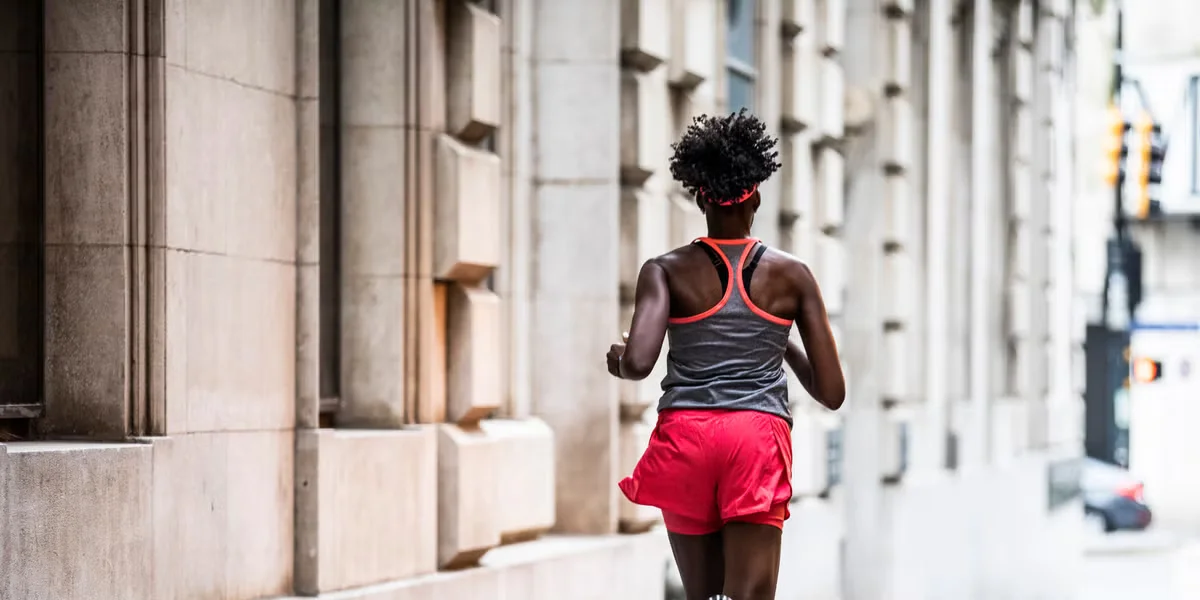
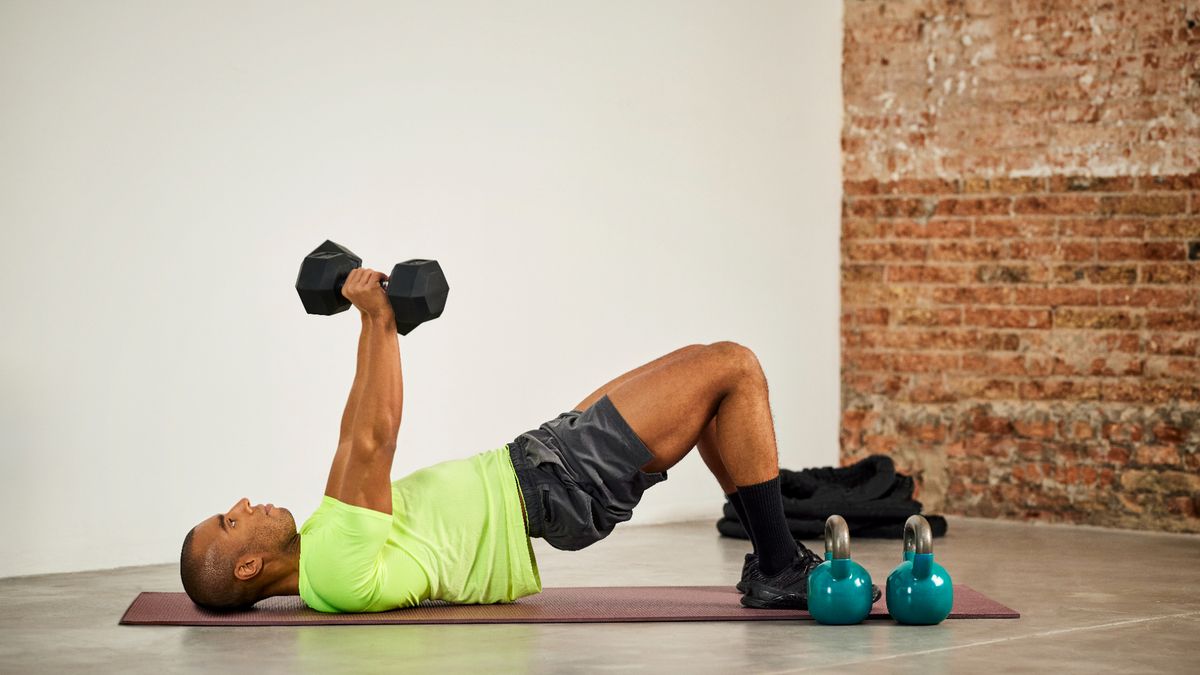
Prolonged sitting can cause dead butt syndrome (gluteal amnesia), weakening the gluteus maximus/medius and harming running performance and long-term mobility, often with lower-back pain. A two-part plan—sit less and strengthen the glutes with targeted moves (glute bridges, donkey kicks, clamshells), plus weekly sprint work, cross-training, and a dynamic warm-up—helps restore glute activation, improve running economy, and reduce injury risk.
Experts outline six practical strategies to cut common workout injuries: mix cardio, strength and mobility; see a physio even when not injured; strengthen the glutes; increase load gradually; address muscular imbalances; and use short “movement snacks” to stay primed.
The article explores the sprinter bridge as a dynamic alternative to traditional core exercises, highlighting its benefits for strengthening the deep core muscles, improving balance, and targeting key muscles for runners, with variations to increase challenge and effectiveness.
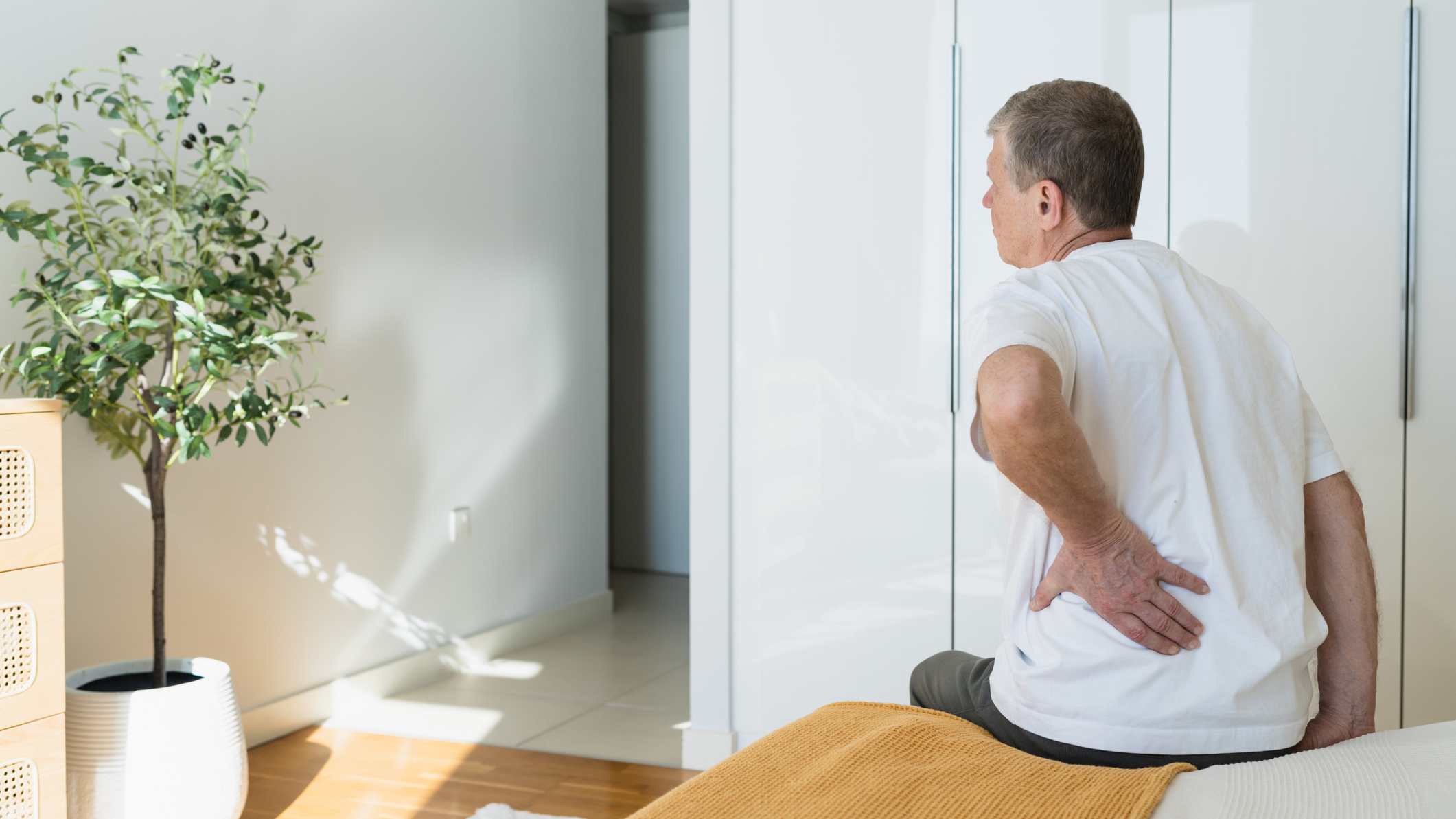
Strengthening the glutes, the muscles supporting the pelvis, can help alleviate lower back pain by reducing strain on the spine. Physical therapist Lindy Royer recommends targeted Pilates exercises under professional guidance to build glute strength and improve overall back health, emphasizing consistency and proper technique for best results.
Fitness influencer Amanda Elise Lee shares her abs and glutes workout routine on social media, emphasizing the importance of strength training, variety in exercises, and mind-body connection. She avoids extensive cardio to maintain her weight and prefers TRX workouts for total body strength training.
NCSF-certified personal trainer Elise Young suggests the single-leg bridge with leg lift for strengthening your core and glutes simultaneously. This exercise can help relieve lower back pain, improve posture, boost balance, and improve performance in weighted compound exercises. Strengthening deep core muscles like the transverse abdominis, multifidus, and pelvic floor can take strain away from the lower back, easing pain and preventing future injuries.
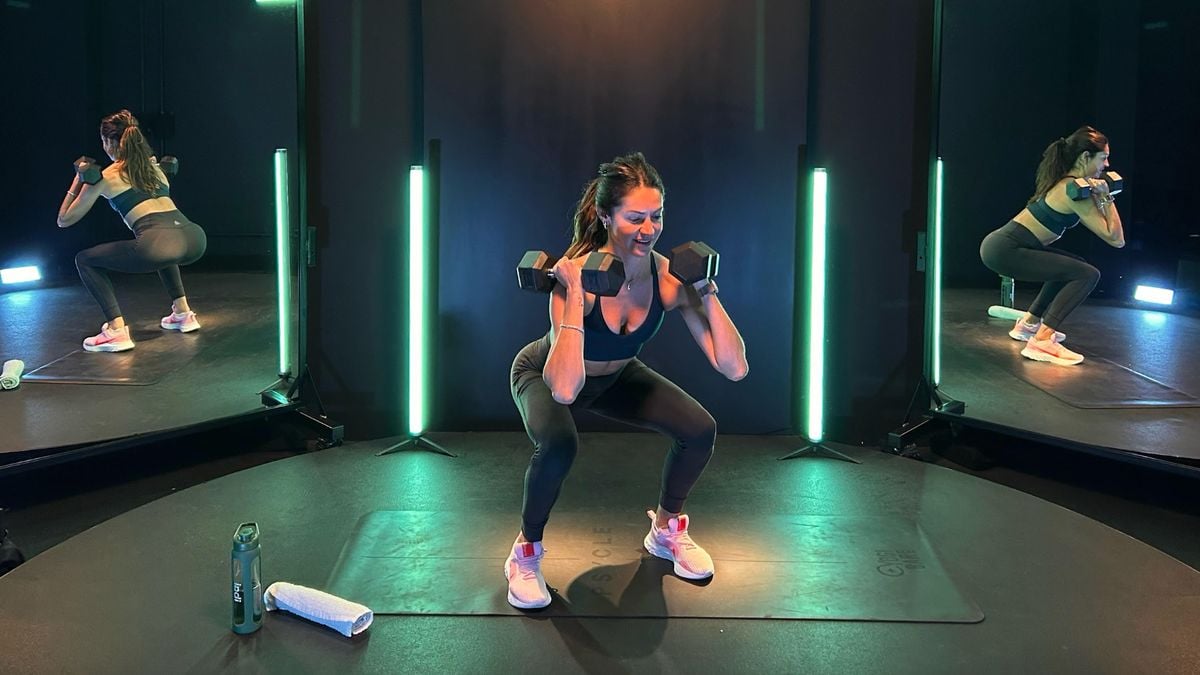
A personal trainer did 100 weighted squats every day for two weeks and found that it was an effective way to work the glutes, engage the core, and get a good cardio workout. However, maintaining proper form was crucial to avoid injury, and the challenge led to tight hamstrings and delayed-onset muscle soreness. The workout took about 10 minutes and is recommended for those looking to shake up their lower body routine.
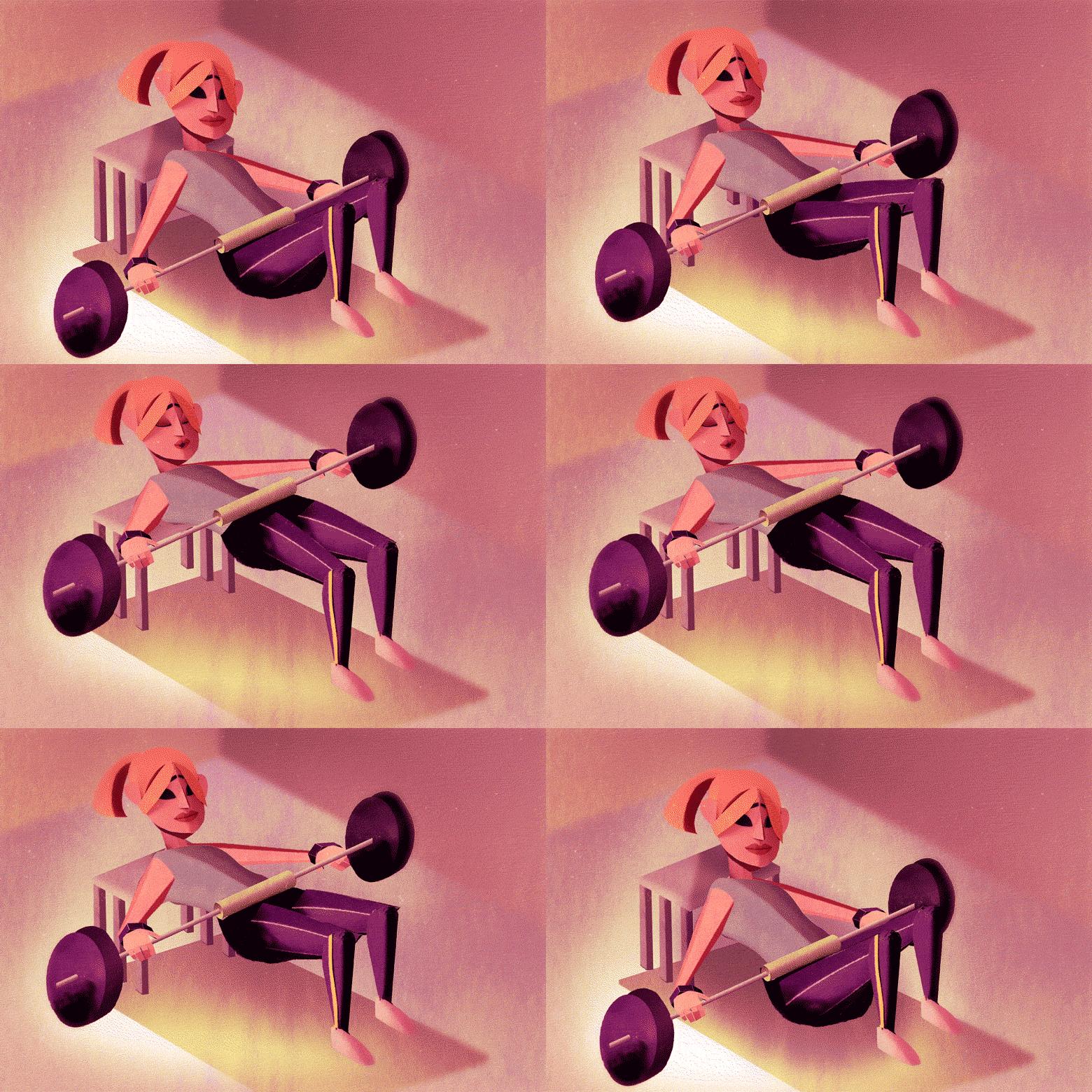
The hip thrust, a move inspired by Ultimate Fighting, has become a staple in strength-training routines worldwide. Invented by Bret Contreras, PhD, a strength and conditioning specialist, researcher, and author of “Glute Lab” in 2006, the hip thrust targets the gluteus maximus through its full range of motion and is a better way to activate the glutes than conventional exercises. Beginners can start with just their bodyweight, and more advanced lifters can load up a barbell with weights. The move is easy and accessible, and anyone can benefit from a stronger butt, no matter whether you’re an athlete or just want to move through your life more easily.