A HuffPost piece gathers 15 rules personal trainers say you should never break in the gym, from warming up and not hogging equipment to avoiding judgment, listening to your body, following a plan, cleaning up after yourself, protecting form over heavy weight, and prioritizing rest and recovery to foster safety, consistency, and a positive gym culture.
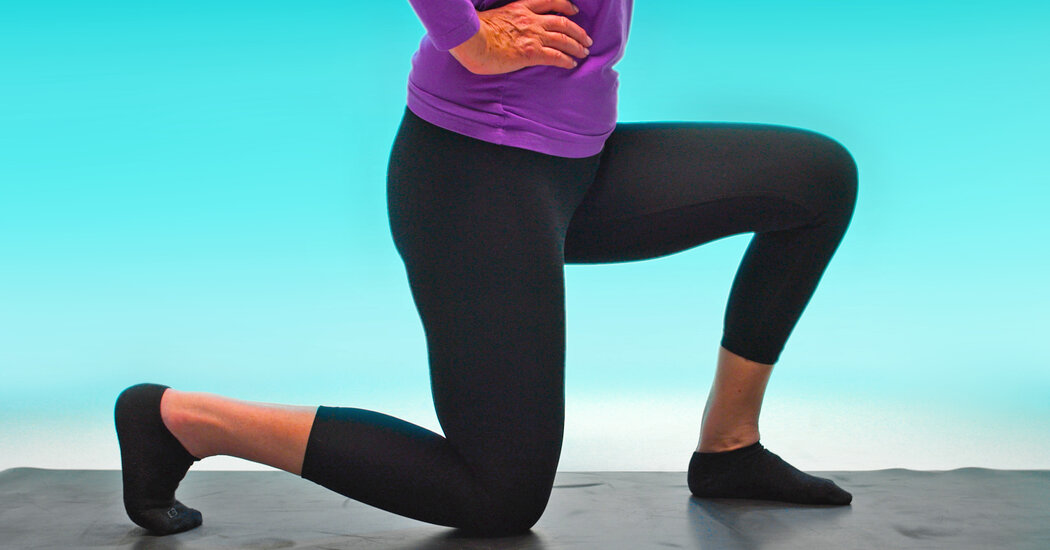
Cedars-Sinai advises a pre-workout routine of dynamic stretches (20–30 seconds each) to warm up and prep the muscles and joints, followed by a post-workout routine of static stretches (about 30 seconds each) to improve flexibility and aid recovery; aim for at least five minutes of warm-up before exercising. The article lists dynamic moves like Standing Knee to Chest, Open/Close the Gate, Hamstring Scoops, Butt Kicks, Standing Hip Flexor/Open-Book and various lunges/walk-outs, plus static stretches such as Supine Knees to Chest, Hamstring Stretch, Torso Twist, Figure Four, Calf Stretch, Thread the Needle, Open-Book with Hip Twist, and Neck Stretch. It also covers safety tips (stretch to mild resistance, avoid sharp pain, don’t stretch injured areas) and notes arthritis considerations, recommending consultation with a clinician if pain persists.
The article promotes the split squat as the single best strength exercise for runners, explaining that it builds single‑leg strength, hip and knee stability, and balance to improve running economy and reduce injuries; it outlines how to perform it, offers progressions from bodyweight to goblet and Bulgarian variations, and recommends twice‑weekly training with a focus on controlled technique for noticeable gains.
Experts outline six practical strategies to cut common workout injuries: mix cardio, strength and mobility; see a physio even when not injured; strengthen the glutes; increase load gradually; address muscular imbalances; and use short “movement snacks” to stay primed.
The article discusses the rising popularity of mobility training, emphasizing its benefits for performance, injury prevention, and longevity. It explains the difference between mobility and flexibility, highlights various exercises and programs, and shares personal experiences and expert advice on improving joint movement and overall body agility.
The article discusses the mental and physical toll of the demanding tennis schedule on players, highlighting concerns about long seasons, injuries, and fatigue, and explores potential reforms such as shortening the season, standardizing equipment, and adopting data-driven health strategies to make the sport more sustainable for athletes.
A routine of six mobility exercises designed for runners can help prevent injuries, improve movement efficiency, and enhance performance by targeting key joints like the big toe, hips, ankles, and thoracic spine. These low to medium intensity exercises, which can be incorporated throughout the day, focus on improving joint mobility and stability essential for a comfortable and effective running stride.
The article emphasizes the importance of adapting exercise routines as we age, recognizing physical changes such as decreased muscle mass and joint health, and avoiding over-exercising or ignoring pain. Experts recommend flexible, realistic approaches to maintain health and prevent injury, while cautioning against societal pressures and misconceptions that promote unrealistic expectations of youthful vitality at any age.
As you age, strengthening your core is crucial for maintaining mobility, preventing injuries, and supporting daily activities. Pilates instructor Eloise Skinner recommends focusing on core exercises like roll-downs, bird dogs, and forearm planks to enhance stability, balance, and overall body protection, especially to reduce the risk of falls and joint issues.
Pickleball's rising popularity in the U.S. has led to a significant increase in eye injuries, prompting calls for standardized protective eyewear guidelines to prevent such injuries, especially among older players.
Eye injuries among pickleball players, especially older adults, are increasing, with 1,262 cases reported in 2024, raising concerns about safety as the sport grows in popularity and attracts less experienced players.
The FA is conducting an immediate safety review of perimeter walls at football grounds following the death of former Arsenal youth player Billy Vigar, who sustained a fatal brain injury after colliding with a concrete wall during a match. The incident has sparked calls for banning brick walls around pitches and increased safety measures, with stakeholders emphasizing the need for urgent action to prevent similar tragedies.
Warming up before a walking workout is recommended to promote proper movement and prevent injuries, even though walking is low intensity. Expert Solomon Lewis suggests three warm-up exercises—bodyweight squat, split squat, and lateral toe touch—and provides a 30-minute walking plan that includes varying intensities to enhance fitness and weight loss. Starting with manageable durations and incorporating small bouts of walking can help beginners and those deconditioned gradually improve their activity levels.
Major League Baseball has implemented a month-long winter recovery period during which team officials are prohibited from monitoring or collecting data on amateur players to reduce injury risks and promote rest, following concerns over year-round high-effort training and its link to arm injuries among young athletes.
Continuing high-impact exercise into older age offers significant health benefits like improved bone density, cardiovascular health, and mental sharpness, but requires mindful adjustments based on individual capabilities and joint health. Staying active throughout life is crucial, and with proper modifications and strength training, older adults can maintain their fitness and prevent injuries.