Tag

Glycosylation

All articles tagged with #glycosylation

Cape Town researchers decode how cancer retools MUC1’s sugar cloak to dodge immunity
science3 hours ago

Cape Town researchers decode how cancer retools MUC1’s sugar cloak to dodge immunity

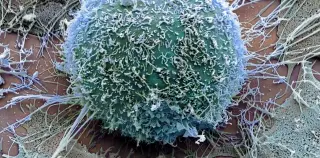
South African scientists at the University of Cape Town decoded how cancer rewires MUC1’s sugar coat, shifting from a protective shield to a cloak that blunts immune detection. By recreating the process in vitro and using quantum chemistry, they show tumor enzymes relocate from the Golgi to the endoplasmic reticulum to create aberrant Tn/sTn sugars, shaping a tumor-promoting microenvironment. Mapping this sugar code could inform cancer vaccines, biomarkers and therapies, pushing towards precision medicine.

Common Joint Supplement Glucosamine May Speed Dementia Progression, UF Study Finds
health4 days ago

Common Joint Supplement Glucosamine May Speed Dementia Progression, UF Study Finds

UF researchers analyzed deidentified health records (2012–2024) and mouse/human brain data and found glucosamine use among people with mild cognitive impairment was linked to about a 25% higher odds of progressing to dementia, and higher mortality risk in those already with dementia. They identify an overactive brain sugar-tagging (glycosylation) pathway as a potential mechanism, suggesting metabolism as a treatment target, but causality is not proven and clinical trials are needed.

Glucosamine May Be Linked to Faster Dementia Progression, Study Finds
health5 days ago

Glucosamine May Be Linked to Faster Dementia Progression, Study Finds

A study using anonymized UF Health records of about 24,000 dementia patients and 41,000 with mild cognitive impairment found glucosamine use associated with a 25% higher risk of death within five years for Alzheimer's patients and a 25% higher likelihood of progression from MCI to Alzheimer's. Mouse experiments suggested a mechanism involving brain sugar chains, but the study shows association, not causation, and dose, brand, and duration are unknown. The findings warrant caution for people with cognitive decline and call for controlled trials to establish causality.

New RPN1 Mutation Defines a Rare Glycosylation Disorder Linked to Neurodevelopmental Issues
science2 months ago

New RPN1 Mutation Defines a Rare Glycosylation Disorder Linked to Neurodevelopmental Issues

Scientists identify RPN1-CDG, a novel congenital disorder of glycosylation caused by a truncated ribophorin I from an RPN1 mutation found in two siblings, which impairs glycosylation via the OST complex and explains a spectrum of neurodevelopmental and multi-organ symptoms; this expands the OST-related CDG gene set to eight and enables definitive diagnoses for undiagnosed patients.

Brain Sugar Chains Linked to Depression, Study Finds
health8 months ago

Brain Sugar Chains Linked to Depression, Study Finds

Scientists have discovered a new molecular pathway involving abnormal sugar modifications on brain proteins, specifically reduced sialylation mediated by the enzyme St3gal1 in the prefrontal cortex, which contributes to depression. Manipulating this enzyme in mice affects depressive behaviors, opening new avenues for targeted treatments beyond traditional serotonin-based therapies.

The Sweet Secret to Boosting Antioxidant Power
health-and-medicine2 years ago

The Sweet Secret to Boosting Antioxidant Power

Researchers have discovered a method to enhance the health benefits of polyphenolic compounds, commonly found in fruits and vegetables, by making them water-soluble through glycosylation. This breakthrough could lead to the development of potentially life-saving medications. Polyphenols, known for their ability to prevent cellular damage and diseases like cancer and heart disease, often have poor water solubility, limiting their effectiveness. By attaching sugar molecules to polyphenols, researchers can increase their solubility and stability, making them more beneficial for medicinal purposes. The study explores the engineered production of polyphenolic O-glycosides and the potential for large-scale production of these compounds using microbial fermentation.

Unveiling the Cancer-Fighting Secrets of Mannose Sugar
health2 years ago

Unveiling the Cancer-Fighting Secrets of Mannose Sugar

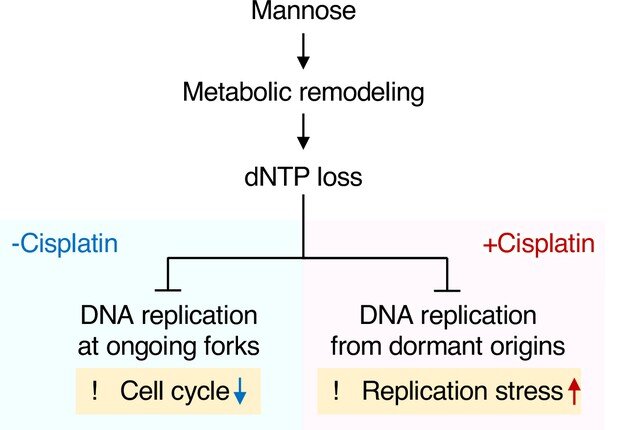
A new study has provided insights into the anti-cancer properties of mannose, a sugar that is essential for physiological processes in humans. Researchers found that mannose inhibits the growth of cancer cells and could potentially be used as a secondary treatment for cancer. By triggering "honeybee syndrome" in genetically engineered human cancer cells, the team discovered that cells without the enzyme needed to metabolize mannose replicate slowly and become more vulnerable to chemotherapy. Further research is needed to determine which types of cancer would be most responsive to mannose treatment. The study highlights the potential of glycosylating sugars for cancer treatment, an area that is still being explored.

"Sugar: A Double-Edged Sword - From Honeybee Killer to Cancer Fighter"
health2 years ago

"Sugar: A Double-Edged Sword - From Honeybee Killer to Cancer Fighter"

New research has revealed further insights into the anti-cancer properties of mannose, a sugar known to inhibit cancer cell growth. The study suggests that mannose could enhance cancer treatment without causing side effects. The research team discovered a link between mannose's ability to slow cancer cell replication and honeybee syndrome, a condition in which honeybees are unable to process mannose. By triggering honeybee syndrome in genetically engineered human cancer cells, the researchers found that the cells became more susceptible to chemotherapy. While more research is needed to determine which types of cancer would be most responsive to mannose, this study highlights the potential of glycosylating sugars for cancer treatment.