A new hypothesis suggests allergies may originate from energy failures in protective barrier cells rather than immune system malfunctions, challenging decades of medical understanding.
A new study challenges the traditional view that allergies originate in the immune system, proposing instead that energy failures in barrier cells trigger the condition. Researchers analyzed extensive data to support this hypothesis, though they emphasize it requires further testing in infants.
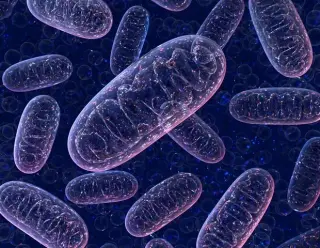
A new study challenges the 60-year consensus that allergies originate in the immune system, proposing instead that they begin with a 'power failure' in the mitochondria of barrier cells lining the skin, gut, and lungs. Researchers at Griffith University analyzed 116 case-control cohorts involving 3,776 patients, finding that genes responsible for clearing damaged mitochondria were significantly reduced in patients with eosinophilic esophagitis and eczema. This bioenergetic collapse may weaken the body’s barrier, triggering immune responses that manifest as allergies. While the evidence is strongest for esophageal and skin conditions, the pattern was absent in established asthma and nasal polyps, suggesting the mechanism may not apply to all allergic diseases. The authors emphasize this is a hypothesis requiring further testing in infants before symptoms appear, rather than a proven cure.
A new study indicates that semaglutide, the active ingredient in Ozempic and Wegovy, may reduce psychiatric hospitalizations for people with bipolar disorder. Researchers found a 21% lower risk of hospitalization during periods of use, suggesting potential neuroprotective benefits beyond weight loss and diabetes treatment.
Griffith University researchers reported promising Phase II results for STC3141, a carbohydrate-based drug tested in 180 sepsis patients in China. The therapy aims to reverse organ damage by dampening a harmful inflammatory surge, rather than just treating symptoms. Grand Pharma plans a Phase III trial, with potential market a few years away.
A Griffith University study using multimodal MRI compared Long COVID, recovered, and healthy controls (47 participants) and found lasting differences in brain tissue microstructure in regions tied to memory and coordination—brainstem, cerebellum, and white-matter tracts—persisting even in people who report full recovery, suggesting COVID-19 can leave invisible neurological footprints with potential long-term effects.
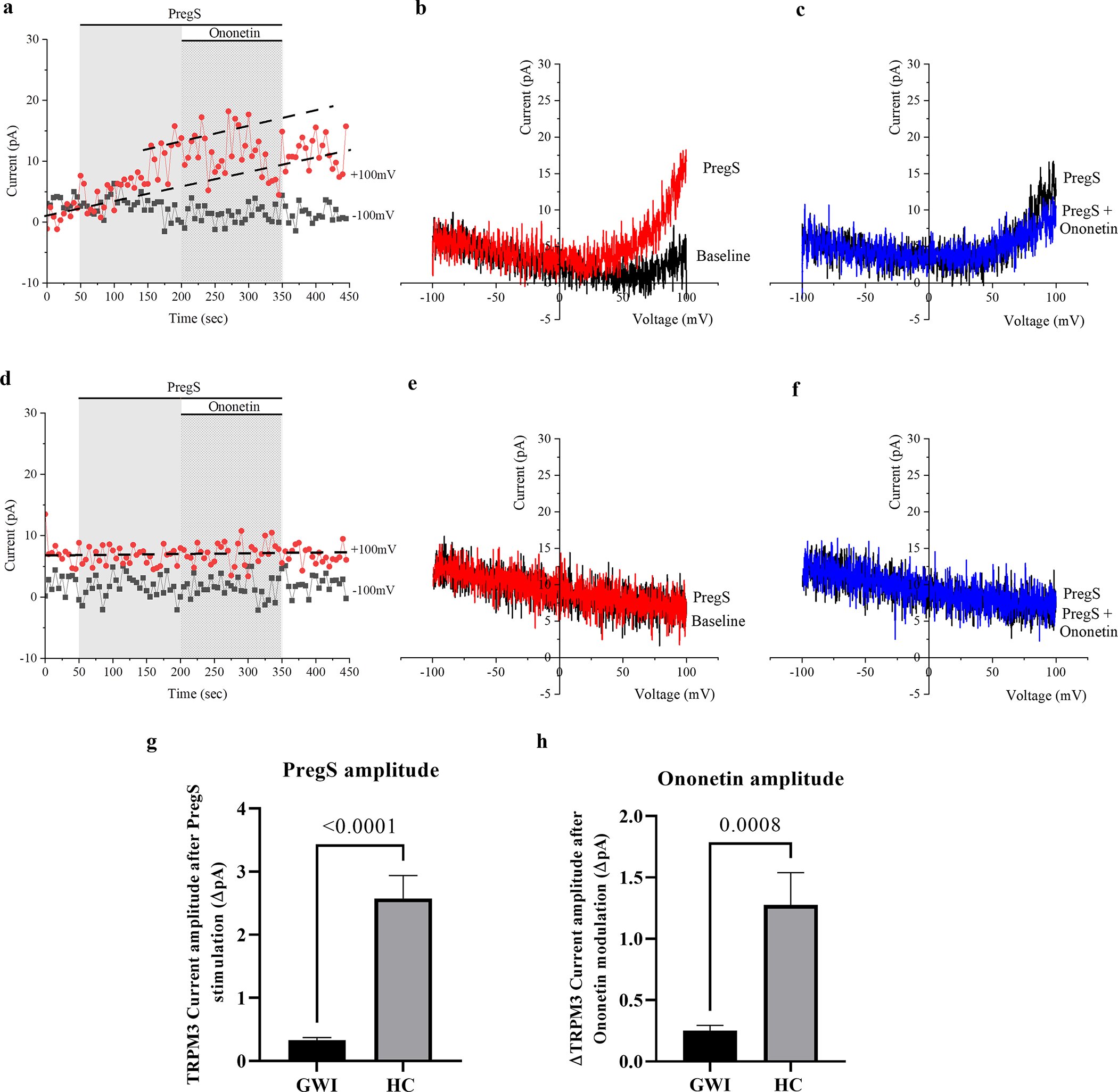
Researchers at Griffith University have identified that Gulf War Illness (GWI) in veterans is likely caused by defective transient receptor potential ion channels due to exposure to hazardous biological and chemical agents during the Gulf War. This discovery provides crucial scientific evidence linking GWI to war service, offering hope for new treatments and validation for affected veterans.