The article explains how to create a variety of habitats in Pokemon Pokopia by arranging grass, flowers, water, lighting, and furniture to attract different Pokemon. It provides a catalog of habitat types (from Tall Grass and Seaside to Flower Beds and Campsite) with their specific setup requirements and the Pokemon they yield, while noting some species are weather- or location-restricted and that the list will be expanded as more habitats are discovered.
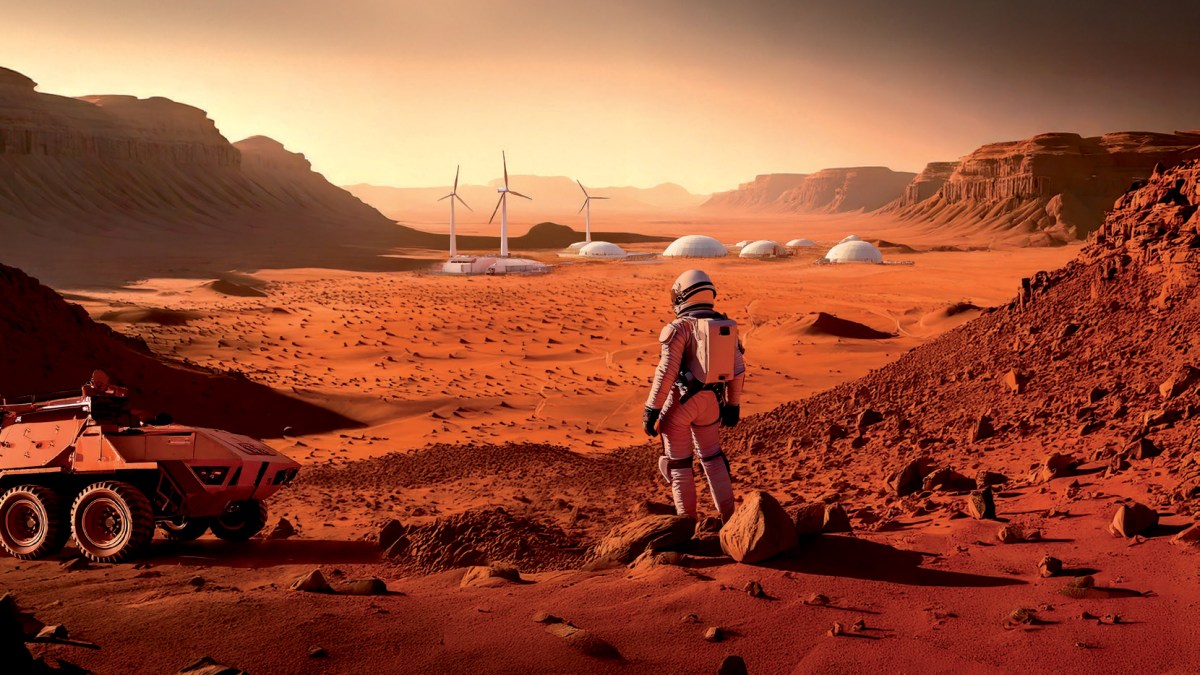
Space.com debunks five common sci-fi myths about living on Mars: that colonies can easily thrive on the surface, that humanity could just terraform the planet, that low gravity is harmless, that Martian soil can support easy farming, and that the main challenge is simply getting there. In reality, viable settlements would likely be buried underground or in lava tubes with hermetically sealed habitats, requiring thick radiation shielding, closed-loop life support, and abundant energy. The Martian atmosphere is extremely thin and lethal without a suit, oxygen must be generated, and surface conditions are brutal (cold, radiation, low pressure). Growing food faces toxic perchlorates in soil, so hydroponics or bioengineered solutions are needed. Psychological stresses from isolation and long travel times add equal weight to physical survival. Overall, any real Mars settlement would demand centuries of Earth-provided resources and massively engineered habitats, making true “colonization” far more complex than sci-fi suggests.
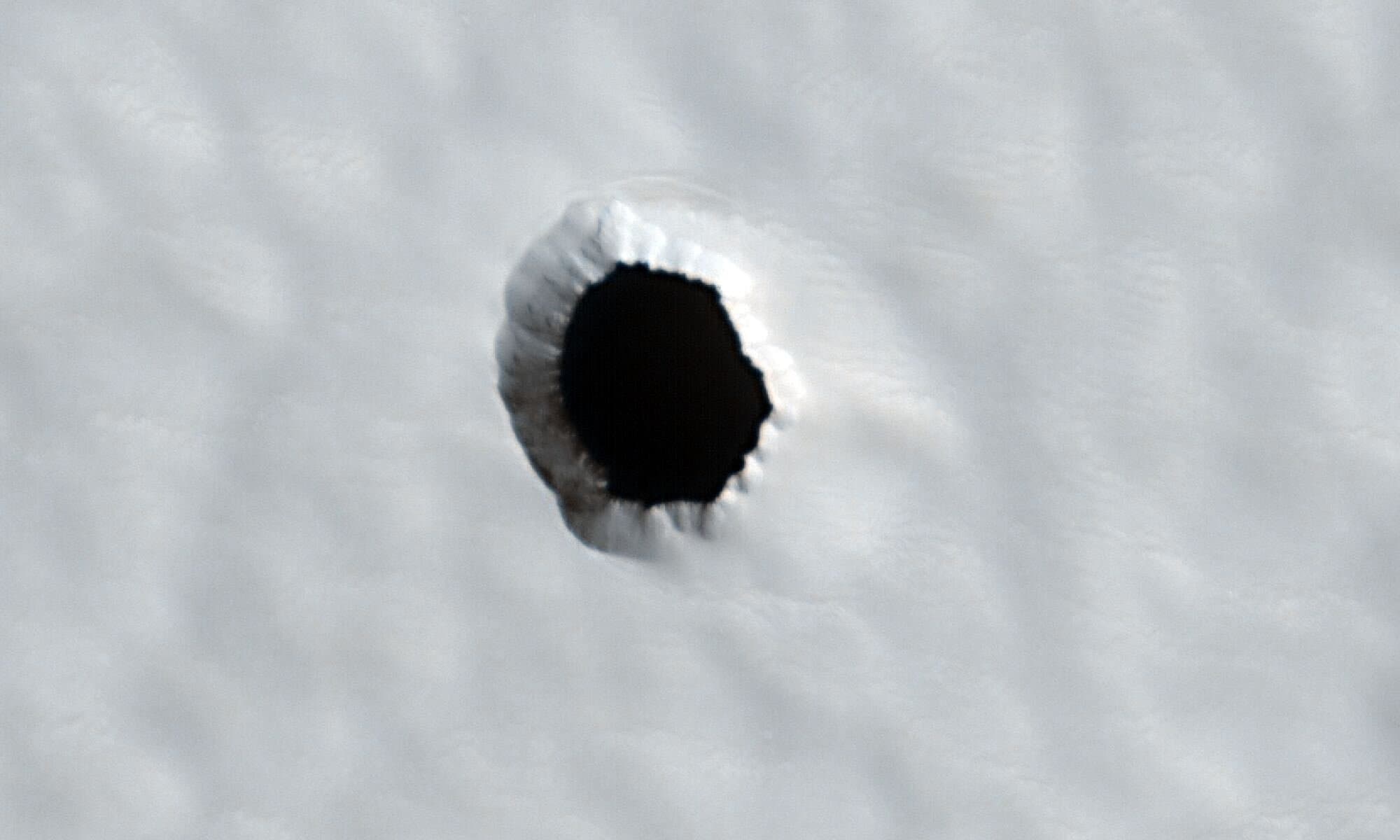
Scientists have discovered a mysterious hole on Mars that could be a skylight leading to lava tubes, which may serve as protective habitats for future human explorers by shielding them from radiation and harsh environmental conditions. The hole's exact nature is still under investigation, but it represents a promising avenue for exploring underground refuges on Mars, similar to lunar lava tubes, and could be crucial for sustainable colonization.
The European Space Agency envisions a future by 2040 where humans live in self-sustaining habitats on Earth orbit, the Moon, Mars, and beyond, supported by advanced technologies like AI, 3D printing, and high-speed ion thrusters, transforming space into a new home and resource frontier.
Negotiators from the European Parliament and EU member states have reached an agreement on a landmark biodiversity bill that aims to restore 20% of EU land and sea habitats by 2030 and all damaged ecosystems by 2050. The law, which still needs formal approval, addresses the poor condition of 80% of the EU's habitats, the potential extinction of 10% of bee and butterfly species, and the unhealthy state of 70% of soils. The bill faced opposition from the conservative European People's Party, resulting in some requirements being watered down. Increased funding for nature-boosting measures was also agreed upon.