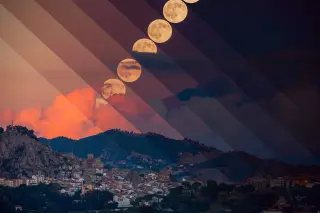
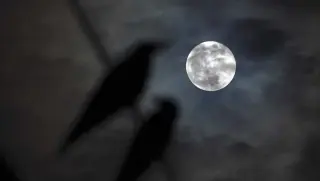
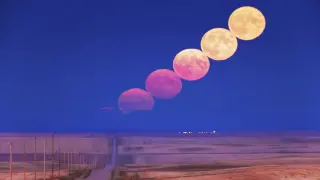
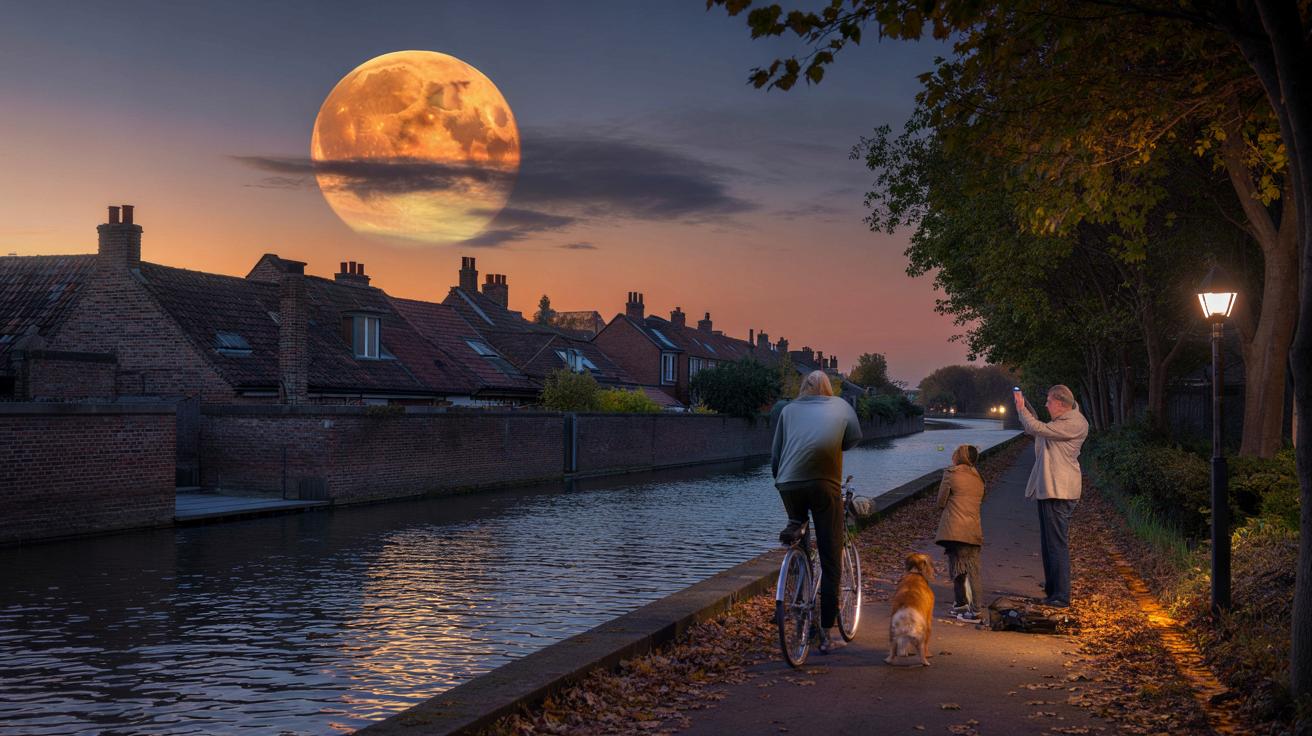
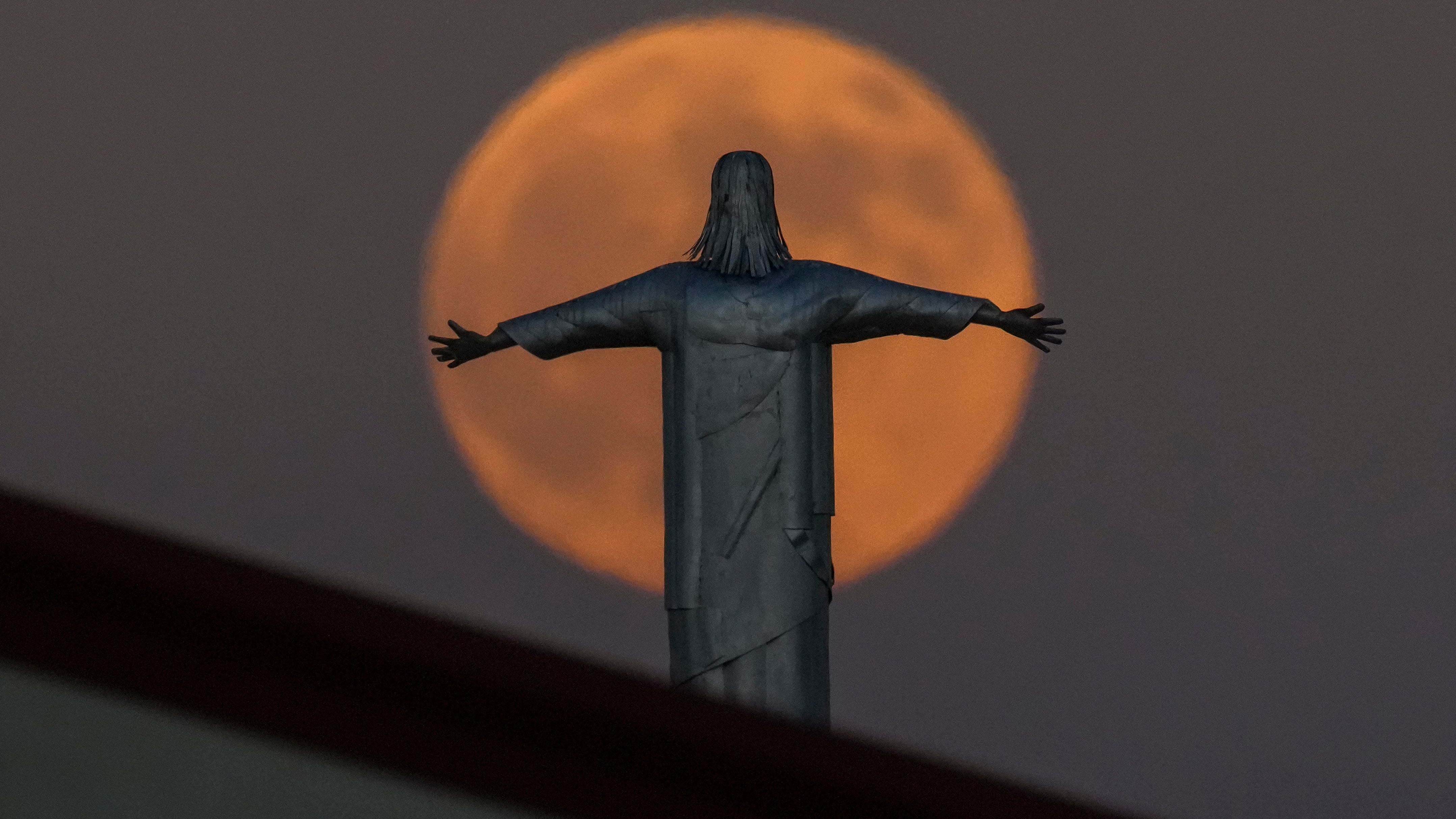
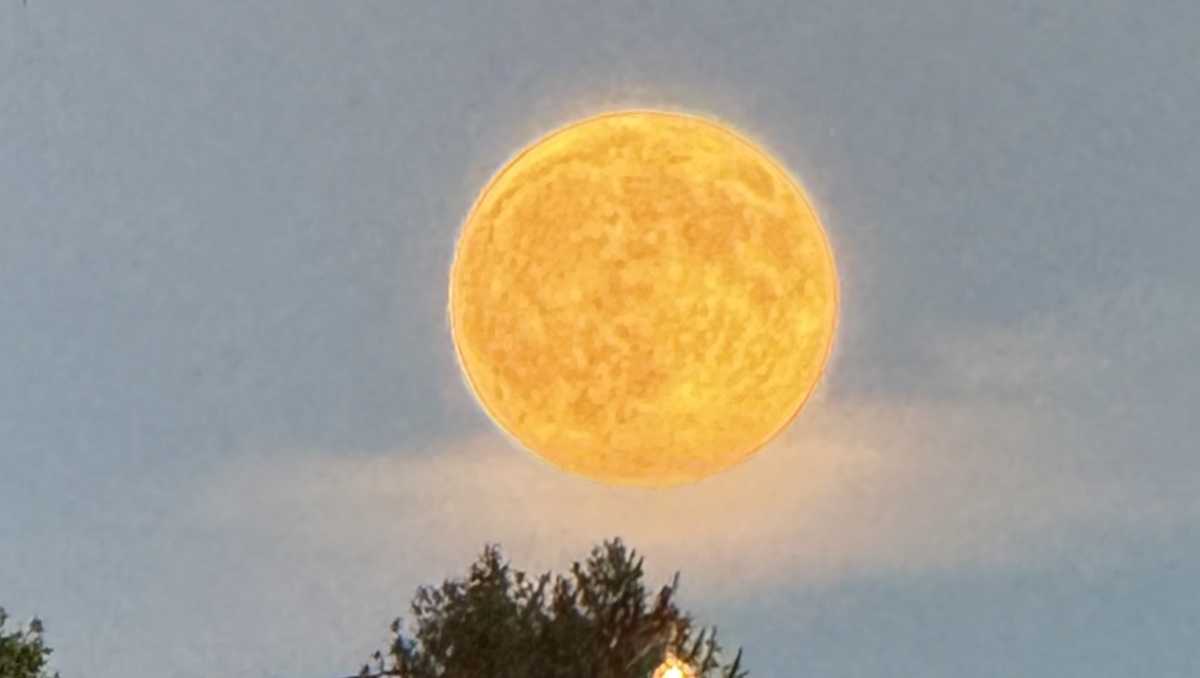
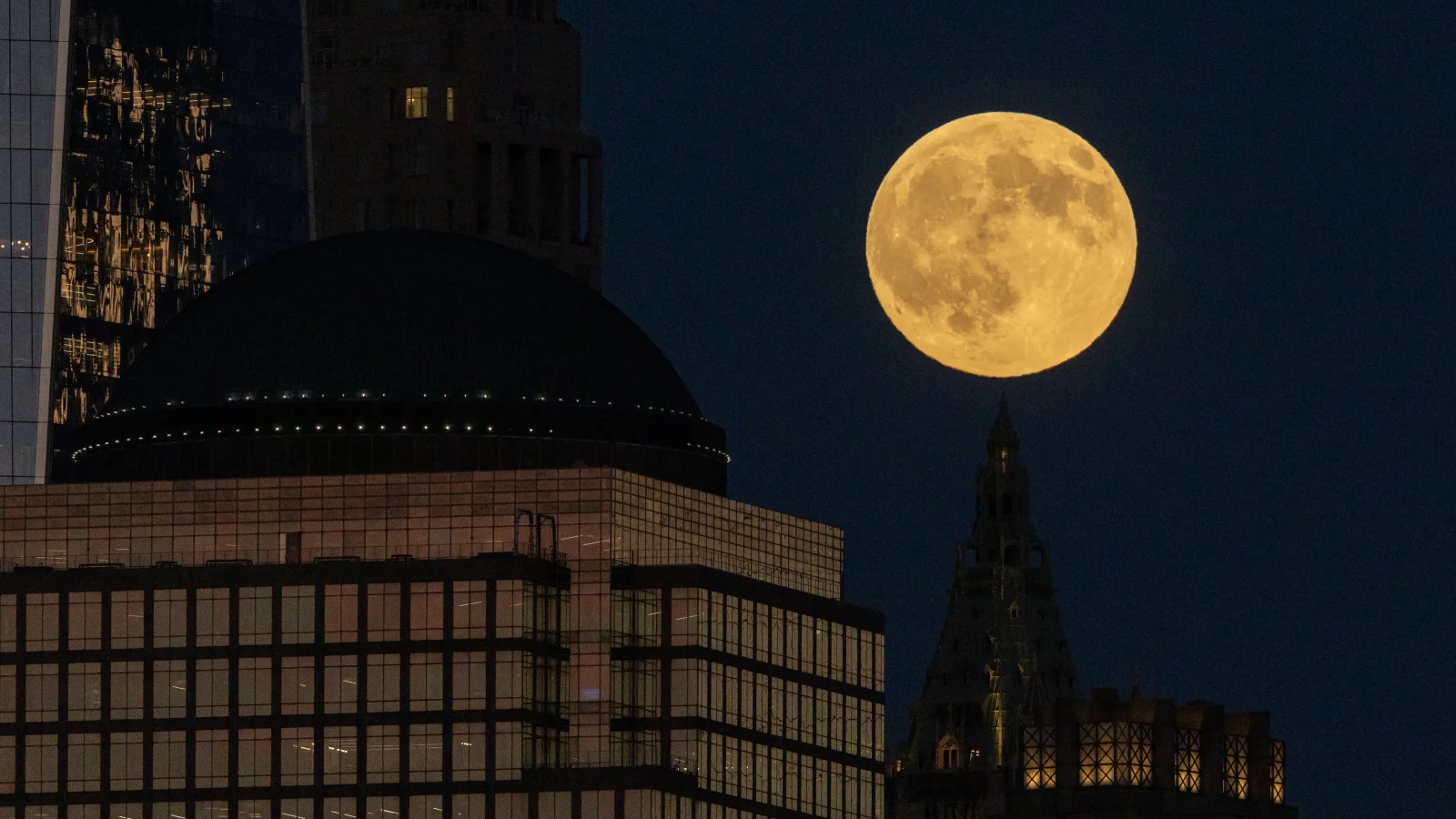
The September 2026 full moon, traditionally known as the Harvest Moon, reached peak illumination on September 26. This celestial event provided extended nighttime visibility for observers across various hemispheres, coinciding with the autumn equinox. While the moon’s warm hue was attributed to atmospheric scattering, its visibility was enhanced by clear skies in several regions, allowing for notable astronomical pairings with Saturn.
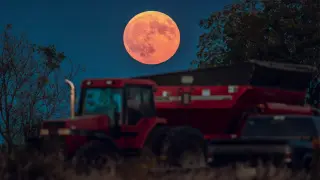
The September 2026 full moon, known as the Harvest Moon, reaches peak illumination on Saturday, September 26, at 12:49 p.m. ET. Although the moon is brightest at midday, observers are advised to view it just after sunset to appreciate its warm hue and proximity to Saturn. The ringed planet appears near the moon between Friday and Monday, offering a dual viewing opportunity. Saturn will reach its best visibility on October 4, but its current position makes it a notable sight this weekend. Neptune is also nearby but requires binoculars or a telescope for clear observation. The Harvest Moon’s traditional name stems from its historical use by farmers to extend harvesting hours after sunset. Indigenous groups have various names for this moon, including 'corn maker' and 'yellow leaf.' The orange glow often associated with the Harvest Moon is due to atmospheric scattering when the moon is near the horizon. Three more full moons are expected in 2026, including supermoons in November and December.
The 2026 Harvest Moon reaches full illumination on September 26, coinciding with the autumnal equinox and offering a rare celestial pairing with Saturn and Neptune. While the moon is technically brightest at midday, observers are advised to view it just after sunset to appreciate its warm hue and proximity to the ringed planet. This event is notable for its unusually close moonrise times across consecutive evenings, a phenomenon that historically aided farmers in extending harvest hours. The alignment provides a naked-eye opportunity to see Saturn, with Neptune visible only through optical aids.
The September 2026 full moon, known as the Harvest Moon, reaches peak illumination on Saturday, September 26. This event coincides with a rare alignment where Saturn appears near the moon, offering a dual viewing opportunity for sky-gazers. The moon’s proximity to the autumnal equinox reinforces its traditional name, while Saturn will reach its best visibility on October 4.
The September 2026 full moon, known as the Harvest Moon, reaches peak illumination on Saturday, September 26, at 12:49 p.m. ET. This celestial event coincides with a rare alignment where Saturn appears near the moon between Friday and Monday, offering a dual viewing opportunity. The moon’s proximity to the autumnal equinox, which occurred on Tuesday, reinforces its traditional name. While the moon is brightest at midday, optimal viewing occurs just after sunset. Saturn will reach its best visibility on October 4, but its current position near the moon makes it a notable sight this weekend. Neptune is also nearby but requires binoculars or a telescope for clear observation. The Harvest Moon’s traditional name stems from its historical use by farmers to extend harvesting hours after sunset. Indigenous groups have various names for this moon, including 'corn maker' and 'yellow leaf.' The orange glow often associated with the Harvest Moon is due to atmospheric scattering when the moon is near the horizon. Three more full moons are expected in 2026, including supermoons in November and December.
September 2026 delivers a busy astro calendar: Virgo-season helps organize after eclipse season, Libra season begins with the autumn equinox on Sept 22, and a Harvest Moon in Aries arrives Sept 26. Expect Venus in Scorpio sharpening intensity, Mercury changing signs and fueling sharp conversations, Uranus retrograde in Gemini, a mid-month Grand Air Trine boosting ideas, and Mars entering Leo toward month’s end, all urging clean slates, strategic action, and deeper self-reflection as fall begins.
Space.com reports that September 2026's full Moon, the Harvest Moon, will reach full illumination at 12:49 p.m. ET on Sept 26 and will appear yellow-orange near the horizon due to Rayleigh scattering; timings vary by city and there will be no lunar eclipse this year. The piece explains the Harvest Moon’s name, offers observing and astrophotography tips, and flags other sky sights to enjoy (Saturn, Jupiter, the Great Square of Pegasus) alongside the Moon, with a look ahead to upcoming full Moons in 2026.
In October 2025, a rare Harvest Moon coincides with the year's first supermoon, appearing about 7% larger and 15% brighter than usual, best viewed around moonrise on October 6-8, especially when low on the horizon for dramatic effect.
In October 2025, a rare alignment will bring the Harvest Moon and the year's first supermoon together, peaking on October 7th. This event offers a brighter, larger Moon visible near the horizon at dusk, best observed from a clear eastern horizon between October 6-8, with the main spectacle on October 7th. No special equipment is needed—just a good view and patience to enjoy this natural show.
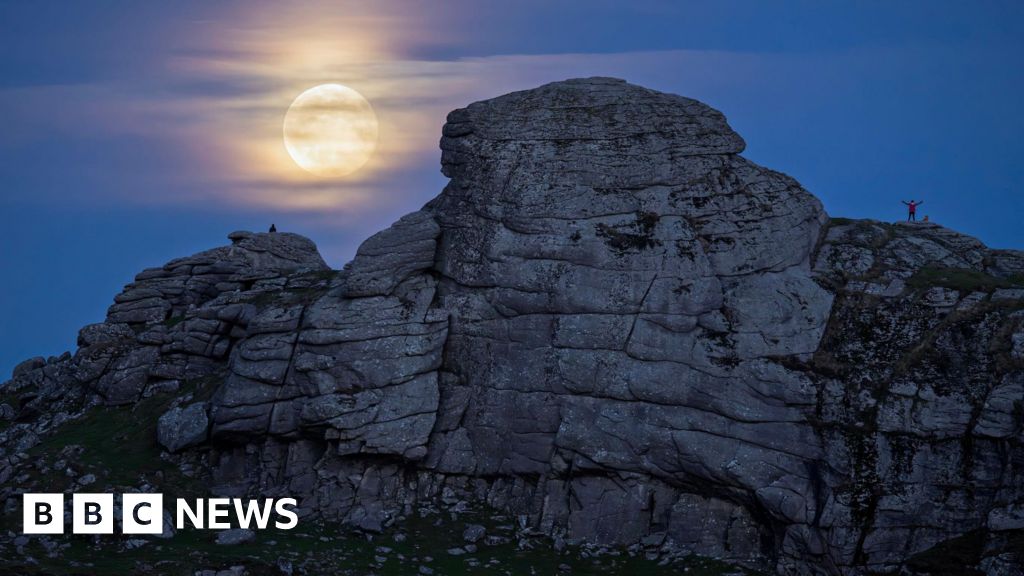
A spectacular supermoon, also known as the Hunter's Moon and Harvest Moon, was visible in South West England, with stunning images captured over Dartmoor's Haytor Rocks and in Cornwall, marking the first such occurrence since November 2024 and highlighting its significance in autumnal traditions.
A spectacular supermoon, also known as the Hunter's Moon and Harvest Moon, illuminated skies worldwide, coinciding with the Mid-Autumn Festival in China, with more supermoons expected in November and December.
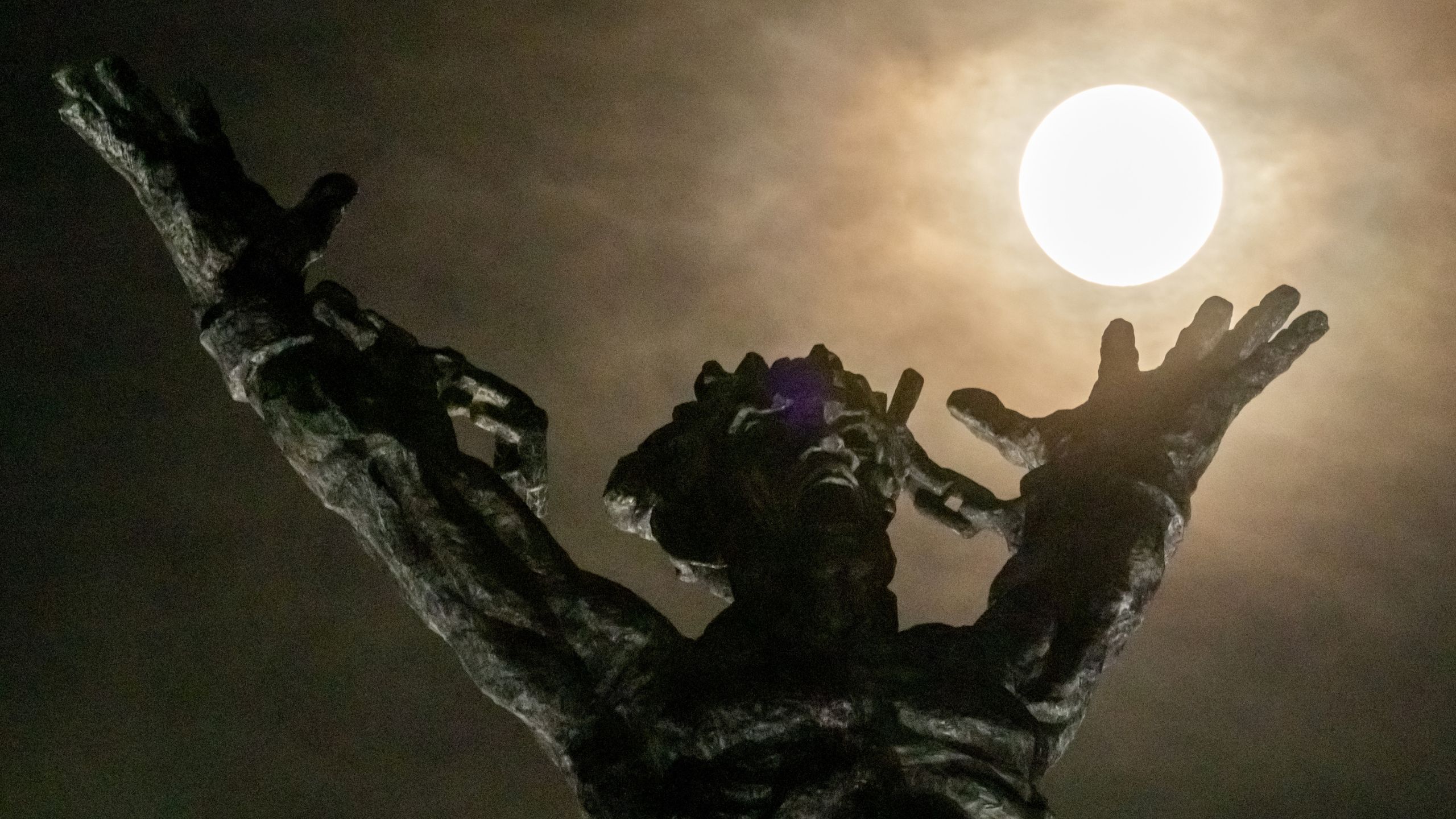
The Harvest supermoon, the first of three in 2025, was visible and photographed worldwide, appearing larger and brighter due to its proximity to Earth, with notable images from Italy, Tibet, Indonesia, Spain, China, and the UK. The next supermoon will occur on November 5, 2025.
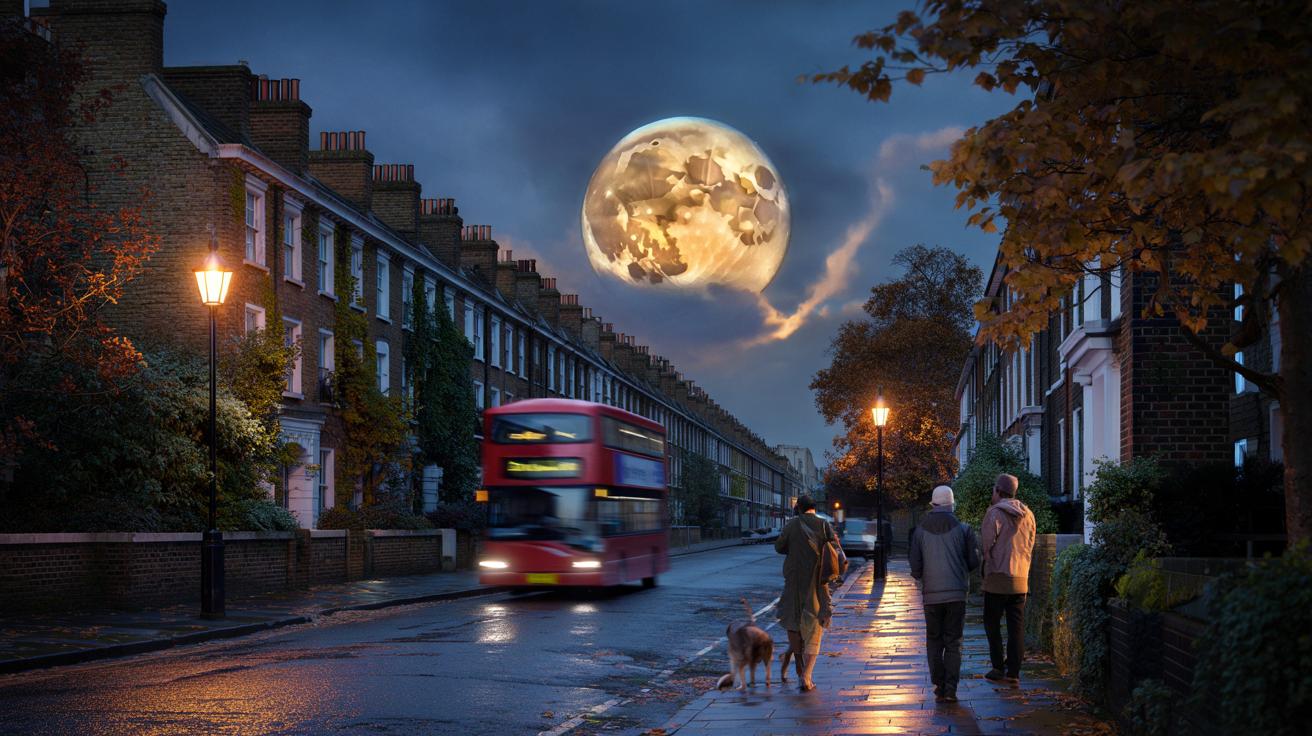
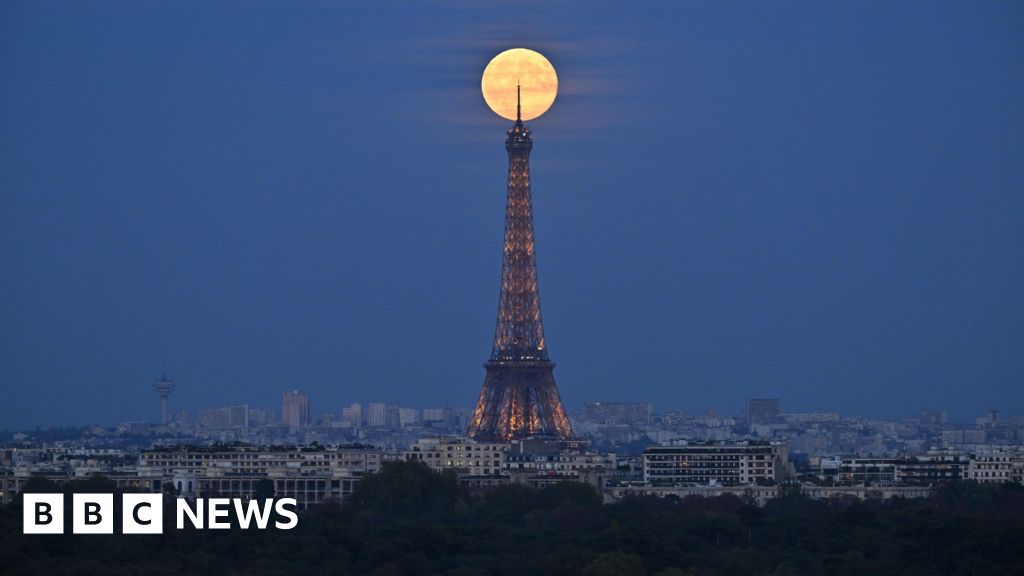
The Harvest Supermoon was visible over major cities worldwide, including New York, Milan, London, and Los Angeles, with stunning photographs capturing its glow against iconic landmarks.
The Harvest Moon, the first of three supermoons this year, was visible from Monday night, appearing larger and brighter as it was at its closest point to Earth, marking a spectacular night sky event.
The first supermoon of 2025, called the Harvest Moon, was visible on October 6, lighting up skies across various locations including London, New York, Washington D.C., and Malta, and was part of a series of three supermoons expected in 2025.