Tag

Hindbrain

All articles tagged with #hindbrain

Liver Signal Bypasses the Hypothalamus to Rewrite Diet and Metabolism
science1 month ago

Liver Signal Bypasses the Hypothalamus to Rewrite Diet and Metabolism

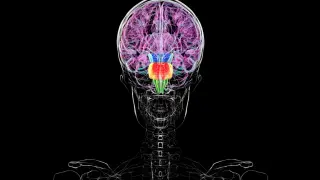
A study identifies a specific hindbrain neuron population (NTS-KLB) that directly responds to the liver hormone FGF21 to orchestrate changes in food intake, food choice, and energy expenditure during dietary protein restriction, challenging the idea that metabolism is controlled mainly by the hypothalamus and suggesting targeted brain circuits could improve FGF21-based obesity and diabetes therapies.

FGF21 Signals to Hindbrain May Boost Metabolic Weight Loss
health1 month ago

FGF21 Signals to Hindbrain May Boost Metabolic Weight Loss

University of Oklahoma researchers identify FGF21 as a hormone that signals the hindbrain—the same region GLP-1 obesity drugs target—potentially increasing metabolic rate and promoting weight loss in mice. While promising, the findings are preclinical, and safety concerns (digestive issues, bone loss) and human relevance remain unresolved; future therapies may pair FGF21 pathways to treat obesity and related fatty liver disease (MASH).

Natural Hormone FGF21 Rewires the Brain to Fight Obesity
science1 month ago

Natural Hormone FGF21 Rewires the Brain to Fight Obesity

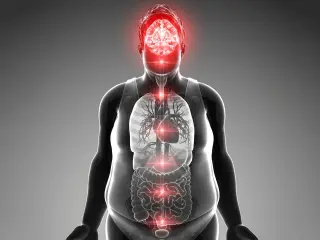
Researchers found that the hormone FGF21 acts in the hindbrain (nucleus of the solitary tract and area postrema) to regulate metabolism and reduce body weight, signaling a shared yet distinct pathway from GLP-1 drugs. The work, published in Cell Reports, suggests a specific brain circuit could be targeted for obesity and MASH therapies, though current FGF21 analogs can cause GI issues and bone loss, prompting hopes for safer, more precise treatments.

"Sea Lamprey: Surprising Similarities in Brain Development with Humans"
science2 years ago

"Sea Lamprey: Surprising Similarities in Brain Development with Humans"

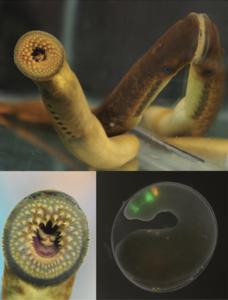
A study from the Stowers Institute for Medical Research reveals that the hindbrain of sea lampreys and humans is constructed using a remarkably similar molecular and genetic toolkit, shedding light on the evolution of vertebrate traits. The research, published in Nature Communications, identifies a common molecular cue, retinoic acid, involved in guiding hindbrain patterning in sea lampreys, suggesting that this process is ancestral to all vertebrates. The findings challenge previous assumptions about the differences between jawless and jawed vertebrates, highlighting the close evolutionary relationship between sea lampreys and humans.