Tag

Homo

All articles tagged with #homo

Monash researcher argues human taxonomy should collapse three genera into one
science3 months ago

Monash researcher argues human taxonomy should collapse three genera into one

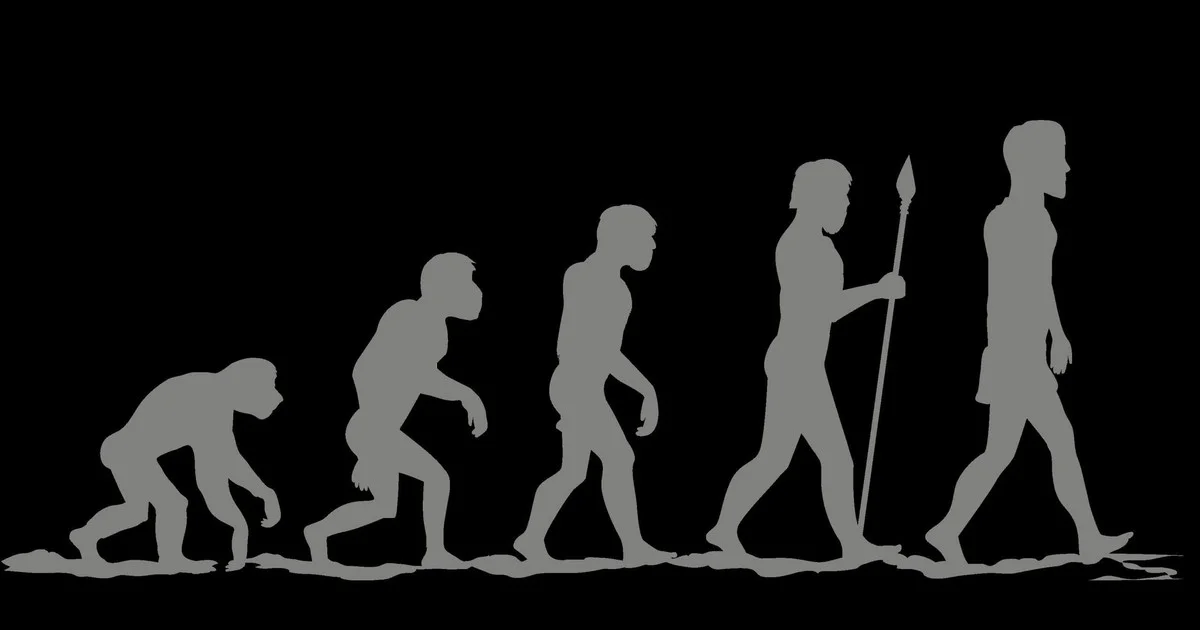
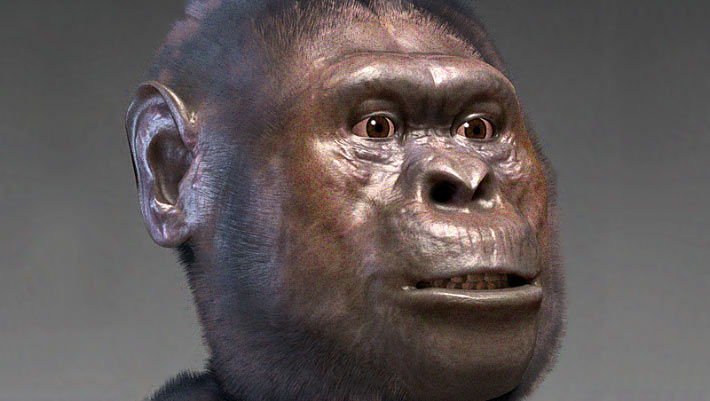
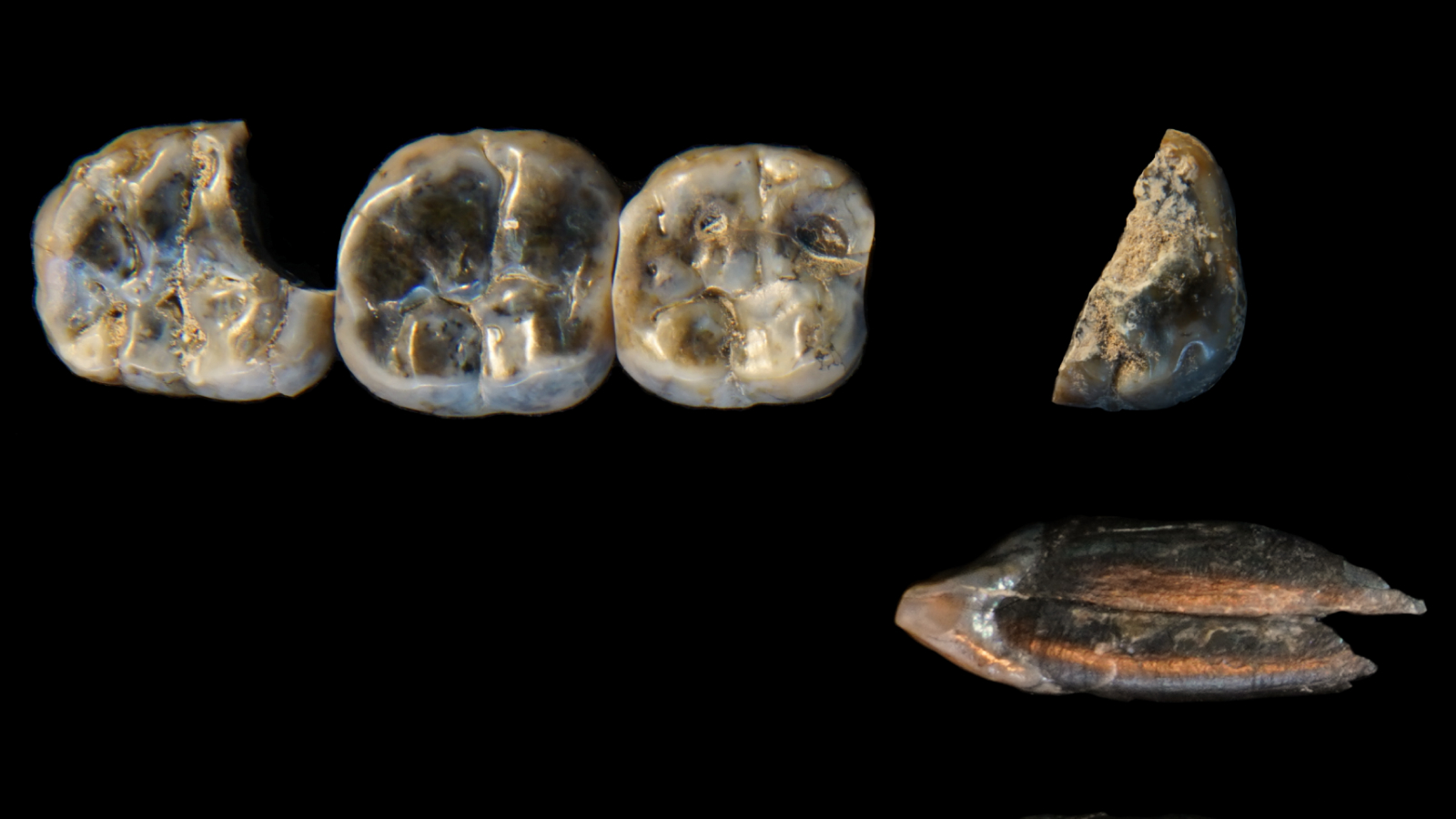
Dr. Ian Towle of Monash University argues that the traditional classification of human ancestors into three genera—Homo, Australopithecus, and Paranthropus—no longer reflects evolutionary reality. In a new paper, he proposes folding the latter two groups into a single, expanded genus Homo to better represent the complex, non-linear history of human evolution over the past 4 to 5 million years.
Monash Researcher Argues for Collapsing Hominin Genus into Single Homo Group
science3 months ago

Monash Researcher Argues for Collapsing Hominin Genus into Single Homo Group

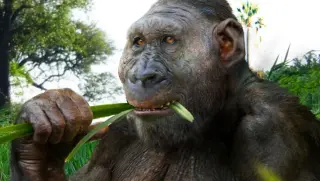
Dr. Ian Towle of Monash University proposes merging the genera Australopithecus and Paranthropus into Homo, arguing that current classifications fail to reflect true evolutionary branches. Published in the American Journal of Biological Anthropology, the paper contends that traits like brain size and tool use no longer cleanly define these groups due to new fossil evidence and genetic analysis.

Cranial evolution in Homo shaped by constraints and neutral change, not steady directional selection
biological-anthropology4 months ago

Cranial evolution in Homo shaped by constraints and neutral change, not steady directional selection

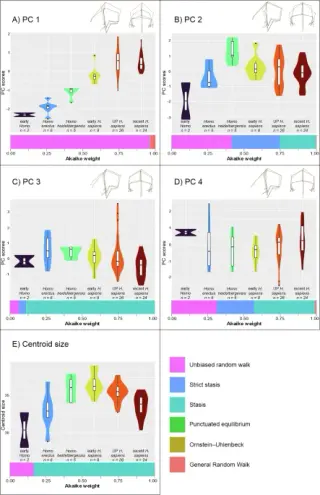
A morphometric analysis of fossil and modern Homo skulls shows brain- and face-related cranial changes were not driven by gradual directional selection for larger brains or smaller faces. Instead, neutral processes and stabilizing selection best explain the observed variation in both Homo sapiens and Homo neanderthalensis, with some axes hinting at limited selection. The results highlight environmental and cultural constraints (e.g., cooking, tool use) as key factors shaping cranial evolution rather than continuous, linear directional pressures, and suggest releases from stabilizing selection during major transitions may have fueled later diversification.